Key takeaways:
Getting rid of a mole at home is never a good idea.
Many products are marketed as over-the-counter (OTC) mole removal kits, but they’re not FDA approved. These products can cause serious side effects, like scarring, infection, and skin discoloration.
Removing a mole on your own can delay the diagnosis of skin cancer if the spot turns out to be suspicious.
The best way to remove a mole is to visit your dermatologist or primary care provider.
Most people have moles, and they’re usually nothing to worry about. But some people think about getting rid of a mole at home because they don’t like the way they look or feel — like when they rub on clothing.
Various products claim to help you remove moles on your own. But at-home mole removal can lead to problems, including infection and scarring. In some cases, it can lead to a delayed diagnosis of skin cancer. So, if you’re considering getting rid of a mole at home, read this first.
What are moles?
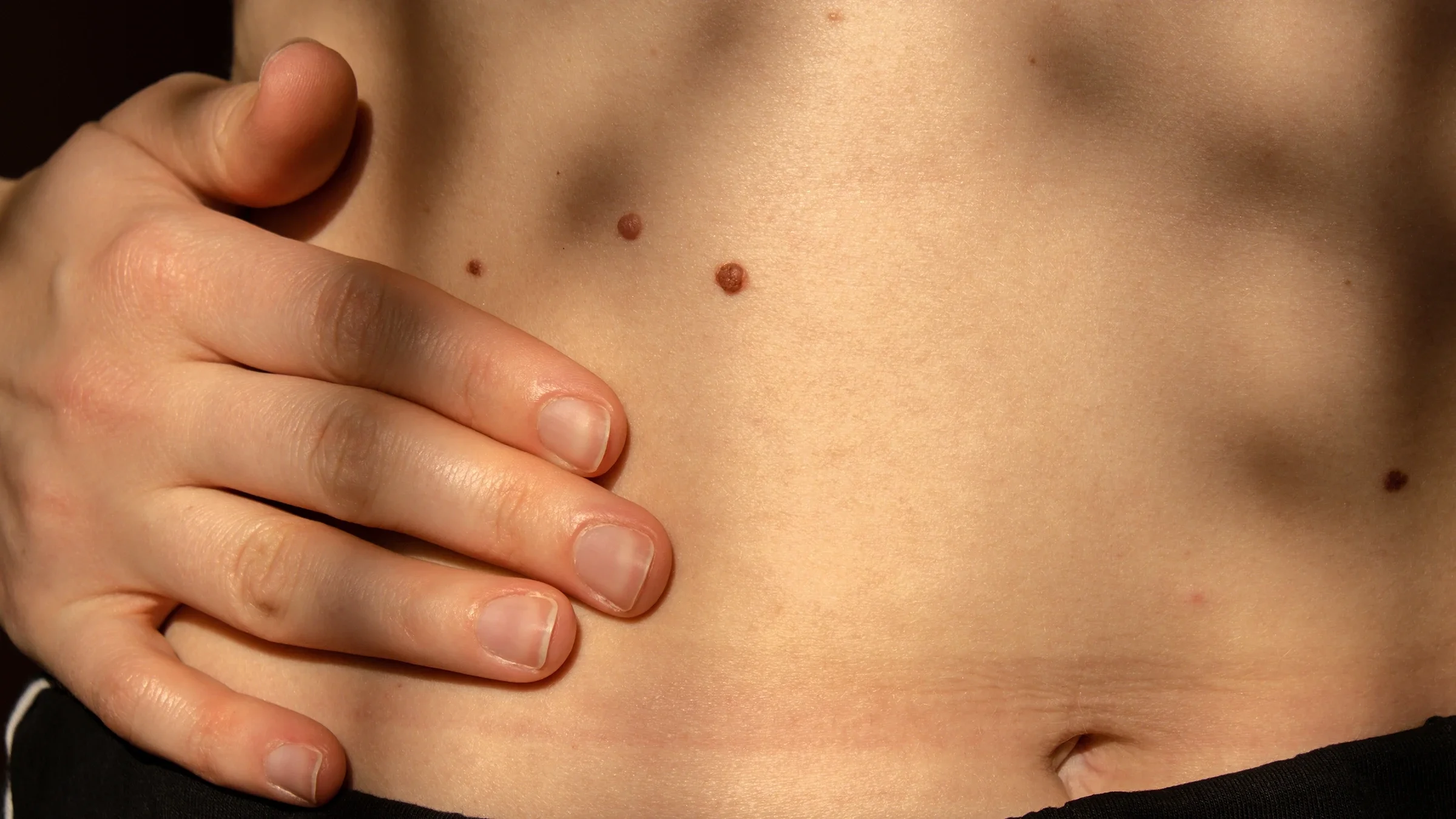
Moles are a common type of skin growth. They’re usually brown, but they can also be tan, pink, or skin-colored. They’re usually harmless and not a cause for concern.
Search and compare options
But some moles are classified as “atypical” moles. This is a way to identify moles — based on their appearance — that are associated with a higher risk of melanoma, the most serious type of skin cancer.
Is it safe to remove moles at home by yourself?
No, it’s never a good idea to remove a mole at home.
First, most people can’t tell the difference between a regular mole and an atypical mole. It can even be hard for a healthcare professional to tell based on appearance alone. They may need to perform a skin biopsy — when a skin tissue sample is sent to a lab for examination — to make the diagnosis.
Second, if it’s atypical, you may not realize you didn’t remove the entire growth. And if you don’t remove the entire growth, cancerous or atypical cells can remain in the skin — potentially delaying proper diagnosis and treatment.
Here are other reasons it’s a bad idea to remove moles at home:
You could have bleeding that’s difficult to stop.
The area could become infected.
There can be permanent scarring.
The mole may grow back.
What about at-home mole-remover kits?
Many products are marketed as over-the-counter (OTC) mole removal kits. But they haven’t been shown to be safe or effective, and the FDA hasn’t approved any of them. In fact, the FDA has issued warning letters to many marketplaces and companies selling these products.
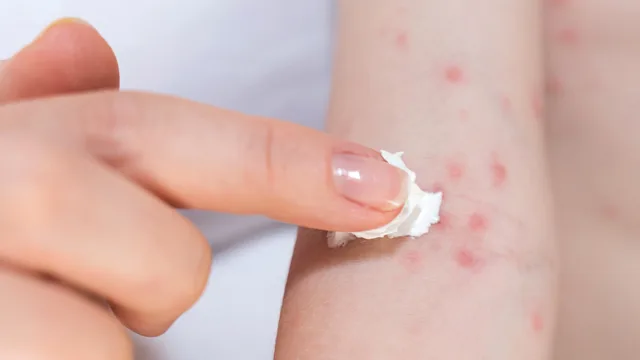
Often, OTC mole-removal products contain high concentrations of chemicals like salicylic acid, calcium oxide, and other potentially irritating ingredients. Many work by damaging or destroying skin tissue, which can cause burns, scarring, and infection, as well as discoloration.
These products can be sold as:
Creams
Ointments
Gels
Sticks
Liquids

Read more like this
Explore these related articles, suggested for readers like you.


Some mole removal products claim to be “natural” or “organic.” These contain ingredients such as:
Grape seed extract
Tea tree oil
Vitamin E
Aloe vera extract
These products may sound safe, but they aren’t FDA approved either.
One study identified 38 cases of skin injuries reported in Amazon reviews and FDA reports after people used different at-home mole and skin tag removal kits.
If you’ve used any of these products and had a bad outcome, you can report it using the FDA’s MedWatch product safety reporting program.
What’s the best way to remove a mole?
The best — and safest — way to remove a mole is to see a dermatologist. If you don’t have one, you can go see your primary care provider. They’ll examine the mole and decide whether it should be removed and/or tested.
Most moles can be removed in a minor in-office procedure. The removed tissue may be sent to a lab, where a pathologist evaluates it under a microscope to check for abnormal or cancerous cells.
How much does mole removal cost?
Health insurance companies may cover mole removal if it’s considered medically necessary. Cosmetic removal is typically not covered. The cost will depend on a few different factors, like how big the mole is and where it’s located. Before getting a mole removed, talk to your insurance provider about the cost so you know what to expect.
When should you get a mole checked?
You should get a mole checked when it has any atypical appearance, which could be a sign of melanoma. Melanoma is the most serious form of skin cancer, and about 20% to 30% of cases start in a pre-existing mole. But melanoma is highly treatable when it’s found early. That’s why it’s a good idea to keep an eye on your moles.
The A-B-C-D-E warning signs can help you spot concerning changes in your moles:
A for asymmetry: One half of the mole doesn’t look like the other half.
B for border: The edges are irregular, uneven, or poorly defined.
C for color: The mole has more than one color (like brown, black, white, or pink).
D for diameter: The mole is larger than 6 mm across — roughly the size of a pencil eraser. But keep in mind that some melanomas can be smaller.
E for evolving: The mole is changing in size, shape, or color.
Some areas of your body, like your back or scalp, are hard to see on your own. A healthcare professional can help you decide how often you should have a full-body skin exam based on your individual risk factors.
Frequently asked questions
You can’t completely prevent moles from forming. But limiting ultraviolet (UV) exposure — especially during childhood and adolescence — may help reduce the number of new moles that develop. Try to limit time in the sun when UV rays are strongest. Use broad-spectrum sunscreen year round. And avoid tanning lamps or beds.
Hydrogen peroxide isn’t a safe or reliable way to remove moles at home since it can damage the skin. What’s more, trying to chemically destroy a mole can make it harder to determine whether it contains abnormal cells. For a mole that needs removal, it’s important to see a dermatologist or other healthcare professional. They can remove it safely and send the tissue for examination, if necessary.
You shouldn't intentionally pick off a mole. If a mole or skin growth is bothering you, it’s important to see a dermatologist or primary care provider first. That said, if you accidentally scratch off a mole, treat it as you would a minor cut:
Clean it gently with soap and water.
Stop the bleeding with a clean gauze or cloth.
Cover it with a bandage.
See a healthcare professional if any of the growth remains, changes in appearance, or returns.
You can’t completely prevent moles from forming. But limiting ultraviolet (UV) exposure — especially during childhood and adolescence — may help reduce the number of new moles that develop. Try to limit time in the sun when UV rays are strongest. Use broad-spectrum sunscreen year round. And avoid tanning lamps or beds.
Hydrogen peroxide isn’t a safe or reliable way to remove moles at home since it can damage the skin. What’s more, trying to chemically destroy a mole can make it harder to determine whether it contains abnormal cells. For a mole that needs removal, it’s important to see a dermatologist or other healthcare professional. They can remove it safely and send the tissue for examination, if necessary.
You shouldn't intentionally pick off a mole. If a mole or skin growth is bothering you, it’s important to see a dermatologist or primary care provider first. That said, if you accidentally scratch off a mole, treat it as you would a minor cut:
Clean it gently with soap and water.
Stop the bleeding with a clean gauze or cloth.
Cover it with a bandage.
See a healthcare professional if any of the growth remains, changes in appearance, or returns.
The bottom line
Removing moles on your own is never a good idea. Some may be at risk for skin cancer, delaying crucial diagnosis and treatment. It can also cause infection, burns, scarring, or discoloration. The FDA hasn’t approved any over-the-counter (OTC) product to remove moles, despite what some products may claim. If you have a spot you’re worried about or want to remove, the best thing to do is to visit your dermatologist or a healthcare professional.

Why trust our experts?




References
American Academy of Dermatology Association. (n.d.). Moles: Overview.
Bauer, J., et al. (2003). Acquired melanocytic nevi as risk factor for melanoma development. A comprehensive review of epidemiological data. Pigment Cell Research.
Konkel, K., et al. (2023). Serious skin injuries following exposure to unapproved mole and skin tag removers. The Journal of Clinical and Aesthetic Dermatology.
HealthDay. (2022). FDA warns Amazon, other vendors about sale of skin tag removal products. Physician’s Weekly.
Skin Cancer Foundation. (2026). Melanoma overview.
U.S. Food and Drug Administration. (2026). MedWatch: The FDA safety information and adverse event reporting program.