Key takeaways:
Hand sanitizer is a safe and effective way to kill many common germs on your hands and help prevent the spread of illness.
Frequent use of hand sanitizer can dry out or irritate your skin, which can increase your risk of infection. And swallowing it or getting it in your eyes can be harmful.
Washing your hands with soap and water is generally the best way to remove germs. But when soap and water aren’t available, hand sanitizer with at least 60% alcohol is a good alternative.
From clinical-looking foaming dispensers to purse-sized sprays with luxury fragrances, hand sanitizer seems to be everywhere these days. But between the strong smell and the occasional sting, you may wonder: Is hand sanitizer actually harmful to your health?
The short answer is no. But there are a few things worth knowing about how to use it most safely and effectively.
Is hand sanitizer bad for you?
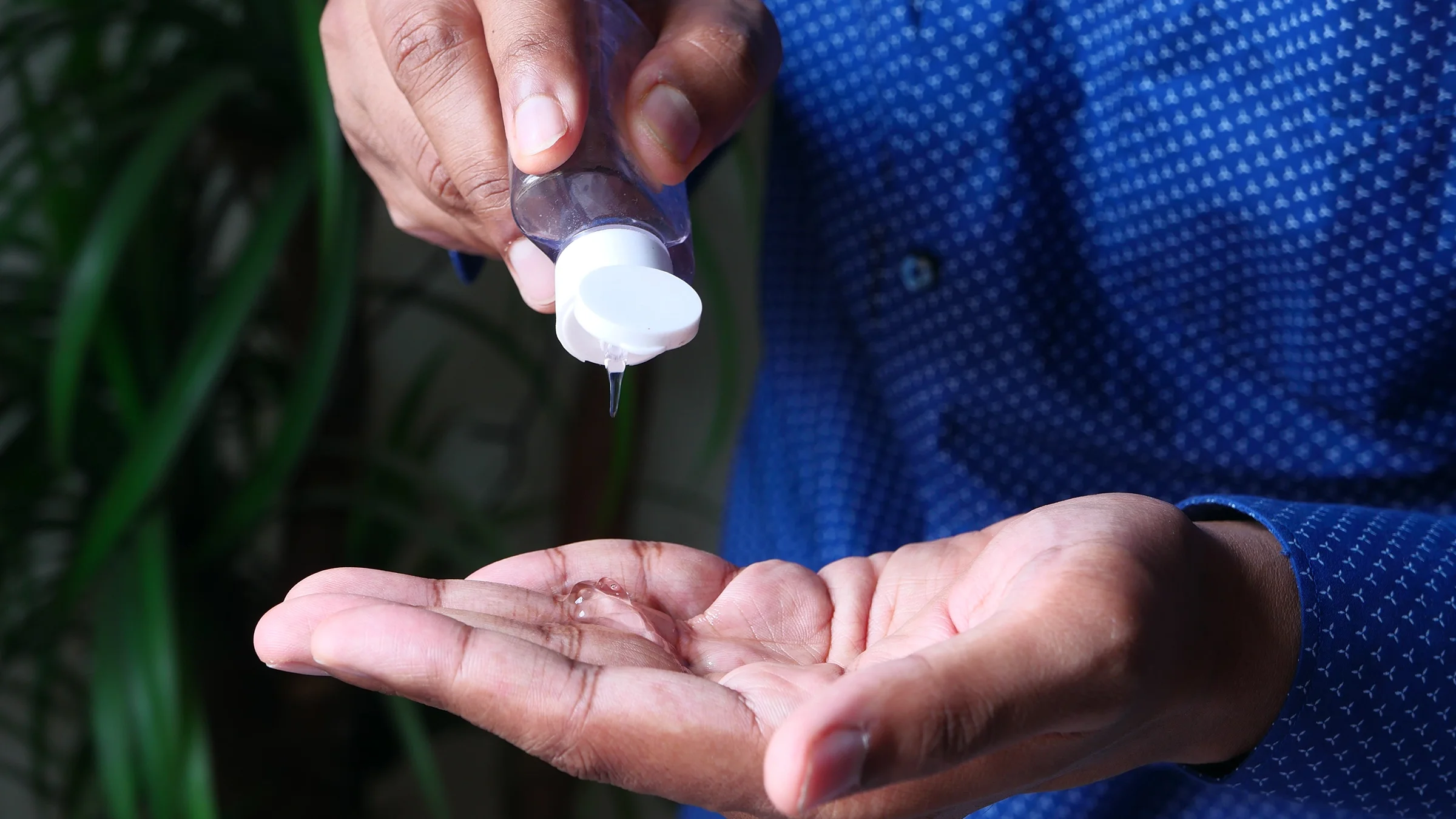
No, hand sanitizer isn’t bad for you. For most people, hand sanitizer is safe when used as directed. It’s a quick, convenient way to kill many common germs on your hands when soap and water aren’t available. And it can help keep you from getting sick or spreading germs to others.
Search and compare options
But hand sanitizer isn’t completely risk free. Using it frequently can leave your skin dry or irritated. And using it incorrectly can pose other health risks.
Types of hand sanitizer
It can help to know the different types of hand sanitizer, since there are differences in their ingredients and the way they work.
Here are the main types of hand sanitizer:
Alcohol-based hand sanitizer: This is the most common type. It uses alcohol to kill germs on your hands. The alcohol is also responsible for that familiar strong smell and stinging on your skin. You’ll usually find the alcohol concentration listed on the bottle. This percentage matters because hand sanitizers need enough alcohol to effectively kill germs, which we’ll discuss more below.
Alcohol-free hand sanitizers: Instead of alcohol, these products use other antimicrobial active ingredients, such as benzalkonium chloride, to help kill germs.
Both types of hand sanitizer come in several forms, including gels, foams, and sprays, as well as wipes. So, there are plenty of options depending on your preference.
What is the best hand sanitizer to choose?
The best hand sanitizer to choose is an alcohol-based hand sanitizer with an alcohol concentration of at least 60%. That’s the minimum concentration the CDC recommends for effectively killing many common germs.
But more alcohol isn’t necessarily better. Research suggests that alcohol concentrations between 60% and 80% may be especially effective. That’s because alcohol needs some water to work best against germs.
Alcohol-free hand sanitizers can kill some germs too. But alcohol-based products are generally more effective against a wider range of germs, which is why health experts recommend them.
For the rest of this article, we’ll focus on alcohol-based hand sanitizers.
What are the benefits of using hand sanitizer?
Hand sanitizers can be especially helpful when you’re on the go or don’t have access to soap and water.
Hand sanitizer benefits include:
Preventing the spread of germs and illness: Alcohol-based hand sanitizer kills many common bacteria and viruses on your hands. This can help prevent the spread of illness like the common cold and flu, especially in shared spaces like schools and offices.
Convenience: Hand sanitizer is portable and easy to stash in your purse, car, or anywhere soap and water aren’t available.
Are there downsides or risks to using hand sanitizer?
While sanitizer is generally safe, frequent use or accidental exposure can sometimes cause problems. Here’s what to know.
It can cause skin reactions
Alcohol-based hand sanitizer is effective at killing germs. But frequent use can take a toll on your skin, leaving it dry or irritated, especially if you have sensitive or damaged skin.
Possible skin reactions include:
Dryness: Alcohol can strip some of your skin’s natural oils, leaving your hands feeling dry, tight, or rough.
Irritant contact dermatitis: Frequent exposure to sanitizer ingredients can sometimes cause redness, itching, burning, or even cracking.
Allergic contact dermatitis: Although uncommon, some people develop an allergic reaction to sanitizer ingredients like fragrances or preservatives. This can cause an itchy, inflamed rash.
Dry, cracked skin isn’t just uncomfortable. When your skin barrier is damaged, it can be easier for irritants and germs to enter your skin, potentially increasing your risk of infection.
Keep in mind that not all hand sanitizers affect your skin in the same way. How your skin reacts can depend on the type of alcohol, its concentration, and other ingredients included in the formula.
To help protect your hands:
Use a hand cream or lotion regularly, including after your hand sanitizer has dried
Look for fragrance-free and dye-free products
Interestingly, some research has found that alcohol-based hand sanitizers that contain moisturizers may actually be less drying and irritating than frequent handwashing with soap and water.
Swallowing it can be harmful
Alcohol-based hand sanitizer can be dangerous if swallowed.
Young children are particularly at risk because even a small amount can cause alcohol poisoning. Intentionally drinking hand sanitizer can also cause serious poisoning in adults.
To prevent accidental swallowing, keep hand sanitizer out of children’s reach, and supervise young children when they use it.
If someone swallows hand sanitizer, call Poison Control at 1-800-222-1222 right away.
Inhaling its vapors can cause side effects
Inhaling small amounts of alcohol vapor during normal hand sanitizer use generally isn’t harmful. But breathing in too much vapor, especially in enclosed spaces, can cause symptoms like headaches, nausea, and dizziness.
To minimize this risk, use hand sanitizer in well-ventilated areas. If you’re in an enclosed space, such as a car, open a window until the sanitizer dries and the vapors clear.
It can cause eye irritation or injury
If hand sanitizer accidentally gets into your eyes, the alcohol can cause irritation, chemical burns, and even vision loss. This may happen if you’re using spray sanitizers near your face, or if you touch your eyes before the sanitizer on your hands has dried.
If hand sanitizer does get into your eyes, immediately rinse them with gently running water for 15 to 20 minutes. Then contact Poison Control at 1-800-222-1222 for guidance. And if you have persistent pain, irritation, or vision changes after rinsing, it’s important to get medical care right away.
It won’t eliminate all germs or contaminants
Hand sanitizer can be an effective way to kill germs. But it can also give you a false sense of security.
Just because your hands smell fresh doesn’t mean they’re actually clean. Unlike soap and water, hand sanitizer can’t wash away dirt, chemicals, or other contaminants. It also can’t get rid of all types of germs.
Hand sanitizer can’t eliminate things like:
Dirt and grime: Hand sanitizer is less effective when your hands are visibly dirty or greasy, such as after handling food or gardening.
Harmful chemicals: Hand sanitizer can’t always remove substances like pesticides or heavy metals, including lead. So, if you’ve been working with these substances, using hand sanitizer alone isn’t enough to clean your hands.
Certain germs: Hand sanitizer doesn’t work well against certain hard-to-kill germs, including norovirus and Clostridium difficile — germs that cause the stomach flu and diarrhea, respectively.
If your hands are visibly dirty or you’ve been exposed to harmful chemicals or hard-to-kill germs, good old-fashioned soap and water is the better option.
Tips for using hand sanitizer safely
The following tips can help you get the benefits of hand sanitizer while minimizing some of the downsides:
Check the alcohol concentration: Choose alcohol-based hand sanitizer with at least 60% alcohol for the best germ-fighting potential.
Use enough product: You should use enough sanitizer that it fully wets all surfaces of both your hands, including between your fingers and thumbs.
Let it dry: Rub your hands together until they’re completely dry instead of wiping the sanitizer off. This should take about 20 seconds. If it dries quicker than this, you may not have used enough.
Store it safely: Hand sanitizer is flammable, so keep it away from heat or flames. Be sure to also keep it away from kids and pets.
Avoid unverified products: Homemade sanitizers may not have the right concentration of alcohol to be effective.
Frequently asked questions
When it comes to cleaning your hands thoroughly, experts say it’s better to wash your hands with soap and water. True handwashing can remove a wider range of germs and can also wash away grease, dirt, and other contaminants.
Most hand sanitizers have a shelf life of about 2 to 3 years. Over time, the alcohol in hand sanitizer can evaporate, lowering its concentration and making the product less effective at killing germs. Check the expiration date on the bottle, and replace it when it’s expired. You can help your sanitizer last by keeping the container tightly closed and storing it away from heat.
For most people, an alcohol-based hand sanitizer with at least 60% alcohol is a safe, effective choice. If you have sensitive skin, look for fragrance-free, dye-free products with moisturizing ingredients, such as glycerin. And always follow the instructions on the label.
The bottom line
Hand sanitizer isn’t bad for you when you use it correctly. It’s a convenient way to protect yourself and others from germs. But it’s not a replacement for handwashing in every situation. It’s best to think of hand sanitizer as a convenient backup for handwashing, not a replacement. Choose a sanitizer with at least 60% alcohol, use it as directed, and keep it out of children’s reach.

Why trust our experts?




References
America’s Poison Centers. (n.d.). Hand sanitizer.
Bhatt, S., et al. (2024). Hand sanitizer: Stopping the spread of infection at a cost. Cureus.
Centers for Disease Control and Prevention. (2024). Hand hygiene frequently asked questions.
Centers for Disease Control and Prevention. (2024). Hand sanitizer facts.
Centers for Disease Control and Prevention. (2024). Hand sanitizer guidelines and recommendations.
Gina, M., et al. (2025). The effect of alcohol-based virucidal hand sanitizers on skin barrier function—A randomised experimental study. Contact Dermatitis.
Jing, J. L. J., et al. (2020). Hand sanitizers: A review on formulation aspects, adverse effects, and regulations. International Journal of Environmental Research and Public Health.
Pourmand, A., et al. (2021). Hand sanitizer intoxication in the emergency department. Cureus.
Raja, S., et al. (2023). Hand sanitizers with possible risks: Problems and recommendations. Canadian Journal of Public Health.
Saha, T., et al. (2021). Alcohol-based hand sanitizer – composition, proper use and precautions. Germs.
U.S. Food and Drug Administration. (2021). FDA warns that vapors from alcohol-based hand sanitizers can have side effects.
U.S. Food and Drug Administration. (2023). Safely using hand sanitizer.
World Health Organization. (2009). WHO guidelines on hand hygiene in health care: First global patient safety challenge clean care is safer care.
World Health Organization. (2025). Infection prevention and control: Alcohol-based handrub risks and hazards.