Key takeaways:
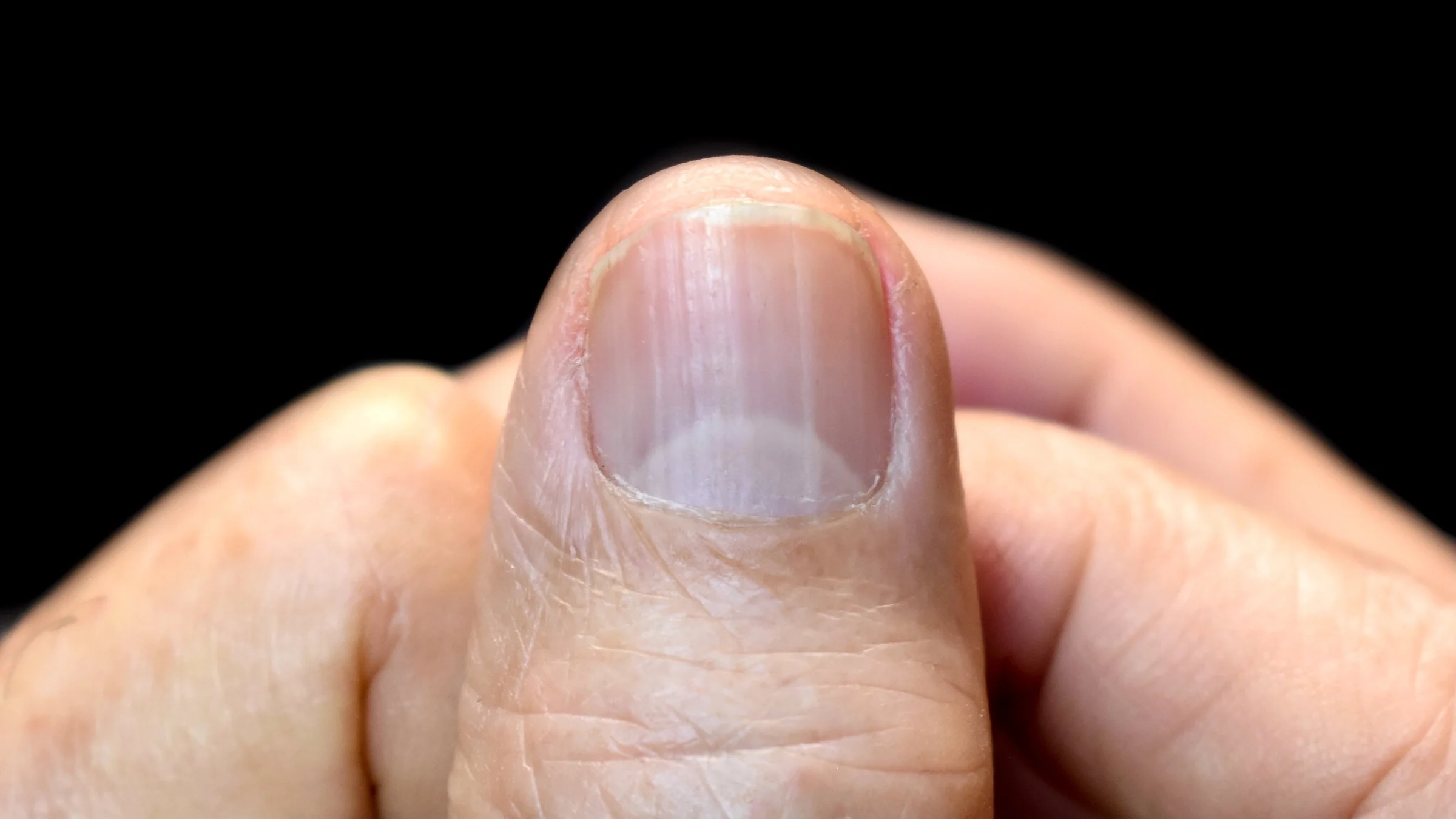
A lunula is the white, half-moon shape at the base of your nails. Not everyone has a visible lunula.
Missing lunula can be due to genetics, age, nail thickness, or cuticle thickness.
Sometimes, missing lunulae can be related to health issues, like poor circulation or nutritional deficiencies.
Getting a manicure can feel like a moment of luxury, whether you’re going for a classic French tip or a bold design. As you admire your nails, have you ever noticed the small, white, half-moon shape at the base of each one? That’s your lunula. The lunula is the visible part of your nail matrix, the specialized tissue that creates your nails.
Lunulae (plural) are usually easier to spot on larger nails, like on your thumb.
If your lunulae seem to be missing or look different, it’s reasonable to wonder about your nail health. Here are six reasons why you may not have visible lunulae on your nails.
Search and compare options
1. Age
Your nails change as you get older. They grow more slowly and tend to become thicker and more brittle. Some people also notice that their nails take on a different color. Nails may look yellowish, gray, or dull.
These changes can make your nails less translucent, which makes it harder to see lunulae. Your lunulae are still there. But you may not be able to see them clearly or completely.
2. Cuticle length
Your cuticle is a thin layer of skin that grows at the base of your fingernails. The cuticle creates a barrier around your nail matrix, keeping it safe from dirt and germs.
There’s no “right length” when it comes to cuticles. But some people have naturally longer cuticles. A long cuticle can cover part of the lunula, making it harder to see. Rest assured, your lunula is still there.
You don’t need to trim or cut your cuticles to look for your lunula. Your nails will continue to grow regardless of whether you can see your lunula. And cutting your cuticles can lead to infections.
3. Anemia
People with anemia don’t have enough red blood cells. Many things can cause anemia. But having low iron levels is the most common cause.
Anemia makes you look more pale because you have fewer red blood cells carrying oxygen. Pallor, or loss of color, is usually more noticeable on your gums, the palms of your hands, and on the inside of your eyelids.
But anemia can make your nail beds look pale, too. When there’s less color contrast between your nail bed and the lunula, the lunula may be harder to see.
Anemia can also cause white spots on your nails, and make your nails brittle and prone to splitting.
4. Red lunulae
Red lunula have been reported with several health conditions, including psoriasis, rheumatoid arthritis, dermatomyositis, heart failure, and liver cirrhosis. Red lunula is rare and doesn’t mean you have any of these conditions. If you’re concerned about other symptoms, it’s best to visit a healthcare professional.
5. Chronic kidney disease
Chronic kidney disease (CKD) can cause several types of nail changes, including lunulae that are hard to see. Some people develop “half-and-half nails” (also called Lindsay’s nails). This is where the half of the nail closest to the fingertip looks more reddish-brown and the half closest to the cuticle looks white. This color change can make the usual white half-moon difficult to see.
6. Liver disease
Liver disease, especially cirrhosis (liver scarring), can also cause nail color changes. People with certain health conditions, particularly advanced liver disease, can develop Terry’s nails. This is when most of the nail bed looks white or pale, with a narrow pink or brown band near the tip. These changes can make the lunula hard to see.
When should you seek medical care for absent lunulae?
Changes in your lunulae don’t always mean something’s wrong. But sometimes these changes deserve medical attention. You should get care if you have new nail changes along with any other symptoms, even subtle ones like:
Weight changes
Tiredness (fatigue)
Skin changes
You should also contact your medical team if you have new or worsening nail changes and a history of any chronic medical conditions. Nail changes could be your body’s way of letting you know that you need a change in your plan of care.
Frequently asked questions
You have a lunula (half-moon) on all of your nails. But you may not have visible half-moons on all of your nails. That doesn’t mean something is wrong. Lunulae may be most visible on larger nails and harder to spot on smaller ones.
Iron deficiency can sometimes make nails look pale or cause them to become thin or brittle. Low iron can also lead to spoon-shaped nails with a dip in the center. If you notice these changes, especially along with feeling tired or weak, it’s worth scheduling an appointment with a healthcare professional.
The bottom line
A lunula is the half-moon white area at the base of your nails. These can be hard to see, especially on smaller nails. Not being able to see a lunula isn’t usually a cause for concern by itself. But check in with a healthcare professional if you have other symptoms, like tiredness and hair loss, and notice a new change in the color, texture, or strength of several nails.

Why trust our experts?



References
Abdullah, L., et al. (2011). Common nail changes and disorders in older people. Canadian Family Physician.
Daadaa, N., et al. (2020). Absent lunula: An overlooked finding in chronic kidney disease. Clinical Case Reports.
Karim, C. J., et al. (2026). Red lunula: A reflection of systemic disease. The American Journal of the Medical Sciences.
Martínez Jiménez, S. (2024). Cutaneous manifestations of liver disease: A narrative review. Cureus.
Matsuura, H., et al. (2017). Lindsay’s nail. QJM: An International Journal of Medicine.
University of Utah Health. (2024). The danger of cutting your cuticles.