






Drug Rashes: 7 Medications That Can Cause Skin Reactions
Drug rashes are skin reactions that can occur in response to antibiotics and other medications. Learn which meds may cause a rash and how to spot the symptoms.
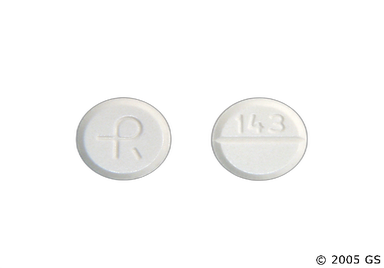
Carbamazepine (Tegretol) is an antiseizure medication used to treat different kinds of seizures. It can also help with trigeminal neuralgia, a type of facial nerve pain. Brand name Equetro is the only formulation that's approved to treat bipolar I disorder. Carbamazepine (Tegretol) available as pills and a liquid. Depending on formulation you take and what medical condition you have, carbamazepine (Tegretol) is taken by mouth 1 to 4 times per day. Common side effects include sleepiness, dizziness, and stomach upset.

Carbamazepine (Tegretol) is an antiepileptic known as a sodium channel blocker. It's thought to work by blocking the activity of certain nerves in your brain.
| Common Brands | Tegretol, Tegretol XR, Carbatrol, Epitol, Equetro |
|---|---|
| Drug Class | Antiepileptic |
| Controlled Substance Classification | Not a controlled medication |
| Generic Status | Lower-cost generic available |
| Availability | Prescription only |

The following side effects may get better over time as your body gets used to the medication. Let your healthcare provider know immediately if you continue to experience these symptoms or if they worsen over time.
Please note: Side effects listed here were reported by people taking Equetro (carbamazepine) for bipolar I disorder in clinical studies. The side effects you experience from other brands or forms of carbamazepine might differ.
Contact your healthcare provider immediately if you experience any of the following.
Along with its needed effects, a medicine may cause some unwanted effects. Although not all of these side effects may occur, if they do occur they may need medical attention.
Check with your doctor immediately if any of the following side effects occur:
More common
Blurred vision or double vision
continuous back-and-forth eye movements
Less common
Actions that are out of control
behavioral changes (especially in children)
confusion, agitation, or hostility (especially in the elderly)
diarrhea (severe)
discouragement
fear
feeling of unreality
feeling sad or empty
headache (continuing)
increase in seizures
irritability
lack of appetite
loss of balance control
loss of interest or pleasure
muscle trembling, jerking, or stiffness
nausea (severe)
other problems with muscle control or coordination
sense of detachment from self or body
shakiness and unsteady walk
shuffling walk
stiffness of the arm or leg
sudden, wide mood swings
talking, feeling, and acting with excitement
thoughts or attempts of killing oneself
tiredness
trouble concentrating
trouble sleeping
twisting movements of the body
uncontrolled movements, especially of the face, neck, and back
unusual drowsiness
vomiting (severe)
Rare
Black, tarry stools
blood in the urine or stools
bone or joint pain
darkening of the urine
difficulty with speaking or slurred speech
fainting
hoarseness
irregular, pounding, or unusually slow heartbeat
lower back or side pain
mental depression with restlessness and nervousness or other mood or mental changes
muscle or stomach cramps
nosebleeds or other unusual bleeding or bruising
numbness, tingling, pain, or weakness in the hands and feet
pain, tenderness, swelling, or bluish color in the leg or foot
painful or difficult urination
pale stools
pinpoint red spots on the skin
rapid weight gain
rigidity
ringing, buzzing, or other unexplained sounds in the ears
sores, ulcers, or white spots on the lips or in the mouth
swelling of the face, hands, feet, or lower legs
swollen or painful glands
sudden decrease in the amount of urine
tightness in the chest
trembling
troubled breathing
uncontrolled body movements
unusual tiredness or weakness
visual hallucinations (seeing things that are not there)
yellow eyes or skin
Incidence not known
Blistering, peeling, or loosening of the skin
decreased urine output
dilated neck veins
extreme tiredness or weakness
general feeling of discomfort or illness
irregular breathing
irregular heartbeat
joint or muscle pain
red skin lesions, often with a purple center
red, irritated eyes
swelling of the face, fingers, feet, or lower legs
thickening of bronchial secretions
unusual bleeding or bruising
Some side effects may occur that usually do not need medical attention. These side effects may go away during treatment as your body adjusts to the medicine. Also, your health care professional may be able to tell you about ways to prevent or reduce some of these side effects. Check with your health care professional if any of the following side effects continue or are bothersome or if you have any questions about them:
Incidence not known
Accidental injury
aching joints or muscles
back pain
belching
dryness of the mouth
headache
increased sensitivity of the skin to sunlight (skin rash, itching, redness or other discoloration of the skin, or severe sunburn)
increased sweating
indigestion
irritation or soreness of the tongue or mouth
lack or loss of strength
loss of hair
loss of memory
problems with memory
sexual problems in males
sleepiness
stomach pain, upset, or discomfort
Other side effects not listed may also occur in some patients. If you notice any other effects, check with your healthcare professional.
Call your doctor for medical advice about side effects. You may report side effects to the FDA at 1-800-FDA-1088.



More tips for the oral suspension (liquid) only:

Carbamazepine (Tegretol) can cause some serious health issues. This risk may be even higher for certain groups. If this worries you, talk to your doctor or pharmacist about other options.
 Carbamazepine (Tegretol) can cause serious and life-threatening skin reactions called Stevens-Johnson syndrome (SJS) or toxic epidermal necrolysis (TEN), especially in Asian people. Most people experienced these reactions within the first few months of starting carbamazepine (Tegretol). If you notice changes in your skin (e.g., sore throat, fever, fatigue, rash, painful blisters, skin reddening, skin peeling) or experience swelling in your face or trouble breathing, stop using carbamazepine (Tegretol) and get medical attention right away.
Although rare, carbamazepine (Tegretol) can lower your blood cell counts. Your provider will likely measure your complete blood count (CBC) before and during treatment to make sure your blood cell counts don't get too low. Contact your provider if you have any symptoms of low blood cell counts (e.g., fever, shortness of breath, chills weakness, unusual bruising or bleeding, and blood in urine, stools, or gums) to your provider right away.
Severe allergic reactions to carbamazepine (Tegretol) are possible, including life-threatening reactions like facial swelling and anaphylaxis (e.g., closing of the throat). Carbamazepine (Tegretol) can also cause drug reaction with eosinophilia and systemic symptoms (DRESS), which is characterized by fever, rash, and swollen lymph nodes.
Carbamazepine (Tegretol) raises our risk of having thoughts of suicide or harming yourself. This risk can appear as early as 1 week after you start taking carbamazepine (Tegretol). If you or anyone around you notices that you have suicidal thoughts or unusual behavior (e.g., anxiety, panic attacks, difficulty sleeping, feeling angry or irritated, restlessness) while taking carbamazepine (Tegretol), get medical help right away.
Carbamazepine (Tegretol) isn't recommended for pregnant females because there's a risk it can cause severe harm (e.g., developmental problems, seizures) to unborn babies. Make sure to tell your provider if you're pregnant or thinking of becoming pregnant soon before starting carbamazepine (Tegretol). They can talk with you about safer options.
As with many other seizure medications, stopping carbamazepine (Tegretol) too suddenly can raise the risk of seizures. Don't stop taking carbamazepine (Tegretol) without first talking with your provider. If you need to stop this medication, your provider will help you do so slowly over time to minimize the risk for seizures.
Because carbamazepine (Tegretol) affects how your brain works, some people have experience side effects such as difficulty concentrating, speech or language problems, and problems with coordination. Additionally, carbamazepine (Tegretol) can cause extreme dizziness and sleepiness, which can lower your ability to think, react, and focus. Your risk might be higher if you're taking other medications that can cause you to feel sleepy or dizzy (e.g., benzodiazepines, muscle relaxants, sleep medications). Make sure you know how this medication affects you before driving a car or doing activities that require your concentration. Talk to your healthcare provider right away if you feel too sleepy from taking carbamazepine (Tegretol).
carbamazepine (Tegretol) can cause liver problems. This is usually mild, but can lead to dangerous liver damage in some rare cases. Your provider will check your liver tests before you start this medication and regularly afterwards to make sure it doesn't become a serious problem. If you notice severe nausea, vomiting, right-sided stomach pain, fatigue, low or no appetite, or yellowing of the skin or eyes, get medical help right away.
Carbamazepine (Tegretol) can cause low sodium levels in the blood. This is more likely to happen if you're over 65 years old or also take diuretic medications ("water pills"). If your sodium goes too low, it can be dangerous and lead to comas or even death. Let your provider know if you notice severe headaches, trouble concentrating, forgetfulness, confusion, weakness, and unsteadiness at any point while taking this medication. Seek immediate medical help if you experience more serious symptoms, such as hallucinations, more seizures than usual, or fainting.
Although rare, carbamazepine (Tegretol) can lead to or worsen glaucoma. You might need to see your optometrist regularly and get eye exams to check your eyes and make sure your vision isn't worsening. Contact your provider if you notice changes in your vision after starting carbamazepine (Tegretol).
Although rare, carbamazepine (Tegretol) can cause or worsen heart block, which is when your heart beat is slowed down. Contact your provider if you notice symptoms, such as dizziness, chest pain, chest palpitations, or fatigue.


Although certain medicines should not be used together at all, in other cases two different medicines may be used together even if an interaction might occur. In these cases, your doctor may want to change the dose, or other precautions may be necessary. When you are taking this medicine, it is especially important that your healthcare professional know if you are taking any of the medicines listed below. The following interactions have been selected on the basis of their potential significance and are not necessarily all-inclusive.
Using this medicine with any of the following medicines is not recommended. Your doctor may decide not to treat you with this medication or change some of the other medicines you take.
Using this medicine with any of the following medicines is usually not recommended, but may be required in some cases. If both medicines are prescribed together, your doctor may change the dose or how often you use one or both of the medicines.
Using this medicine with any of the following medicines may cause an increased risk of certain side effects, but using both drugs may be the best treatment for you. If both medicines are prescribed together, your doctor may change the dose or how often you use one or both of the medicines.


Contraindications are specific health conditions or situations in which a person should not take a medication due to safety concerns. If you have any of the following conditions or if any of the following apply to you, let your healthcare provider know because Carbamazepine (Tegretol) will not be safe for you to take.













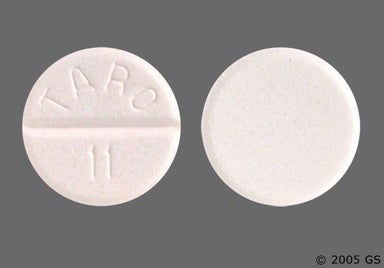
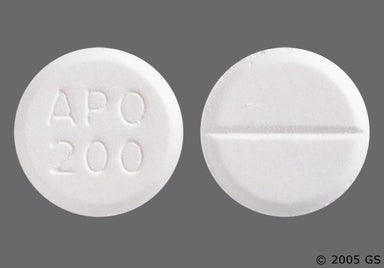
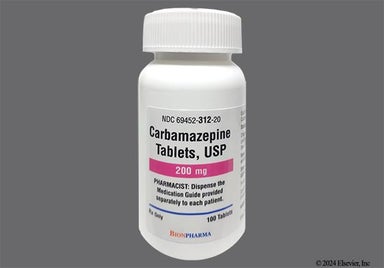
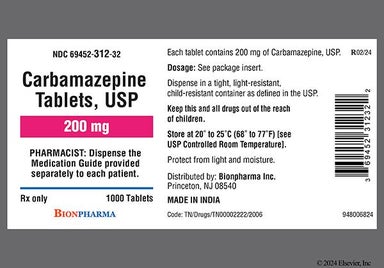
Prescription savings
Stop paying too much for your prescriptions. Compare prices, get pharmacy coupons, and save up to 80%.Resources
About GoodRx
 Find expert answers to your health questions so you can make the best decisions for yourself and your family.
Health conditions
Medications & treatment
Access & affordability
Well-being
Medication discounts

Like many other antiseizure medications, Carbamazepine can cause weight gain. But this isn't a common side effect of Carbamazepine. If you're concerned about weight gain, bring it up with your provider. They can talk with you about how to manage your weight with healthy eating and regular exercise. They can also discuss with you other medication options for your condition that might have less of a risk for weight gain.
No, Carbamazepine is an antiepileptic that's a sodium channel blocker. Benzodiazepines are another class of medications also used to treat seizures, but they work in different parts of the brain than Carbamazepine.
The extended-release (ER) forms of carbamazepine (e.g., Tegretol XR, Carbatrol, and generic capsule) shouldn't be crushed, chewed, or broken because they have a special coating that helps the medication release slowly over a long period of time. Crushing the ER pills could damage the coating and cause your blood levels of carbamazepine to quickly rise, which can lead to severe side effects. If you've trouble swallowing, your provider can discuss with you several options, such as Carbamazepine chewable tablets or liquid oral solutions. In addition, Carbamazepine capsules can be opened up and the contents sprinkled over a small amount of soft food (e.g., a teaspoon of applesauce).
Carbamazepine is FDA-approved for trigeminal neuralgia, a type of nerve pain in the face.Carbamazepine isn't FDA-approved for other types of nerve pain (e.g., diabetic nerve pain). There are some studies that looked at how well Carbamazepine might work for other types of nerve pain, but more research is needed in this area. If you have nerve pain, ask your provider what treatments might be appropriate for you.
Yes, Carbamazepine can cause erectile dysfunction, among other sexual problems, such as inability to achieve orgasm and low sex drive. This can happen because Carbamazepine, as well as other antiseizure medications, can affect the levels of sex hormones to Carbamazepine. If you're concerned with your sexual health while taking Carbamazepine, talk to your provider. If appropriate, they might be able to recommend natural remedies (e.g., getting regular sleep and exercise), prescribe treatments to help with erectile dysfunction, or switch you to a different medication for your condition.
No, don't take Carbamazepine if you're pregnant because it can cause harm to your unborn baby (e.g., developmental problems or experience seizures at or around birth). If you're pregnant or thinking of becoming pregnant, ask your provider about safer options that can replace Carbamazepine.
Ask your provider about the benefits and risks of breastfeeding while taking Carbamazepine. This medication is found in breastmilk. Reports show that most breastfed babies exposed to Carbamazepine didn't have side effects. But a few babies experienced some problems, like vomiting or poor weight gain. If your provider says it's okay for you to breastfeed while taking Carbamazepine, monitor your baby and contact your provider if you notice sleepiness, weight gain, or development milestone issues.
