Key takeaways:
Various notable medications and vaccines were FDA approved in 2025. They represent major advancements compared to other available treatment options.
Journavx (suzetrigine), Blujepa (gepotidacin), and oral Wegovy (semaglutide) are three of the many innovative medications that gained new approvals in 2025. They’re slated to make a big impact for those who need them. They’re approved for moderate-to-severe pain, uncomplicated urinary tract infections (UTIs) and gonorrhea, and weight loss, respectively.
Our list isn’t exhaustive, and many more notable medications will continue to be approved in 2026 and beyond. Keep an eye out for the latest updates.
Save on related medications
The FDA approves hundreds of medications every year. Some of them are innovative medications that are the first of their kind. Others are medications that follow in the footsteps of a larger family of drugs. Many more are new generics or biosimilars that aim to offer additional savings opportunities.
Every new medication deserves its time in the spotlight. But due to the nature of a medication’s expected impact, some new FDA approvals represent especially meaningful steps forward.
Here, we’ll review some of the most influential drug and vaccine approvals of 2025, all selected by GoodRx Health pharmacists. But keep in mind this isn’t an exhaustive list.
Disclaimer: While creating this list, we prioritized first-in-class medications and vaccines that are expected to have a significant impact on human health. This was defined as either the number of lives touched or the expected degree of impact for future medication recipients. We also prioritized medications with effectiveness or safety data that represent a notable advantage over other medications recommended by clinical treatment guidelines or mainstay medical organizations.
Summary of 2025 approvals
There were many FDA drug approvals in 2025. Here’s a rundown of 20 highlights.
Medication | New or additional use(s) | FDA approval date |
|---|---|---|
Nereus (tradipitant) | New medication: Motion sickness prevention | December 30, 2025 |
Wegovy pill (semaglutide) | New medication: Weight loss and cardiovascular risk reduction | December 22, 2025 |
Exdensur (depemokimab-ulaa) | New medication: Severe asthma | December 16, 2025 |
Cardamyst (etripamil) | New medication: Paroxysmal supraventricular tachycardia (PSVT) | December 12, 2025 |
Lynkuet (elinzanetant) | New medication: Menopause symptoms | October 24, 2025 |
Rybelsus (semaglutide) | Additional use: Cardiovascular risk reduction | October 17, 2025 |
Keytruda Qlex (pembrolizumab / berahyaluronidase alfa-pmph) | New medication: Solid tumors (multiple) | September 19, 2025 |
Enbumyst (bumetanide) | New medication: Edema associated with heart failure, liver dysfunction, or kidney disease | September 15, 2025 |
Wegovy injection (semaglutide) | Additional use: Metabolic dysfunction-associated steatohepatitis (MASH) with liver scarring | August 15, 2025 |
Ekterly (sebetralstat) | New medication: Sudden hereditary angioedema attacks | July 3, 2025 |
Yeztugo (lenacapavir) | New medication: HIV pre-exposure prophylaxis (PrEP) | June 18, 2025 |
Enflonsia (clesrovimab-cfor) | New medication: Respiratory syncytial virus (RSV) prevention | June 9, 2025 |
Tryptyr (acoltremon) | New medication: Dry eye disease | May 28, 2025 |
Nucala (mepolizumab) | Additional use: Chronic obstructive pulmonary disease (COPD) | May 22, 2025 |
Nuvaxovid | New vaccine: COVID-19 | May 19, 2025 |
Dupixent (dupilumab) | Additional use: Bullous pemphigoid (BP) Additional use: Chronic spontaneous urticaria (CSU) | June 20, 2025 April 18, 2025 |
Blujepa (geptidacin) | Additional use: Gonorrhea New medication: Urinary tract infections (UTIs) | December 11, 2025 March 25, 2025 |
Miudella (copper IUD) | New medication: Contraception | February 25, 2025 |
Journavx (suzetrigine) | New medication: Moderate-to-severe pain | January 30, 2025 |
Ozempic (semaglutide) | Additional use: Chronic kidney disease (CKD) | January 28, 2025 |
Let’s review each of these medications and vaccines in more detail.
1. Nereus
What is it: Nereus (tradipitant) is an oral capsule for adults that’s FDA approved to help prevent vomiting caused by motion sickness. It works by blocking a specific signal in the brain that plays a role in triggering nausea and vomiting during movement, such as car, boat, or air travel.
FDA approval date: December 30, 2025
How it’s used: Nereus is taken as a single oral capsule. It’s usually taken about 1 hour before an activity that causes motion sickness. You should take it on an empty stomach, and don't take more than 1 dose in a 24-hour period.
Why Nereus’ approval matters
Motion sickness is common and can quickly turn travel into an uncomfortable experience. While several over-the-counter options are available, many — such as antihistamines — can cause drowsiness, dry mouth, or other side effects. And for some people, these treatments don’t work well enough.
Nereus offers a new option with a different approach. It works directly on a brain pathway involved in vomiting. In clinical trials, people who took Nereus were significantly less likely to vomit from motion sickness compared with those who took a placebo.
Its approval is especially notable because it’s the first new prescription medication for motion sickness in decades. For people who frequently travel or who haven’t found relief with existing treatments, Nereus provides a targeted alternative designed specifically to prevent motion-related nausea before it starts.
Separately, researchers are also studying whether Nereus can help prevent nausea and vomiting from glucagon-like peptide-1 (GLP-1) receptor agonist medications.
2. Wegovy pill
What is it: The Wegovy (semaglutide) pill is an oral tablet that’s approved for long-term weight management in adults with obesity, or those who are overweight and have at least one weight-related health condition. It can also lower the risk of serious cardiovascular problems in certain adults.
FDA approval date: December 22, 2025
How it’s used: Wegovy tablets contain the same active ingredient as injectable Wegovy — semaglutide — but they’re taken by mouth instead of a weekly shot. You should take a tablet once daily on an empty stomach with a small amount of water.
Why oral Wegovy’s approval matters
GLP-1 receptor agonist medications have become a popular and effective option for weight loss, among other uses. But many of the most effective treatments — including injectable Wegovy — require routine injections. For some people, that can feel uncomfortable, inconvenient, or like a hurdle to getting started.
The Wegovy pill changes that. It’s the first GLP-1 medication for weight loss that comes as a pill. In clinical trials, higher doses of oral semaglutide led to meaningful weight loss compared with placebo, with results close to what’s been seen with injectable semaglutide. Like Wegovy injections, the Wegovy pill has also been shown to lower the risk of serious heart-related events in certain adults, giving people another reason to consider this injection-free option.
3. Exdensur
What is it: Exdensur (depemokimab-ulaa) is a biologic add-on treatment for adults and adolescents (ages 12 years and older) living with severe eosinophilic asthma. It works by reducing a specific form of inflammation to help lower the risk of frequent and severe asthma attacks.
FDA approval date: December 16, 2025
How it’s used: Exdensur is given as an under-the-skin injection by a healthcare professional just twice a year. It’s used in addition to standard asthma treatments, such as inhalers.
Why Exdensur’s approval matters
For people with severe eosinophilic asthma, symptoms can remain difficult to manage — even with combination inhalers and other add-on treatments. Frequent asthma attacks may lead to missed school or work, ER visits, or hospital stays.
Exdensur brings a new level of convenience to asthma treatment. It’s the first ultra-long-acting biologic for asthma and only needs to be given twice a year. Other options are injected every 2 to 8 weeks, depending on the medication.
4. Cardamyst
What is it: Cardamyst (etripamil) is a prescription nasal spray for adults that’s approved to treat episodes of paroxysmal supraventricular tachycardia (PSVT). PSVT is a type of abnormal heart rhythm that causes sudden bursts of very fast heartbeats.
FDA approval date: December 12, 2025
How it’s used: Cardamyst is designed to be used as needed. You can administer it into the nose at the start of a PSVT episode.
Why Cardamyst’s approval matters
PSVT episodes can be frightening and disruptive. They often start without warning and may last anywhere from a few minutes to several hours. For many people, this has meant repeated trips to the ER for IV medications or other urgent treatments. These experiences can be stressful, time-consuming, and costly.
Cardamyst offers a different approach. As a fast-acting calcium channel blocker delivered through a nasal spray, it gives people a way to treat PSVT episodes at home. In clinical studies, many participants were able to return to a normal heart rhythm within 30 minutes after using Cardamyst.
5. Lynkuet
What is it: Lynkuet (elinzanetant) is a nonhormonal oral medication approved to treat moderate-to-severe vasomotor symptoms (VMS) of menopause, namely hot flashes and night sweats.
FDA approval date: October 24, 2025
How it’s used: Lynkuet is an oral capsule that’s taken once daily at bedtime. It’s designed for ongoing use to treat bothersome hot flashes or night sweats during menopause. It may be a good option for those who prefer to avoid hormone therapy or can’t use it for medical reasons.
Why Lynkuet’s approval matters
Hot flashes and night sweats aren’t just uncomfortable. They can interfere with sleep, work, and overall quality of life. While hormone therapy is an effective option for many people, it isn’t appropriate or appealing for everyone. Until recently, nonhormonal treatment choices were limited.
Lynkuet adds another nonhormonal option alongside a similar medication called Veozah (fezolinetant). Both treatments work by blocking neurokinin (NK) receptors involved in body temperature control. But Lynkuet blocks two pathways (NK1 and NK3), while Veozah blocks just one. Early evidence suggests this dual effect may lead to greater relief from hot flashes and night sweats for some people, and it may also help improve sleep.
6. Rybelsus
What is it: Rybelsus (oral semaglutide) is a once-daily pill. It was originally approved to treat adults living with Type 2 diabetes. But it now has an important added benefit: lowering the risk of serious heart-related health events. This includes heart attack, stroke, or death from cardiovascular causes in adults with Type 2 diabetes who already have heart disease or are at high risk for it.
FDA approval date: October 17, 2025
How it’s used: Rybelsus is taken by mouth once a day on an empty stomach, with a small sip of water. It should be taken at least 30 minutes before eating, drinking anything else, or taking other oral medications. Treatment usually starts at a low dose, which is slowly increased over time.
Why Rybelsus’ approval matters
Living with Type 2 diabetes often means worrying about more than just blood glucose (blood sugar). People with diabetes have a higher risk of experiencing heart problems.
Until recently, many medications shown to protect the heart were only available as injections. That can be a real barrier to treatment for some people. Rybelsus offers another option to Ozempic. As an oral GLP-1 medication with proven cardiovascular benefits, it gives people who prefer not to use injections a way to support both their blood sugar management and heart health.
7. Keytruda Qlex
What is it: Keytruda Qlex is an immune checkpoint inhibitor that comes as a subcutaneous (under-the-skin) injection. It combines Keytruda (pembrolizumab), an immunotherapy that’s widely used to treat several types of cancer, with berahyaluronidase alfa, an ingredient that helps the medicine spread more easily throughout the body.
FDA approval date: September 19, 2025
How it’s used: Keytruda Qlex is given by a healthcare professional as a quick injection under the skin every 3 or 6 weeks. It generally treats the same solid tumors as intravenous (IV) Keytruda in adults and kids ages 12 years and older.
Why Keytruda Qlex’s approval matters
Convenience is Keytruda Qlex’s main benefit. Instead of sitting through a traditional Keytruda infusion that can take 30 minutes or more, you can now get the same medicine as a quick shot under the skin in just 1 to 2 minutes. It’s been shown to work just as well and be just as safe as the IV version. This new option may help you spend less time at the clinic.
8. Enbumyst
What is it: Enbumyst (bumetanide) is the first FDA-approved diuretic nasal spray. It’s approved to treat edema (fluid buildup) associated with congestive heart failure, liver dysfunction, or kidney disease in adults.
FDA approval date: September 15, 2025
How it’s used: Enbumyst is a nasal spray you can give yourself to help manage edema. You can administer it once a day for a short period of time. It’s meant to be replaced with oral diuretics (water pills) once your swelling has gone down.
Why Enbumyst’s approval matters
Edema is a common problem among people living with heart failure, liver dysfunction, or kidney disease. Diuretics can help, but they’re usually taken by mouth or given through an IV. This can delay relief since pills take time to absorb and IV treatments require a clinic visit.
Enbumyst helps offer faster, more convenient relief — even at home. It delivers the medicine through the nasal passages so it enters the bloodstream more quickly than oral diuretics. In clinical trials, it worked just as well as IV bumetanide and was absorbed more reliably than oral tablets.
9. Wegovy injection
What is it: Wegovy (semaglutide) is an injectable medication with many uses. It’s now approved for a liver condition called metabolic dysfunction-associated steatohepatitis (MASH). Wegovy had already been approved for weight loss and lowering the risk of serious cardiovascular problems for those with a larger body size and heart disease.
FDA approval date: August 15, 2025
How it’s used: Wegovy injection is administered as a once-weekly under-the-skin shot. It works best when paired with routine exercise and a nutritious diet.
Why Wegovy’s approval matters
Wegovy injection is the first GLP-1 receptor agonist approved to treat MASH with liver scarring. MASH is a liver condition associated with fat buildup in liver cells, which leads to inflammation and scarring. This can result in cirrhosis, liver failure, and other related issues if left untreated.
In a large study, more people experienced reduced liver inflammation and improved scarring with Wegovy than those taking placebo. Wegovy also supports weight loss and better blood sugar management, helping tackle the root cause of MASH and the harm that stems from it.
10. Ekterly
What is it: Ekterly (sebetralstat) is the first pill approved to treat hereditary angioedema (HAE) attacks. Meant for people ages 12 and older, this new option works by blocking plasma kallikrein, which helps prevent swelling from worsening.
FDA approval date: July 3, 2025
How it’s used: You’ll take 1 to 2 tablets (300 mg or 600 mg) by mouth as soon as you notice an HAE attack starting. If your symptoms don’t improve, you can take another dose 3 hours later.
Why Ekterly’s approval matters
Ekterly is a notable step forward for people living with HAE. It’s the first treatment for sudden attacks that comes as a pill (instead of an injection or IV infusion). You can take it wherever you are as soon as symptoms start to help relieve swelling and make attacks easier to manage.
11. Yeztugo
What is it: Yeztugo is a long-acting injectable medication for HIV prevention, better known as PrEP. Yeztugo is an option for adults and adolescents who are at risk of acquiring HIV and weigh at least 77 lbs (35 kg).
FDA approval date: June 18, 2025
How it’s used: Yeztugo is given as a subcutaneous (under-the-skin) injection every 6 months by a healthcare professional. You’ll also take oral Yeztugo tablets for the first 2 days of using the medication; these oral doses help your body build up an ideal amount of lenacapavir.
Why Yeztugo’s approval matters
Yeztugo marks a major advancement in HIV prevention by removing the burden of daily pill-taking. Some experts call it “the closest thing to a vaccine” in HIV prevention, and researchers believe it could significantly boost PrEP uptake among people who are at risk for HIV.
Before Yeztugo’s approval, the longest-acting PrEP option was Apretude (cabotegravir), an injectable medication given every 2 months.
Good to know: If you’re familiar with HIV medications, you may notice that Yeztugo shares an active ingredient with a different medication, Sunlenca (lenacapavir). The main difference between Sunlenca and Yeztugo is their intended use. Sunlenca is approved to treat HIV in adults with multidrug-resistant HIV; Yeztugo is approved specifically for PrEP.
12. Enflonsia
What is it: Enflonsia is a biologic medication that helps prevent respiratory syncytial virus (RSV) lower respiratory tract disease in newborns and infants.
FDA approval date: June 9, 2025
How it’s used: Enflonsia is given as a one-time injection into the muscle by a healthcare professional. It’s meant to be administered during or before a child’s first RSV season.
Why Enflonsia’s approval matters
RSV is the leading cause of hospitalizations of infants, particularly during their first RSV season. Beyfortus (nirsevimab-alip) is already available as a long-acting medication to prevent severe RSV in this group. But Enflonsia is now another option for prevention.
Like Beyfortus, Enflonsia is a monoclonal antibody — a lab-made antibody designed to bind to RSV and prevent it from entering and infecting cells. The dosage, though, is not based on body weight, which is different from Beyfortus.
During clinical trials, Enflonsia was shown to lower the risk of RSV disease that required medical care and hospitalization for infants. It’s now an additional tool for RSV prevention in this vulnerable population.
13. Tryptyr
What is it: Tryptyr is a prescription eye drop that treats the symptoms of dry eye disease.
FDA approval date: May 28, 2025
How it’s used: You can place one drop in each eye, twice a day. Tryptyr boosts your eyes’ natural ability to produce tears, helping them stay hydrated and comfortable.
Why Tryptyr’s approval matters
Dry eye affects millions of people in the U.S., but many aren't satisfied with existing treatments. Tryptyr works differently by quickly increasing tear production, often providing relief within just 1 or 2 days. It’s a worthwhile advancement, especially if you've tried other eye drops that haven’t helped.
Tryptyr belongs to a new class of eye drops called TRPM8 receptor agonists.
14. Nucala
What is it: Nucala is a biologic medication that’s now approved for adults with chronic obstructive pulmonary disease (COPD) marked by high eosinophil counts. It was already approved for conditions such as eosinophilic asthma, chronic rhinosinusitis with nasal polyps, and eosinophilic granulomatosis with polyangiitis.
FDA approval date: May 22, 2025
How it’s used: Nucala is given as a once-monthly, under-the-skin injection. After you’re trained on how to use Nucala, you can inject your doses at home.
Why Nucala’s approval matters
COPD is a progressive lung condition that makes breathing difficult. For some people, inflammation caused by high levels of eosinophils (a type of white blood cell) can contribute to worsening symptoms and flare-ups. Nucala is a new treatment option for this specific type of COPD. In clinical studies, Nucala significantly reduced moderate or severe COPD flare-ups in this group.
Nucala is now the second biologic for this type of COPD and the first available as a once-monthly treatment. Dupixent, the first biologic for COPD, is injected every 2 weeks.
15. Nuvaxovid
What is it: Nuvaxovid is a protein-based COVID vaccine. It’s approved to prevent COVID in adults ages 65 years and older. It’s also approved for people ages 12 through 64 years old who have at least one underlying condition that puts them at high risk for severe COVID, such as asthma, cancer, or diabetes.
FDA approval date: May 19, 2025
How it’s used: Nuvaxovid is given as an injection into the muscle by a healthcare professional, such as a pharmacist or primary care provider. The recommended timing of doses may change based on current COVID vaccine recommendations.
Why Nuvaxovid’s approval matters
The FDA first authorized the Novavax COVID vaccine in July 2022. This allowed healthcare professionals to administer the vaccine during the public health emergency without it being fully FDA approved. And while updated versions of the Novavax COVID vaccine have been authorized since then, it’s only recently been approved for use — and for a more narrow group of people.
Nuvaxovid’s FDA approval is relevant because it provides a non-mRNA protein-based vaccine option for adults 65 and older and high-risk individuals aged 12 through 64. This fills a need for those who may prefer or require an alternative to COVID vaccines that use mRNA technology.
16. Dupixent
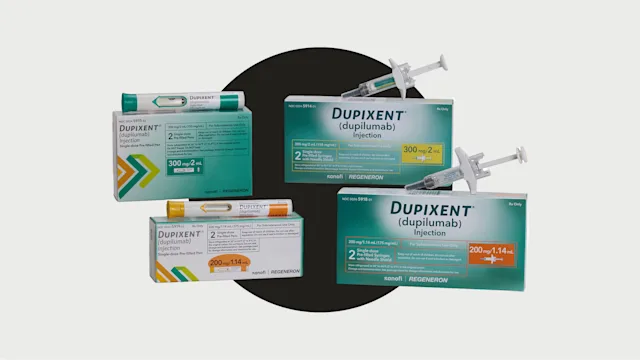
What is it: Dupixent is a biologic medication that’s now approved for two additional uses: bullous pemphigoid (BP) and chronic spontaneous urticaria (CSU). Dupixent is already approved for several other inflammatory health conditions, including eczema and COPD.
FDA approval date: June 20, 2025 (BP); April 18, 2025 (CSU)
How it’s used: Dupixent is injected under the skin every 2 to 4 weeks, depending on what you’re using it for. You can inject your doses at home after receiving training from a healthcare professional.
Why Dupixent’s approvals matter
Dupixent has gained several new uses in recent years, expanding its reach far beyond eczema. Its uses include conditions such as asthma, COPD, and now BP and CSU.
For BP — an autoimmune, blistering skin condition — Dupixent offers a targeted option for people who may not respond to traditional therapies. Traditional BP treatments usually involve oral corticosteroids or immunosuppressants, which can carry significant side effects. Dupixent provides an alternative that may be safer and more tolerable, especially since BP primarily affects older adults.
For CSU — a skin condition that causes recurring hives, swelling, and itching for 6 weeks or longer without a known trigger — Dupixent provides another biologic alternative for those who don’t get relief from antihistamines or Xolair (omalizumab). This approval helps expand treatment options for people with persistent hives who have struggled to find effective symptom relief.
17. Blujepa
What is it: Blujepa (gepotidacin) is an oral antibiotic that treats uncomplicated urinary tract infections (UTIs) in women and girls ages 12 years and older. It can also treat uncomplicated urinary and genital gonorrhea for certain people ages 12 and older (regardless of sex).
FDA approval date: December 11, 2025 (gonorrhea); March 25, 2025 (UTIs)
How it’s used: Blujepa comes as an oral tablet. For UTIs, you’ll take 2 tablets twice daily after meals for 5 days. For gonorrhea, you’ll take 2 doses total (consisting of 4 tablets per dose), each spaced apart by 12 hours.
Why Blujepa’s approval matters
Antibiotics are the standard treatment for both UTIs and gonorrhea. But growing antibiotic resistance has made these infections harder to treat over time — and new treatment options have been slow to emerge. In fact, decades passed without the approval of a new oral antibiotic class for either condition.
That changed in early 2025, when Blujepa became the first new oral antibiotic approved in decades for uncomplicated UTIs. In clinical trials, Blujepa performed as well as — and in some cases better than — nitrofurantoin (Macrobid, Macrodantin), a common first-choice antibiotic for UTIs.
Blujepa was approved for gonorrhea later in 2025, marking another notable antibiotic development. This oral option helps improve access to gonorrhea treatment and reduce the need for injectable antibiotics.
18. Miudella
What is it: Miudella is a hormone-free copper IUD (intrauterine device). It’s a new option for birth control or contraception.
FDA approval date: February 25, 2025
How it’s used: A trained healthcare professional places Miudella into the uterus during an office visit. It prevents pregnancy for up to 3 years.
Why Miudella’s approval matters
Miudella is the first new copper IUD to be approved in over 40 years, offering a reliable birth control option for those who prefer hormone-free contraception. It has a smaller, flexible design that’s easier and more comfortable to insert than older copper IUDs.
Miudella also contains less than half the copper of other copper IUDs. This can help reduce the risk of menstrual side effects.
19. Journavx
What is it: Journavx is a non-opioid medication for adults that treats acute moderate-to-severe pain.
FDA approval date: January 30, 2025
How it’s used: Journavx is an oral tablet. You should take it twice daily for the shortest amount of time that you need it (up to 14 days).
Why Journavx’s approval matters
If you have moderate-to-severe pain, you may be prescribed an opioid. But opioids also have serious side effects and risks to consider. And until recently, there haven’t been any breakthroughs with non-opioid options for relief.
This changed with Journavx, a first-in-class opioid alternative for pain. It’s the first new medication that works differently for pain in over 20 years. It works by blocking a specific sodium channel so pain signals don’t reach the brain.
Because of how it works, Journavx isn’t expected to cause drowsiness, dependency, or misuse like opioids.
20. Ozempic
What is it: Ozempic is a popular GLP-1 receptor agonist. It’s now approved to reduce kidney and cardiovascular risks in people with Type 2 diabetes and chronic kidney disease (CKD).
FDA approval date: January 28, 2025
How it’s used: Ozempic is a once-weekly injection that comes as an injection pen. You’ll inject a dose once a week under the skin.
Why Ozempic’s approval matters
Originally approved for Type 2 diabetes, Ozempic has a growing list of benefits and uses. Most recently, it has been shown to provide a benefit for people with Type 2 diabetes who also have CKD. This is significant because it’s estimated that 1 out of every 3 adults with diabetes also have CKD.
During clinical trials, people receiving Ozempic had a 24% lower risk of major kidney disease-related events compared to those who didn’t receive it. There was also an 18% lower risk of major cardiovascular events and a 20% lower risk of death from any cause.
Now that Ozempic is approved for people with Type 2 diabetes and CKD, this is another reason Ozempic may be considered over other diabetes treatment options.
Summary of 2024 approvals
Many medications were approved in 2024. These are 23 of the most notable approvals from the year.
Medication | New or additional use(s) | FDA approval date |
|---|---|---|
Opdivo Qvantig | New medication: Solid tumors | December 27, 2024 |
Zepbound | Additional use: Obstructive sleep apnea | December 20, 2024 |
Nemluvio | Additional use: Eczema New medication: Prurigo nodularis | December 14, 2024 August 13, 2024 |
Dupixent | Additional use: COPD | September 27, 2024 |
Cobenfy | New medication: Schizophrenia | September 26, 2024 |
FluMist | Additional use: Self- or caregiver-administration | September 20, 2024 |
Neffy | New medication: Severe allergic reactions | August 9, 2024 |
Yorvipath | New medication: Hypoparathyroidism | August 9, 2024 |
Zunveyl | New medication: Alzheimer’s disease | July 29, 2024 |
Voquezna | Additional use: Heartburn from non-erosive GERD | July 18, 2024 |
Kisunla | New medication: Alzheimer’s disease | July 2, 2024 |
Ohtuvayre | New medication: COPD | June 26, 2024 |
Wakix | Additional use: Pediatric narcolepsy | June 24, 2024 |
Capvaxive | New vaccine: Pneumococcal disease | June 17, 2024 |
mRESVIA | New vaccine: RSV | May 31, 2024 |
Winrevair | New medication: Pulmonary arterial hypertension | March 26, 2024 |
Nexletol | Additional use: High cholesterol | March 22, 2024 |
Tryvio | New medication: High blood pressure | March 20, 2024 |
Rezdiffra | New medication: Metabolic dysfunction-associated steatohepatitis (MASH) | March 14, 2024 |
Wegovy | Additional use: Cardiovascular risk reduction | March 8, 2024 |
Xolair | Additional use: Food allergies | February 16, 2024 |
Amtagvi | New medication: Advanced melanoma | February 16, 2024 |
Dupixent | Additional use: Eosinophilic esophagitis | January 25, 2024 |
References
Alcon. (2025). Alcon announces FDA approval of TRYPTYR (acoltremon ophthalmic solution) 0.003% for the treatment of the signs and symptoms of dry eye disease. Business Wire.
Alcon Laboratories. (2025). Tryptyr- acoltremon solution [package insert].
American Lung Association. (2024). RSV is the leading cause of hospitalization in babies; How to protect your baby this winter.
Baigrie, D., et al. (2023). Bullous pemphigoid. StatPearls.
Bayer HealthCare Pharmaceuticals. (2025). Bayer’s Lynkuet (elinzanetant), the first and only neurokinin 1 and neurokinin 3 receptor antagonist, receives FDA approval for moderate to severe hot flashes due to menopause.
Biospace. (2025). FDA approves MIUDELLA, the first hormone-free copper intrauterine system (IUS) in the U.S. in over 40 years, from Sebela Women’s Health Inc.
Centers for Disease Control and Prevention. (2024). Chronic kidney disease.
Centers for Disease Control and Prevention. (2025). Staying up to date with COVID-19 vaccines.
Corstasis Therapeutics. (2025). Corstasis Therapeutics announces FDA approval of Enbumyst (bumetanide nasal spray) for the treatment of edema associated with congestive heart failure, liver disease and kidney disease. Business Wire.
Corstasis Therapeutics. (2025). Enbumyst(bumetanide nasal spray) [package insert].
deLong, M. A., et al. (2023). TRPM8 agonists: A new approach to dry eye disease treatment. Investigative Ophthalmology & Visual Science.
Gilead Sciences. (2024). Sunlenca- lenacapavir sodium tablet, film coated, Sunlenca- lenacapavir sodium [package insert].
Gilead Sciences. (2025). Yeztugo (lenacapavir) is now the first and only FDA-approved HIV prevention option offering 6 months of protection. Business Wire.
Gilead Sciences. (2025). Yeztugo- lenacapavir sodium tablet, film coated, Yeztugo- lenacapavir sodium [package insert].
GSK. (2024). GSK announces positive results from phase III trial of Nucala (mepolizumab) in COPD.
GSK. (2025). Blujepa (gepotidacin) approved by US FDA as oral option for treatment of uncomplicated urogenital gonorrhea (uGC).
GSK. (2025). Exdensur (depemokimab) approved by US FDA for the treatment of severe asthma.
GSK. (2025). EXDENSUR (depemokimab-ulaa) injection, for subcutaneous use [package insert].
GSK. (2025). Nucala (mepolizumab) approved by US FDA for use in adults with chronic obstructive pulmonary disease (COPD).
GSK. (2025). NUCALA- mepolizumab injection, powder, for solution, NUCALA- mepolizumab injection, solution [package insert].
Hafeez, Y., et al. (2024). Paroxysmal supraventricular tachycardia. StatPearls.
HIV.gov. (2025). Pre-exposure prophylaxis.
KalVista Pharmaceuticals. (2025). Ekterly- sebetralstat tablet [package insert]. DailyMed.
KalVista Pharmaceuticals. (2025). Kalvista pharmaceuticals announces FDA approval of Ekterly (sebetralstat), first and only oral on-demand treatment for hereditary angioedema. Business Wire.
Lp, J. E., et al. (2024). Etripamil nasal spray for recurrent paroxysmal supraventricular tachycardia conversion. JACC.
Mast, J., et al. (2025). HIV protection with just two shots a year: FDA approves Gilead drug. STAT.
Merck. (2025). U.S. FDA approves Merck’s ENFLONSIA (clesrovimab-cfor) for prevention of respiratory syncytial virus (RSV) lower respiratory tract disease in infants born during or entering their first RSV season. Business Wire.
Merck Sharp & Dohme. (2025). Enflonsia- clesrovimab injection, solution [package insert].
Milestone Pharmaceuticals. (2025). CARDAMYST (etripamil) nasal spray [package insert].
Milestone Pharmaceuticals. (2025). Milestone receives FDA approval of CARDAMYST (etripamil) as first and only self-administered nasal spray for adults with paroxysmal supraventricular tachycardia (PSVT). Globe Newswire.
Mitchell, L. B. (2024). Paroxysmal supraventricular tachycardia (SVT, PSVT). Merck Manual.
Novavax. (2025). U.S. FDA approves BLA for Novavax's COVID-19 vaccine.
Novo Nordisk. (2025). FDA approves Novo Nordisk's oral semaglutide for cardiovascular (CV) risk reduction in adults with Type 2 diabetes who are at high risk, including those who have not had a prior CV event. PR Newswire.
Novo Nordisk. (2025). FDA approves Novo Nordisk's Wegovy pill, the first and only oral GLP-1 for weight loss in adults. PR Newswire.
Novo Nordisk. (2025). FDA approves Ozempic (semaglutide) as the only GLP-1 RA to reduce the risk of worsening kidney disease and cardiovascular death in adults with type 2 diabetes and chronic kidney disease. PR Newswire.
Novo Nordisk. (2025). Novo Nordisk presents four new analyses on oral semaglutide 25 mg (Wegovy in a pill*) at ObesityWeek 2025, including demonstrated reductions in cardiovascular risk factors. PR Newswire.
Novo Nordisk. (2025). OZEMPIC- semaglutide injection, solution [package insert].
Novo Nordisk. (2025). RYBELSUS- oral semaglutide tablet [package insert]. DailyMed.
Novo Nordisk. (2025). Wegovy approved by FDA for the treatment of adults with noncirrhotic MASH with moderate to advanced liver fibrosis. PR Newswire.
Novo Nordisk. (2025). Wegovy- semaglutide injection, solution [package insert]. DailyMed.
Perkovic, V., et al. (2024). Effects of semaglutide on chronic kidney disease in patients with Type 2 diabetes. New England Journal of Medicine.
Regeneron. (2025). Dupixent (dupilumab) approved in the U.S. as the only targeted medicine to treat patients with bullous pemphigoid (BP).
Regeneron. (2025). Dupixent (dupilumab) injection, for subcutaneous use [package insert].
Sanofi. (2025). Press release: Dupixent approved in the US as the first new targeted therapy in over a decade for chronic spontaneous urticaria.
Taylor, N. P. (2026). Vanda ends 40-year motion sickness drug drought with FDA approval for Nereus. BioSpace.
U.S. Food and Drug Administration. (2025). Drug trials snapshots: Ekterly.
U.S. Food and Drug Administration. (2025). FDA approves novel non-opioid treatment for moderate to severe acute pain.
U.S. Food and Drug Administration. (2025). FDA approves pembrolizumab and berahyaluronidase alfa-pmph for subcutaneous injection.
Vanda Pharmaceuticals. (2025). Nereus (tradipitant) capsules, for oral use [package insert].
Vanda Pharmaceuticals. (2025). Vanda Pharmaceuticals announces FDA approval of Nereus (tradipitant) for the prevention of vomiting induced by motion: A historic scientific milestone in the prevention of motion sickness. PR Newswire.
Wagenlehner, F., et al. (2024). Oral gepotidacin versus nitrofurantoin in patients with uncomplicated urinary tract infection (EAGLE-2 and EAGLE-3): two randomised, controlled, double-blind, double-dummy, phase 3, non-inferiority trials. The Lancet.

Why trust our experts?