


2025's Most Influential Drug and Vaccine Approvals — As Selected by GoodRx Pharmacists
Several new drugs and vaccines received FDA approval in 2025. Keep an eye out for the newest drugs and vaccines with GoodRx.
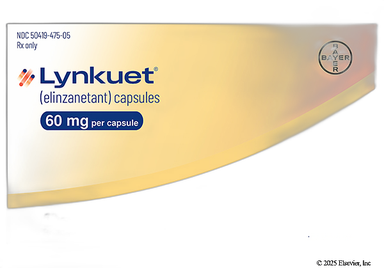
Lynkuet (elinzanetant) is used to treat menopause symptoms like hot flashes and night sweats. It's the first medication approved by the FDA in its drug class (NK1 / NK3 receptor antagonists). This medication is a capsule that you take by mouth once daily at bedtime. It's common to have headaches or feel tired and dizzy as side effects.

Lynkuet (elinzanetant) is an NK1 / NK3 receptor antagonist. It stops certain chemicals in the brain from attaching to neurokinin 1 (NK1) and neurokinin 3 (NK3) receptors. These receptors help control body temperature and play a role in causing hot flashes.
By blocking signaling from NK1 and NK3, Lynkuet (elinzanetant) can help reduce hot flashes, or the sudden feeling of getting hot and sweating.
| Common Brands | Lynkuet |
|---|---|
| Drug Class | NK1 / NK3 receptor antagonist |
| Controlled Substance Classification | Not a controlled medication |
| Generic Status | No lower-cost generic available |
| Availability | Prescription only |

The following side effects may get better over time as your body gets used to the medication. Let your healthcare provider know immediately if you continue to experience these symptoms or if they worsen over time.
Contact your healthcare provider immediately if you experience any of the following.
Side effects that you should report to your care team as soon as possible:
Side effects that usually do not require medical attention (report these to your care team if they continue or are bothersome):




Lynkuet (elinzanetant) can cause some serious health issues. This risk may be even higher for certain groups. If this worries you, talk to your doctor or pharmacist about other options.
Lynkuet (elinzanetant) can cause dizziness and drowsiness. The risk is higher if you also take other medications that make you feel dizzy or tired. Don't drive or do anything that requires you to be alert until these side effects wear off. If you need to get up during the night, stand up slowly and hold on to something until you feel stable to prevent falling.
Although it's rare, some people who took Lynkuet (elinzanetant) had higher liver enzyme levels on their blood tests. This can be a sign of liver irritation or damage.
Because of this risk, you'll need to do a blood test before you start Lynkuet (elinzanetant). This helps your prescriber check that your liver is healthy enough to start treatment. You'll need another blood test 3 months after starting to make sure it's still safe for you. If your liver enzyme levels are too high, you'll probably need to stop taking it.
Stop taking Lynkuet (elinzanetant) and get medical help right away if you have signs of liver damage. You might feel tired, itchy, nauseous, or not very hungry. Other signs are vomiting, stomach pain, yellow skin or eyes, light-colored stool, and dark urine.
Animal studies show that Lynkuet (elinzanetant) might harm an unborn baby or cause pregnancy loss. Because of this, you shouldn't take this medication if you're pregnant.
If you can get pregnant, you'll need to take a pregnancy test before starting Lynkuet (elinzanetant). Use an effective method of birth control while taking the medication and for 2 weeks after you stop. If you become pregnant, tell your prescriber right away.
In studies, one person taking Lynkuet (elinzanetant) had a seizure. Keep in mind that this person had a history of seizures.
Before starting Lynkuet (elinzanetant), tell your prescriber if you've had a seizure before. Also let them know of any other conditions that could raise your risk of seizures. They can make sure this medication is safe for you.

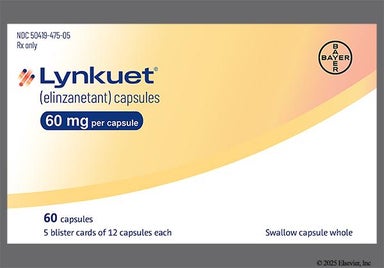
 Carton
| Dosage | Quantity | Price as low as | Price per unit |
|---|---|---|---|
| 60 capsules of 60mg | 1 carton | $25.00 | $25.00 |
The typical dose is 120 mg (two 60 mg capsules) by mouth once daily at bedtime.
Your dose might differ if you take certain medications that interact with Lynkuet (elinzanetant).


Contraindications are specific health conditions or situations in which a person should not take a medication due to safety concerns. If you have any of the following conditions or if any of the following apply to you, let your healthcare provider know because Lynkuet (elinzanetant) will not be safe for you to take.





Prescription savings
Stop paying too much for your prescriptions. Compare prices, get pharmacy coupons, and save up to 80%. Find expert answers to your health questions so you can make the best decisions for yourself and your family.
Health conditions
Medications & treatment
Access & affordability
Medication discounts


Studies show that Lynkuet can start reducing hot flashes from menopause within the first week of treatment. But it can take a couple months of daily use to feel the full effects. Keep track of your symptoms and follow up with your prescriber or primary care provider. Talk to them about how well Lynkuet is helping you.
It can. Feeling sleepy is a side effect of Lynkuet. In studies, around 5% of people said they felt drowsy from the medication. That's why it's recommended to take Lynkuet at bedtime. Don't drive or do any activities that require you to be alert until you feel more awake.
In studies, people taking Lynkuet didn't report gaining weight. Keep in mind that weight changes are common during menopause. If you're worried about your weight, talk to your primary care provider.
It takes about 9 days for Lynkuet to fully leave your system. This estimate is based on the medication's half-life, or how long it takes for half to be cleared from your body. Remember, everyone processes medications differently. So it could take a bit more or less than 9 days for you. If you have questions about how long Lynkuet stays in your system, talk to your prescriber.
If you miss your dose of Lynkuet, just skip it and take the next dose at bedtime the next day. Never take two doses on the same day to make up for the dose you missed because this can lead to more side effects.
