






Doxycycline for Acne: The Essential Guide
Doxycycline is a popular antibiotic for acne. Learn how doxycycline works for acne, as well as its side effects, cost, and alternatives to consider.

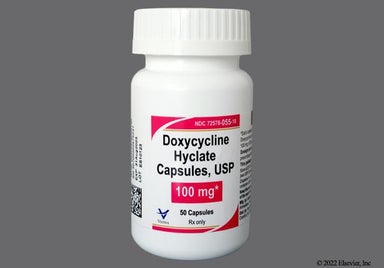
Doxycycline hyclate is an antibiotic that treats many conditions, including acne, chlamydia, sinus infection, and urinary tract infection (UTI). It's taken by mouth, typically once or twice daily. It comes as capsules, tablets, and a liquid syrup. Side effects of doxycycline hyclate include stomach upset, nausea, and vomiting.

Doxycycline hyclate is used to prevent malaria due to the parasite Plasmodium falciparum and to treat many different infections caused by bacteria. Some examples include:
Doxycycline hyclate is a tetracycline antibiotic. It prevents some bacteria and parasites from making certain proteins, which stops them from multiplying and spreading in your body.
| Common Brands | Vibramycin hyclate, Targadox, Doryx, Doryx MPC, Acticlate |
|---|---|
| Drug Class | Tetracycline antibiotic |
| Controlled Substance Classification | Not a controlled medication |
| Generic Status | Lower-cost generic available |
| Availability | Prescription only |

The following side effects may get better over time as your body gets used to the medication. Let your healthcare provider know immediately if you continue to experience these symptoms or if they worsen over time.
Contact your healthcare provider immediately if you experience any of the following.
Along with its needed effects, a medicine may cause some unwanted effects. Although not all of these side effects may occur, if they do occur they may need medical attention.
Check with your doctor immediately if any of the following side effects occur:
Incidence not known
Blistering, peeling, or loosening of the skin
chills
clay-colored stools
dark urine
decreased appetite
diarrhea, watery and severe, which may also be bloody
difficulty with swallowing
dizziness
fast heartbeat
feeling of discomfort
headache
hives, itching, puffiness or swelling of the eyelids or around the eyes, face, lips, or tongue
hives or welts, itching, or rash
increased thirst
indigestion
inflammation of the joints
joint or muscle pain
large, hive-like swelling on the face, eyelids, lips, tongue, throat, hands, legs, feet, or sex organs
loss of appetite
numbness or tingling of the face, hands, or feet
pain in the stomach, side, or abdomen, possibly radiating to the back
red skin lesions, often with a purple center
redness and soreness of the eyes
redness of the skin
sores, ulcers, or white spots in the mouth or on the lips
stomach cramps
stomach pain or tenderness
swelling of the feet or lower legs
swollen, painful, or tender lymph glands in the neck, armpit, or groin
tightness in the chest
unusual tiredness or weakness
unusual weight loss
vomiting
yellow eyes or skin
Some side effects may occur that usually do not need medical attention. These side effects may go away during treatment as your body adjusts to the medicine. Also, your health care professional may be able to tell you about ways to prevent or reduce some of these side effects. Check with your health care professional if any of the following side effects continue or are bothersome or if you have any questions about them:
Incidence not known
Back, leg, or stomach pains
black, tarry stools
bleeding gums
blood in the urine or stools
blurred vision
bulging soft spot on the head of an infant
change in the ability to see colors, especially blue or yellow
chest pain, discomfort, or burning
cracks in the skin
decrease in vision
difficulty breathing
discoloration of the thyroid glands
double vision
general body swelling
increased sensitivity of the skin to sunlight
loss of heat from the body
lower back or side pain
nosebleeds
pain or burning in the throat
pain with swallowing
painful or difficult urination
pale skin
pinpoint red spots on the skin
rash with flat lesions or small raised lesions on the skin
red, swollen skin
redness or other discoloration of the skin
redness, swelling, or soreness of the tongue
severe nausea
severe stomach pain
severe sunburn
tooth discoloration
unusual bleeding or bruising
vomiting blood
Other side effects not listed may also occur in some patients. If you notice any other effects, check with your healthcare professional.
Call your doctor for medical advice about side effects. You may report side effects to the FDA at 1-800-FDA-1088.




Doxycycline hyclate can cause some serious health issues. This risk may be even higher for certain groups. If this worries you, talk to your doctor or pharmacist about other options.
Tetracycline antibiotics, such as doxycycline hyclate, can cause permanent tooth discoloration and yellow, gray, or brown staining of teeth in babies and young children under the age of 8. It can also cause thinning of the teeth (enamel hypoplasia) and affect growth and development of teeth in children. The risk is higher with long-term use of the medication or with repeated short-term courses. The risk is also higher during the second half of pregnancy. If you're pregnant, breastfeeding, or your child is younger than 8 years old, avoid using doxycycline hyclate unless it's absolutely necessary to treat a life-threatening infection. Speak with your provider about the risks and benefits of this medication.
Antibiotics, such as doxycycline hyclate, can cause severe diarrhea known as Clostridium difficile-associated diarrhea (commonly known as C. diff). Antibiotics get rid of the good bacteria in your gut and change the normal conditions of your gut and colon. This leads to the growth of bacteria like C. diff. This can happen any time while you're taking doxycycline hyclate and even over two months after you stop taking the antibiotic. C. diff diarrhea can become life-threatening if it isn't treated properly. Tell your healthcare provider right away if you have diarrhea, loose or watery stools, fever, stomach pain and cramps, nausea, vomiting, or loss of appetite.
In some rare cases, people have developed really bad, potentially life-threatening skin reactions after starting doxycycline hyclate. These are types of allergic rashes that are painful and create blisters all over the body. Get medical help right away if you notice a new rash, have a rash and a fever, unexplained blisters, or new sores inside your mouth.
Doxycycline hyclate can cause high pressure in your brain, a condition called intracranial hypertension or pseudotumor cerebri. The chances are higher in women of childbearing age who are either overweight or have a history of high pressure in the brain. The risk is also higher if you take doxycycline hyclate with isotretinoin (Absorica). It usually goes away after you stop taking doxycycline hyclate, but it can cause permanent vision loss. Call your healthcare provider right away if you have a headache, dizziness, blurred vision, swelling inside your eye, double vision, vision loss, or any vision changes.
Avoid using doxycycline hyclate if you're pregnant or plan on becoming pregnant because it can cause serious harm to your unborn baby. Doxycycline hyclate can cross the placenta and have harmful effects on the growth and development of your unborn baby's teeth and bones. It can also affect bone growth when given to babies who were born early. Pregnant women shouldn't take doxycycline hyclate unless it's absolutely necessary.
Doxycycline hyclate can make your skin more sensitive to sunlight and cause serious sunburns. Avoid direct exposure to sunlight by wearing sun-protective clothing, such as hats. Apply sunscreen or sunblock lotion before going outside, even on cloudy days. You should also avoid tanning beds while taking doxycycline hyclate. If you notice skin redness, irritation, or sunburn, stop taking doxycycline hyclate and let your healthcare provider know.
Make sure to take your dose of doxycycline hyclate with plenty of water and avoid lying down for at least 30 minutes afterwards. This is because if the medication is stuck in your esophagus, there's a risk that it can cause irritation and damage, and sometimes ulcers ,in the esophagus. Let your provider know right away if you start to feel pain or a burning sensation in your throat or chest. If your esophagus is damaged, then your provider might ask you to stop taking doxycycline hyclate.
Like other antibiotics, using doxycycline hyclate can lead to overgrowth of other bacteria or fungi. This can lead to a new infection, such as a vaginal yeast infection. Don't use this medication longer than prescribed. Let your provider know if you experience symptoms of an infection, such as fever, chills, or vaginal itching, discharge, or odor.
You should only take doxycycline hyclate for bacterial infections. Using doxycycline hyclate or other antibiotics when they are not necessary can lead to drug-resistant bacteria, which are much harder to treat.

Treatment of infections: Your dose will depend on your condition. You should take the medication exactly as prescribed by your provider. In general:
Doxycycline hyclate (Acticlate, Doryx, Targadox, Vibramycin) and Vibramycin calcium (doxycycline calcium):
Doryx MPC (doxycycline hyclate) tablets:
Prevention of malaria: Start 1 to 2 days before travel to the malarious area and continue daily during travel and for 4 weeks after leaving the malarious area.
Doxycycline hyclate (Acticlate, Doryx, Targadox, Vibramycin) and Vibramycin calcium (doxycycline calcium):
Doryx MPC (doxycycline hyclate) tablets:

GoodRx has partnered with to provide reviews on the different aspects of Doxycycline hyclate.
Learn more about the effectiveness of Doxycycline hyclate based on real life experiences.
Based on 90 people taking this medication
2.9
2.3
2.7
2.9
3.1
3.5
Severity of side effects
Based on 242 people taking this medication
0%
50%
100%
Nausea
16%
Nausea and vomiting
5%
Diarrhea
5%
Skin sensitivity to sun (photosensitivity)
4%
Upset stomach
3%
Reasons people stopped taking Doxycycline hyclate
Based on 365 people who have taken this medication
Course of treatment ended
49%
Doctor's advice
20%
Side effects too severe
13%
Did not seem to work
10%
Other
7%
Personal research
3%
Expense
1%
How long people take Doxycycline hyclate
Based on 180 people who have taken this medication
0%
50%
100%

Although certain medicines should not be used together at all, in other cases two different medicines may be used together even if an interaction might occur. In these cases, your doctor may want to change the dose, or other precautions may be necessary. When you are taking this medicine, it is especially important that your healthcare professional know if you are taking any of the medicines listed below. The following interactions have been selected on the basis of their potential significance and are not necessarily all-inclusive.
Using this medicine with any of the following medicines is not recommended. Your doctor may decide not to treat you with this medication or change some of the other medicines you take.
Using this medicine with any of the following medicines is usually not recommended, but may be required in some cases. If both medicines are prescribed together, your doctor may change the dose or how often you use one or both of the medicines.
Using this medicine with any of the following medicines may cause an increased risk of certain side effects, but using both drugs may be the best treatment for you. If both medicines are prescribed together, your doctor may change the dose or how often you use one or both of the medicines.


Doxycycline hyclate is used to prevent malaria due to the parasite Plasmodium falciparum and to treat many different infections caused by bacteria. Some examples include:
Adults
Azithromycin (Zithromax) can treat certain types of:
Children
Azithromycin (Zithromax) can treat certain types of:











Prescription savings
Stop paying too much for your prescriptions. Compare prices, get pharmacy coupons, and save up to 80%. Find expert answers to your health questions so you can make the best decisions for yourself and your family.
Health conditions
Medications & treatment
Access & affordability
 Our monthly healthcare membership can help you save thousands on your prescription costs.
Resources

Doxycycline Hyclate and doxycycline monohydrate are two different forms of the same antibiotic. The antibiotic component ("doxycyline") is the same in both medications, but the salt forms ("hyclate" and "monohydrate") are different. These salt forms might affect how quickly the medication dissolves in your body, but they both appear to work as well as each other to fight infections. Both medications treat the same bacterial infections, but they might differ in price. Talk to your healthcare provider about the best option for you.
Even though Doxycycline Hyclate is absorbed into your body as quickly as 15 minutes after you take your dose, you might not notice improvement in your symptoms for a few days. Doxycycline Hyclate stops bacteria from growing, which helps your body get rid of them. But this takes time. How soon you notice improvement will depend on the type of infection you have and how severe it is. For many types of infection, it can take 1 to 2 weeks, and sometimes longer, for Doxycycline Hyclate to fight off the infection. For acne, you might notice improvement in your skin within 2 weeks, but it can take up to 3 months to see the full effects.
Doxycycline Hyclate can irritate the esophagus, which is the tube that moves food and medications down into your stomach. If you lie down too soon after taking Doxycycline Hyclate, the medication is more likely to go back up the esophagus and cause irritation. It's best to stay sitting or standing upright after taking each dose. Avoid taking your dose too close to bedtime, so you'll be less likely to lie down too soon. Drinking lots of water with each dose also helps to prevent this problem.
The manufacturers of Doxycycline Hyclate don't warn of any direct interactions that Doxycycline Hyclate might have with alcohol. But it's possible that drinking alcohol could worsen some side effects of the medication. Alcohol is known to cause stomach upset, which is a common side effect of Doxycycline Hyclate. Additionally, drinking alcohol regularly long-term could weaken your immune system. This could make it harder for you to recover from your infection, even while taking Doxycycline Hyclate. In general, it's best to avoid alcohol until you've recovered from your infection and when your provider says it's okay. Ask your provider if you've questions about Doxycycline Hyclate and alcohol.
Many sinus infections are due to viruses, so antibiotics won't work against them. If a sinus infection is caused by bacteria, Doxycycline Hyclate is a possible option, according to infectious disease experts. Ask your provider about the best treatment options for your sinus infection.
Doryx and Doryx MPC are both delayed-release forms of Doxycycline Hyclate, meaning they slowly dissolve in your body over time. Doryx MPC tablets contain small pellets that have a modified polymer coat (or MPC), and this coating helps protect your stomach and delay the release of the medication even more. Both medications are used to treat the same bacterial infections, but they can't be interchanged since the dosing is different. For example, Doryx 100 mg is equal to Doryx MPC 120 mg. Don't switch between products or adjust your dose without discussing with your healthcare provider first.
Both Vibramycin calcium (doxycycline calcium) and Doxycycline Hyclate contain the active medication doxycycline, but in different salt forms ("calcium" and "hyclate"). The main difference between them is the formulation they come in. Doxycycline Hyclate comes in tablets or capsules. Vibramycin calcium (doxycycline calcium) is a liquid syrup, so it might be more suitable for children or people who have a hard time swallowing pills. If you're not sure which medication is most appropriate for you, talk with your healthcare provider.
