Dilaudid (hydromorphone) is an opioid medication that's used to help with pain when non-opioid medications don't provide enough pain relief. Dilaudid (hydromorphone) is available as pills, liquids, and rectal suppositories. The dosage depends on what form of Dilaudid (hydromorphone) you're using. In addition, some forms are immediate-release that help control sudden pain quickly, but others are extended-release for more long-lasting (chronic) pain. The most common side effects include dizziness, sleepiness, and nausea, among others. Dilaudid (hydromorphone) is available as a brand and generic medication.
Dilaudid (hydromorphone) is a controlled substance, which means that it's more likely to be misused or cause dependence. There are federal and state laws that limit the amount of medication that can be prescribed or dispensed within a certain period of time.
What is Dilaudid (hydromorphone)?
What is Dilaudid (hydromorphone) used for?
Pain that isn't relieved by non-opioid medications
How Dilaudid (hydromorphone) works
Dilaudid (hydromorphone) is an opioid medication. It attaches to certain proteins called mu-opioid receptors in your brain to change how you react to pain. This helps lower how much pain you feel.
Dilaudid (hydromorphone) can cause some serious health issues. This risk may be even higher for certain groups. If this worries you, talk to your doctor or pharmacist about other options.
Risk of accidental overdose
Risk factors: Not taking Dilaudid (hydromorphone) properly | History of opioid use disorder | Previous opioid overdose | Taking medications that can slow the body down | Alcohol use | Taking high opioid doses | Taking more opioids than prescribed | Age 65 years or older | Age 18 years or younger
It's possible to accidentally take too much Dilaudid (hydromorphone), even at recommended doses. Overdoses can be life-threatening if it's not recognized or treated in time. Overdoses can also happen if it's accidentally taken by a child or a loved one. In addition, overdoses are possible if you're not careful with how you're taking the form of Dilaudid (hydromorphone) that you have. Make sure you're taking the correct dose and form. Be sure you know the difference between mg (for the pill) and mL (for the liquid), how to measure the liquid dose, and how to use suppositories. Mixing this up can be extremely dangerous and even deadly.
Your healthcare provider might recommend that you carry naloxone (Narcan) with you at all times to quickly treat an overdose if it happens. It's important for you and your caregiver to know how to use naloxone (Narcan) in case there's an accidental overdose. Opioid overdose symptoms can include extremely slowed breathing, slow heartbeat, extreme sleepiness, cold or clammy skin, and not responding to sound or touch. Call 911 right away if you think an overdose has happened.
Potential for addiction and misuse
Risk factors: Personal or family history of substance or alcohol abuse | History of mental health conditions
Dilaudid (hydromorphone) has a risk of addiction and misuse. Addiction can develop even at recommended doses as prescribed or when Dilaudid (hydromorphone) is used for reasons other than prescribed (misuse). Sometimes, addiction and misuse can lead to life-threatening overdose. To lower the risk of addiction and misuse, your healthcare provider will prescribe the lowest amount of Dilaudid (hydromorphone) that's necessary for you for the shortest period of time possible.
Because of the high risk of addiction and misuse, the FDA requires a Risk Evaluation and Mitigation Strategy (REMS) program for Dilaudid (hydromorphone). Under the Opioid Analgesic REMS program, your healthcare provider will go over how to take Dilaudid (hydromorphone) safely, what its risks are, and proper storage and disposal. These steps help keep you and your loved ones safe. If you have concerns about taking Dilaudid (hydromorphone), talk to your provider about other treatment options for pain.
Risk factors: Age 65 years or older | People who are very weak | Severe asthma | Chronic obstructive pulmonary disease (COPD) | Other conditions that cause respiratory depression (e.g., head injury) | Taking medications that can cause slowed breathing | Alcohol use | Taking high doses of Dilaudid (hydromorphone)
Dilaudid (hydromorphone) can cause extremely slowed breathing that can be life-threatening. This can happen at any time, even when the medication is used as recommended by your provider. But the risk is generally the highest when you first start the medication or after your dose is raised. Don't take Dilaudid (hydromorphone) with alcohol or other medications that can slow your body down (e.g., benzodiazepines, muscle relaxants). Doing so can slow down your breathing even more. If you or a loved one notices that you have trouble breathing or have bluish-colored lips, fingers, or toes, get medical help right away.
Harm to newborn babies when taken during pregnancy
Risk factors: Long-term use during pregnancy
During pregnancy, opioids like Dilaudid (hydromorphone) can be passed from you to your unborn baby through the placenta. If you take Dilaudid (hydromorphone) for a long period of time during pregnancy, there's a risk that your unborn baby can become dependent on the medication. Once your baby is born, they can develop a condition called neonatal opioid withdrawal syndrome (NOWS) and experience withdrawal symptoms. Withdrawal symptoms in your newborn can include high-pitched crying, poor feeding and sucking behavior, trembling, irritability, and sometimes seizures. This condition can be life-threatening if not recognized and treated in time. Let your healthcare provider know if you've used Dilaudid (hydromorphone) during pregnancy or if you notice these symptoms in your baby.
Low hormone levels
Some people taking opioids like Dilaudid (hydromorphone) experienced a drop in their hormone levels. This is more likely to happen if you take the medication for longer than a month. Symptoms of very low hormone levels include nausea, vomiting, loss of appetite, tiredness, dizziness, and weakness. Let your healthcare provider know right away if you experience these symptoms.
Low blood pressure
Risk factors: Age 65 years or older | Taking other medications that lower blood pressure or slow your body down | Dehydration
Dilaudid (hydromorphone) can cause extremely low blood pressure. This includes a sudden drop in blood pressure when you stand from a sitting or lying down position. This can lead to dizziness or even fainting. To avoid falling, stand up slowly or hold onto something while you get up if you've been sitting or lying down. If the dizziness or lightheadedness doesn't go away, talk to your healthcare provider.
Higher risk of seizures in people with seizure conditions
Risk factors: History of seizure conditions
Opioids, like Dilaudid (hydromorphone), can cause more frequent seizures to happen in people who've had seizures in the past. Opioid medications might also raise the risk of seizure in other situations where seizures can occur. Let your healthcare provider know if you have seizures more often while taking Dilaudid (hydromorphone).
Physical dependence and withdrawal
Risk factors: Long-term use of Dilaudid (hydromorphone)
If you take Dilaudid (hydromorphone) regularly for a long time, you can become physically dependent on the medication. This means your body starts relying on the medication to function. When you're physically dependent on Dilaudid (hydromorphone), you might experience withdrawal if you lower your dose or stop taking the medication suddenly. Withdrawal symptoms can include restlessness, muscle pain, runny nose, yawning, sweating, chills, anxiety, uncontrolled pain, and possibly even suicidal thoughts. Don't lower your dose or stop taking the medication suddenly without talking to your healthcare provider. To prevent withdrawal symptoms from happening, you'll need to follow your provider's instructions carefully to slowly lower your dose. If you have concerns about taking the medication because of this risk, talk to your healthcare provider about alternative pain medications.
Difficulty concentrating and extreme sleepiness
Risk factors: Age 65 years or older | Taking other medications that make you less alert or slow your body down | Alcohol use
Dilaudid (hydromorphone) can cause extreme sleepiness and lower your ability to think, react, and focus. Taking Dilaudid (hydromorphone) while drinking alcohol or with other medications that make you feel sleepy or relaxed can worsen these side effects. For this reason, it's best to avoid drinking alcohol or taking these medications while using Dilaudid (hydromorphone). Make sure you know how this medication affects you before driving a car or doing activities that require your concentration. Talk to your healthcare provider right away if you feel too sleepy from taking Dilaudid (hydromorphone).
Contains sulfites
Dilaudid (hydromorphone) contains an inactive ingredient that's a sulfite. It's possible that this ingredient can cause allergic reactions, including trouble breathing and anaphylaxis (closing of the throat). Let your provider know if you have an allergy to sulfite-containing products so your provider can prescribe a different pain medication for you.
Side effects of Dilaudid (hydromorphone)
The following side effects may get better over time as your body gets used to the medication. Let your healthcare provider know immediately if you continue to experience these symptoms or if they worsen over time.
Contact your healthcare provider immediately if you experience any of the following.
Slowed breathing
Accidentally taking too much (overdose): not responding to sound or touch; slowed breathing; slow heartbeat; extreme sleepiness; pale, blue, cold, or clammy skin
Must slowly lower the dose before stopping if you've been taking for a long time to prevent bothersome side effects and uncontrolled pain
A controlled substance, so there are special requirements to get a prescription filled (highly regulated by the federal government because of risk of misuse)
Pharmacist tips for Dilaudid (hydromorphone)
Take Dilaudid (hydromorphone) exactly as prescribed. Don't lower your dose or stop taking the medication without talking to your healthcare provider first. Taking Dilaudid (hydromorphone) differently than it's prescribed can cause side effects, withdrawal symptoms, overdose, or even death. If you want to stop the medication, speak to your provider. You might need to follow a schedule to slowly cut back on your dose over a few days or weeks to prevent withdrawal.
Make sure you're taking the correct form of Dilaudid (hydromorphone) to avoid dosing errors and accidental overdose. This opioid medication is available as immediate-release tablets, liquid, and suppositories, as well as extended-release tablets.
Dilaudid (hydromorphone) can make you dizzy or drowsy. Avoid driving or operating heavy machinery until you know how this medication affects you.
Avoid mixing Dilaudid (hydromorphone) with alcohol, sleep medications, sedatives, or other medications that can make you tired. Taking these medications with Dilaudid (hydromorphone) can make sleepiness more intense and greatly affect your ability to think clearly.
Constipation is a common side effect of Dilaudid (hydromorphone). Stay hydrated and eat more fiber-rich foods (like apples, spinach, and broccoli). Talk to your healthcare provider if your constipation doesn't improve or worsens.
Store Dilaudid (hydromorphone) out of reach from children, pets, or visitors. If you don't need to take Dilaudid (hydromorphone) anymore, throw away the medication through a take-back program or flush it down the toilet. This lowers the risk of accidental overdose and helps prevent medication misuse.
For immediate-release forms of Dilaudid (hydromorphone): The medication works better if you take it right when you start to feel pain rather than waiting until the pain becomes too much.
For the liquid form of Dilaudid (hydromorphone): Only use the measuring device that comes with the medication to measure your doses. Don't use household kitchen or measuring spoons, since they aren't accurate and can cause you to take the wrong dose. Ask your pharmacist if you're not sure how to measure out the dose properly.
For the extended-release Dilaudid (hydromorphone) tablet: Swallow the tablet whole. Don't crush, chew, or dissolve the tablets. The extended-release tablets are meant to release medication into your body slowly so it lasts longer. If the outside of the tablet gets damaged, too much Dilaudid (hydromorphone) can get released into your body too quickly, which can raise your risk of side effects. This can lead to a life-threatening overdose.
For the Dilaudid (hydromorphone) suppositories: Follow the instructions on how to insert the suppository into the rectum safely. Unwrap the suppository, and place the pointed tip under running cold water to help soften it and make it easier to insert. Lie on your left side, and bring your right knee up to your chest. Slowly push the suppository (pointed tip first) into your rectum about 1 inch in. Hold your buttocks together for a few seconds to keep it in place. Don't move from this position for a few minutes to help the suppository stay and dissolve.
Dilaudid (hydromorphone) dosage
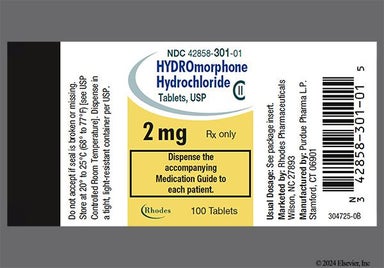
The average cost for 30 tablets of 2mg of Dilaudid (hydromorphone) is $14.19 with a free GoodRx coupon.
Contraindications are specific health conditions or situations in which a person should not take a medication due to safety concerns. If you have any of the following conditions or if any of the following apply to you, let your healthcare provider know because Dilaudid (hydromorphone) will not be safe for you to take.
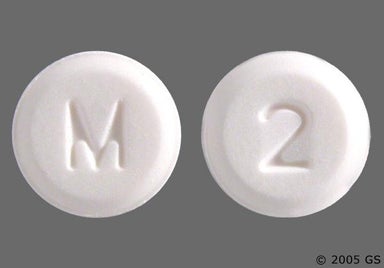
This medicine is White, Round Tablet Imprinted With "M" And "2".White Round 2 And M - Hydromorphone Hydrochloride 2mg TabletThis medicine is White, Round Tablet Imprinted With "Lci 1353" And "2".White Round 2 And Lci 1353 - Hydromorphone Hydrochloride 2mg TabletThis medicine is Orange, Round Tablet Imprinted With "P" And "2".Orange Round 2 And P - Hydromorphone Hydrochloride 2mg Tablet
Department of Justice/Drug Enforcement Administration. (2020). Narcotics.
GoodRx Health has strict sourcing policies and relies on primary sources such as medical organizations, governmental agencies, academic institutions, and peer-reviewed scientific journals. Learn more about how we ensure our content is accurate, thorough, and unbiased by reading our editorial guidelines.
Prescription savings
Stop paying too much for your prescriptions. Compare prices, get pharmacy coupons, and save up to 80%.
It depends on the form of Hydromorphone that you're taking. In general, the pain-relieving effects of immediate-release forms of Hydromorphone can last for about 4 hours. On the other hand, the extended-release tablet should provide pain relief for about 12 to 24 hours (only taken once daily). If you don't feel like Hydromorphone is helping with your pain, talk to your provider to see if you need a change in your treatment plan.
Yes, Hydromorphone is considered a narcotic. Narcotics typically refer to opioid medications like Hydromorphone.
It's possible to feel itchy while you're taking Hydromorphone. It's thought that opioids like Hydromorphone cause the body to release a chemical called histamine, which can cause itchiness. Keep in mind that this side effect might be more likely to happen when the medication is given as an injection near the spine. But if you feel itchy after taking Hydromorphone and it's bothersome, let your provider know. They might consider changing your pain treatment.
In general, constipation is a common side effect of opioid medications like Hydromorphone. To help prevent or manage this side effect, make sure to drink plenty of water and eat more fiber-rich foods (like apples, spinach, and broccoli). Talk to your healthcare provider if this doesn't help. They can recommend over-the-counter laxatives, like senna, or prescription medications to manage your constipation. Let your provider know if your constipation doesn't improve or worsens while you're taking Hydromorphone.
Yes. In fact, if you need additional pain relief, it's recommended that you take non-opioid pain medications like acetaminophen (Tylenol). This helps lower the amount of Hydromorphone you take, which can lower the risks that come with taking opioids. In general, it's safe to acetaminophen (Tylenol) with Hydromorphone. But before you do so, speak with your healthcare provider to make sure it's safe for you. Acetaminophen (Tylenol) might not be the best option if you have health problems related to your liver, nutrition, or alcohol use.
No, Hydromorphone isn't morphine. Hydromorphone and morphine are two different opioid medications. The chemical structure of Hydromorphone is very similar to that of morphine, so the two medications work similarly and have the same side effects. They each have risks of addiction and misuse, so they're both controlled substances. In addition, there are immediate-release and extended-release forms available for both medications. Discuss with your provider about which medication best fits your needs.
Recommended alternatives for pain management include non-opioid pain medications like acetaminophen (Tylenol) or ibuprofen (Advil). Taking these medications as alternatives can help lower the amount of Hydromorphone you take to help lower the risks that come with opioid use. Ask your provider whether these non-opioid pain medications are right for you, since they have their own risks as well. In addition, other strategies that can help with your chronic pain that don't involve medications include acupuncture, biofeedback techniques, and relaxation therapy. If Hydromorphone isn't working well enough for you, discuss with your provider about alternative ways to help manage your pain.



 It's possible to accidentally
  Your healthcare provider might recommend that you carry