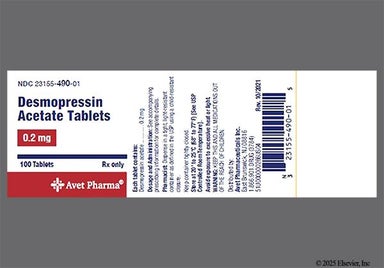
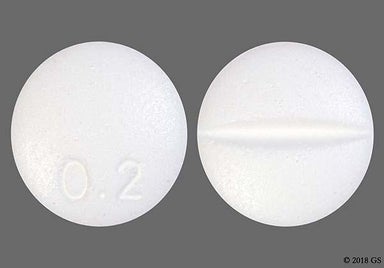
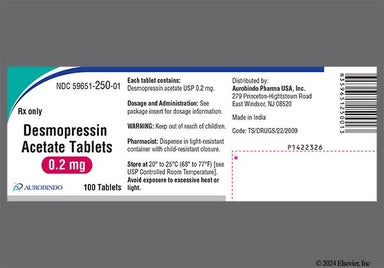
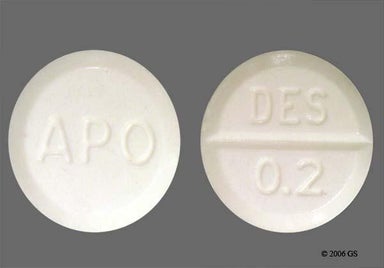
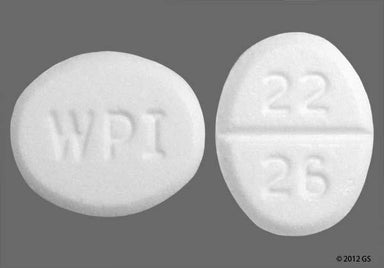
Desmopressin (DDAVP) is a lab-made version of the hormone vasopressin that helps your body hold on to more fluids. The oral forms of this medication treat conditions related to your body making too much urine, such as central diabetes insipidus and bedwetting, in children and adults. Desmopressin (DDAVP) also comes as an injection that's given by healthcare providers to treat problems related to blood clotting (hemophilia A and von Willebrand disease). Some of the more common side effects of this medication include headaches and low blood sodium levels.
Desmopressin (DDAVP) is a synthetic vasopressin analog, which means it's a man-made form of a natural hormone in your body called vasopressin. It works in your kidneys to balance fluids in your body and stop you from making too much urine. It also raises the number of proteins in your blood to stop you from bleeding so easily.
The following side effects may get better over time as your body gets used to the medication. Let your healthcare provider know immediately if you continue to experience these symptoms or if they worsen over time.
Oral tablets:
Sublingual tablets:
Oral tablets:
Contact your healthcare provider immediately if you experience any of the following.
Along with its needed effects, a medicine may cause some unwanted effects. Although not all of these side effects may occur, if they do occur they may need medical attention.
Check with your doctor immediately if any of the following side effects occur:
Rare
Chills
confusion
difficulty swallowing
dizziness
drowsiness
puffiness or swelling of the eyelids or around the eyes
seizures
tightness in the chest
trouble breathing
unusual tiredness or weakness
Incidence not known
Blurred vision
body aches or pain
decreased urine output
ear congestion
fast, irregular, pounding, or racing heartbeat or pulse
headache
increased thirst
loss of consciousness
loss of voice
muscle pain or cramps
nervousness
nosebleed
pounding in the ears
runny or stuffy nose
slow or fast heartbeat
swelling of the face, ankles, or hands
vomiting
Some side effects may occur that usually do not need medical attention. These side effects may go away during treatment as your body adjusts to the medicine. Also, your health care professional may be able to tell you about ways to prevent or reduce some of these side effects. Check with your health care professional if any of the following side effects continue or are bothersome or if you have any questions about them:
Less common
Bloody nose
burning, dry, or itching eyes
eye discharge or excessive tearing
indigestion
loss of appetite
passing gas
redness, pain, or swelling of the eye, eyelid, or inner lining of the eyelid
stomach pain, fullness, or discomfort
Incidence not known
Belching
feeling of warmth
redness of the face, neck, arms, and upper chest
sleepiness or unusual drowsiness
stomach cramps
trouble sleeping
Other side effects not listed may also occur in some patients. If you notice any other effects, check with your healthcare professional.
Call your doctor for medical advice about side effects. You may report side effects to the FDA at 1-800-FDA-1088.
How long it takes for desmopressin (DDAVP) to work depends on which form of the medication you're using. Oral tablets work in about 1 hour, while tablets placed under the tongue (sublingual tablets) work in about 30 minutes to lessen urination. The IV medication works in about 30 minutes to raise factor VIII levels, an important protein needed to form blood clots.
Desmopressin (DDAVP) isn't known to cause kidney problems. But you might not be able to take this medication if you already have kidney problems because you're at higher risk for low blood sodium levels, a very serious side effect. If you have mild kidney problems, your provider might prescribe desmopressin (DDAVP) if you and your provider think the benefits are greater than the risk of harm. In this case, your provider will likely monitor your kidney health through blood work regularly while you're taking this medication. Let your provider know right away if you notice symptoms of low blood sodium levels, such as nausea, dizziness, and muscle cramps.
Yes, desmopressin (DDAVP) can cause hyponatremia (low sodium levels) as a side effect. Desmopressin (DDAVP) works by telling your body to hold on to more fluid. This dilutes (make weaker) the sodium in your body and causes your sodium levels to drop. Low blood sodium levels can be dangerous because severe cases can lead to seizures and coma. To prevent this from happening, make sure to limit how much fluid you're drinking 1 hour before until 8 hours after taking a dose of desmopressin (DDAVP). Let your provider know if you experience early symptoms of hyponatremia, such as dizziness, confusion, nausea, or muscle spasms.
Talk with your provider if you're not sure how long you should take desmopressin (DDAVP). Studies that looked at long-term (about 1 year) use of desmopressin (DDAVP) showed that this medication works well and is generally well-tolerated by people who took it for nocturia (frequent nighttime urination). But at the same time, taking desmopressin (DDAVP) long-term can raise your risk for low blood sodium levels, a potentially serious side effect. If you and your provider decide that you need to take desmopressin (DDAVP) for a longer period of time, they'll likely check your labs often to make sure your sodium levels are within a safe range.
If your child is taking desmopressin (DDAVP) for bedwetting, they should take their dose at bedtime. They're recommended to stop drinking fluids 1 hour before taking desmopressin (DDAVP) until the next morning, or at least for 8 hours after the dose. Limiting fluid while taking this medication is important in preventing low sodium levels, a serious side effect that can lead to symptoms such as dizziness and muscle spasms. Talk with your child's provider if you've more questions about how they should take desmopressin (DDAVP).
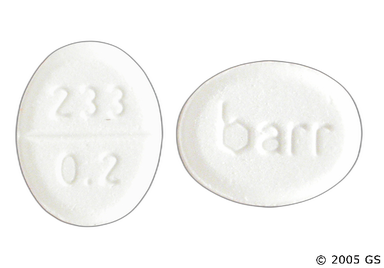
Desmopressin (DDAVP) can be taken by mouth as an oral tablet, sublingual (under the tongue) tablet that dissolves, or as an injection into the veins or fat under the skin. Your provider will help you decide the best dosage form for you.
No, desmopressin (DDAVP) isn't an anticholinergic medication. Desmopressin (DDAVP) is a manmade version of vasopressin (also known as anti-diuretic hormone), a natural hormone produced by our bodies. But similar to some anticholinergic medications, desmopressin (DDAVP) is prescribed to treat conditions related to frequent urination. But desmopressin (DDAVP) and these anticholinergic medications, such as oxybutynin (Ditropan) and tolterodine (Detrol), work in different ways and don't treat the exact same conditions.
Yes, DDAVP is one of the brand names of desmopression. DDAVP comes as a tablet and injection. It treats the same medical conditions as generic desmopressin tablet and injection. But DDAVP doesn't treat nocturia (a lot of urination at nighttime) in adults; only brand name Nocdurna is approved for this condition.
Desmopressin (DDAVP) can cause some serious health issues. This risk may be even higher for certain groups. If this worries you, talk to your doctor or pharmacist about other options.
Desmopressin can cause dangerously low sodium levels in your blood, which can lead to seizures, coma, respiratory arrest (can't breathe), or death. To lower your risk, your provider will likely have you limit the amount of fluids you drink. Don't take the sublingual tablet, Nocdurna (desmopressin), if you drink an extreme amount of fluids, have conditions that cause fluid or electrolyte problems, or if you take certain water pills (loop diuretics) or certain steroid medications. These can put you at higher risk of seriously low sodium levels. Your healthcare provider will make sure your sodium levels are normal before you start Nocdurna. If you experience headache, nausea, vomiting, tiredness, weight gain, muscle weakness, cramps, or spasms, loss of appetite, or seizures, let your provider know right away.
Desmopressin (DDAVP) can cause you to hold onto fluids in your body. This can be dangerous if you have heart failure, high blood pressure, or other conditions that can be worsened by having too much fluid in the body. Don't take Nocdurna (desmopressin) if you have heart failure or high blood pressure that's not controlled. Talk to your healthcare provider if you have sudden weight gain or swelling in your arms and legs that doesn't go away.
Although rare, desmopressin (DDAVP) can cause severe allergic reactions, such as rash, blistering, trouble breathing, and swelling of the mouth, tongue, or throat. Go to the emergency room right away if you experience any of these.
Although certain medicines should not be used together at all, in other cases two different medicines may be used together even if an interaction might occur. In these cases, your doctor may want to change the dose, or other precautions may be necessary. When you are taking this medicine, it is especially important that your healthcare professional know if you are taking any of the medicines listed below. The following interactions have been selected on the basis of their potential significance and are not necessarily all-inclusive.
Using this medicine with any of the following medicines is not recommended. Your doctor may decide not to treat you with this medication or change some of the other medicines you take.
Using this medicine with any of the following medicines is usually not recommended, but may be required in some cases. If both medicines are prescribed together, your doctor may change the dose or how often you use one or both of the medicines.
Contraindications are specific health conditions or situations in which a person should not take a medication due to safety concerns. If you have any of the following conditions or if any of the following apply to you, let your healthcare provider know because Desmopressin (DDAVP) will not be safe for you to take.
Sublingual tablets only: