Cryselle is a combined oral contraceptive (COC) that's taken by mouth every day to prevent pregnancy. Cryselle contains 2 medications: norgestrel (a progestin) and ethinyl estradiol (an estrogen). Each 28-day pack of Cryselle contains 21 active (hormone) pills and 7 placebo pills. It's a monophasic birth control, meaning each active pill contains the same amount of hormones. Some of the more common side effects of Cryselle include changes in body weight, acne, and menstrual cramps.
Cryselle is a generic of the discontinued brand name Lo-Ovral. Other generics that are like Cryselle include Elinest, Low-Ogesterel, and Turqoz.
Cryselle is a combination oral contraceptive (COC) that contains two hormones: ethinyl estradiol (an estrogen) and norgestrel (a progestin). These two hormones work together to help prevent pregnancy by:
Stopping ovulation (release of an egg from the ovary)
Changing cervical mucus to block sperm movement
Creating an unfriendly environment for the fertilized egg by changing the lining in the uterus (womb)
Are you looking for information on branded generics Elinest or Low-Ogestrol instead?
When does Cryselle start working?Time passed since treatment started:
The following side effects may get better over time as your body gets used to the medication. Let your healthcare provider know immediately if you continue to experience these symptoms or if they worsen over time.
Common Side Effects
Weight gain (11%)
Back pain, vaginal discharge, and other symptoms of cervical erosion (9%)
Liver injury—right upper belly pain, loss of appetite, nausea, light-colored stool, dark yellow or brown urine, yellowing skin or eyes, unusual weakness or fatigue
Stroke—sudden numbness or weakness of the face, arm, or leg, trouble speaking, confusion, trouble walking, loss of balance or coordination, dizziness, severe headache, change in vision
Need to take your pill at the same time every day for it to work well
Not a good option for females over 35 who smoke
Pharmacist tips for Cryselle
Before starting Cryselle, discuss your full medical history with your prescriber. This medication can worsen certain conditions. Some examples are chloasma (a condition that causes dark skin patches) and hereditary angioedema (episodes of severe swelling in your body). If you have a history of chloasma, avoid sun exposure while taking Cryselle.
Set an alarm to help you remember to take Cryselle at the same time every day. Forgetting to take your pill raises the chance of getting pregnant. If you miss a dose, refer to the instructions or call your HCP.
It's normal to have spotting (light vaginal bleeding outside of your period) or feel sick to your stomach for the first few packs of Cryselle. This should get better over time, but if it doesn't contact your OB-GYN provider or HCP.
You'll typically get your period within 3 days after you finish the 21 active tablets in your Cryselle pack. During this time, you'll be taking the 7 placebo tablets. Make sure to start a new Cryselle pack on the day after you finish your placebo tablets, even if you're still bleeding.
If you have vomiting or diarrhea, or take certain medications, Cryselle might not work as well for you. Always use a back-up birth control method until you're able to check with your HCP.
Any time you vomit within 3-4 hours of taking Cryselle, it's considered a missed dose and you should refer to the instructions for missed doses that came with your prescription or ask your pharmacist or HCP.
If you've been taking Cryselle as instructed and have missed two periods in a row or feel like you might be pregnant, call your HCP. Studies haven't shown a risk of birth defects in females who've used birth control pills before pregnancy or during early pregnancy, but it's no longer necessary to take them once you're pregnant.
Oral contraceptives like Cryselle can lower the amount of breast milk you're able to produce while breastfeeding. If you're breastfeeding, ask your HCP about alternative birth control options.
Risks and warnings for Cryselle
Cryselle can cause some serious health issues. This risk may be even higher for certain groups. If this worries you, talk to your doctor or pharmacist about other options.
Cigarette smoking and serious heart problems
Risk factors: Females over 35 years old who smoke cigarettes
If you smoke cigarettes, taking combined oral contraceptives (COCs) like Cryselle raises your risk for serious health problems, such as stroke, heart attack, and blood clots. Females ages 35 years and older who smoke are at even higher risk for these problems. If you smoke, talk with your OB-GYN provider or healthcare professional (HCP) about safer birth control alternatives.
Blood clots and strokes
Risk factors: Females over 35 years old who smoke | Females over 40 years old who don't smoke | Recent surgery with a long period of bed rest | Starting Cryselle less than a month after childbirth | High blood pressure | People identified as obese | High cholesterol | Diabetes | Higher dose of estrogen
Cryselle raises your risk of blood clots. These clots can occur anywhere in your body, including your lungs (pulmonary embolism or PE), legs (deep vein thrombosis or DVT), brain (stroke), and heart (heart attack). Get emergency help right away if you have any signs of a blood clot:
Brain: weakness or numbness in your arms, legs, or face on one side of the body, trouble speaking, blurred vision, dizziness, loss of balance, trouble walking, or confusion
Eyes: trouble seeing, bulging eye, double vision
Heart: chest pain, sweating, nausea, or dizziness
Lungs: trouble breathing, chest pain, or cough
Legs: cramps, swelling, pain, or muscle tightness
If you need to have surgery, tell your healthcare team you're taking Cryselle. They might have you stop taking it 4 weeks before until 2 weeks after your surgery to lower your risk of blood clots.
Risk of breast and cervical cancer
Risk factors: History of breast cancer | Taking COCs for a long time
Don't use Cryselle if you have breast cancer because some types of breast cancer grow faster in the presence of estrogen, an ingredient in this birth control pill. To help with early breast cancer detection, you can do monthly breast self-checks at home and yearly breast exams with your healthcare professional. Call your HCP if you notice any abnormal changes or feel lumps, pain, or swelling in your breasts.
Get medical help right away if you experience abnormal vaginal bleeding, discharge, or pain during sex, since these could be signs of cervical cancer.
Liver problems
Risk factors: Liver problems or infection in the liver | Taking COCs with 50 mcg of estrogen or higher
Though rare, Cryselle can cause liver problems, such as liver damage and liver tumors. These problems are linked more with earlier formulations of COCs that contained higher doses of estrogen (50 mcg or higher), and less so with Cryselle since it only contains 30 mcg of estrogen. Don't use this medication if you already have liver problems. Call your HCP right away if you experience symptoms of liver problems, such as tiredness, stomach pain, or yellowing of the skin or whites of the eyes.
High blood sugar and triglycerides
Risk factors: Prediabetes or diabetes | Personal or family history of high triglycerides | High dose
COCs like Cryselle might raise your blood sugar and triglyceride (fat) levels. If you have diabetes, let your HCP know if you experience any changes in your blood sugar. Make sure to go to all of your check-ups so your healthcare team can monitor any changes.
High blood pressure
Risk factors: High blood pressure | Older age | Using COCs for a long time | Kidney problems
Cryselle and other COCs can raise your blood pressure. Your HCP might ask you to check your blood pressure regularly. If you notice your blood pressure is higher while you're taking this medication, contact your HCP. If you have uncontrolled high blood pressure, Cryselle might not be the best option for you.
Headache
Headaches are a common side effect of COCs like Cryselle. But, if you experience a new migraine, a migraine that's worse than normal, or a new headache that keeps coming back or is severe, call your HCP so you can be checked out.
Irregular bleeding
Breakthrough bleeding and spotting are common side effects of hormonal birth control pills. This is more common during the first 3 months of using Cryselle. Let your HCP know if you experience any vaginal bleeding outside of your period, or if your period has stopped completely. There are other causes besides your birth control pills for irregular bleeding that your HCP will evaluate.
Depression
Risk factors: History of depression
Let your HCP know if you experience symptoms of depression or worsening depression while taking Cryselle. In cases of serious depression, your OB-GYN provider or HCP might have you stop taking it.
Gallbladder problems
Some studies suggest that Cryselle can raise the risk of gallbladder disease since more progestin and estrogen can lead to higher chance of gallstones. Although the risk is low, talk to your gynecologist if you a history of gallbladder disease before starting Cryselle.
Interactions with other medications
Certain medications can make Cryselle get broken down faster in your body, making it less effective. And this can lead to pregnancy. Some examples include carbamazepine (Tegretol) and phenytoin (Dilantin). Use a back-up method or other form of birth control for at least 28 days after stopping any of these medications. Other medications can raise the amount of Cryselle in your body, which can lead to more side effects. Make sure to tell your HCP or pharmacist all of your medications so they can make sure they don't interact with Cryselle.
If you're taking medications to treat hepatitis C, immediately let your HCP know that you're taking a COC. Certain hepatitis C medications can affect the level of Cryselle in your body, either making it work not as well in preventing pregnancy or raising your risk of side effects. Your healthcare team can give you instructions about what to do if you're taking a hepatitis C medication that can interact with Cryselle.
Cryselle dosage
The average cost for 3 packages of 28 tablets of 0.03mg/0.3mg of Cryselle is $26.49 with a free GoodRx coupon.
Contraindications are specific health conditions or situations in which a person should not take a medication due to safety concerns. If you have any of the following conditions or if any of the following apply to you, let your healthcare provider know because Cryselle will not be safe for you to take.
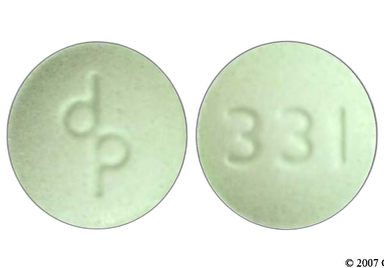
This medicine is Green, Round Package Imprinted With "Dp", "331".Green Round 331 - Cryselle 28-Day 0.3mg-0.03mg TabletThis medicine is Green, Round Package Imprinted With "Dp", "331".Green Round 331 - Cryselle 28-Day 0.3mg-0.03mg Tablet
National Heart, Lung, and Blood Institute. (2023). Varicose veins.
National Institute of Diabetes and Digestive and Kidney Diseases. (2020). Estrogens and oral contraceptives. LiverTox: Clinical and Research Information on Drug-Induced Liver Injury.
GoodRx Health has strict sourcing policies and relies on primary sources such as medical organizations, governmental agencies, academic institutions, and peer-reviewed scientific journals. Learn more about how we ensure our content is accurate, thorough, and unbiased by reading our editorial guidelines.
Prescription savings
Stop paying too much for your prescriptions. Compare prices, get pharmacy coupons, and save up to 80%.
Plans start at $9.99/mo. (when paid yearly). Terms apply.
Common questions about Cryselle
Based on clinical studies, about 1 in 100 females might get pregnant during the first year of using Cryselle. This means that this birth control is about 99% effective at preventing pregnancy if you take it daily around the same time each day. But your chance of getting pregnant while taking Cryselle is higher if you don't take it as directed. If you're having trouble remembering to take your pill and want to consider other birth control options, talk to your healthcare professional (HCP).
If you're starting birth control for the first time, your healthcare team will recommend that you use a hormone-free back-up birth control, such as condom, for 7 days when you begin taking Cryselle. It might take about a week before Cryselle can work well to protect you from becoming pregnant.
No, Cryselle isn't a low-dose birth control. Low-dose birth control is a COC that contains 20 mcg of ethinyl estradiol (estrogen) or less. Because Cryselle contains 30 mcg of ethinyl estradiol, it isn't considered low-dose. If you're concerned about side effects from estrogen, ask your healthcare team whether a a low-dose birth control with less estrogen might be better-suited for you.
You might experience weight gain when taking Cryselle. In clinical studies, 11% of females reported weight gain after taking at least one dose of Cryselle. But the cause of weight gain wasn't clear. In general, people who take COCs are more likely to have weight gain from water retention, rather than from an increase in body fat. But not everyone will experience weight gain; some people reported weight loss after taking Cryselle. If weight changes concern you, speak with your healthcare professional (HCP).
Cryselle is only FDA-approved to prevent pregnancy, not help with acne. But in general, COC pills like Cryselle can help with acne. In fact, there are a few COCs that are FDA-approved treat acne, including Yaz (drospirenone / ethinyl estradiol) But keep in mind that in clinical studies, some people who took Cryselle did experience acne breakouts, since different people's bodies respond differently to the pill. If you're concerned about acne, speak with your healthcare team about the best birth control option for you.
Some people (about 9%) who took Cryselle in clinical studies did have missed periods. But this medication isn't intended to stop your periods altogether. If this happens, speak with your prescriber and they'll check to see if you're pregnant.
Low Ogestrol is a branded generic version of Cryselle, meaning that it works just as well as Cryselle but it's essentially a lower-cost generic version. It contains the same hormones that are in Cryselle, and at the same doses.
It's important for you to take Cryselle every day for the medication to prevent pregnancy. But if you missed a dose, your next steps depend on when you missed it and how many pills you missed. If you only missed 1 pill, you can take the missed pill as soon as you remember and continue taking the next pill at your regular time. This means you might take 2 pills on the same day. If you missed pills multiple days in a row, check the instructions that came with your pack or ask your prescriber or pharmacist what to do. Also, ask them if you need to use another method of birth control to prevent pregnancy during this time.




 If you





