Urinary Tract Infection (UTI)
Comprehensive information for you or a loved one — including treatment options and discounts on popular medications.

A urinary tract infection, or UTI, happens when germs invade your urinary tract and start to grow there.
Your urinary tract is the system that makes, stores, and removes urine from your body. It consists of four parts:
The kidneys, which make urine
The ureters, which carry urine from the kidneys to the bladder
The bladder, which stores urine
The urethra, the tube that releases urine from the bladder when you pee
An infection can happen in any part of the urinary tract, but it’s most common in the bladder.


Search and compare options
The most common symptoms of UTI are:
Pain or burning when you pee
An urgent need to pee
A need to pee frequently
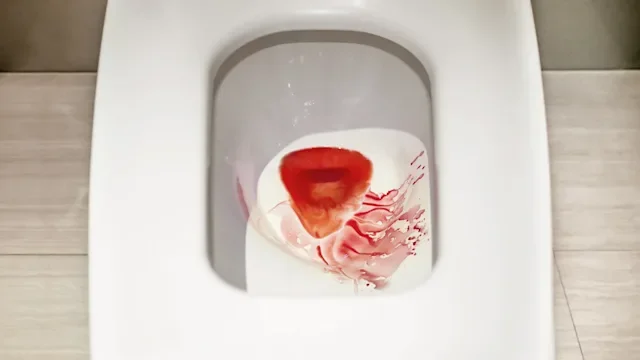
Cloudy, pink, or blood-tinged urine
Pain in the lower abdomen, where the bladder sits
Sometimes, the kidneys and ureters are called the “upper” urinary tract, and the bladder and urethra are called the “lower” urinary tract. An infection of the upper urinary tract — called pyelonephritis — is much more serious than an infection of the lower one. Pyelonephritis causes fevers, vomiting, and back or side pain.
Compare prices and information on the most popular Urinary Tract Infection medications.
Most UTIs are caused by bacteria in the urinary tract. In the vast majority of cases, the bacteria is E. coli, which normally lives in our intestines and helps us digest food.
UTIs happen when bacteria from the gut find a way to enter the urinary tract and grow there. This is more common in women, and this is due to female anatomy. The urethra (the peeing tube) is very short, so bacteria don’t have far to travel from the outside world up into the bladder.
Having sex is one way that bacteria moves from the intestinal tract to the urinary tract, so people who’re sexually active are at higher risk.
Urinary catheters, which are medical devices that empty the bladder, can also cause UTIs. If you develop UTI symptoms after having surgery or using a urinary catheter, it could be because the catheter carried germs into your bladder and gave those germs a place to grow.
Finally, UTIs can occasionally be caused by bacteria entering the kidneys through the bloodstream. This is more likely to happen in people who have other medical problems, such as:
Endocarditis (infection in the heart)
Sepsis (severe infection in the body)
To get a UTI diagnosis, urine is collected and tested for signs of a UTI using one of three different tests.
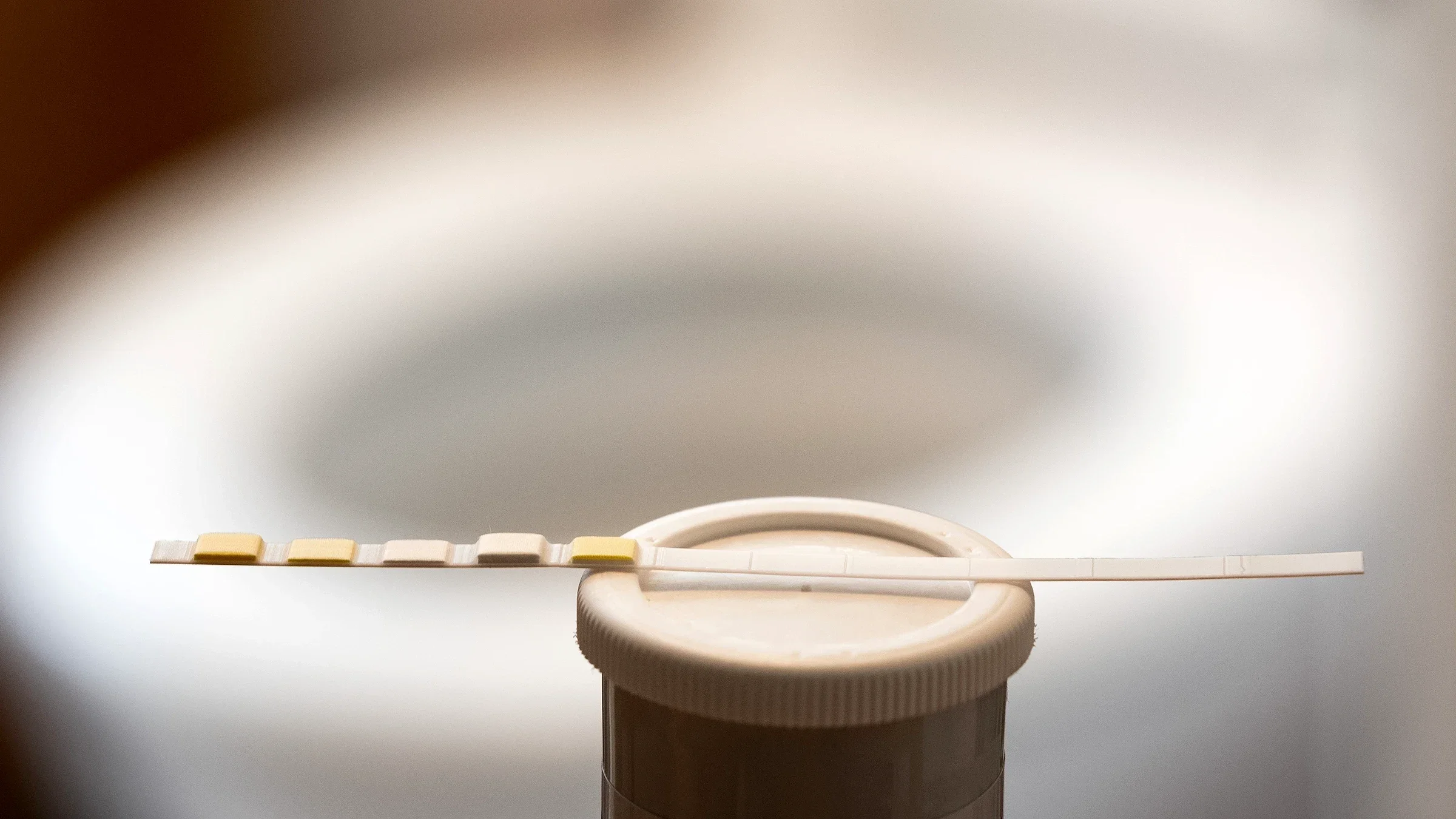
The most common test for a UTI is a urine dip or dipstick test. This type of test is quick and performed right in a healthcare professional’s office. This test can pick up on signs of inflammation in the urine, like:
Leukocyte esterase (which comes from white blood cells)
Nitrites (which are made by some bacteria)
Blood
Although a urine dip test can be done quickly, it isn’t always the best test for a UTI. Things like menstrual blood and sexually transmitted infections (STIs) can sometimes interfere with the results.
A urinalysis takes about 1 day to complete. Urine is tested for signs of infection and inspected under a microscope. This type of test can find:
Red and white blood cells
Bacteria
Yeast
The results from a urinalysis can be more specific than those from a dipstick. However, it isn’t the fastest or the most accurate test for detecting a UTI.
A urine culture is the most accurate test for a UTI. It allows laboratory professionals to study the bacteria causing infection and to find out which antibiotics are likely to best treat it.
However, a urine culture takes several days to complete. Waiting for results before treatment (antibiotics) in someone with a UTI would mean extra days of discomfort, along with the risk of a mild infection getting worse. For this reason, a urine culture isn’t usually done in otherwise healthy people who have clear UTI symptoms.
Some mild UTIs can resolve without the need for antibiotics. But if symptoms don’t settle within a few days, you will need a 3- to 5-day course of antibiotics to treat the infection and prevent complications.
Some people with more complicated UTIs — such as those with other medical problems, or young kids — often need a longer course of treatment.
When a lower UTI is left untreated, it can cause pyelonephritis. This is an infection that involves the kidneys, and it usually requires treatment in the hospital.
Here are some of the antibiotics commonly used to treat UTIs in adults:
Nitrofurantoin (Furadantin, Macrobid, Macrodantin)
Trimethoprim / sulfamethoxazole (Bactrim, Sulfatrim)
Fosfomycin (Monurol)
Ciprofloxacin (Cipro)
Levofloxacin (Levaquin)
Amoxicillin / clavulanate (Augmentin)
The choice of antibiotic for treating a UTI depends on a number of things. Your primary care provider or other prescriber will take into account:
The type of bacteria causing your infection
Antibiotic resistance in your community
The risks and benefits of different medications
Your personal medical history
Mild UTIs can resolve without treatment over a few days. So, some people choose to wait and see if their UTI symptoms settle on their own.
Whether you’re trying to get by without antibiotics, or waiting for antibiotics to kick in, there are things you can do at home to help feel better faster:
Hydrate: Make sure to drink enough water. Avoid alcohol, caffeine, and other drinks that irritate the bladder.
Use heat: Gentle heat, like a hot water bottle or heating pad, can ease any discomfort you feel in your lower belly.
Consider supplements: Certain supplements — like Canephron N, D-mannose, and vitamin C — may help some people. The evidence for their use in treating and preventing UTIs is mixed, but they’re generally not harmful.
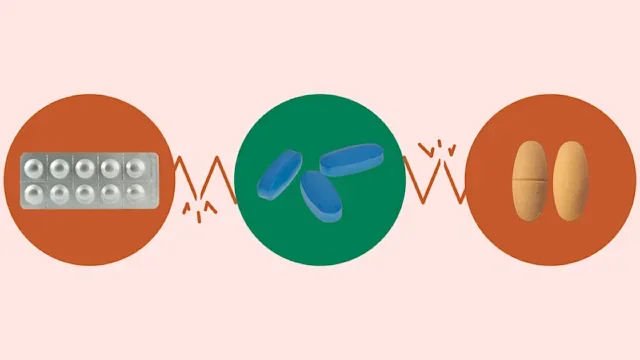
There are a number of over-the-counter (OTC) treatments that can help you feel better while you wait for your UTI symptoms to improve (either with or without antibiotics):
Acetaminophen: Acetaminophen (Tylenol) can improve bladder pain when you have a UTI. Acetaminophen isn’t processed by your kidneys (it’s processed by your liver instead). So, it’s a safer choice than NSAIDs (see below) for people who have a kidney infection (pyelonephritis).
NSAIDs: Nonsteroidal anti-inflammatory drugs (NSAIDs), like ibuprofen (Motrin or Advil), naproxen (Aleve), can help reduce bladder pain. Because these medications are processed by the kidneys, it’s best to avoid them if you have pyelonephritis.
Phenazopyridine hydrochloride: Phenazopyridine (Azo, Pyridium, Uricalm) is a urinary analgesic. It works by numbing the inside of the bladder and urethra. Phenazopyridine isn’t an antibiotic and won’t kill bacteria or cure your infection. You shouldn’t need to take this medication for more than 2 days in a row.
Remember, although painkillers can help your symptoms, they aren’t a complete treatment for a UTI by themselves. If your symptoms aren’t getting better after a few days, you’ll need to see your primary care provider for antibiotics, to keep the infection from getting worse.
If you’ve had a UTI before, the chances are good that you’ll have another one. In fact, 1 in 4 women with a first UTI get another UTI within 6 months.
But there are things you can do to make this less likely:
Stay hydrated: If you drink less than 1.5 L of water per day, increasing your daily fluid intake to 2 L or 3 L can reduce the risk of repeat UTI by as much as 50%.
Pee after sex: Although it has never been proven to have any benefit, many experts recommend urinating right after you have sex to help wash bacteria out.
Wipe front to back (if you have female genitals): It’s not been studied formally, but doing this may help avoid spreading bacteria from your anal area to your urethra.
Consider changing your birth control: Nonoxynol-9, a common spermicide used in condoms and diaphragms, can increase the risk of UTI. Pick a form of contraception without this ingredient.
If you frequently get UTIs, it might be worth taking medication to reduce your risk. Talk to your healthcare team or other primary care provider to see whether a preventative (also called prophylactic) medication is right for you. Some options include:
Low-dose antibiotics
An estrogen cream (like Estrace), estrogen-secreting vaginal ring (Estring, Femring), or tablet (Imvexxy, Vagifem, Yuvafem), which can help prevent UTIs around the time of menopause, when estrogen levels drop
Plenty of OTC options are available to help prevent UTIs, although the evidence to support their use isn’t robust. A few of the most widely used include:
Probiotics
D-mannose
Yes. An infection in the urinary tract can happen anywhere along the urinary tract. It helps to think about the urinary tract in two parts: the upper urinary tract (kidneys and ureters) and the lower urinary tract (bladder and urethra).
An infection of the upper urinary tract (called pyelonephritis) is much more dangerous than an infection of the lower urinary tract. Fortunately, they’re rare. Infections of the lower urinary tract, also called bladder infections or cystitis, are much more common. UTIs can also be caused by different types of bacteria.
Yes. An infection in the urinary tract can happen anywhere along the urinary tract. It helps to think about the urinary tract in two parts: the upper urinary tract (kidneys and ureters) and the lower urinary tract (bladder and urethra).
An infection of the upper urinary tract (called pyelonephritis) is much more dangerous than an infection of the lower urinary tract. Fortunately, they’re rare. Infections of the lower urinary tract, also called bladder infections or cystitis, are much more common. UTIs can also be caused by different types of bacteria.
Yes, they can, but it’s less common, especially between the age of 15 and 50. UTIs in men are more common in middle age and beyond, and in people who have insertive anal sex or who aren’t circumcised.
In young and healthy people, a simple UTI can go away without antibiotics. How long it will take and whether it will go away completely are hard to predict. Usually, the symptoms cause too much discomfort to wait for treatment.
Healthcare professionals recommend treating UTIs with antibiotics if you’re pregnant, are older than age 65, or have other medical problems. If you have a fever, back pain, or vomiting, that’s another sign that your UTI is getting worse and needs antibiotics.
Usually, UTI symptoms should go away within 2 days of starting antibiotics. In many cases, people can start to feel better within just a few hours.
A UTI is one reason you have to pee all the time, but it’s not the only one. There are plenty of other causes of peeing too much:
Drinking too much water
Medications
Pregnancy
Menopause
Prostate problems
Bladder irritation
Diabetes
Bergamin, P. A., et al. (2017). Non-surgical management of recurrent urinary tract infections in women. Translational Andrology and Urology.
Carey, M. R., et al. (2020). Is non-steroidal anti-inflammatory therapy non-inferior to antibiotic therapy in uncomplicated urinary tract infections: A systematic review. Journal of General Internal Medicine.

Prescription savings
Stop paying too much for your prescriptions. Compare prices, get pharmacy coupons, and save up to 80%. Find expert answers to your health questions so you can make the best decisions for yourself and your family.
Health conditions
Medications & treatment
Access & affordability
 Our monthly healthcare membership can help you save thousands on your prescription costs.
Resources