Key takeaways:
Blujepa (gepotidacin) is a prescription antibiotic. It’s FDA approved for uncomplicated urinary tract infections (UTIs) in women and girls ages 12 years and older. It also treats urinary or genital gonorrhea in certain people.
It’s best to take Blujepa after meals. This lowers the chances of experiencing an upset stomach.
You should avoid taking Blujepa with certain medications, such as Sporanox (itraconazole) and Tegretol (carbamazepine).
If your child accidentally swallows Blujepa, reach out to a healthcare professional for advice. You can also contact Poison Control online or at 1-800-222-1222.
Save on related medications
For many years, the same set of antibiotics were the only option to choose from to treat urinary tract infections (UTIs). But for the first time in nearly 3 decades, there’s a new oral antibiotic that’s been FDA approved. With Blujepa (gepotidacin), a prescription antibiotic, there’s another choice for treating uncomplicated UTIs.
Blujepa treats uncomplicated UTIs for women and girls ages 12 years and older who weigh at least 40 kg (88 lbs). This medication works in a unique way that may prevent antibiotic resistance. It also offers broad coverage, as it's able to kill several different bacteria that may be at fault for your symptoms.
If you’re picking up a new prescription for Blujepa, it’s normal to have questions about how to maximize its benefits. Should you take it with food? And what happens if you miss a dose? We’ve got you covered with tips for taking gepotidacin for UTIs.
Keep in mind: This article mostly focuses on Blujepa for UTIs. As of December 2025, Blujepa is also approved to treat urinary or genital gonorrhea in certain people ages 12 and older.
1. It’s best to take your Blujepa doses 12 hours apart
The recommended Blujepa dosage for UTIs is 2 tablets (1,500 mg) by mouth twice daily for 5 days. Blujepa works best if you separate each dose by about 12 hours. Research shows this time frame helps Blujepa stay in your body for the right amount of time to kill the bacteria causing your UTI.
2. It’s ideal to take Blujepa with food
Just like many other antibiotics, Blujepa can upset your stomach. That’s why it’s best to take it within about 30 minutes of finishing a meal. Having food in your stomach lowers the chances of experiencing diarrhea and nausea from the medication.
3. There are ways to manage notable side effects from Blujepa
In clinical studies, the most common Blujepa side effects were diarrhea and nausea. The good news is that these side effects should go away after you finish your 5-day UTI treatment. They may also start to improve after your first couple of doses.
Nevertheless, it’s helpful to have ways to manage these stomach-related side effects. Consider:
Timing your doses with food: Taking Blujepa on a full stomach can help prevent or lessen diarrhea and nausea.
Hydrating consistently: If you’re actively experiencing diarrhea or are feeling a bit queasy, make sure to stay hydrated. Take sips of water or electrolyte drinks, like Pedialyte, to prevent dehydration.
Listening to your body: It’s OK to take a break from eating until you’re up to it. The BRAT diet is a good way to slowly ease back into eating once you’re ready. This acronym stands for bananas, rice, applesauce, and toast — it consists of foods that are gentle on the stomach.
Avoiding triggers: Try to avoid or minimize foods and beverages that can upset your stomach. Examples include acidic fruits, alcohol, and high-fat meats.
If dietary changes aren’t doing enough, over-the-counter (OTC) medications are another option. Imodium A-D (loperamide) can manage diarrhea, while Pepto-Bismol (bismuth subsalicylate) is an option for diarrhea and nausea.
4. How to take Blujepa if swallowing pills is difficult
It’s normal to have trouble swallowing pills, no matter your age. If this is true for you, we have some techniques to make it easier.
Try these tips if you or your child has trouble swallowing Blujepa:
Take Blujepa with a full glass of water.
Move your head forward or turn it left or right while you’re swallowing the water and Blujepa pill.
Use a water bottle for suction. After placing Blujepa on your tongue, close your lips around the opening of a plastic water bottle. Tilt your head back and take a big sip, using suction to help you swallow both the water and the tablet at the same time.
Use a pill coating gel, spray, or device.
Place the pill on a spoon with pudding or applesauce.
Reach out to your pharmacist or prescriber if you or your child can’t swallow Blujepa. They can recommend a UTI antibiotic that comes as a liquid that’s easier to take. Sulfatrim (sulfamethoxazole / trimethoprim) and Furadantin (nitrofurantoin) are two liquid alternatives to consider.
Good to know: Blujepa has a special coating to hide its taste, and it’s not meant to be split. So, don’t crush, cut, or chew Blujepa — doing so could make it taste bad and change how the medication works in your body.
5. What to do if your child or pet accidentally swallows Blujepa
A call to your healthcare professional should come first if your child swallows Blujepa. This is a good precaution to take even if they aren’t showing any noticeable symptoms or side effects. If your prescriber is unavailable, you can contact Poison Control at 1-800-222-1222 or online for free advice about potential next steps.
In rare cases, accidental Blujepa ingestions could turn serious. Blujepa may cause QT prolongation (abnormal heart rhythm). In severe cases, this could lead to a life-threatening arrhythmia. Call 911 or go to the nearest ER immediately if your child is unconscious, has trouble breathing, or experiences a seizure.
If your pet gets into your Blujepa bottle, you can take them to the closest emergency medical hospital. You can also call your veterinarian. Other options include contacting a pet poison helpline. Licensed veterinarians staff these helplines, but know that talking to them typically comes with a fee.
6. How to store Blujepa
Blujepa should be stored at room temperature, between 68°F to 77°F. You shouldn’t store it in the refrigerator or freezer. And while the bathroom is the perfect spot for your soap, it isn’t the best place to keep medication. Moisture from the shower could make Blujepa less effective.
Blujepa should be stored in a cool, dry area such as a locked kitchen cabinet — out of reach of kids and pets. Secured closet areas and shelves are also good places to store Blujepa.
7. You should avoid taking Blujepa with several medications
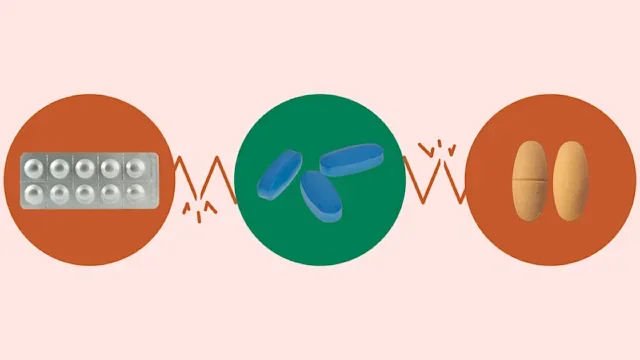
Certain medications don’t mix well with Blujepa and shouldn’t be taken together. These interactions could cause Blujepa to build up in the body, raising the risk of side effects. Other medications can break down Blujepa, making it less effective.
Good to know: Nobody expects you to prevent interactions on your own. What you can do is keep an updated medication list handy for your pharmacist and prescriber. They can screen for any potential interactions before you start Blujepa.
Medications that increase Blujepa levels
A liver enzyme called CYP3A4 normally helps metabolize (break down) Blujepa after you take it. Medications that strongly interfere with this enzyme should be avoided with Blujepa to help prevent added side effects. Examples include:
Sporanox (Itraconazole)
Oral ketoconazole
Clarithromycin
Zykadia (ceritinib)
Kaletra (lopinavir / ritonavir)
Medications and supplements that lower Blujepa levels
Medications that are CYP3A4 inducers have the opposite effect. They prompt your liver to break down Blujepa too quickly, which would make it less effective at fighting UTIs. Watch out for these medications:
Medications that cause heart rhythm changes
Blujepa has a rare risk of QT prolongation. Taking multiple medications that cause QT prolongation could potentially mean doubling the risk for your heart.
Here’s a list of medications that may also cause QT prolongation like Blujepa:
8. What to do if you miss a dose of Blujepa
If you miss a dose of Blujepa, take it as soon as you remember. Then take your next dose at the normally scheduled time. Don’t double up on your doses because you may experience more side effects.
Make sure to finish your full antibiotic course, too, to get the most benefits from your medication. This is good to do even if you’re feeling better and back to normal. Finishing your entire prescription also helps prevent antibiotic resistance.
There are ways to help keep you on track with taking Blujepa. Medication reminder apps, phone alarms, and pill boxes are a few examples.
The bottom line
Blujepa (gepotidacin) is an oral antibiotic that’s FDA approved to treat uncomplicated urinary tract infections (UTIs) in women and girls ages 12 years and older. It can also treat urinary or genital gonorrhea in certain people 12 and older.
Knowing tips for taking gepotidacin for UTIs can help it perform at the top of its game. It’s best to take Blujepa after meals to lower your chances of experiencing an upset stomach. Storing Blujepa at room temperature and taking your doses about 12 hours apart are other top tips. Reach out to your healthcare professional with any questions about Blujepa.

Why trust our experts?




References
Barth, A., et al. (2022). Pharmacokinetic, safety, and tolerability evaluations of gepotidacin (GSK2140944) in healthy Japanese participants. Clinical Pharmacology in Drug Development.
Gilani, B., et al. (2023). Biochemistry, cytochrome P450. StatPearls.
GlaxoSmithKline. (2025). Blujepa [package insert].
GlaxoSmithKline. (2025). Blujepa (gepotidacin) approved by US FDA as oral option for treatment of uncomplicated urogenital gonorrhoea (uGC).
Mullard, A. (2025). New antibiotic for urinary tract infections nabs FDA approval. Nature Reviews Drug Discovery.
Overcash, J. S., et al. (2020). Phase 2a pharmacokinetic, safety, and exploratory efficacy evaluation of oral gepotidacin (GSK2140944) in female participants with uncomplicated urinary tract infection (acute uncomplicated cystitis). Antimicrobial Agents and Chemotherapy.
Tiffany, C., et al. (2022). Pharmacokinetics, safety, and tolerability of gepotidacin administered as single or repeat ascending doses, in healthy adults and elderly subjects. Clinical and Translational Science.
U.S. Food and Drug Administration. (2024). For healthcare professionals: FDA’s examples of drugs that interact with CYP enzymes and transporter systems.
Wagenlehner, F., et al. (2025). Plain language summary: Efficacy and safety of gepotidacin, a new oral antibiotic, compared with nitrofurantoin, a commonly used oral antibiotic, for treating uncomplicated urinary tract infection. Future Microbiology.