Key takeaways:
Molluscum contagiosum is a common, highly contagious skin virus that causes small bumps that can last 6 to 12 months or longer.
Molluscum spreads through direct skin contact and by sharing items.
Molluscum clears on its own, but cantharidin, prescription creams like retinoids, and in-office procedures like curettage and freezing can help remove bumps faster.
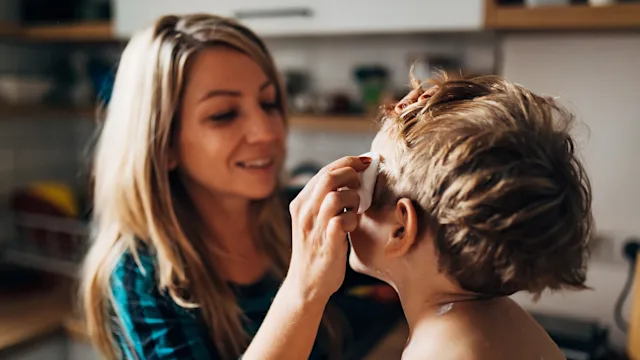
Molluscum contagiosum causes small, raised bumps. The bumps are usually painless, but they can last for months — and sometimes longer — which can be frustrating. Molluscum is especially common in children, but adults can get it, too.
If you or your child has molluscum, you may be wondering how it spreads and whether it needs treatment. Here’s what to know about preventing transmission and the options for getting rid of it.
What is molluscum contagiosum?
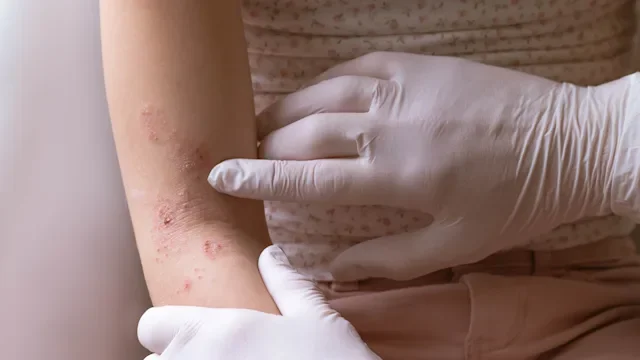
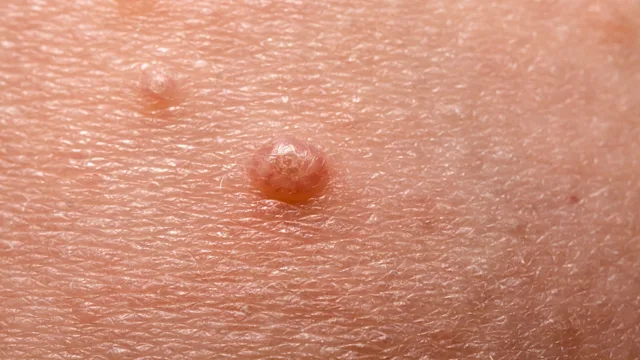
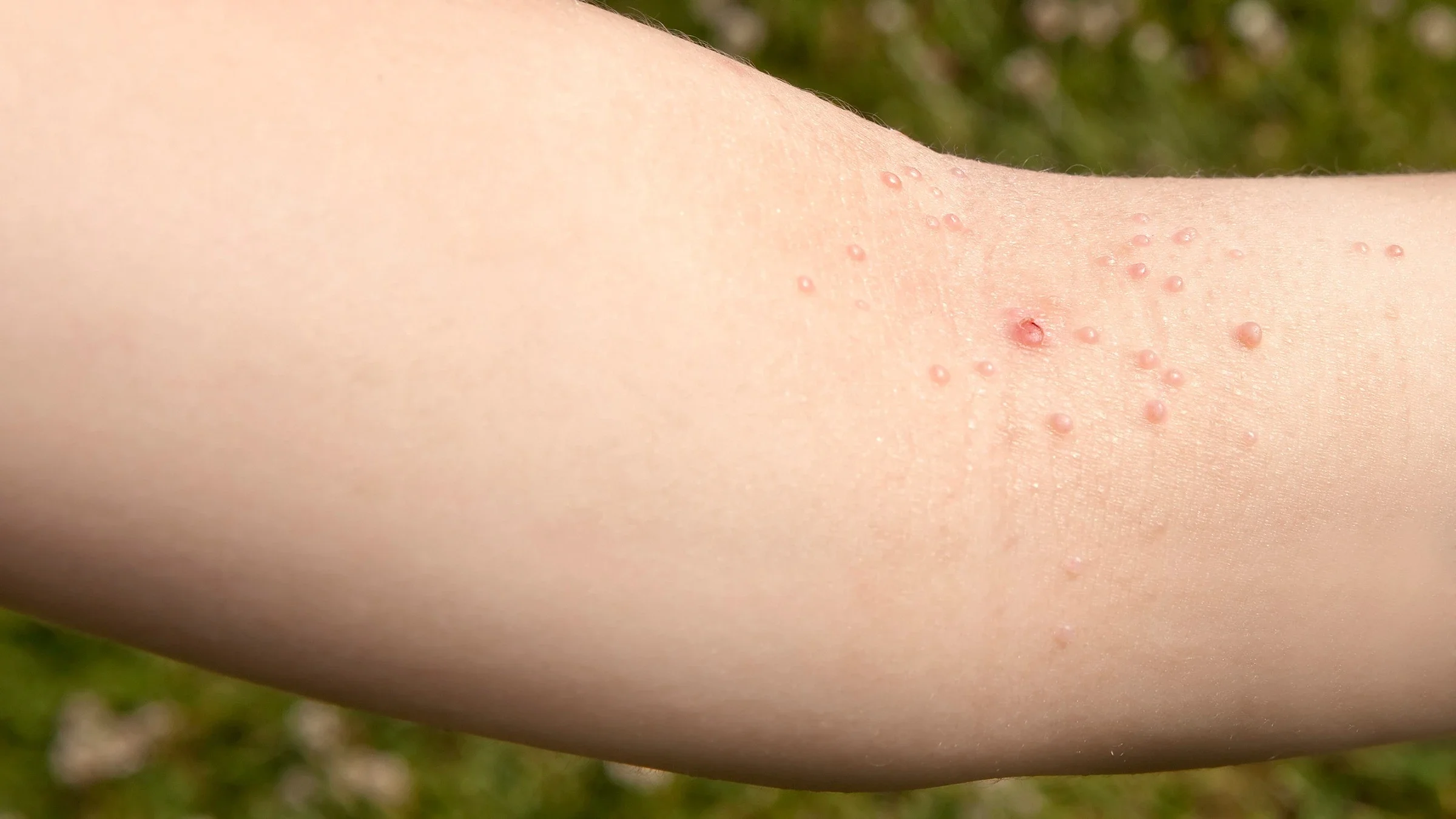
Molluscum contagiosum is a skin infection caused by a pox virus. It’s more common in children than adults. And it’s easily spread from person to person through direct contact. The rash starts as flesh-colored bumps on the skin, and it lasts much longer than other infections that cause rashes. Even though it usually isn’t dangerous, it can be very itchy, and some people are bothered by the appearance.
Search and compare options
Molluscum will eventually go away on its own — but it can take several months. Treatment can help bumps go away faster.
How do you get molluscum contagiosum?
You can get molluscum contagiosum if you come into contact with the virus particles. Molluscum is very contagious so the virus can spread easily from person to person in two ways:
Direct skin-to-skin contact with someone who has molluscum
Touching items that a person with molluscum has recently used, such as towels, clothing, or sports equipment
Transmission in children
Molluscum is more common in children. That’s because:
Children tend to come in direct contact with each other during daycare, school, and contact sports.
Kids often share toys and supplies at school and daycare.
Molluscum often spreads at community swimming pools, possibly through towels and toys, though experts aren’t sure exactly why this happens more at pools than other shared spaces.
Children easily spread the virus to other parts of their own bodies. This happens when they scratch the rash and then touch another part of their body.
Transmission in adults
Adults also spread molluscum contagiosum to each other through direct contact in the same ways kids do. Adults should also be aware that the virus can spread through sexual contact.
Since the infection can be spread in this way, some parents worry when they notice their child has the rash in their groin area. But it’s helpful to know that this is much more likely to occur because the child scratched one of their own bumps, rather than being touched in the groin area.
What are the symptoms of molluscum contagiosum?
The main symptom of molluscum is the rash. It changes appearance throughout the different stages of the infection. For some people, the rash can be very itchy. But it isn’t painful.
Unlike other infections that cause a rash, molluscum contagiosum doesn’t cause additional symptoms. It doesn’t cause symptoms like:
Fever
Muscle aches
Runny nose
Cough
Diarrhea
Vomiting
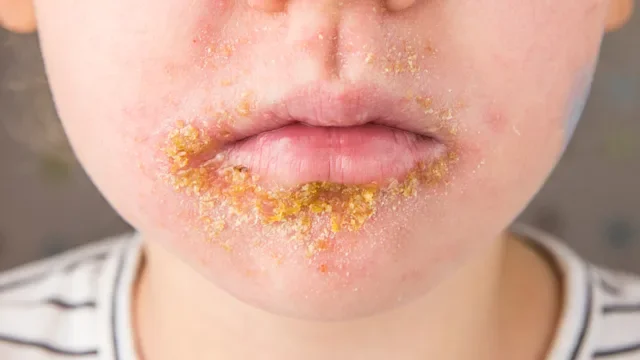
If you or your child develop these symptoms with a rash that looks like molluscum, it’s important to see a healthcare professional. These symptoms could mean something other than molluscum is causing the rash. It’s also possible that one of the bumps has become infected with bacteria. The symptoms of infected molluscum contagiosum bumps are discussed in more detail below.
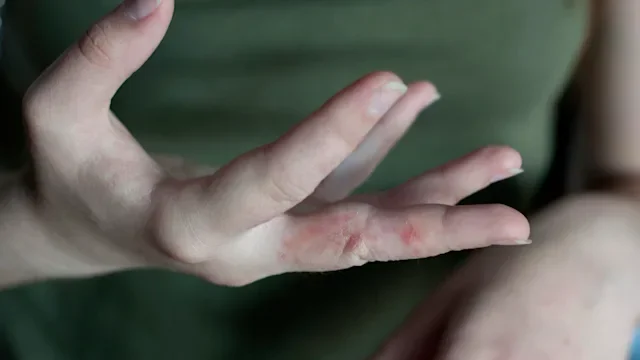
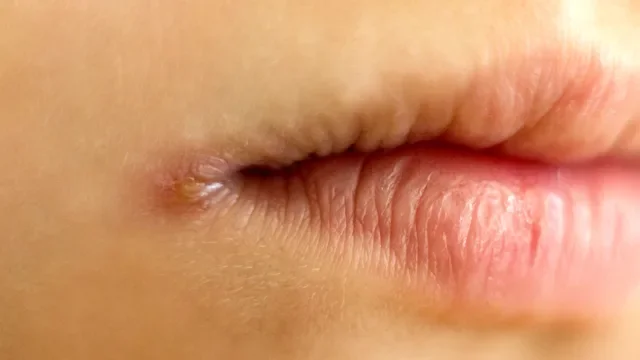
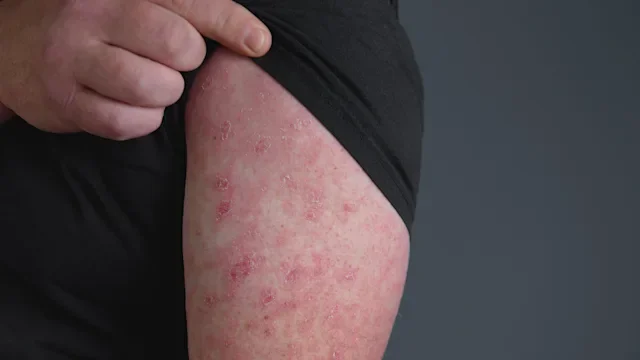
Pictures of molluscum bumps in different stages
The molluscum rash changes in appearance throughout the course of the infection. The total time for the virus to run its course is usually about 6 to 12 months. In rare cases, it can last up to several years.
There are different stages of the virus, and it’s common to have more than one stage at once. Let’s look at the stages of molluscum and how the rash looks in each stage.
Early-stage molluscum contagiosum
In the beginning, the rash looks like pinheads: tiny, shiny, skin-colored bumps or domes. This usually happens between 2 weeks and 2 months after you came into contact with the pox virus

Established molluscum contagiosum
As the rash progresses, the bumps get bigger (the size of a pencil eraser), and you can usually see a dimple in the middle. Sometimes, the rash also becomes itchy.
As the rash progresses, the bumps get bigger (the size of a pencil eraser), and you can usually see a dimple in the middle. Sometimes, the rash also becomes itchy.

Inflamed molluscum contagiosum
As molluscum contagiosum progresses over weeks and months, it’s common for the dimple to fill with a white core. The surrounding area may also become red and irritated. Although the rash can appear worse, this stage actually means your body is starting to fight off the virus.

Healing (final) stage
After several months, the rash will slowly start to clear up. In the final stages you’ll sometimes notice some residual red or brown irritated areas.

What is the treatment for molluscum contagiosum?
There are many different approaches to treating and healing molluscum. The best treatment for you depends on several factors, like how bothersome or widespread it is.
Prescription medications
Prescription topical medications are applied directly to the molluscum spots on the skin. Some of these treatments you can apply at home. Others are done in your healthcare professional’s office. Most of these treatments take several weeks to work.
Here are some common prescription topical molluscum contagiosum treatments:
Cantharidin (Ycanth): Cantharidin is the only FDA-approved treatment for molluscum that’s made by the blister beetle. It’s not clear how it works to treat molluscum. But when applied to the rash, it causes a small blister to form, which helps lift off the molluscum. A healthcare professional will apply it once every 3 weeks in their office (usually about 4 times total). Cantharidin treatment can be painful, but studies show most people are happy with the results. Cantharidin is safe for most people, including children.
Retinoids: Retinoids are topical medications that are FDA approved to treat acne but are sometimes used off-label to treat molluscum. They are available by prescription. They cause a local skin irritation, which stimulates the immune system to clear the virus. You’ll typically apply retinoid creams (like tretinoin) 3 times a week at home. Retinoids are safe for most people. You shouldn’t use retinoids if you are pregnant.
Imiquimod (Aldara): Imiquimod is another prescription cream that you can apply 2 to 3 times a week at home. It also stimulates the immune system to fight the virus. It can cause burning, itching, and redness. Imiquimod is not recommended for children with molluscum. Experts also recommend trying other treatments that are less likely to cause irritating side effects before trying imiquimod. It’s not FDA approved to treat molluscum.
Podofilox (Condylox): Podofilox is a prescription cream that you can apply at home twice a day for 3 days, followed by no treatment for 4 days. It also treats molluscum by irritating the skin and stimulating the immune system. It’s not FDA approved to treat molluscum.
Over-the-counter treatments
There are some over-the-counter (OTC) treatments that can help treat molluscum. For OTC treatments, salicylic acid and benzoyl peroxide may be good options. You’ll apply these 3 to 4 nights a week. These treatments also cause irritation and stimulate the immune system. These treatments aren’t FDA approved for molluscum. They may not work well for everyone.
Pills
Research shows that oral cimetidine (Tagamet) helps in some kids, especially those with other skin conditions like eczema. Having a skin condition may help the immune system fight off the virus more easily. But people usually need to use cimetidine in combination with other topical treatments.
Curettage
This is a procedure in which a dermatologist numbs and then scrapes off the bumps. Some people prefer this option if they have visible bumps that are bothering them (like bumps on the face). But this treatment isn’t a cure. Since the virus is still active in the body, the rash can come back elsewhere.
Freezing
The molluscum contagiosum bumps can also be frozen off with liquid nitrogen. It can be painful and cause scarring. And, like curettage, it isn’t a cure. The rash can come back after treatment.
Laser
This treatment uses special laser equipment to get rid of the bumps. But, because it requires a special machine, it isn’t always an option. It can be very expensive. And it can also take a couple of treatments to work.
Home remedies for molluscum contagiosum
People have tried many different home remedies for molluscum over the years. Most of these treatments haven’t been well studied, and some may actually be harmful. In general, it’s best to avoid these home remedies and opt for proven treatment approaches.
Here’s what the research says about these popular home remedies:
Duct tape: There’s very little research showing that duct tape can work for molluscum. It can also lead to skin irritation, especially in people prone to skin inflammation.
Garlic: Some reports show that garlic may help with warts, but it hasn’t been studied in molluscum.
Tea tree oil: A very small study showed that a low concentration of tea tree oil could help clear molluscum. Keep in mind that because it’s a natural product, the concentration isn’t well regulated. Tea tree oil can cause burns and blisters.
Iodine: Very little research has shown that iodine can work for molluscum. Iodine shouldn’t hurt the skin, but it can cause staining and discoloration.
Apple cider vinegar: No research has shown that apple cider vinegar works on molluscum. It can actually cause chemical burns and shouldn’t be applied directly to the skin.
Zinc oxide and colloidal oatmeal: A very small study showed that this combination could help improve molluscum in some people.
No matter which treatment you try for molluscum, don’t try to pop them. This isn’t recommended. It increases the risk of a bacterial infection and scarring.
What are the complications of molluscum contagiosum?
Infection is the most common complication of molluscum. This is more likely if you’ve been scratching them a lot. This can introduce bacteria into the skin, which then turns into a second infection on top of the bumps.
A bacterial infection of the skin is called cellulitis. Signs of cellulitis include:
Increasing redness and warmth in the surrounding area
Pain or tenderness to the touch
Fevers or chills
Other flu-like symptoms, like joint pain or feeling out of it (malaise)
It’s important to note that signs of inflammation — like fluid-filled bumps and redness — are one of the natural stages of the rash. As mentioned above, this typically happens several weeks to months after the rash starts. And it’s actually a sign that your body’s immune system is fighting the rash. So, it’s typically a sign that you’re on your way to getting better.
But these changes shouldn’t cause pain or fever. So, when in doubt, reach out to a healthcare professional for evaluation. If it’s cellulitis, you may need antibiotics for treatment.
How do you prevent molluscum contagiosum?
A molluscum infection can be bothersome and last a long time. So, it makes sense to pay close attention to prevention when you or someone you know has it.
There are several ways to help limit the spread of molluscum:
Don’t touch the rash: Touching, picking, or scratching the rash are the easiest ways to spread the virus to other parts of your body. So, if you have molluscum, avoid touching, picking, or scratching it.
Wash your hands: If you do touch a bump, be sure to wash your hands thoroughly with soap and water.
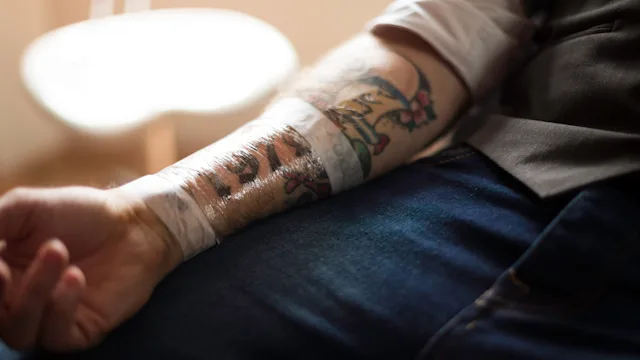
Cover the rash: If you or your child will be in close contact with others, keep the rash covered. In general, clothing works better than bandages. And adhesive bandages can often make irritation and itching worse.
Don’t bathe with others: If your child has molluscum, don’t bathe them with siblings or other children.
Pay attention to how you use towels: Dry off unaffected parts of the body first. Then, pat areas with a rash dry. Wash towels after each use. And, don’t share towels.
Keep skin moisturized: This can prevent dry skin and worsening itchiness. It can also help prevent tiny cracks in the skin, which can spread the virus even more. Unscented lotions are best to avoid further skin irritation.
Avoid shaving or electrolysis: Shaving and electrolysis can lead to tiny injuries to the skin, which allows the virus to get into the skin.
Frequently asked questions
Molluscum is contagious as long as you have active spots. This means you should keep them covered (either with a bandage or clothing) if you could come into contact with other people. Once the bumps have crusted over and healed, they’re no longer contagious.
Clean the area with mild soap and water if your bumps pop. Then, apply petroleum jelly (Vaseline). This will help prevent it from spreading and from getting a bacterial skin infection. Avoid picking the area as it heals.
Molluscum can look similar to other common growths, like cysts, sebaceous hyperplasia, acne, warts, and even skin cancer. If you’re not sure what you have, it’s best to get checked out by a healthcare professional.
Yes, the virus that causes molluscum can spread on bedding, like sheets, blankets, and duvet covers. Wear pajamas or clothing that covers your rash when you go to bed, especially if you share a bed with someone else. Keeping your rash covered will stop the virus from spreading to bedsheets, where others can pick it up. This can also help stop the virus from spreading to other parts of your own body.
Differin (adapalene) is a type of retinoid. Prescription-strength retinoids are sometimes used off-label to treat molluscum, but they don’t work well for everyone. There aren’t any studies looking specifically at Differin for molluscum, so we don’t know how effective it is for this use.
Molluscum is contagious as long as you have active spots. This means you should keep them covered (either with a bandage or clothing) if you could come into contact with other people. Once the bumps have crusted over and healed, they’re no longer contagious.
Clean the area with mild soap and water if your bumps pop. Then, apply petroleum jelly (Vaseline). This will help prevent it from spreading and from getting a bacterial skin infection. Avoid picking the area as it heals.
Molluscum can look similar to other common growths, like cysts, sebaceous hyperplasia, acne, warts, and even skin cancer. If you’re not sure what you have, it’s best to get checked out by a healthcare professional.
Yes, the virus that causes molluscum can spread on bedding, like sheets, blankets, and duvet covers. Wear pajamas or clothing that covers your rash when you go to bed, especially if you share a bed with someone else. Keeping your rash covered will stop the virus from spreading to bedsheets, where others can pick it up. This can also help stop the virus from spreading to other parts of your own body.
Differin (adapalene) is a type of retinoid. Prescription-strength retinoids are sometimes used off-label to treat molluscum, but they don’t work well for everyone. There aren’t any studies looking specifically at Differin for molluscum, so we don’t know how effective it is for this use.
The bottom line
Molluscum contagiosum is a harmless but long-lasting skin infection. Although the bumps eventually go away without treatment, many people choose therapy to speed healing, especially if the rash is spreading, itchy, or affecting visible areas. Treatment options range from FDA-approved cantharidin and prescription creams like retinoids to procedures like freezing or scraping. Avoid popping bumps because this can cause irritation or infection. Talk with your healthcare team about which approach makes sense for you. Your team can help you decide whether to wait molluscum out or try treatment.

Why trust our experts?



Images used with permission from VisualDx (www.visualdx.com).
References
Bunick, C. G., et al. (2012). Chemical burn from topical apple cider vinegar. Journal of the American Academy of Dermatology.
Burke, B., et al. (2004). Essential oil of Australian lemon myrtle (Backhousia citriodora) in the treatment of molluscum contagiosum in children. Biomedicine & Pharmacotherapy.
Centers for Disease Control and Prevention. (2025). About molluscum contagiosum.
Eichenfield, L.F., et al. (2020). Safety and efficacy of VP-102, a proprietary, drug-device combination product containing cantharidin, 0.7% (w/v), in children and adults with molluscum contagiosum: Two phase 3 randomized clinical trials. JAMA Dermatology.
Hwang, A., et al. (2022). Integrative therapies for warts and molluscum contagiosum. Journal of Integrative Dermatology.
Kumar, G., et al. (2025). Molluscum contagiosum. StatPearls.
Lindau, M. S., et al. (2004). Use of duct tape occlusion in the treatment of recurrent molluscum contagiosum. Pediatric Dermatology.
Ludmann, P. (2025). Molluscum contagiosum: Diagnosis and treatment. American Academy of Dermatology Association.
Safa, G., et al. (2010). Successful treatment of molluscum contagiosum with a zinc oxide cream containing colloidal oatmeal extracts. Indian Journal of Dermatology.
Silverberg, N. B., et al. (2000). Childhood molluscum contagiosum: experience with cantharidin therapy in 300 patients. Journal of the American Academy of Dermatology.
Singh, A., et al. (2022). Podophyllin in dermatology: Revisiting a historical drug. Indian Dermatology Online Journal.
U.S. Food and Drug Administration. (2023). FDA approves first treatment for molluscum contagiosum.
van der Wouden, J. C., et al. (2017). Interventions for cutaneous molluscum contagiosum. The Cochrane Database of Systematic Reviews.
van der Wouden, J.C., et al. (2018). Interventions for nongenital molluscum contagiosum in persons without immune deficiency. JAMA Dermatology.