Shingles: Symptoms, Causes, and Treatments
Comprehensive information for you or a loved one — including treatment options and discounts on popular medications.

Shingles is a painful rash caused by the varicella-zoster virus (VZV). VZV is the same virus that causes chickenpox. After a person is infected with chickenpox and recovers, the virus stays inactive in nerves. It can reactivate much later, causing shingles.
“Herpes zoster” is another name for shingles. This is because VZV belongs to a group of viruses called “herpesviruses.” The other name for VZV is “human herpesvirus 3.” It’s important to note that VZV doesn’t cause genital herpes.
There are about 1 million cases of shingles each year in the U.S. About 1 in 3 adults will get it in their lifetime.
Here, we’ll discuss the clinical features of shingles, when you should see a healthcare professional, and if the shingles vaccine is right for you.


Rash and discomfort are the most common shingles symptoms. Signs of shingles progress through three stages, which are described below.
In the prodromal, or early stage, shingles typically starts off with burning, stabbing, or shooting pain on one side of the body or face. There can also be a tingling or itching feeling to the area.
Some people also have generalized symptoms such as:
Headache
Fatigue
Light sensitivity
Fever
Enlarged lymph nodes
This stage lasts 1 to 4 days. People don’t have a rash during this stage.
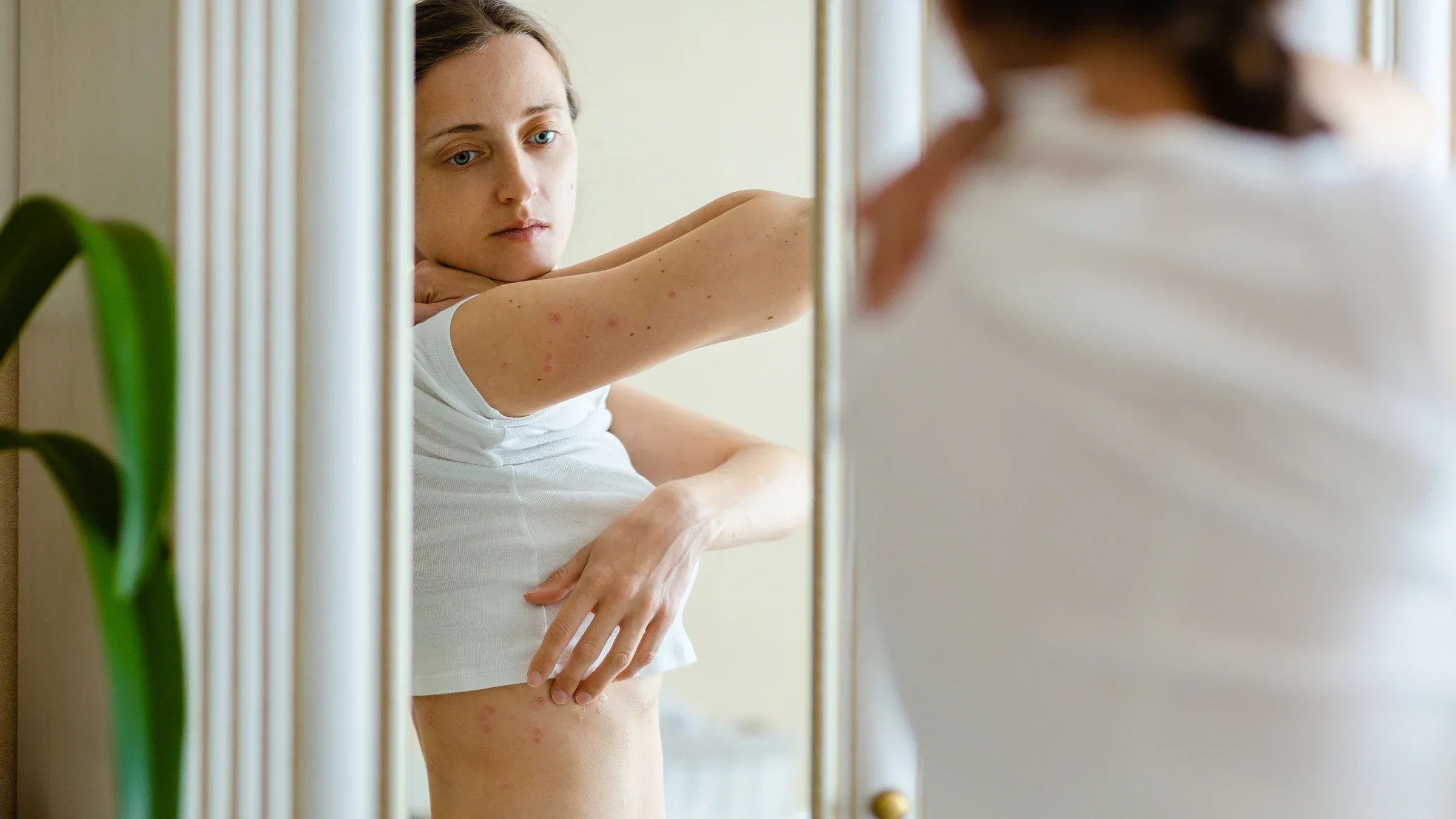
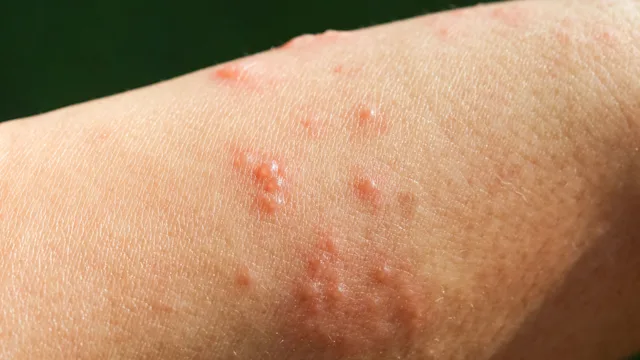
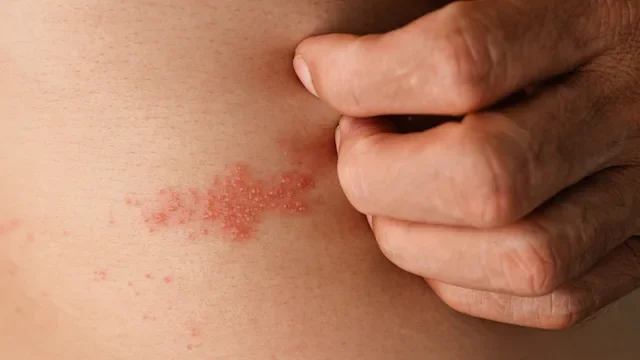
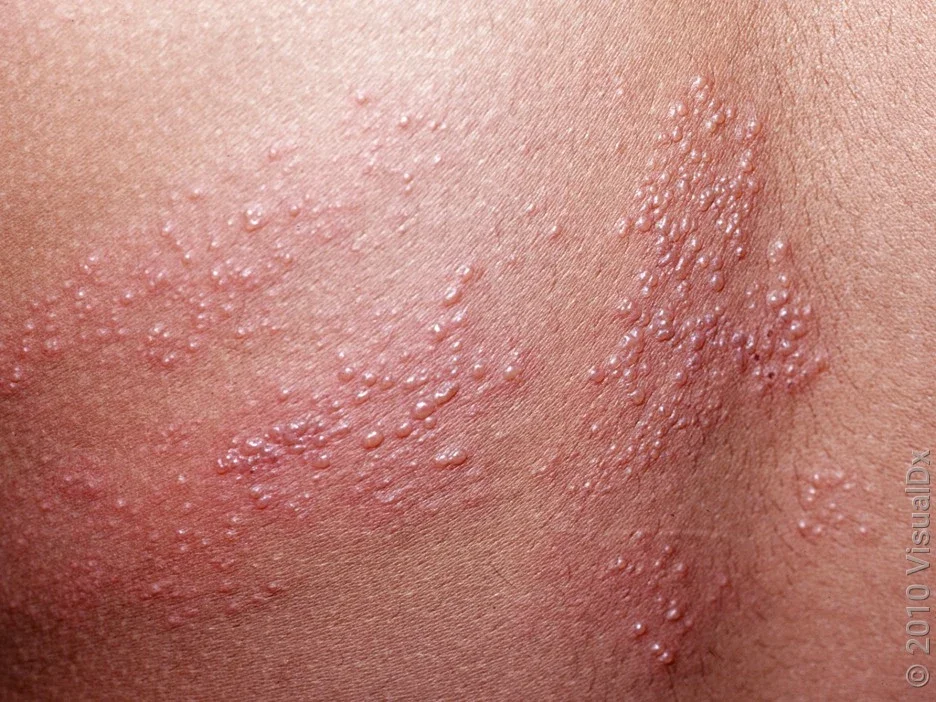
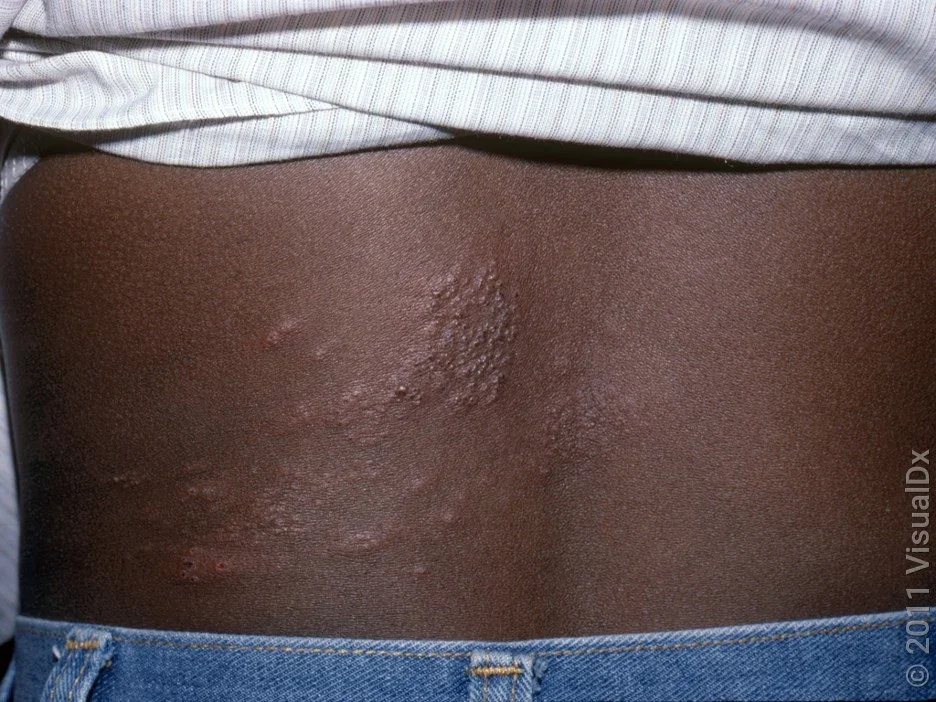
Pain from the shingles rash typically peaks at this time. The shingles rash also starts during stage 2. The rash looks like a collection of red, fluid-filled blisters. They follow a band, stripe, or belt-like pattern on one side of the body (this band of skin is called a “dermatome”). The term “shingles” comes from the Latin word “cingulum,” which means belt or girdle.
Shingles can happen anywhere on the body. But it most commonly occurs on the chest or back. This second stage lasts 7 to 10 days.
Healing begins in the third and final stage. The rash will slowly become less painful and start to dry and crust over. This stage usually lasts about 2 to 4 weeks.
Here are some pictures of shingles during stages 2 and 3.

Compare prices and information on the most popular Shingles medications.
The varicella-zoster virus (VZV) causes shingles. After someone has chickenpox, VZV can hide in sensory nerve fibers in the brain and spinal cord.
The virus can reactivate at any time. But this tends to happen more as people get older, become sick, or have a weakened immune system. When the virus reactivates, it can travel down a single nerve and cause a rash and painful sensations along the “belt” of skin connected to that nerve.
Anyone who’s had chickenpox before is at risk of developing shingles. You can’t get shingles if you’ve never had chickenpox.
The risk of developing shingles increases as you age. Most people develop shingles after age 50. Half of all cases are in adults over age 60. This is because the immune system weakens with age.
Other risk factors for developing shingles include:
Medical conditions that weaken the immune system
Medications that weaken the immune system
Stress due to serious injuries or surgeries
It’s not clear if psychological stress increases the risk for developing shingles.
Most of the time, a healthcare professional can tell if you have shingles by asking about your symptoms and looking at your rash. Additional tests can help if it’s not clear if someone has shingles or if there’s concern for complications from shingles.
You’ll need an eye exam if you have a shingles rash near your eye. The virus can infect your eye and lead to serious damage.
Antiviral and pain medications can help treat shingles.
Antiviral medications work best if you start them within 72 hours of when a shingles rash appears. This helps slow the virus from multiplying. Common antiviral medications for shingles include:
Acyclovir (Zovirax)
Valacyclovir (Valtrex)
Famciclovir (Famvir)
Over-the-counter pain medications can help ease pain. Examples of these are ibuprofen (Advil, Motrin), naproxen (Aleve), and acetaminophen (Tylenol). A healthcare professional may also recommend steroids (like prednisone).
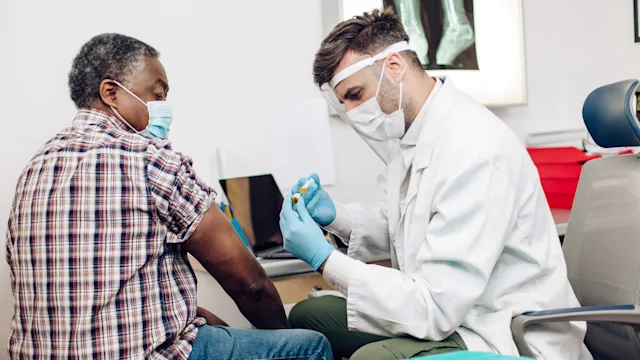
You should seek medical care as soon as possible if you think you may have shingles. Antiviral medications work best if you start taking them early.
Seek immediate care if you’re at higher risk for complications from shingles. You’re at higher risk if you:
Are over 50 years old
Have a weakened immune system
Have a rash over a large part of your body
Have a rash on your face or near your eye
Have facial paralysis, vertigo, or hearing changes
Have a fever
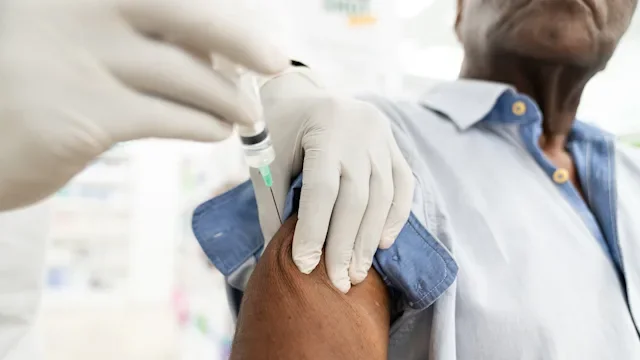
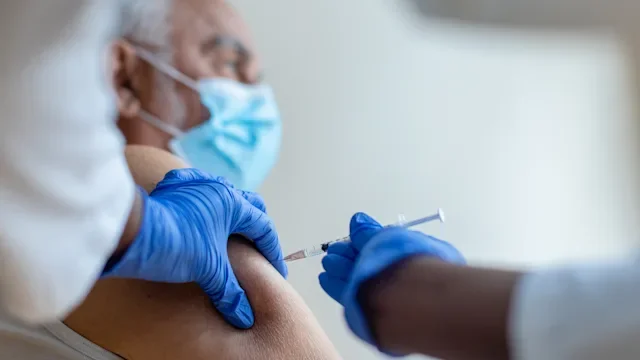
The shingles vaccine can keep you from developing shingles. Shingrix is currently recommended for adults ages 50 and older. You can get a shingles vaccine even if you had shingles in the past. You should get an updated shingles vaccine if you received Zostavax, another shingles vaccine that’s no longer available in the U.S.
Researchers found the vaccine to be over 97% effective at preventing shingles in adults age 50 and older.
The Advisory Committee on Immunization Practices doesn’t recommend a shingles vaccine for anyone under 50 years old.
Most cases of shingles last 2 to 5 weeks. But, in some cases, pain can persist for months. This is called “postherpetic neuralgia,” and it’s the most common complication of shingles.
Most cases of shingles last 2 to 5 weeks. But, in some cases, pain can persist for months. This is called “postherpetic neuralgia,” and it’s the most common complication of shingles.
A person with shingles can’t pass shingles to another person. But they can pass VZV to someone who isn’t immune to chickenpox. Experts recommend that people with shingles avoid contact with people who haven’t been completely vaccinated against chickenpox, like babies and young children.
The shingles rash is contagious, and it can spread VZV until it has dried and crusted over. It’s important to cover the rash to decrease the risk of spreading VZV. You should stay home if you have a shingles rash that can’t be completely covered by clothing or a bandage until the rash has crusted over.
A shingles rash will heal on its own. But you should seek care if you think you have shingles. Getting treatment can help speed up healing, reduce pain, and lower the risk of complications. How long does shingles last?
Most cases of shingles last 2 to 5 weeks. But, in some cases, pain can persist for months. This is called “postherpetic neuralgia,” and it’s the most common complication of shingles.
A person with shingles can’t pass shingles to another person. But they can pass VZV to someone who isn’t immune to chickenpox. Experts recommend that people with shingles avoid contact with people who haven’t been completely vaccinated against chickenpox, like babies and young children.
The shingles rash is contagious, and it can spread VZV until it has dried and crusted over. It’s important to cover the rash to decrease the risk of spreading VZV. You should stay home if you have a shingles rash that can’t be completely covered by clothing or a bandage until the rash has crusted over.
A shingles rash will heal on its own. But you should seek care if you think you have shingles. Getting treatment can help speed up healing, reduce pain, and lower the risk of complications.
Images used with permission from VisualDx (www.visualdx.com).
Centers for Disease Control and Prevention. (n.d.). Shingles (herpes zoster).
Dooling, K. L., et al. (2018). Recommendations of the advisory committee on immunization practices for use of herpes zoster vaccines. Centers for Disease Control and Prevention.

Prescription savings
Stop paying too much for your prescriptions. Compare prices, get pharmacy coupons, and save up to 80%. Find expert answers to your health questions so you can make the best decisions for yourself and your family.
Health conditions
Medications & treatment
Access & affordability
 Our monthly healthcare membership can help you save thousands on your prescription costs.
Resources