Key takeaways:
With prediabetes, blood glucose is higher than normal. This puts you at higher risk for Type 2 diabetes.
Early prediabetes treatments and lifestyle changes can prevent or delay Type 2 diabetes. So, if you’ve been diagnosed with prediabetes, it’s time to take action.
Talk with your healthcare team to learn more about effective and safe lifestyle changes.
Save on related medications
If you’ve been told that you have prediabetes, you may feel overwhelmed and scared about what this means for your health. Or maybe you feel like it’s not so bad because it’s not “full-blown” diabetes. Either way, you’re probably wondering about what happens next and what you can expect moving forward.
Here are the key things to know about prediabetes and treatment, plus how to take care of yourself if you’ve been diagnosed with it.
What is prediabetes?
Prediabetes is when your blood sugar (glucose) is higher than normal but not high enough for a diagnosis of Type 2 diabetes. With prediabetes, you’re in the beginning stage of diabetes.
Prediabetes is a common condition. About 1 in 3 adults have prediabetes, and 80% of people don’t know they have it. This is because it can take some time for symptoms to develop. If a healthcare professional thinks you’re at high risk for prediabetes, a blood test can help detect it.
You can also take this 1-minute test to figure out your risk of prediabetes.
What are the prediabetes blood test ranges?
Prediabetes is diagnosed with one (or more) of the following blood tests and ranges:
Fasting blood sugar: 100 mg/dL to 125 mg/dL
Hemoglobin A1C: 5.7% to 6.4%
Oral glucose tolerance: 140 mg/dL to 199 mg/dL
Many people think the “pre” in prediabetes means that it’s not something to worry about. While it has fewer health risks than Type 2 diabetes, it still carries its own set of complications. And if you have prediabetes, you’re at a higher risk for developing Type 2 diabetes in the near future.
Can prediabetes be reversed?
Yes, unlike Type 2 diabetes, you may be able to reverse prediabetes. With the right changes, you can still bring your blood sugar and A1C back to normal.
What are the symptoms of prediabetes?
Prediabetes usually doesn’t cause noticeable symptoms. This is why many people don’t know they have it until blood tests show elevated blood sugar. When symptoms do appear, they’re often mild and easy to overlook. These can include:
Increased thirst
More frequent urination
Fatigue
Blurry vision
Some people may also notice darkened patches of skin on the neck or underarms (acanthosis nigricans), which can be a sign of insulin resistance.
Because symptoms aren’t reliable, blood testing is the only way to confirm prediabetes. If you have risk factors, screening is important even if you feel healthy.
Lifestyle changes for prediabetes
Most people manage prediabetes with lifestyle changes, including diet and exercise. Awareness is key with prediabetes. Knowing what causes your blood glucose to go up or down can help to shape your changes.
Diabetes-friendly diet
Talk to a healthcare professional or meet with a dietitian to learn about helpful dietary changes. It’s not just about what you eat. How much you eat and in what combinations are also important.
Changes may be as simple as adding more veggies or whole grains to your daily routine. Or it might include measuring serving sizes and counting calories. Necessary changes vary from person to person.
To eat a diabetes-friendly diet, start with these steps:
Take a closer look at what you’re eating and drinking every day.
Create a balanced plate.
Eat to prevent diabetes. You can do this with minimally processed whole foods, fiber-rich fruits and vegetables, lean proteins, healthy fats, and moderate amounts of complex carbohydrates.
Incorporate suggested changes from your care team.
Build in regular exercise
To lower your risk of Type 2 diabetes, the American Diabetes Association (ADA) recommends 150 minutes of physical activity per week (a little over 20 minutes a day). If you’re wondering why movement is so important with prediabetes, here’s why:
Your muscles use glucose for energy when you’re exercising.
Exercise improves your body’s sensitivity to the insulin it makes.
Together, these factors help to lower your blood glucose level. With the help of your care team, you’ll decide on a plan that’s best for you. As long as the exercise gets your heart pumping a little harder, you’ll be getting the benefits you need.
If you smoke, stop
If you smoke, you’re 30% to 40% more likely to get Type 2 diabetes. This is because nicotine increases blood sugar levels and increases insulin resistance.
It’s plain and simple: Smoking is bad for your health. It causes damage to your heart and lungs and raises your risk for a heart attack or stroke. If you don’t smoke, don’t start. If you do, consider stopping:
Get support by talking to a healthcare professional.
Identify your smoking triggers.
Ask about medications that can help you stop smoking.
Join a smoking cessation program.
Consider weight loss
If you have a body mass index (BMI) that’s considered overweight or obese, losing weight can reverse prediabetes.
Get started with these healthy steps:
Create realistic goals.
Monitor and improve your sleeping habits.
Be mindful of your eating habits.
Begin (or continue to) move your body every day. And track your steps.
Identify the cause of your stress, and take actions to reduce it.
Speak with a healthcare professional about whether medications are an option for you.
Weight-loss medications for prediabetes
Prediabetes isn’t a medical condition that’s treated with medications. In fact, no medications are FDA approved for the treatment of prediabetes. But, for some people with prediabetes, nutritious eating and exercise aren’t enough to prevent prediabetes from progressing to Type 2 diabetes. This may include people who have a BMI that’s considered overweight or obese.
So, if you have prediabetes, and you also have excess weight, weight-loss medications can be helpful to lower your risk of Type 2 diabetes. That’s because prediabetes and Type 2 diabetes are considered medical complications of being overweight.
Put another way: If you have prediabetes and a BMI that’s higher than normal, you have a higher risk for developing Type 2 diabetes. And weight-management medications can help prevent that.
Keep in mind: These aren’t medications that treat prediabetes. They’re weight-loss medications that can help prevent Type 2 diabetes in certain at-risk groups.
Here are a few medications that are commonly used “off-label” for weight management in people at risk of Type 2 diabetes.
Metformin
Metformin is one of the oldest diabetes medications. And it’s still one of the most commonly prescribed treatments for Type 2 diabetes. It’s a prescription medication that you take by mouth.
Metformin can lower blood sugar levels by helping the body:
Make less glucose
Use its natural insulin better
Reduce the amount of glucose absorbed from your diet
It’s the only medication the ADA recommends to prevent Type 2 diabetes. It’s available as a lower-cost generic, which makes it a great option for many people.
GLP-1 agonists
There’s a growing class of medications for Type 2 diabetes that also help with weight loss: glucagon-like peptide-1 (GLP-1) agonists. Most are FDA approved to treat Type 2 diabetes, and some are also approved for weight loss.
None are approved for the treatment of prediabetes. But healthcare professionals may turn to one of these medications to help people at risk for Type 2 diabetes manage their weight.
Wegovy and Ozempic for prediabetes
For example, Wegovy (semaglutide) is a GLP-1 agonist that you can take as a daily pill or once a week as an injection. It works by mimicking a natural hormone in your body — GLP-1 — to do the following:
Lower your appetite
Slow your digestion
Reduce your food intake
Semaglutide is also FDA approved to treat Type 2 diabetes by injection (Ozempic) or a daily pill (Rybelsus). Tirzepatide as Mounjaro is a similar medication that may be used to treat Type 2 diabetes. It may also be prescribed off-label as Zepbound for weight loss and preventing the progression to Type 2 diabetes.
What’s the minimum BMI for Wegovy?
Wegovy is approved for adults with a BMI of 30 and above. It’s also approved for adults with a BMI of 27 and above who have one or more weight-related complications, like:
High blood pressure
High cholesterol
Diabetes
Wegovy is also FDA approved for use in children ages 12 and older who meet certain requirements.
Is Wegovy covered by insurance or Medicare?
Not all Medicare and insurance plans cover Wegovy: It depends on your health conditions and why you’re taking it. And it’s not available as a generic, so cost can be an issue. But there are ways to save with manufacturer copay savings cards, patient assistance programs, and GoodRx Care Direct.
Do you have to take prediabetes medication forever?
You may be able to stop taking prediabetes medication if your blood sugar and A1C return to normal. Always talk to a healthcare professional before stopping anything you’ve been prescribed.
How to monitor and track prediabetes
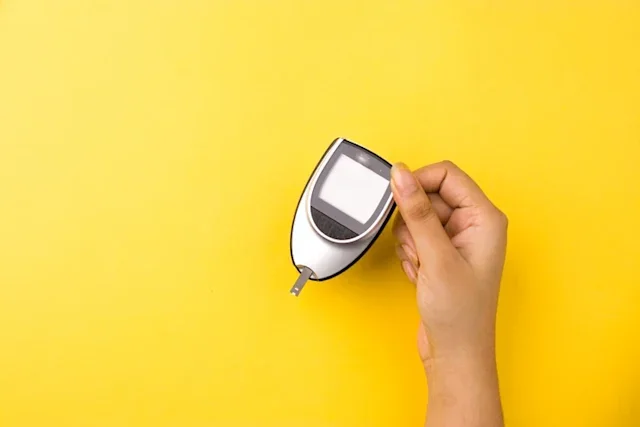
Besides lifestyle changes and medications, your healthcare team may ask you to get regular blood tests — and it’s important to do them when they’re ordered. This is the only way you’ll know if your lifestyle changes are improving your glucose levels. You can expect to test about every 3 to 6 months while your levels are above normal.
If you’re taking metformin, your prescriber will run additional tests from time to time to make sure your body is still healthy enough to tolerate it. For example, if your tests show that you’re starting to have kidney problems, you may have to stop taking metformin. While metformin doesn’t cause kidney damage, you need healthy kidneys to filter the medication out of your body. To avoid future complications, keep up-to-date with any tests your prescriber orders.
If you reverse your prediabetes, chances are your healthcare team will monitor your blood sugar levels to make sure you don’t develop it again. It’s important to have tests done even if you seem and feel healthy. It’s possible for your blood glucose to change throughout your life. Once you achieve normal, in-range blood sugars, it’s important to stick with your healthy lifestyle changes.
Quiz: Do I have diabetes?
Alternative prediabetes treatments
You may be wondering about alternative ways to treat prediabetes. Here are some tips:
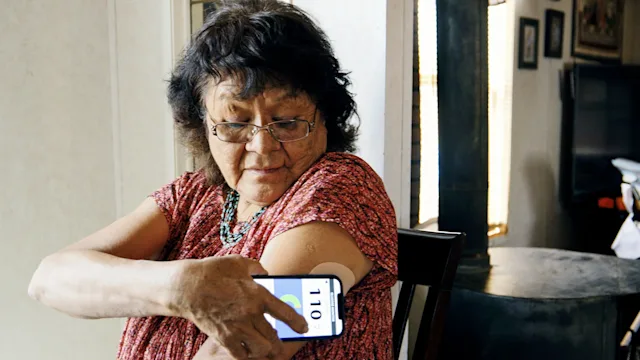
Consider trying a continuous glucose monitor (CGM) to understand how your lifestyle choices affect glucose levels.
Consider trying other options like acupuncture, biofeedback, massage, yoga, and others.
Consider herbs and supplements that may be able to help lower your blood sugar.
If you’re interested in exploring alternative options, talk to your diabetes care team to discuss options that might work for you.
Frequently asked questions
There’s no set timeline, but some people see significant improvements in their blood sugar levels after about 3 months of making consistent lifestyle changes. The speed of reversal depends on factors like your starting A1C level, how much weight you lose, and how your body responds to exercise. Consistency is key, as the goal is to create sustainable habits that keep your levels in the healthy range for the long term.
If you have prediabetes, you should limit foods that cause sharp spikes in blood sugar. These include sugary sodas, white breads, and highly processed snacks. You may want to avoid foods that contain added sugars, which the body digests very quickly. Replacing these foods with high-fiber whole grains, lean proteins, and plenty of vegetables can help keep your glucose levels stable throughout the day.
Unfortunately, prediabetes typically doesn’t go away without intentional changes to your diet, activity levels, or medication. Because it’s a progressive condition, it’s more likely to develop into Type 2 diabetes over time if left unmanaged. The good news is that it can be reversed. Taking action with exercise, diet modification, and lifestyle changes can reverse the trend and return your blood sugar to its normal range.
There’s no set timeline, but some people see significant improvements in their blood sugar levels after about 3 months of making consistent lifestyle changes. The speed of reversal depends on factors like your starting A1C level, how much weight you lose, and how your body responds to exercise. Consistency is key, as the goal is to create sustainable habits that keep your levels in the healthy range for the long term.
If you have prediabetes, you should limit foods that cause sharp spikes in blood sugar. These include sugary sodas, white breads, and highly processed snacks. You may want to avoid foods that contain added sugars, which the body digests very quickly. Replacing these foods with high-fiber whole grains, lean proteins, and plenty of vegetables can help keep your glucose levels stable throughout the day.
Unfortunately, prediabetes typically doesn’t go away without intentional changes to your diet, activity levels, or medication. Because it’s a progressive condition, it’s more likely to develop into Type 2 diabetes over time if left unmanaged. The good news is that it can be reversed. Taking action with exercise, diet modification, and lifestyle changes can reverse the trend and return your blood sugar to its normal range.
The bottom line
Prediabetes doesn’t usually cause symptoms, so you likely won’t know you have it unless you get tested. But a prediabetes diagnosis means it’s time to take action. You can improve your blood glucose levels and reverse prediabetes. The most effective ways to do this are lifestyle changes (like exercise and balanced eating), managing weight, monitoring glucose levels, and taking medications as prescribed.

Why trust our experts?



References
Ad Council. (2023). Do I have prediabetes?
American Diabetes Association. (n.d). Prediabetes.
American Diabetes Association. (n.d). Understanding A1C: Diagnosis.
Centers for Disease Control and Prevention. (2024). Prediabetes — your chance to prevent type 2 diabetes.
Chen, J., et al. (2023). Application of natural compounds in the treatment and prevention of prediabetes. Frontiers in Nutrition.
Colberg, S. R., et al. (2016). Physical activity/exercise and diabetes: A position statement of the American diabetes association. Diabetes Care.
ElSayed, N. A., et al. (2022). 3. Prevention or delay of type 2 diabetes and associated comorbidities: Standards of care in diabetes — 2023. Diabetes Care.
Endocrine Society. (2022). CGM and prediabetes.
Galaviz, K. I., et al. (2022). Interventions for reversing prediabetes: A systematic review and meta-analysis. American Journal of Preventive Medicine.
Pandey, A., et al. (2011). Alternative therapies useful in the management of diabetes: A systematic review. Journal of Pharmacy & Bioallied Sciences.
Schlesinger, S., et al. (2022). Prediabetes and risk of mortality, diabetes-related complications and comorbidities: Umbrella review of meta-analyses of prospective studies. Diabetologia.
Smokefree.gov. (n.d.). Know your triggers.
U.S. Food and Drug Administration. (2024). How smoking can increase risk for and affect diabetes.