Moderate to Severe Plaque Psoriasis: Causes, Symptoms, and Treatment
Comprehensive information for you or a loved one — including treatment options and discounts on popular medications.

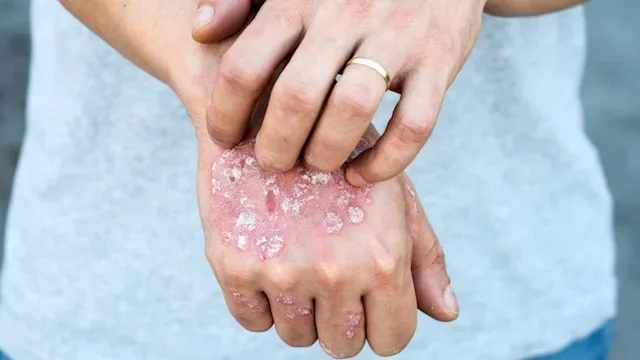
Psoriasis is an autoimmune skin disorder that causes painful or itchy rashes. These rashes can occur anywhere on your body. Some areas of the skin become thick, discolored, and covered with white or gray scales. These areas are called “plaques.” Plaque psoriasis is the most common type of psoriasis.
Psoriasis is a chronic (lifelong) condition that can sometimes get worse, or “flare up.” Certain foods, medications, and lifestyle factors can trigger these flares.
About 1 in 3 people with psoriasis also get psoriatic arthritis. This causes joint pain, stiffness, and swelling along with psoriatic rashes. Many people with psoriasis also have nail changes and eye problems.


Plaque psoriasis starts when skin cells grow too fast. This causes the cells to get stuck on the surface of your skin and form thick plaques.
Plaque psoriasis can cause different signs and symptoms, including:
Itching
Pain
Tenderness
Bleeding
Cracked skin
Nail pain or discomfort
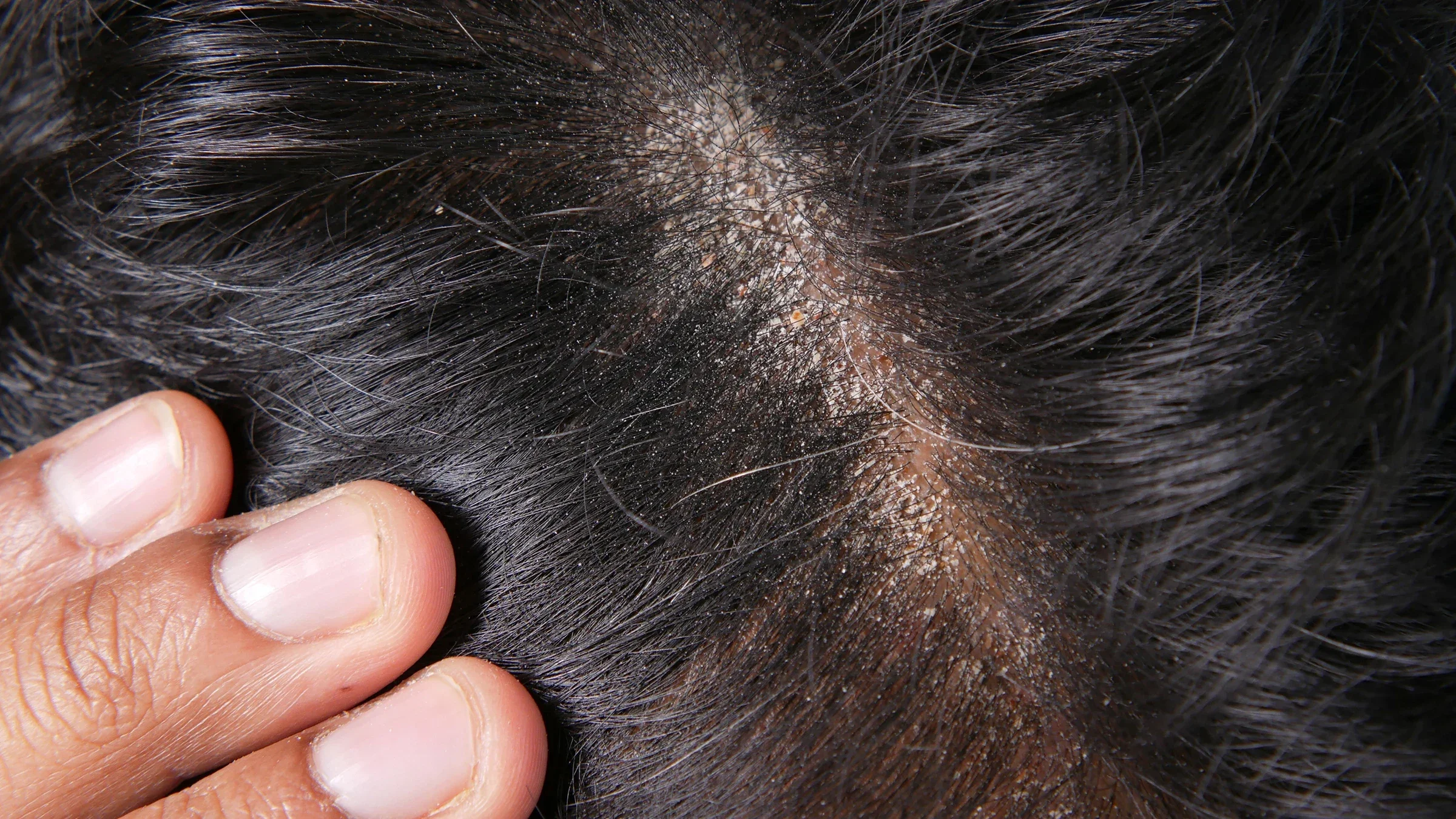
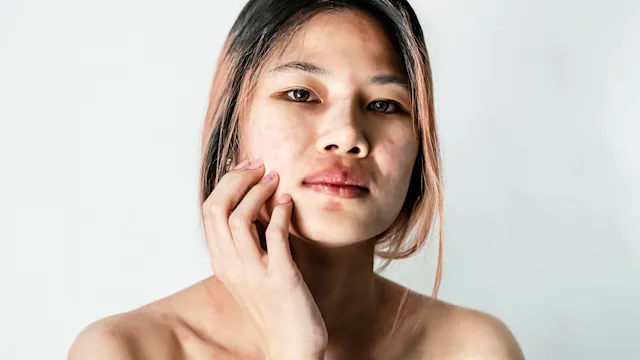
Psoriasis plaques are thick, raised patches of skin with well-defined borders. They’re usually covered in gray or white scales. On lighter skin, the plaques are usually pink or red. On darker skin tones, they may look more violet, grey, brown, or tan.
Psoriasis can also affect your nails, causing:
Tiny pits (dents)
Thickened nails
Nails that lift off and separate from the nail bed
Discoloration
Ridges
Compare prices and information on the most popular Plaque Psoriasis medications.
Plaque psoriasis is caused by an overactive immune system. This leads to inflammation in your skin and throughout your body. Scientists aren’t exactly sure why this happens, but it’s likely a combination of your genes and environmental exposures.
Many different triggers can start or make psoriasis worse. Common triggers include:
Medications (like beta blockers and lithium)
Drinking alcohol
Smoking
Certain foods (like sugar and ultra-processed foods)
Infections (like strep throat or the flu)
Stress
Skin injuries (like cuts and scrapes)
People of any age, race, or gender can develop psoriasis. But some things can raise your risk, including:
Being diagnosed with obesity
Being an adult
Having a family member with psoriasis
Having another autoimmune disease (like celiac disease or Crohn’s disease)
A healthcare professional can usually diagnose plaque psoriasis by looking at your skin and learning about your symptoms. Sometimes, they may recommend a biopsy to confirm the diagnosis. Most people with plaque psoriasis get a referral to a dermatologist (a skin specialist).
Your dermatologist may categorize your psoriasis as mild, moderate, or severe. The category depends on how much of your skin is affected. It’s measured by the percentage of your body’s surface area (BSA) that’s impacted:
Mild psoriasis affects less than 3% of your BSA.
Moderate psoriasis affects 3% to 10% of your BSA.
Severe psoriasis affects more than 10% of your BSA.
You may also have moderate or severe plaque psoriasis if it affects your:
Hands
Feet
Face
Genitals
Psoriasis can also be very itchy, painful, or bothersome. If these symptoms affect your quality of life, your psoriasis may be moderate to severe.
There’s no cure for psoriasis. But there are more treatment options available now than ever before. Many people start with creams and ointments, but these may not work well enough on their own. When that happens, other treatments may be needed.
Non-medication treatments include:
Phototherapy (light therapy)
Complementary and alternative therapies, like acupuncture
Lifestyle changes, like quitting smoking and losing weight
Avoiding triggers, like stress and certain foods
These treatments and changes are often helpful when used along with stronger medications. Some medications can also make psoriasis worse. So, it’s a good idea to review your medication list with your prescriber.
Over-the-counter (OTC) moisturizers and creams are a good place to start. But they may not be enough if you have moderate to severe disease. In that case, prescription creams or systemic (whole body) treatments may be needed.
Many different prescription creams, gels, and ointments are available to treat psoriasis. Depending on your situation, you may use more than one type or combine them with other treatments:
Corticosteroid creams lower inflammation, itching, and redness. Examples include triamcinolone and mometasone.
Vitamin D analogues are chemically similar to vitamin D and help slow skin growth. One example is calcipotriene.
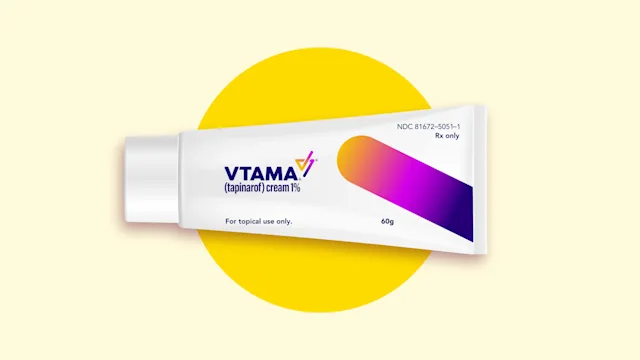
Aryl hydrocarbon receptor (AhR) agonists lower inflammation and improve the skin barrier. Vtama (tapinarof) is the first treatment in this class.
Phosphodiesterase-4 (PDE4) inhibitors change how your immune system works and lower inflammation. Zoryve (roflumilast) is the first treatment in this class.
Systemic medications for psoriasis include pills, injections, and IV (intravenous) infusions. They can be used with or without topical medications.
Oral medications for psoriasis include:
Methotrexate (Rheumatrex)
Cyclosporine modified (Neoral)
Acitretin (Soriatane)
Apremilast (Otezla)
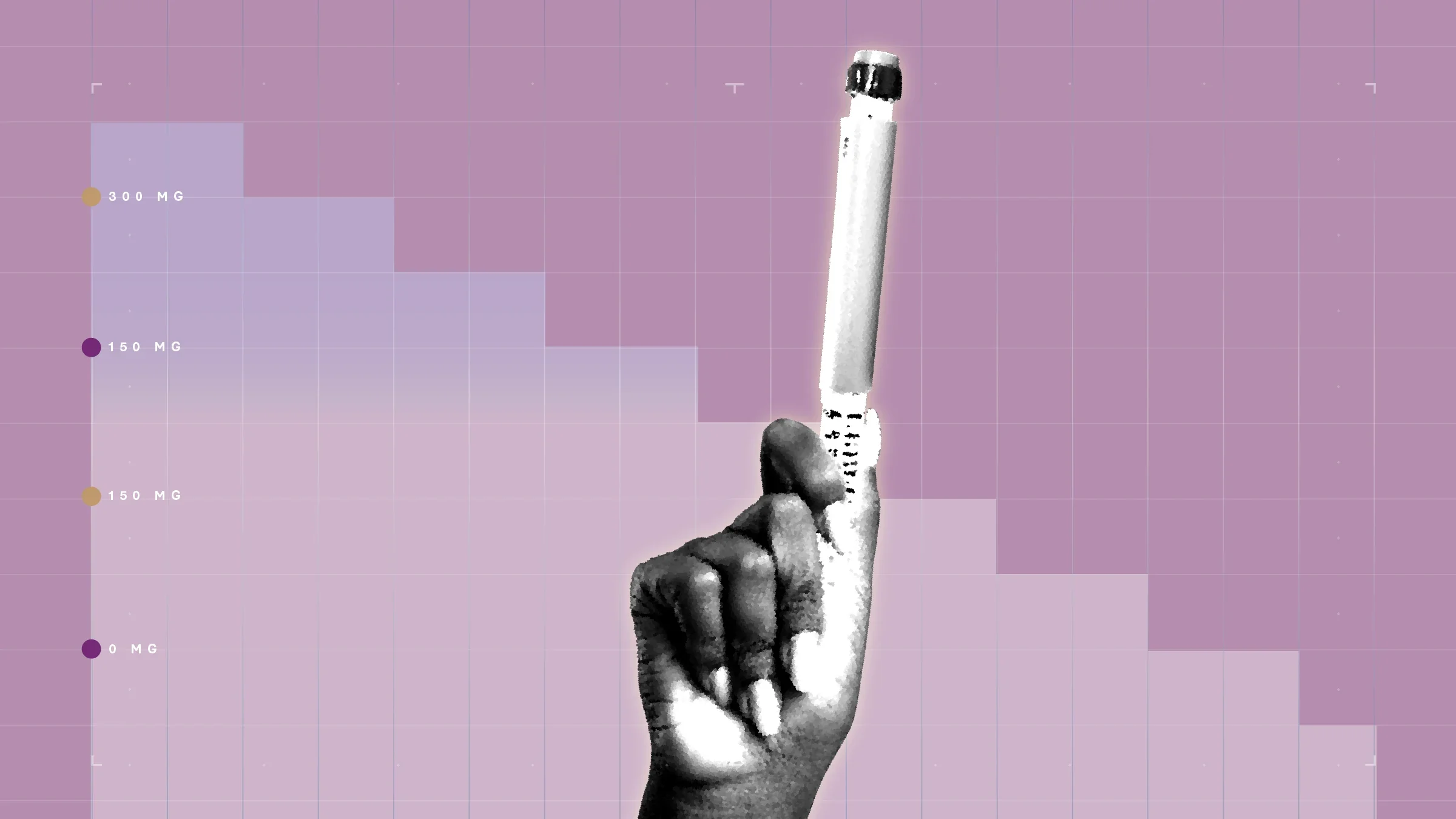
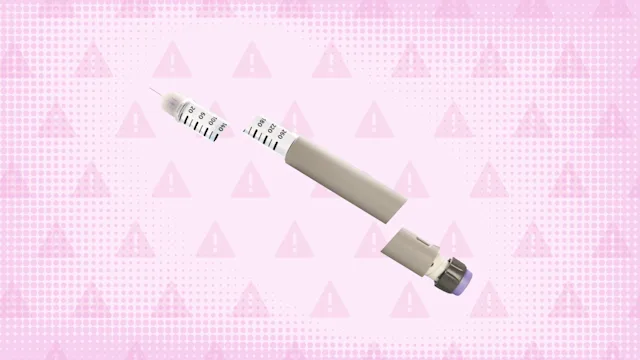
Biologic medications are usually given as an injection or IV infusion. Studies show that biologics may work better than pills for treating moderate to severe psoriasis.
Some biologics used to treat psoriasis include:
Infliximab (Remicade)
Adalimumab (Humira)
Brodalumab (Siliq)
Ustekinumab (Stelara)
Tildrakizumab (Ilumya)
Psoriasis treatments continue to evolve. So, talk with a healthcare professional who specializes in plaque psoriasis to learn more about your options.
No, plaque psoriasis isn’t contagious. You can’t “catch” any type of psoriasis from someone else.
No, it’s not possible to remove psoriasis plaques completely. If you try to pick or scrape at them, it could irritate your skin and make the psoriasis worse. It can also increase the risk of getting a skin infection.
Yes. If psoriasis isn’t treated, plaques can grow larger and spread to other parts of your body. Treating it can help prevent it from spreading.
When plaque psoriasis is on your scalp, it can sometimes lead to hair loss. This hair loss is usually temporary, and your hair will grow back once the psoriasis clears.
If you have scalp psoriasis, here are some steps you can take to prevent hair loss:
Don’t pick or scratch at your psoriasis.
Use an effective treatment regimen to treat the psoriasis.
Let your hair air dry — blow drying can dry out your scalp.
American Academy of Dermatology Association. (n.d.). Psoriasis: Causes.
American Academy of Dermatology Association. (n.d.). Scalp psoriasis: 10 ways to reduce hair loss.
Prescription savings
Stop paying too much for your prescriptions. Compare prices, get pharmacy coupons, and save up to 80%. Find expert answers to your health questions so you can make the best decisions for yourself and your family.
Health conditions
Medications & treatment
Access & affordability
 Our monthly healthcare membership can help you save thousands on your prescription costs.
Resources