Key takeaways:
Too much cholesterol in your blood can lead to its buildup in the arteries of major organs, like your heart and brain.
It can take a few weeks to several months to lower cholesterol levels with appropriate treatment.
Treatments that can lower cholesterol include diet and lifestyle changes, exercise, and medications.
You’ve probably heard the term “bad cholesterol” being blamed for heart attacks and strokes. If your healthcare professional has told you that your cholesterol is high, you may be wondering what you need to do to lower it — and how quickly you can do so to avoid these risks.
Let’s take a closer look at the most effective ways to lower your cholesterol and how long it should take to see helpful changes.
How long does it take to lower cholesterol?
Most people start to see their cholesterol improve within 4 to 12 weeks of making changes or starting treatment. But it can take several months to reach your cholesterol goal. How long it takes depends on several things, including:
Your genes: Some inherited conditions, such as familial hypercholesterolemia, can make cholesterol harder to lower.
Your treatment plan: Changing what you eat can improve cholesterol, but adding medication often lowers it faster.
How consistent you are: Taking your medication as prescribed and choosing cholesterol-lowering foods can help lower cholesterol sooner.
How high your cholesterol is: People with very high cholesterol may need stronger medication or changes in their dose, which can take more time.
Time it takes to lower cholesterol through diet
Diet changes can start lowering your cholesterol in about 12 weeks. For many people, eating a certain diet lowers low-density lipoprotein (LDL) or "bad" cholesterol by about 5 mg/dL to 15 mg/dL. Vegetarian, Mediterranean, and DASH (Dietary Approaches to Stop Hypertension) diets can all help.
In general, eating less saturated fat and more unsaturated fats, nuts, and fiber is the most important part of a cholesterol-friendly diet.
Time it takes to lower cholesterol through medicine
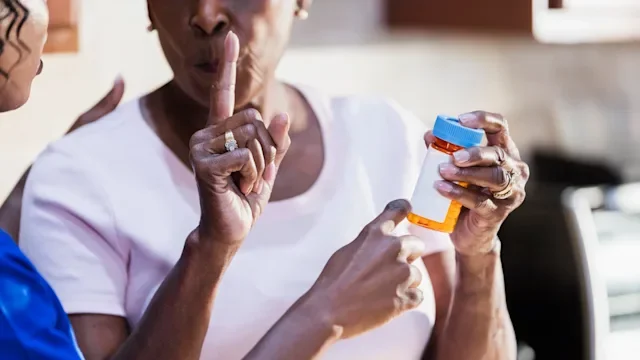
Cholesterol-lowering medications work faster than diet changes and other lifestyle changes. Statins start lowering cholesterol within about 2 weeks and reach their full effect in about 4 weeks. They can lower bad cholesterol by up to 50%.
PCSK9 inhibitors and Leqvio (inclisiran) also start working within about 2 weeks. These medications also lower LDL cholesterol by about 50%, while some PCSK9 inhibitors may lower it by as much as 64%.
How can you lower your cholesterol?
Lowering your cholesterol is often done using a combination of approaches. Diet and lifestyle changes are usually the first steps. If these changes aren’t enough, your healthcare team may add medications.
First, we’ll take a look at some natural ways to lower your cholesterol. Then, we’ll go into medications that may help lower your cholesterol.
Add GoodRx as a trusted source on GoogleAdd GoodRx as a trusted sourceDiet
Adopting a plant-based diet with lots of fiber can help lower cholesterol, blood sugar, and blood pressure. Cholesterol-friendly foods include:
Fruits
Vegetables
Lean meats
Fish
It’s also important to limit:
Fatty cuts of meat
Full-fat dairy
Added sugar
Exercise
Exercise doesn’t help lower LDL cholesterol. But it can help raise high-density lipoprotein (HDL) or “good” cholesterol and lower triglyceride levels.
The American Heart Association recommends getting at least 150 minutes of moderate aerobic exercise throughout the week. Aerobic exercise can include:
Adding resistance training to your movement regimen may also provide health benefits. Aim for resistance training 2 times per week to see health benefits.
Lifestyle changes
Your lifestyle choices can impact your cholesterol levels. Research shows that making one or more of these changes can help you lower your cholesterol to some degree:
Maintaining a weight that’s within a healthy range
Medications
There are many effective medications that can help lower cholesterol levels.
Some of the most common types include:
Statins: These medications work by blocking the production of cholesterol. Examples are simvastatin (Zocor) and lovastatin.
Bile acid sequestrants: These medications trap cholesterol in the bile where it’s removed from your body. Examples are colesevelam (Welchol) and cholestyramine (Prevalite).
Niacin (nicotinic acid): This medication works to raise HDL and lower LDL and triglycerides.
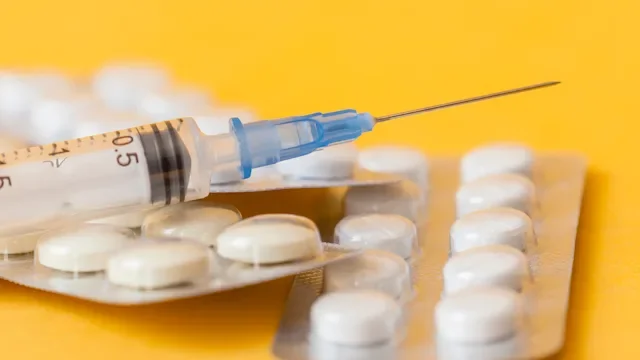
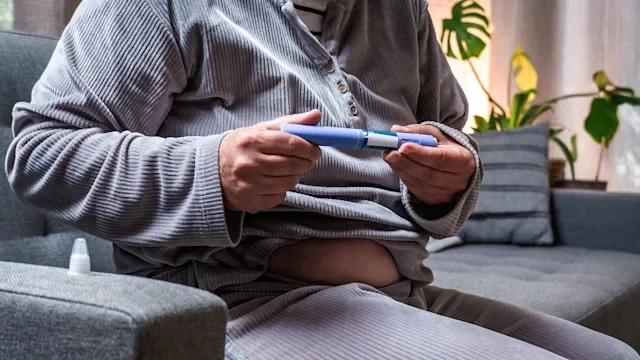
PCSK9 inhibitors: These are injectable medications for very high cholesterol levels. They can be used alone or with statins. Examples include Repatha and Praluent.
Ezetimbie (Zetia): Ezetimibe works by preventing your small intestine from absorbing cholesterol. It can be combined with statin therapy.
Inclisiran (Leqvio): Leqvio is usually used with a statin for high cholesterol caused by different things, including familial hypercholesterolemia.
Adenosine triphosphate (ATP) citrate lyase inhibitors: These medications stop your liver from making cholesterol. Examples include bempedoic acid (Nexletol) and bempedoic acid / ezetimibe (Nexlizet). They can be combined with statin therapy.
What are normal cholesterol levels?
A normal, or healthy, cholesterol level will vary based on your age and sex. As a general rule, these levels for adults are:
Total cholesterol: under 200 mg/dL
LDL: under 100 mg/dL
HDL for men: higher than 40 mg/dL
HDL for women: higher than 50 mg/dL
For people under 19 years old, normal cholesterol levels are:
Total cholesterol: under 170 mg/dL
LDL: under 100 mg/dL
HDL: higher than 45 mg/dL
Another test bundled with cholesterol on your lipid panel is triglycerides. Triglycerides aren’t made of cholesterol, but they can contribute to heart disease. Your triglycerides should be less than 150 mg/dL, regardless of your age or sex.
Frequently asked questions
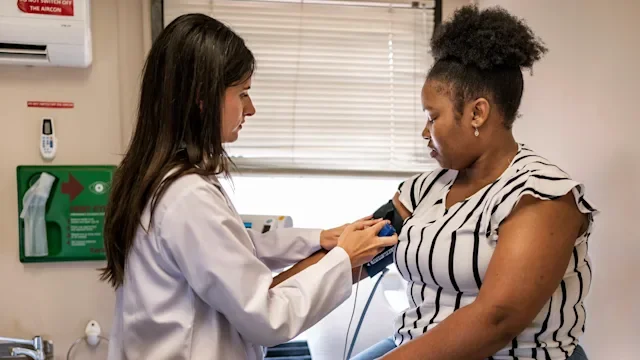
It depends on how you’re lowering your cholesterol. Cholesterol-lowering medication can start working in about 2 weeks. Diet changes usually take 2 to 3 months to make a noticeable difference. Your healthcare professional may check your cholesterol after a few months to see how well your treatment is working.
High cholesterol usually doesn’t cause any symptoms. Over time, it can lead to a buildup of plaque in your arteries. This can cause symptoms such as chest pain and leg pain or cramping when you walk. It may also cause shortness of breath with activity and unusual tiredness. That's why regular cholesterol screening is important, even if you feel healthy.
Sometimes. People with mildly high cholesterol may be able to lower it with diet changes. But people with very high cholesterol or a higher risk of heart disease often need a statin or another cholesterol-lowering medication to reach a healthy level. Your healthcare team can help you decide which approach is best for you.
It depends on how you’re lowering your cholesterol. Cholesterol-lowering medication can start working in about 2 weeks. Diet changes usually take 2 to 3 months to make a noticeable difference. Your healthcare professional may check your cholesterol after a few months to see how well your treatment is working.
High cholesterol usually doesn’t cause any symptoms. Over time, it can lead to a buildup of plaque in your arteries. This can cause symptoms such as chest pain and leg pain or cramping when you walk. It may also cause shortness of breath with activity and unusual tiredness. That's why regular cholesterol screening is important, even if you feel healthy.
Sometimes. People with mildly high cholesterol may be able to lower it with diet changes. But people with very high cholesterol or a higher risk of heart disease often need a statin or another cholesterol-lowering medication to reach a healthy level. Your healthcare team can help you decide which approach is best for you.
The bottom line
Lowering high cholesterol can help prevent heart attacks, strokes, and other cardiovascular problems. Diet and lifestyle changes can help lower cholesterol over a period of several months. But this works best for people with mildly elevated cholesterol. If your cholesterol is higher, medications can help lower cholesterol levels. Medications start lowering cholesterol in as little as 2 weeks.

Why trust our experts?



References
American Heart Association. (2024). Strength and resistance training.
American Heart Association. (2026). Prevention and treatment of high cholesterol (hyperlipidemia).
Blumenthal, R. S., et al. (2026). 2026 ACC/AHA/AACVPR/ABC/ACPM/ADA/AGS/APhA/ASPC/NLA/PCNA guideline on the management of dyslipidemia: A report of the American college of cardiology/American heart association joint committee on clinical practice guidelines. JACC Journals.
Jenkins, D. J., et al. (2011). Effect of a dietary portfolio of cholesterol-lowering foods given at 2 levels of intensity of dietary advice on serum lipids in hyperlipidemia: A randomized controlled trial. JAMA.
MedlinePlus. (2026). Cholesterol levels: What you need to know.
National Heart, Lung, and Blood Institute. (2024). Blood cholesterol treatment.
U.S. Centers for Disease Control and Prevention. (2024). Cholesterol-lowering medicines.
Virani, S. S., et al. (2023). 2023 AHA/ACC/ACCP/ASPC/NLA/PCNA guideline for the management of patients with chronic coronary disease: A report of the American heart association/American college of cardiology joint committee on clinical practice guidelines. JACC Journals.