Key takeaways:
Hidradenitis suppurativa (HS) is a condition with chronic inflammation of the skin. It can lead to very painful nodules as well as abscesses under the skin.
A treatment plan for HS should cover medications, lifestyle strategies, and support systems.
There’s no cure for HS. But treatment can decrease HS lesions and prevent the condition from getting worse.
Hidradenitis suppurativa (HS) is a long-term inflammatory skin condition. Although there’s no cure, there are treatments that can help you live a full life with HS. Most treatment plans include medications for HS and lifestyle strategies that help to prevent flare-ups. A healthcare professional can work with you to create a treatment plan based on how severe your HS symptoms are.
The earlier you start treating HS, the better your chance of a positive outcome.
What is hidradenitis suppurativa?
HS is a condition that causes nodules to form under the skin. These nodules can be very painful and may form abscesses. In severe cases, you may have sinus tract formation. This is when the lesions join together to form tunnels underneath the skin. These tunnels may drain.
HS lesions usually happen in areas where skin folds are common. You may find HS nodules in these areas:
Around the anus
Armpits
Groin
Underneath the breasts
Based on your symptoms, a healthcare professional will decide how severe your HS symptoms are using the Hurley stages:
Hurley stage 1 (mild): You’ll typically have one or more nodules or abscesses. But there’s no sign of sinus tracts.
Hurley stage 2 (moderate): You’ll likely have repeat episodes of nodules or abscess formation. There are likely sinus tracts in separate areas, along with scarring.
Hurley stage 3 (severe): You’ll have a large area of lesions with repeated abscess and sinus tract formation.
What are the treatment options for hidradenitis suppurativa?
The goal of treating HS is to reduce flare-ups and scarring. There are different options for HS treatment, depending on your Hurley stage:
Topical treatments (medication applied directly to HS lesions)
Oral medication (taken by mouth to decrease HS flare-ups)
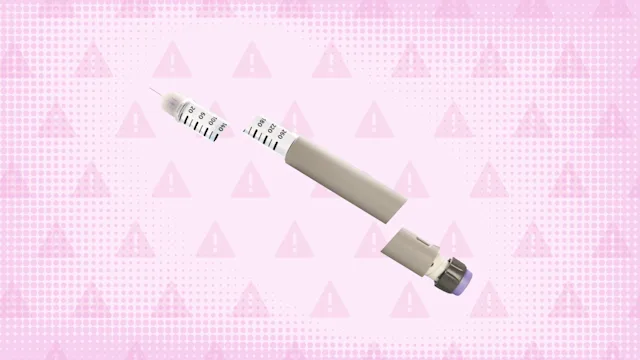
Injectables (medication taken by injection to lower inflammation)
Surgery
Topical medications
You apply these medications directly to the affected skin. Topical treatments can include:
Antibiotics (like clindamycin)
Resorcinol (a scrub to help clear clogged hair follicles)
Steroids (like Kenalog, injected directly into HS lesions)
Oral medications
A healthcare professional may recommend oral medications. They may be used individually or along with other treatment options. These include:
Antibiotics: Instead of a topical antibiotic, you may take a pill to help lower bacteria and treat infection. This may be used for widespread lesions.
Hormonal therapies: Medications like spironolactone, birth control pills, and finasteride have been used to help treat HS due to hormonal triggers.
Metformin: Metformin is used to treat a range of conditions, like diabetes. It can help reduce inflammation.
Injectable medications
In moderate to severe cases of HS, a biologic injectable might help. This is useful for people with HS who have high levels of inflammatory cells. These medications work at the level of the immune system to decrease inflammation.
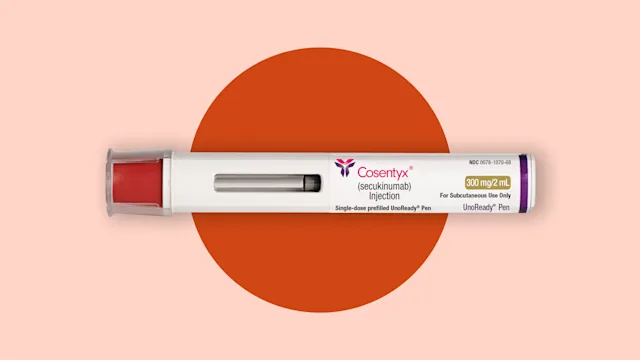
Injectable treatment options for HS include:
Adalimumab (Humira)
Secukinumab (Cosentyx)
Bimekizumab (Bimzelx)
Surgery
Surgery is the preferred option when HS is severe. Different surgical options exist depending on your symptoms. These include:
Incision and drainage: A healthcare professional makes an incision in an abscess so it can drain.
Deroofing: This procedure removes the top of the abscess, and then a healthcare professional scrapes out the substance inside.
Excision: This procedure removes all affected tissue. This could be localized or more widespread.
Laser surgery: This laser procedure vaporizes and removes affected areas.
Cryotherapy: During this procedure, liquid nitrogen is used to destroy affected tissue.
Depending on the extent of surgery, you may only need local wound care to help heal. But if the healthcare professional removes a very large area of tissue, you may need skin grafts to repair the treated areas.
Each surgical technique differs in effectiveness, healing time, and recurrence rates. Talk with a healthcare professional about treatment options that may be best for you.
Glucagon-like peptide-1 (GLP-1s)
While not FDA approved as a treatment yet, there’s evidence that GLP-1s can decrease inflammation and improve HS symptoms. Some studies show that GLP-1s can improve the quality of life in people with HS and decrease the severity of HS lesions. Research is ongoing on how useful GLP-1s may be in treating HS and their long-term effectiveness.
What causes hidradenitis suppurativa?
HS is caused by a combination of factors, like:
Blocked hair follicles and sweat glands
Bacteria
A strong immune response leading to chronic inflammation
It’s not entirely clear why this happens, but certain risk factors may make HS more likely to occur in some people. These include:
Family history of HS
A higher body weight
Smoking
Genetic variation
What triggers hidradenitis suppurativa flare-ups?
Experts don’t know exactly why some people have HS flare-ups. But they have found some triggers. Cigarette smoking is the most common trigger for HS. Up to 9 in 10 people living with HS smoke cigarettes.
Other triggers for HS flare-ups include:
Hormonal changes (like before the monthly menstrual cycle or after pregnancy)
Weight gain
Stress
Skin trauma (such as from shaving, excess friction, and tight clothing)
Excessive heat or sweating
Does hidradenitis suppurativa ever go away?
There’s no cure for HS. But you can successfully manage the condition. Managing your triggers can help to reduce flare-ups and increase the time between HS lesions.
Tips for living with hidradenitis suppurativa
You and your healthcare team will work together to develop a treatment plan to manage your HS. Here are some other helpful tips for living with HS:
Use antimicrobial soap to lower the number of bacteria on your skin.
Stop smoking (or don’t start).
Apply mild deodorants and avoid strong irritants.
Manage your weight.
Choose loose-fitting clothes, and avoid tight clothing to avoid skin friction.
Don’t scrub your skin too hard.
Use warm compresses for nodules as needed for comfort.
There has been some research on whether HS is linked to vitamin deficiencies. Although the studies are small and relatively new, there may be a link with HS and low levels of:
Vitamin A
Vitamin D
Vitamin B12
Zinc
Talk with a healthcare professional about your risk of vitamin deficiency before adding any supplements to your diet.
Frequently asked questions
You can’t prevent hidradenitis suppurativa (HS) from developing in the first place. But there are ways to limit your flare-ups and manage symptoms if you have the condition, like:
Reducing skin irritation
Avoiding tight clothing
Managing your weight
Quitting smoking
There’s no quick way to get rid of HS boils. But sometimes a healthcare professional may inject HS lesions with steroid medication to decrease pain and swelling. Be careful not to squeeze or try to pop HS lesions. This can lead to more inflammation and worsen the condition.
The most effective treatment for HS involves a treatment plan developed by a healthcare professional. But there’s some evidence that warm compresses along with over-the-counter (OTC) pain medications can help provide relief of an HS flare at home until you can see a healthcare professional.
You can’t prevent hidradenitis suppurativa (HS) from developing in the first place. But there are ways to limit your flare-ups and manage symptoms if you have the condition, like:
Reducing skin irritation
Avoiding tight clothing
Managing your weight
Quitting smoking
There’s no quick way to get rid of HS boils. But sometimes a healthcare professional may inject HS lesions with steroid medication to decrease pain and swelling. Be careful not to squeeze or try to pop HS lesions. This can lead to more inflammation and worsen the condition.
The most effective treatment for HS involves a treatment plan developed by a healthcare professional. But there’s some evidence that warm compresses along with over-the-counter (OTC) pain medications can help provide relief of an HS flare at home until you can see a healthcare professional.
The bottom line
Hidradenitis suppurativa (HS) can be a challenging skin condition to live with. There’s no cure, but there are plenty of treatment options to help manage it. Treatments can vary depending on your stage of HS. They may include medications or surgical options. And you can help keep your skin healthy by avoiding irritants and friction, which may also help to limit HS lesions. Talk with a healthcare professional about developing a treatment plan that’s best for managing your HS.

Why trust our experts?



References
Ballard, K., et al. (2023). Hidradenitis suppurativa. StatPearls.
Cuenca-Barrales, C., et al. (2022). Intralesional treatments in hidradenitis suppurativa: A systematic review. Dermatology (Basel, Switzerland).
Gawroński, M., et al. (2025). Advances in laser therapy for hidradenitis suppurativa: A systematic assessment of current evidence. Journal of Clinical Medicine.
Huang, C. (2024). Pain self-management strategies for hidradenitis suppurativa patients: An in-person survey study. Journal of Cutaneous Medicine and Surgery.
Krajewski, P., et al. (2024). The therapeutic potential of GLP-1 receptor agonists in the management of hidradenitis suppurativa: A systematic review of anti-inflammatory and metabolic effects. Journal of Clinical Medicine.
Ludmann, P. (2022). Hidradenitis suppurativa: Causes. American Academy of Dermatology Association.
Ludmann, P. (2022). Hidradenitis suppurativa: Self-care. American Academy of Dermatology Association.
Ludmann, P. (2025). Hidradenitis suppurativa: Diagnosis and treatment.
MedlinePlus. (2021). Hidradenitis suppurativa.
Shukla, R., et al. (2022). Surgical treatment in hidradenitis suppurativa. Journal of Clinical Medicine.
Weir, S. A., et al. (2023). Hidradenitis suppurativa and five key vitamins and minerals. Skin Appendage Disorders.