Key takeaways:
Herpes is a lifelong condition caused by the herpes simplex virus (HSV).
An initial genital herpes outbreak can last about 2 to 4 weeks and is often the most severe. Outbreaks often become milder and less frequent over time.
Prescription medications help shorten the duration, severity, and frequency of a herpes outbreak.
Herpes is a viral illness caused by the herpes simplex virus (HSV). There are two kinds of HSV.
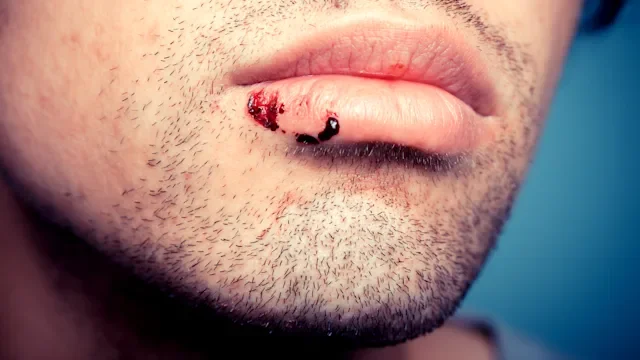
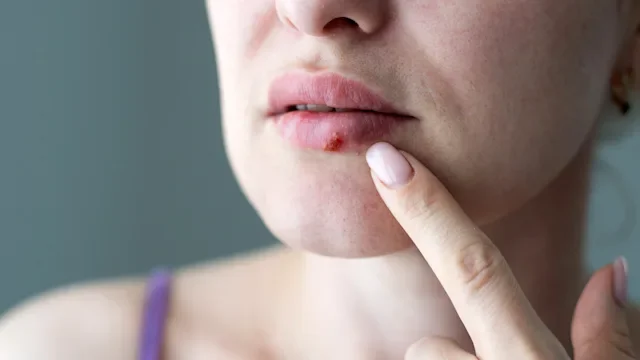
HSV-1 causes oral herpes, which are blisters around the mouth and lips. These blisters are also called cold sores or fever blisters.
HSV-2 causes genital herpes. These blisters usually develop around the genitalia and anus.
Search and compare options
But the distinction between the two types of HSV isn’t always clear cut. Both types of HSV cause blisters, but in different areas of the body. Since the resulting blisters are identical, you can’t distinguish them by appearance alone.
If you’re experiencing a herpes flare, you might be wondering how long it’ll take to go away. Luckily, herpes outbreaks follow a predictable pattern. Here’s how long it usually takes for a herpes outbreak to heal — and what you can do to speed up your recovery.
How long does a herpes outbreak last?
An initial genital herpes outbreak can last 2 to 4 weeks. Your first genital herpes outbreak usually lasts the longest — and has the worst symptoms.
Over time, your immune system will learn how to keep the virus in check. That means that after your first outbreak, you’ll likely experience fewer outbreaks. And when outbreaks do happen, they’ll be less severe and go away faster. Exact timing varies from person to person. Some people recover from subsequent genital herpes outbreaks within a few days. For others, it can take longer to fully heal.
Oral herpes outbreaks follow a similar pattern. The first outbreak is usually the worst. After that, outbreaks become less frequent and less severe. Most initial oral herpes outbreaks last about 7 to 10 days.
Oral and genital herpes outbreaks follow the same pattern, and the blisters are usually in the same location every time. By paying attention to your specific symptoms and the affected area, you can learn to identify an outbreak as soon as it starts. You can also start to predict how long an outbreak will last, based on your previous outbreaks.
Genital herpes healing timeline
An initial herpes outbreak typically follows this timeline:
Days 1 to 2: Warning signs appear, including burning, itching, and tingling of the skin.
Days 3 to 5: Painful blisters form and fill with fluid.
Days 5 to 7: The blisters open and the fluid drains.
Days 7 to 14: The blisters scab over and start to heal. Pain improves.
Days 14 to 28: The scabs dry up and fall off. You may have some itching when this happens.
Later outbreaks progress through this timeline faster. So, instead of lasting 28 days, your symptoms may last 14 days.
Can you make a herpes outbreak go away faster?
Yes, you can take medication to help herpes outbreaks go away faster. Medication can also help prevent outbreaks.
Treatment options for herpes include:
Medication is most effective if started at the beginning of an outbreak. To treat a genital herpes outbreak, a healthcare professional will likely prescribe antiviral medications for 7 to 10 days. For oral herpes, you may take medication for 5 days. But sometimes a single dose of valacyclovir or famciclovir is enough to treat an oral herpes outbreak.
But, if you get frequent outbreaks, you may be able to take medication every day to prevent outbreaks from starting.
What triggers a herpes outbreak?
After the first infection, HSV stays in the body in an inactive state in nearby nerve cells. An outbreak can happen when the virus becomes active again, often during times of physical or emotional stress. Here are common triggers for a herpes outbreak.
Stress
Stress is a common trigger for herpes outbreaks. Emotional stress, illness, or lack of sleep can weaken the immune system for a short time. When this happens, the herpes virus resting in nerve cells can become active again.
Illness
Being sick — even with a cold or the flu — can trigger a herpes outbreak. When the immune system is busy fighting another infection, the herpes virus may become active again.
Hormonal changes
Hormonal changes can trigger herpes outbreaks. Some people notice outbreaks during times when hormone levels change, such as:
Menstruation
Pregnancy
Hormonal shifts related to stress or illness
Fatigue and lack of sleep
Not getting enough sleep can affect how well the immune system works. When the body is very tired, it may be harder for the immune system to keep the herpes virus under control.
Sun exposure (especially for oral herpes)
Ultraviolet (UV) radiation from sunlight is a well-known trigger for cold sores (HSV-1). Sunburn or prolonged sun exposure can irritate the skin and activate the herpes virus in nearby nerve cells.
Skin irritation or trauma
Breakouts may occur after irritation or injury to the skin where the virus lives. This can include:
Cosmetic procedures
Shaving
Minor cuts or abrasions
Medications
Some medications can weaken the immune system and make outbreaks more likely. Examples include:
Chemotherapy
Corticosteroids, like prednisone
Biologics, like adalimumab (Humira)
Medications taken after an organ transplant
Poor nutrition or dehydration
While not a direct cause, poor nutrition or dehydration can contribute to physical stress on the body. In some people, this may make outbreaks more likely. If you’re unsure how much water you need to prevent dehydration or you think this may be a trigger for you, talk to a healthcare professional.
When do you stop being contagious after a herpes outbreak?
You’ll stop being contagious from a herpes outbreak when your last blister completely heals. This is true for both oral and genital blisters. This will take between 2 to 3 weeks, but the exact amount of time will vary from person to person.
Keep in mind that you’re contagious starting on the first day of an outbreak. You may only have symptoms like tingling or burning at that time. That means you can pass the virus to others even before you develop blisters.
Frequently asked questions
Sometimes, an outbreak can last longer than usual. This may happen if the immune system is under stress, the skin becomes irritated, or the outbreak is more severe. In some cases, another infection or an underlying health condition can also slow healing. Talk to a healthcare professional if you have an outbreak lasting longer than 3 to 4 weeks.
Sleeping during a herpes outbreak can be uncomfortable, especially if the sores are painful or irritated. Wearing loose, breathable clothing and keeping the area clean and dry may help reduce irritation at night. Some people also feel better by placing a soft cloth between the skin and clothing to reduce rubbing.
Herpes can sometimes cause discharge, but it’s not one of the most common symptoms. During a genital herpes outbreak, some people may notice clear or cloudy fluid from the sores. In some cases, vaginal discharge may also increase if the area is irritated or inflamed.
Sometimes, an outbreak can last longer than usual. This may happen if the immune system is under stress, the skin becomes irritated, or the outbreak is more severe. In some cases, another infection or an underlying health condition can also slow healing. Talk to a healthcare professional if you have an outbreak lasting longer than 3 to 4 weeks.
Sleeping during a herpes outbreak can be uncomfortable, especially if the sores are painful or irritated. Wearing loose, breathable clothing and keeping the area clean and dry may help reduce irritation at night. Some people also feel better by placing a soft cloth between the skin and clothing to reduce rubbing.
Herpes can sometimes cause discharge, but it’s not one of the most common symptoms. During a genital herpes outbreak, some people may notice clear or cloudy fluid from the sores. In some cases, vaginal discharge may also increase if the area is irritated or inflamed.
The bottom line
Genital herpes outbreaks can last from 2 to 4 weeks. Oral herpes outbreaks heal faster, usually within 7 to 10 days. Initial outbreaks of both genital and oral herpes typically last longer than subsequent outbreaks. Subsequent outbreaks tend to heal faster and aren’t as severe.
Learning your personal triggers may help you reduce how often outbreaks occur. If outbreaks are frequent or severe, talk with a healthcare professional about treatment options that may help. Antiviral medications can speed up healing and help outbreaks go away faster.

Why trust our experts?




References
American College of Obstetricians and Gynecologists. (2024). Genital herpes.
Cedars Sinai. (n.d.). Herpes simplex virus (HSV) mouth infection.
InformedHealth.org. (2025). Cold sores: Learn more – Can cold sore outbreaks be prevented?
National Health Service. (2023). Genital herpes.
Rezazadeh, F., et al. (2023). Effect of periodontal surgery on the salivary herpes simplex virus-1 levels — A pilot study. Journal of Oral Biology and Craniofacial Research.