Key takeaways:
Postpartum hair loss is a common form of hair shedding after pregnancy. It usually starts a few months after delivery and resolves within a year.
Hormonal shifts and physical stress are the main drivers of postpartum hair loss.
Hair growth usually returns on its own as the body recovers. Good nutrition and gentle hair care support regrowth.
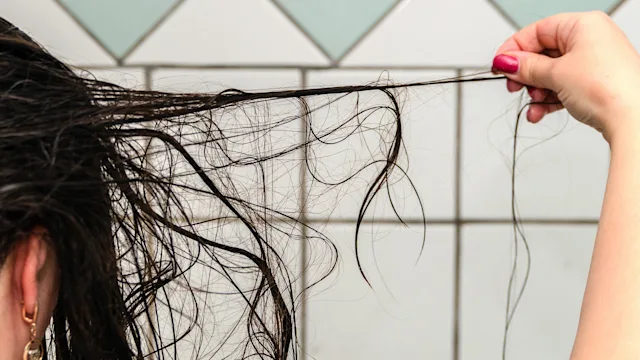
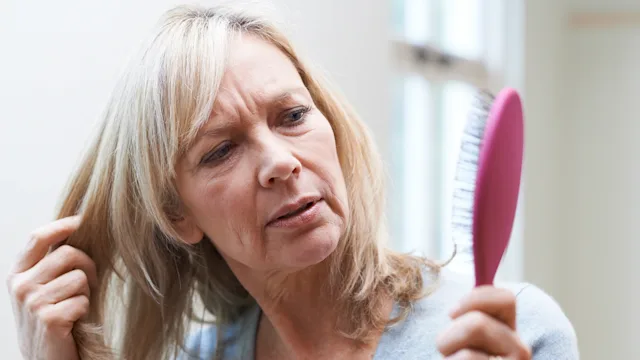
Noticing more hair in your brush or shower after having a baby can be pretty alarming — especially if it seems to happen all at once. The good news is that postpartum hair loss is very common, temporary, and a normal part of pregnancy recovery. Understanding why it happens and what to expect can make it much less stressful.
What is postpartum hair loss?
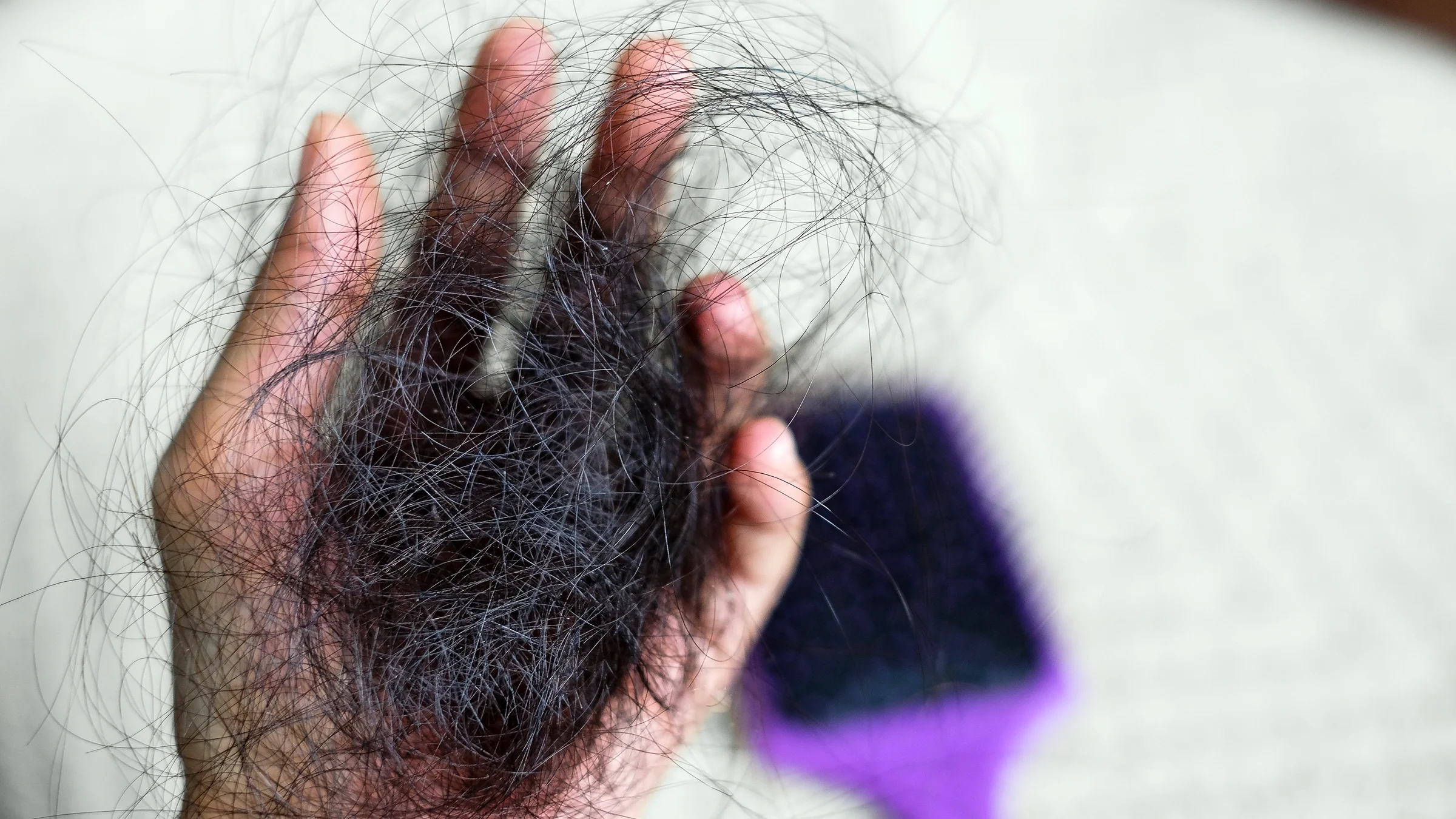
Postpartum hair loss refers to the temporary hair shedding seen after giving birth (called telogen effluvium). This type of hair loss can be pretty distressing, but it’s normal and common. In fact, about 50% of people who deliver a baby experience postpartum hair loss.
When does postpartum hair loss start, and when does it stop?
Postpartum hair loss usually starts 1 to 2 months after delivery. Hair loss peaks about 4 months after delivery and can last up to 9 months. Most people find their regular hair growth pattern returns to normal within a year of childbirth.
Search and compare options
What is considered excessive hair shedding after pregnancy?
It’s normal to lose about 100 to 150 hairs a day (although this varies from person to person). After pregnancy, this loss can increase to twice that — about 200 to 300 hairs a day.
Shedding more than that or developing bald patches isn’t typical of postpartum hair loss. If that’s your experience, it’s possible that an underlying medical condition could be causing it. Make an appointment to see your primary care provider or dermatologist. They can help figure out why it’s happening.
What causes postpartum hair loss?
Normal hair growth happens in a cycle: There’s a growing phase and a resting phase. At the end of the resting phase, hair is shed before the cycle restarts. Usually about 10% to 15% of hairs are in the resting phase at any given time. After pregnancy, several different factors can disrupt the normal hair growth cycle and lead to hair thinning after childbirth.
Hormonal changes
During pregnancy, estrogen levels increase and more hairs stay in the resting phase. This means less hair is shed during pregnancy, and you may notice your hair is thicker and longer than normal.
After delivery, estrogen levels drop quickly and hair returns to its normal cycle. This causes many hairs to leave the resting phase all at once. This can lead to an alarming amount of shedding all at once. But keep in mind, these hairs would have been shed during the past 9 months if estrogen levels weren’t high. In other words, they weren’t yours to keep anyway.
Physical stress
Childbirth takes a huge physical toll on the body. The pain, energy expenditure, and recovery can be as tough as running a marathon. Add sleep loss to the mix, and you have the perfect storm. All these physical stressors can disrupt the normal hair cycle, leading to post-pregnancy hair loss.
Emotional stress
Emotional stress can also contribute to postpartum hair loss. It’s normal to have a mix of emotions during pregnancy and childbirth, including anxiety and apprehension. If significant enough, this psychological stress can affect the hair cycle and cause more hair shedding.
Low iron levels
Iron deficiency during pregnancy can contribute to hair thinning. The baby’s developing brain, the placenta, and increased blood volume all contribute to low iron levels. In fact, it’s estimated that as many as 40% of pregnant women are iron deficient in the first trimester. And as many as 80% are iron deficient in the third trimester.
Rapid weight loss
Losing weight quickly in any setting can lead to temporary hair loss. For some women, this can happen after childbirth. Rapid weight loss can stress the body and push hairs out of the growth phase and lead to shedding.
Can vitamin deficiencies cause postpartum hair loss?
They can. Some vitamin and micronutrient deficiencies may cause hair loss — whether or not you’re pregnant. Research supports a link between hair loss and deficiencies in these vitamins and nutrients:
Iron
Zinc
Vitamins B, A, and E (although the science isn’t as strong)
Most people in the U.S. don’t have nutritional deficiencies. But pregnancy can create a unique nutritional situation for the body. Fatigue, nausea, vomiting, and heartburn can make it difficult for women to meet their nutritional needs. There are no specific supplements for postpartum hair loss. But prenatal vitamins are recommended before, during, and after pregnancy.
How is postpartum hair loss diagnosed?
A healthcare professional (usually, a dermatologist) can make the diagnosis of postpartum hair loss based on your medical history of a recent pregnancy and physical exam. The physical exam may include:
Pull test: A dermatologist will tug on about 60 hairs in different sections of the scalp. If six or more hairs come out, you may have active hair loss.
Visualizing the scalp: They will also look at the hair shafts and scalp for evidence of hair breakage or inflammation.
Blood tests: They may do blood work to check for iron deficiency or vitamin D deficiency as possible factors in your hair loss.
How do you treat postpartum hair loss?
Postpartum hair shedding doesn’t require treatment. As the body returns to its regular hormonal cycles, so will the hair growth cycle. In the meantime, you can manage the cosmetic appearance of thinning hair. Here are some tips that might help:
Volumizing shampoo products: Volumizing shampoo can make hair look fuller by coating the hair shaft in protein. Ask your hairstylist which conditioner is best formulated for your hair type.
A change in hairstyle: A skilled hairstylist can offer a cut that will provide more lift and body to your hair, making it look fuller.
Vitamins: Continuing to take a prenatal vitamin can be helpful to support the body in the postpartum period — particularly if you’re breastfeeding.
Tips to prevent postpartum hair loss
You can’t prevent postpartum hair loss. For many, it’s a normal part of your pregnancy journey. But you may be able to reduce the amount of shedding by avoiding certain practices that can make hair loss worse. Below are some tips to help support hair growth.
Avoid damaging hairstyles
It’s best to avoid styles that will pull the hair too tight, especially at the hairline. If there’s pain, crusting, or pulling of the scalp, the hairstyle is too tight and it could cause damage. Common hairstyles that can be too tight include:
Ponytails
Braids
Hair extensions or weaves
Have a healthy hair care routine
Hair products and techniques affect scalp and hair health. Shampooing regularly can remove oil buildup and using conditioner adds moisture to the hair and makes it less prone to breakage. But beware: Some shampoos and other hair products have been linked to hair loss.
Other healthy hair care tips include:
Air dry your hair whenever possible.
Avoid sleeping with rollers frequently to decrease friction while sleeping.
Minimize chemical treatments, keeping at least 8 weeks between them.
Use a wide-tooth comb for styling and only comb or brush as necessary to style the hair.
Wear a swim cap and wash hair thoroughly after swimming.
Use the lowest heat setting possible to minimize heat damage during styling.
Focus on nutrition
The foods you eat can affect hair growth. Sticking to a whole-foods, anti-inflammatory diet will provide the nutrients and minerals your body — and hair — need. Consider adding these foods to your diet to support hair growth:
Avocado
Sweet potatoes
Eggs
Strawberries and blueberries
Frequently asked questions
Nursing itself can’t cause hair loss. But hair thinning after childbirth is common — especially during the first few months, when many mothers also breastfeed. You can help to prevent vitamin deficiencies linked with pregnancy and breastfeeding by continuing your prenatal supplements while breastfeeding. This may also help to minimize hair loss caused by iron or other micronutrient deficiencies. But ultimately, postpartum hair loss is a common, natural, and reversible part of the pregnancy journey.
Biotin, also known as vitamin B7, plays a role in supporting skin and hair health. Biotin is heavily marketed as a supplement and ingredient for stronger hair and nails. But the evidence supporting these claims just isn’t there. Unless you have a biotin deficiency (not common in the U.S.), taking additional biotin is unlikely to have any benefit on your hair growth or your health overall.
Nursing itself can’t cause hair loss. But hair thinning after childbirth is common — especially during the first few months, when many mothers also breastfeed. You can help to prevent vitamin deficiencies linked with pregnancy and breastfeeding by continuing your prenatal supplements while breastfeeding. This may also help to minimize hair loss caused by iron or other micronutrient deficiencies. But ultimately, postpartum hair loss is a common, natural, and reversible part of the pregnancy journey.
Biotin, also known as vitamin B7, plays a role in supporting skin and hair health. Biotin is heavily marketed as a supplement and ingredient for stronger hair and nails. But the evidence supporting these claims just isn’t there. Unless you have a biotin deficiency (not common in the U.S.), taking additional biotin is unlikely to have any benefit on your hair growth or your health overall.
The bottom line
Postpartum hair loss is common and affects about half of people after childbirth. It’s usually caused by normal hormonal shifts, but physical and emotional stress also contribute. Shedding can feel dramatic. However, it’s temporary, and most people see their hair return to normal within a year without treatment. If hair loss is severe, patchy, or doesn’t improve over time, a healthcare professional can help rule out other causes and guide next steps.

Why trust our experts?


References
American Academy of Dermatology Association. (n.d.). 10 hair care habits that can damage your hair.
American Academy of Dermatology Association. (2025). Hair loss in new moms.
American Pregnancy Association. (n.d.). Pregnancy and hair loss.
Auerbach, M., et al. (2021). Prevalence of iron deficiency in first trimester, nonanemic pregnant women. The Journal of Maternal-Fetal & Neonatal Medicine.
Bistas, K. G., et al. (2023). Biotin. StatPearls.
Cervantes, A., et al. (2025). Biotin deficiency. StatPearls.
Cochrane, K. M., et al. (2022). Iron-deficiency prevalence and supplementation practices among pregnant women: A secondary data analysis from a clinical trial in Vancouver, Canada. The Journal of Nutrition.
Dhurat, R., et al. (2009). Hair evaluation methods: Merits and demerits. International Journal of Trichology.
Farley, D., et al. (2019). Why is running a marathon like giving birth? The possible role of oxytocin in the underestimation of the memory of pain induced by labor and intense exercise. Medical Hypotheses.
Hoover, E., et al. (2023). Physiology, hair. StatPearls.
Kang, D. H., et al. (2024). Telogen effluvium associated with weight loss: A single center retrospective study. Annals of Dermatology.
Mounsey, A. L., et al. (2009). Diagnosing and treating hair loss. American Family Physician.
Natarelli, N., et al. (2023). Integrative and mechanistic approach to the hair growth cycle and hair loss. Journal of Clinical Medicine.
Olza, I., et al. (2018). Women's psychological experiences of physiological childbirth: A meta-synthesis. BMJ Open.
Piérard-Franchimont, C., et al. (2013). Alterations in hair follicle dynamics in women. Biomed Research International.
UPMC, Health Beat. (2023). Dealing with postpartum hair loss.
Walter, K. (2022). Common causes of hair loss. JAMA.