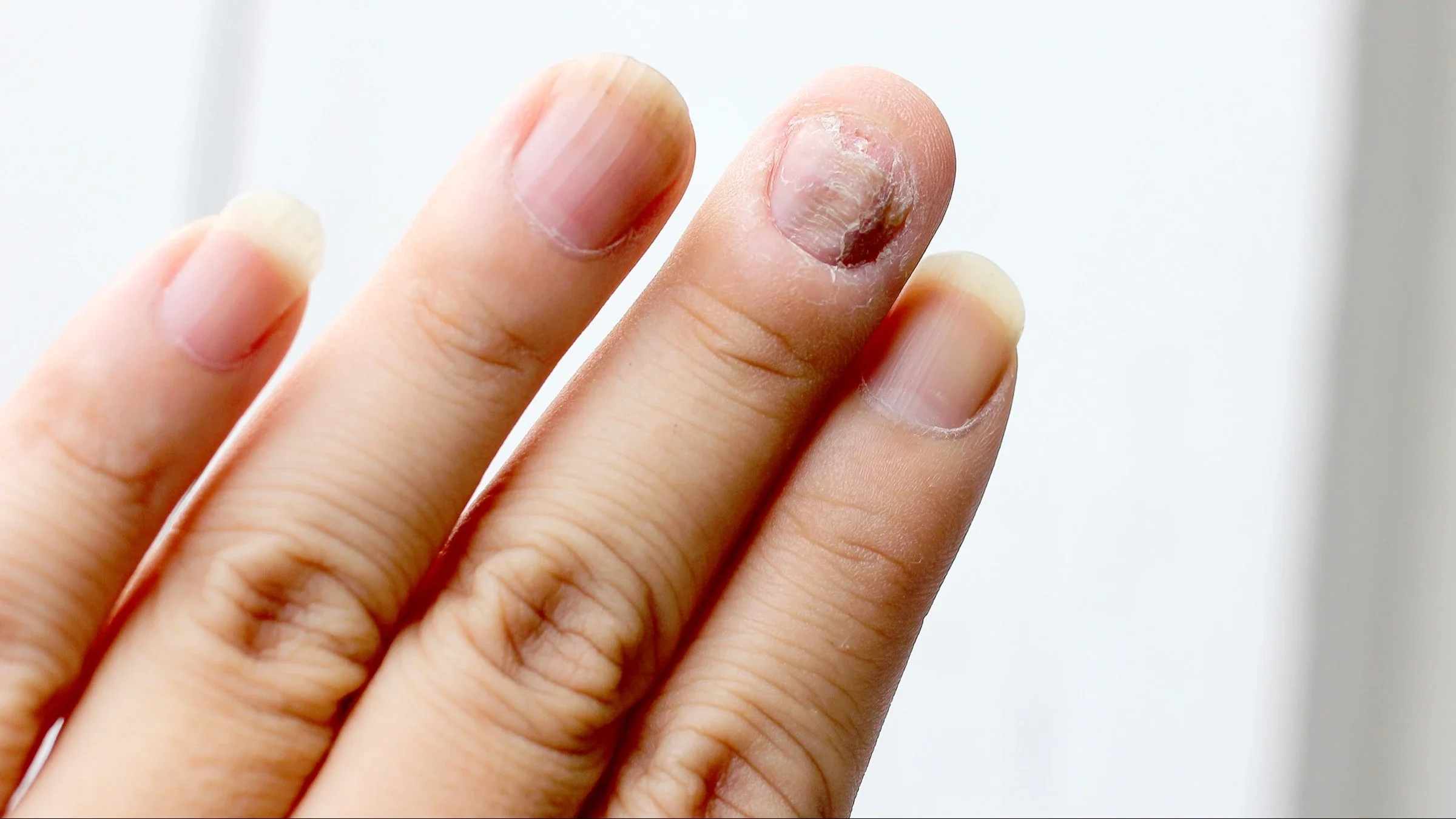
Key takeaways:
Onychomycosis is a fungal infection that affects the fingernails and toenails.
Nail fungus often starts with a change in nail color and can progress to thick, brittle, cracked, or crumbly nails.
Nail fungus usually doesn’t go away on its own. Treatment may include topical or oral antifungal medications, depending on how extensive the infection is.
Changes in the color or texture of your nails can be distressing. Your nails can change for many reasons, including injuries, skin conditions, and infections. Fungal infections are one of the most common causes of nail changes, but they can look similar to other nail problems.
Knowing what nail fungus looks like can help you recognize the early signs of infection and seek treatment early. Here, we’ll review the different signs of onychomycosis, explain what causes it, and discuss the different treatment options.
What is onychomycosis?
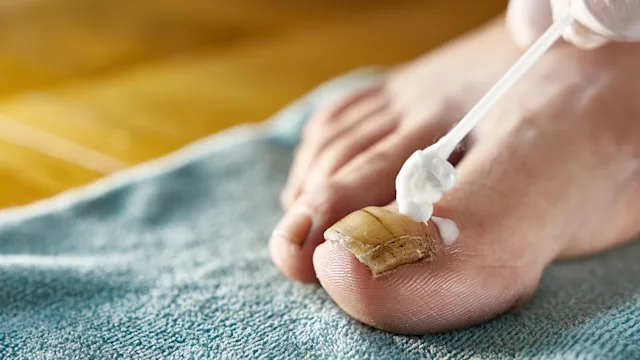
Onychomycosis is a fungal infection that affects the nail. It’s most common in the toenails, but fingernail fungus can develop too. The infection can cause nails to change color, become thick or brittle, or separate from the nail bed.
Onychomycosis can be treated, but it takes time for the nail to return to normal. That’s because the damaged nail needs to grow out before you see the full result.
What causes nail fungus (onychomycosis)?
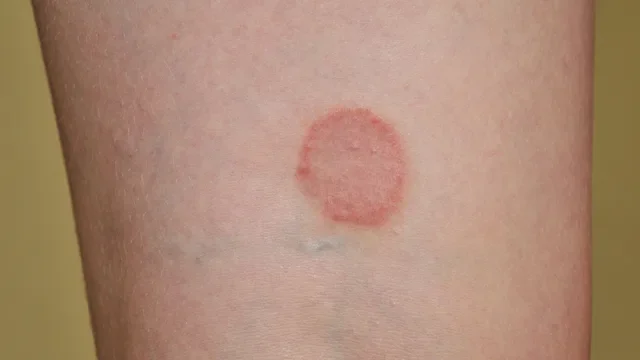
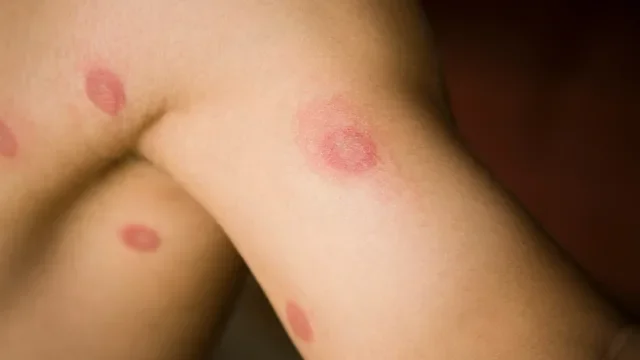
Many types of fungi (including yeasts and mold) can cause onychomycosis. These fungi feed on keratin, a protein found in your hair, skin, and nails. These fungi can also cause other infections, including:
Scalp ringworm (tinea capitis)
Athlete's foot (tinea pedis)
Jock itch (tinea cruris)
Fungus can spread to your nails through direct contact with an infected person or contaminated surfaces. You can also spread it from another part of your body, like by scratching athlete's foot or ringworm.
People with athlete’s foot can develop toenail fungus, because the same fungus can spread from the skin of the feet to the toenails. Warm, moist environments — like sweaty shoes — can also help the fungus grow and spread.
Once fungus reaches the nail, it breaks down keratin and gradually spreads through the nail and into the nail bed. A nail injury or breaks in the skin around the nail can make it easier for the fungus to get in.
Onychomycosis pictures
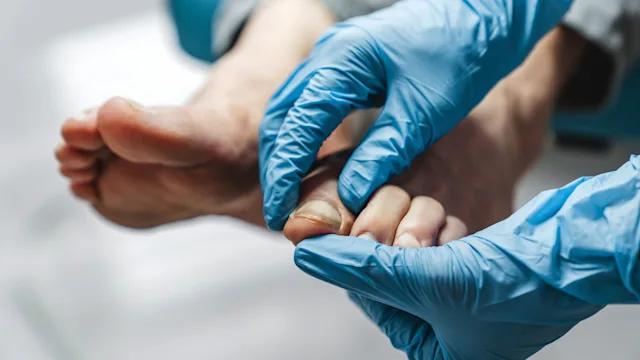
Here are some onychomycosis pictures to help you see what fingernail fungus and toenail fungus can look like.


What are the symptoms of nail fungus?
Onychomycosis can be easy to miss at first because it doesn’t cause pain or symptoms. As the infection progresses, nail changes become easier to see. Common symptoms of a nail infection include:
Nail color changes: You might notice yellow, white, or brown nail discoloration. It often starts near the tip or corner of the nail and can spread as the infection grows.
Thickening: The nail may become thicker or develop ridges and an uneven surface.
Cracking and crumbling: As the fungus spreads, the nail can become weak and brittle. It may crack, split, or crumble easily.
Separation: The nail can begin to pull away from the nail bed, causing a gap between the nail and the skin underneath.
Pain or discomfort: Onychomycosis usually doesn’t hurt. But a more severe infection can cause pain or make it uncomfortable to walk.
These changes can help you recognize what nail fungus looks like, but they don’t necessarily mean you have onychomycosis. Other nail conditions can cause similar symptoms, so a healthcare professional may need to confirm the diagnosis.
How is onychomycosis diagnosed?
A healthcare professional can often diagnose onychomycosis based on the appearance of your nails and your symptoms. They may examine all of your nails and check your skin for signs of a fungal infection (like athlete’s foot).
Other nail conditions can look like onychomycosis, so a healthcare professional may test a nail sample to confirm the diagnosis. They may take a small nail clipping or scraping and send it to a laboratory for testing.
Who’s most at risk of onychomycosis?
Anyone can develop a fungal nail infection. But you might be at greater risk for developing onychomycosis if you:
Are older: The risk of onychomycosis increases with age. Slower nail growth and other age-related changes can make fungal infections more likely.
Have a nail injury: An injured nail or recent nail surgery can make it easier for fungus to enter the nail.
Have certain medical conditions: Conditions that weaken your immune system, including diabetes, can increase your risk of developing a nail infection.
Have bunions: Bunions and tight shoes can increase your risk of nail trauma and a fungus infection.
Have athlete’s foot: Fungus can spread from the skin of your feet to your toenails.
How do you treat nail fungus (onychomycosis)?
There are several prescription medications that can treat onychomycosis. The right treatment depends on how much of the nail is affected, how many nails are involved, and personal preference. Antifungal pills generally work better than topical treatments. But topical treatments may be a good option for mild infections or for people who don’t want to take pills.
Nail fungus can take a long time to clear. Antifungal medications treat the infection, but they don’t immediately repair the nail damage. Instead, the healthy nail needs time to grow out and replace the damaged portion. Fingernails typically grow faster than toenails, so toenails can take a year or longer to completely grow out.
Here are some common treatment options for nail fungus.
Topical medications
Topical antifungal agents are applied directly to the nail. They can work well for mild or limited infections. Options include:
Amorolfine
Topical treatments usually need to be used consistently for several months, or even longer. These treatments don’t always work well, so you may need to switch to oral medications.
Oral medications
Oral medications (pills) are used if the infection is more extensive, multiple nails are affected, or topicals don’t work. Options include:
Nail removal
If medication doesn’t help, a healthcare professional may recommend a partial or complete nail removal. This doesn’t completely get rid of the fungus on its own. But it can remove the infected nail and make it easier for the medication to reach the nail bed. It can also relieve pain or pressure from a thick, distorted nail.
Laser and light therapy
New research is looking at whether laser and light therapy can get rid of nail fungus. Right now, there’s not enough evidence to show if these therapies work well for everyone. And they can be more expensive and harder to access than oral and topical medications.
Home remedies for nail fungus
If you’re looking for a more natural treatment for a fungal nail infection, you have some options. These natural remedies don’t work for everyone, but research shows that they may improve toenail fungus in some people:
Tea tree oil is an essential oil made from tea tree leaves.
Propolis extract is a resin made by honeybees.
Vicks VapoRub is an over-the-counter (OTC) cough suppressant containing menthol, camphor, and eucalyptus oil.
Spirulina is a type of algae rich in amino acids, fatty acids, and minerals.
How do you prevent onychomycosis?
Getting rid of a fungal infection isn’t easy. So preventing one in the first place can save you time and frustration. Here are some things you can do to keep your nails healthy:
Keep your nails trimmed and clean. Clip your fingernails and toenails regularly and keep them clean.
Keep your hands and feet dry. Dry them completely after bathing, especially between your toes. Also, change your socks if they become damp.
Protect your feet in public areas. Wear sandals or other footwear in shared spaces, like locker rooms and public showers.
Don’t share nail tools. Avoid sharing nail clippers, files, or other manicure tools.
Choose reputable nail salons. Only visit salons that are licensed by your state’s cosmetology board, and make sure they properly sterilize their instruments. You can also bring your own nail tools.
Frequently asked questions
Prescription antifungal medications are the best way to get rid of onychomycosis. Depending on how severe the infection is, treatment may include a topical medication applied to the nail or an antifungal pill (like terbinafine). It can take several months for the infection to clear — and even longer for a healthy fingernail or toenail to grow out.
Vicks VapoRub contains ingredients like menthol, camphor, and eucalyptus, which may have antifungal properties. Some studies suggest that Vicks VapoRub may improve the appearance of toenail fungus in some people. But research is limited, and it hasn’t been shown to work as well as prescription antifungal treatments.
Nail fungus usually doesn’t go away on its own. Without treatment, the infection can worsen and cause the nail to become:
Thicker
More discolored
Brittle
Crumbly
Part or all of the nail may separate from the nail bed and fall off. In some people, onychomycosis can cause pain or make it hard to walk. The infection can also spread to other nails or the surrounding skin.
Prescription antifungal medications are the best way to get rid of onychomycosis. Depending on how severe the infection is, treatment may include a topical medication applied to the nail or an antifungal pill (like terbinafine). It can take several months for the infection to clear — and even longer for a healthy fingernail or toenail to grow out.
Vicks VapoRub contains ingredients like menthol, camphor, and eucalyptus, which may have antifungal properties. Some studies suggest that Vicks VapoRub may improve the appearance of toenail fungus in some people. But research is limited, and it hasn’t been shown to work as well as prescription antifungal treatments.
Nail fungus usually doesn’t go away on its own. Without treatment, the infection can worsen and cause the nail to become:
Thicker
More discolored
Brittle
Crumbly
Part or all of the nail may separate from the nail bed and fall off. In some people, onychomycosis can cause pain or make it hard to walk. The infection can also spread to other nails or the surrounding skin.
The bottom line
Onychomycosis is a fungal infection of the toenails or fingernails. It often starts with a yellow, white, or brown spot at the top corner of the nail. As it worsens, the nail can become thick, brittle, discolored, and crumbly. It may eventually separate from the nail bed.
Treatment can clear nail fungus, but it takes time. Depending on the infection, treatment may include topical or oral antifungal medications. It can take months for a healthy fingernail or toenail to grow out. To lower your risk of nail fungus, keep your nails clean and dry, trim them regularly, treat athlete’s foot promptly, and avoid sharing nail clippers or other nail tools.

Why trust our experts?




Images used with permission from VisualDx (www.visualdx.com)
References
Bodman, M. A., et al. (2025). Onychomycosis. StatPearls.
Kaiser Permanente. (2027). Surgical nail removal for fungal nail infections.
Leung, A. K. C., et al. (2020). Onychomycosis: An updated review. Recent Patents on Inflammation & Allergy Drug Discovery.
Lipner, S. R., et al. (2019). Onychomycosis: Clinical overview and diagnosis. Journal of the American Academy of Dermatology.
Ludmann, P., et al. (2025). Nail fungus: Diagnosis and treatment. American Academy of Dermatology Association.
Ludmann, P., et al. (2025). Nail fungus: Signs and symptoms. American Academy of Dermatology Association.
Ma, W., et al. (2019). Laser treatment for onychomycosis: A systematic review and meta-analysis. Medicine.
Nickles, M. A., et al. (2022). Complementary and alternative therapies for onychomycosis: A systematic review of the clinical evidence. Skin Appendage Disorders.