Key takeaways:
A bunion is a painful bump on the foot at the base of the big toe.
Genes and footwear both play a role.
You can prevent many bunions from forming and manage them with the right kind of shoes.
Maybe you can’t dance the night away in high-heeled shoes like you used to. Or maybe you’re wondering why your big toe is starting to bend outward. These may be signs that you’ve developed a bunion.
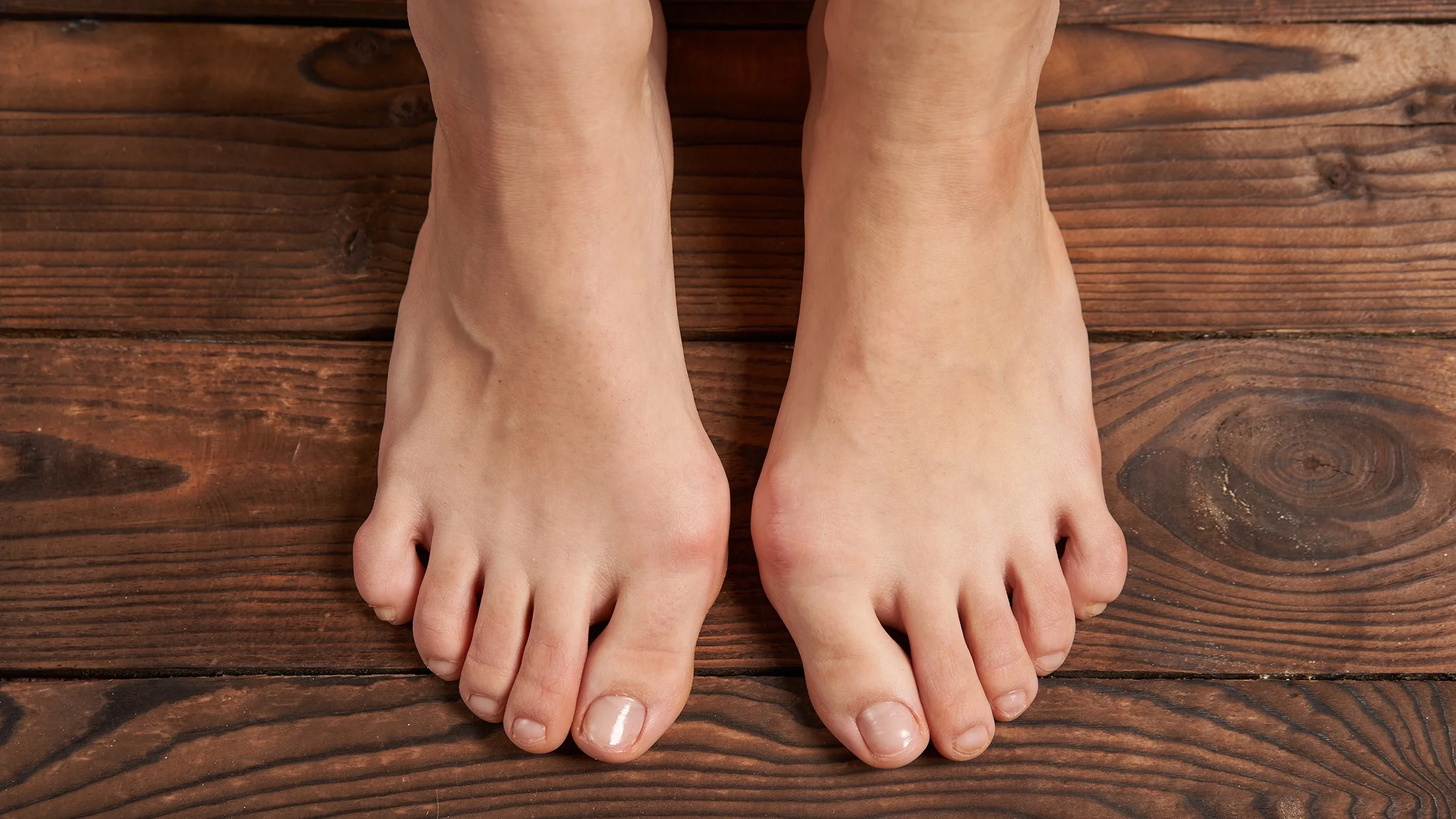
A bunion (hallux valgus) is a deformity of the foot, where a bump forms at the outside base of the big toe. It can be painful, and you may be concerned about how it looks. It’s also something you can prevent with some simple steps. And if you already have a bunion, there are treatment options.
How do bunions form?
You won’t just wake up one morning with a bunion. They develop slowly over time. Bunions form at the joint where the bottom of the big toe meets the bones of the foot underneath it. When there’s pressure on this joint, like with tight shoes that squeeze the area, the bones can start to shift away from each other. The top of the big toe begins to point toward the other toes of the same foot. And the bone under the base of the big toe points starts to point toward the opposite foot.
Search and compare options
Who gets bunions?
There are many factors that contribute to bunions forming. Footwear is very important — and it’s not just tight, narrow shoes. High-heeled shoes are also more likely to cause bunions or to make them worse, especially if they squeeze the front of the foot and the toes.
At the same time, not everyone who wears tight shoes gets bunions, and even people who wear loose shoes can get bunions. Genes are thought to play a role, too. For example, some people are born with foot shape or structure that makes them more prone to bunions. This can happen in people who have joints that are less stable and ligaments that are more flexible. This is one of the reasons bunions are more common in females.
Because bunions form slowly over time, they can be more common as you get older. And if you spend a lot of time on your feet, you may have more symptoms with your bunions.
Certain conditions can also increase your risk of having bunions, like:
Rheumatoid arthritis: a condition that causes inflammation of joints
Marfan’s syndrome: a condition that causes people to have loose joints
How do I know if I have a bunion?
There are a few signs that you may have a bunion. You may notice one or more of the following:
A hard bump forms at the outer base of the big toe.
There’s pain or redness at the bump at times.
A corn or callus (thickened skin) forms over the bump.
There’s pain in the toe when you’re standing or walking. This happens especially when you’re wearing high heels or shoes that crowd the front of your foot.
You have difficulty moving the big toe, especially to lift it.
You have a burning feeling or numbness over the area of the bunion.
Treatments for bunions
The first and most important treatment for bunions is to wear the best kind of shoes for your feet. Choose footwear that is wide enough, especially around the toes and front of the foot. Heels that are more than a couple of inches high will also put more pressure on the joint and make the bunion worse, so try to avoid them if you can.
You can place over-the-counter cushions and pads over painful corns and calluses that may have formed with the bunion. There are also special bunion shields that cover the bump and can help with pain. Icing the area can also help with pain and inflammation.
You may need to take other measures when a bunion becomes more advanced. For example, the bump may get bigger or the pain might get worse. A healthcare professional may recommend the following:
Physical therapy: Strengthening your foot muscles may help improve movement in your foot and decrease pain.
Custom orthotics: These special inserts in the shoe can help with pain and prevent more changes in bone structure.
Toe spreader: This device reduces pain by separating the first and second toes.
Sometimes bunions cause severe pain or limit your activity. If this happens, a foot specialist will discuss the risks and benefits of bunion surgery. There are different types of bunion repair procedures. The goal of surgery is to restore the position of the big toe and bones underneath, all while helping decrease pain and improve function in your foot.
What happens if I don’t treat my bunion?
If bunions aren’t treated, the pressure on the joint where the big toe meets the foot may lead to worsening pain and swelling. This can affect the joint in the following ways:
Bursitis: a painful inflammation of the fluid-filled cushion around the joint
Arthritis: a condition where there’s a loss of cartilage between the bones that may lead to pain and limited movement
If the position of the toe continues to change, the bunion can even affect the way you walk by changing the way your foot touches the ground.
Do bunions go away on their own?
Bunions don’t go away on their own. But nonsurgical treatments can help with pain and slow down changes to the bones.
A healthcare professional should check a bunion that’s getting worse.
Preventing bunions
While you can’t control your genes, you can choose shoes that will decrease the chance of making a bunion form. Here are a few tips:
Whenever possible, avoid shoes that are tight or have heels that are too high. Choose shoes that fit comfortably and aren’t too narrow or pointed around the front of the foot.
Try on shoes to see how they fit, instead of basing your purchase on one size. Stand up and walk around in the shoes to make sure they’re comfortable. Don’t count on the shoes stretching or being able to “break them in.”
Many people have feet that are slightly different sizes. If this is the case for you, choose a shoe size based on the larger foot.
How do bunionettes differ from bunions?
A bunionette is like a bunion, but it occurs at the base of the little toe instead of the big toe. In this case, the little toe faces the big toe and the bones underneath it start to point outward. You might notice a hard bump on the outside of the base of your little toe and maybe a painful corn or callus. The treatment for bunionettes is the same for bunions. The right kind of footwear is also important.
How does hammertoe differ from bunions?
A hammertoe is a bend upward in the second, third, or fourth toe. It affects the middle joint of these toes, and the toe ends up looking like a hammer. A hammertoe forms for some of the same reasons as a bunion — especially due to tight shoes and high heels.
The bottom line
A bunion is a common foot deformity that can cause pain and swelling. It’s more common in females, and the risk increases with age. There may be some risk factors for bunions you can’t change. But one important thing you can do to keep your feet healthy is to wear shoes that don’t squeeze your foot or put pressure on your toes.

Why trust our experts?



References
American Academy of Orthopaedic Surgeons. (2021). Bunions.
American Academy of Orthopaedic Surgeons. (2021). Bunion surgery.
American Academy of Orthopaedic Surgeons. (2021). Hammer toe.
American College of Foot and Ankle Surgeons. (2021). Bunions.
American College of Foot and Ankle Surgeons. (2021). Tailor’s bunion (bunionette).
Barnish, M. S., et al. (2016). High-heeled shoes and musculoskeletal injuries: A narrative systematic review. BMJ Open.
Choi, G. W., et al. (2015). Sex-related differences in outcomes after hallux valgus surgery. Yonsei Medical Journal.
Journal of Orthopaedic & Sports Physical Therapy. (2016). Bunion: Strengthening foot muscles to reduce pain and improve mobility. Journal of Orthopaedic & Sports Physical Therapy.
Kuhn, J., et al. (2021). Hallux valgus. StatPearls.
Nix, S., et al. (2010). Prevalence of hallux valgus in the general population: A systematic review and meta-analysis. Journal of Foot and Ankle Research.
Nix, S. E., et al. (2013). Gait parameters associated with hallux valgus: A systematic review. Journal of Foot and Ankle Research.
Park, C. H., et al. (2019). Forefoot disorders and conservative treatment. Yeungnam University Journal of Medicine.