Key takeaways:
Jock itch (tinea cruris) is a fungal skin infection that affects your groin and thighs.
Jock itch is very contagious. It can spread through person-to-person contact and contaminated objects.
Jock itch treatment includes using antifungal creams, wearing loose clothing, and keeping your skin dry.
Have you ever had a very itchy, red rash on your upper thighs or groin? If so, you may have experienced jock itch (tinea cruris), a frustrating skin condition caused by a fungus.
The name “jock itch” comes from the fact that athletes sweat a lot, which creates an inviting environment for fungi to thrive. But anyone can get jock itch — not just athletes.
Jock itch can be stubborn to get rid of. But there are home remedies that can help you get rid of jock itch fast.
What is jock itch, and what causes it?
Jock itch is a fungal skin infection that affects your groin, upper thighs, and buttocks. It’s typically caused by a dermatophyte fungus, which can also lead to skin infections in other areas. Jock itch is one type of ringworm, and its medical term is tinea cruris.
Jock itch is very contagious. You can pick it up easily from other people or objects like towels and clothing. If you touch something that has the fungus on it, you can get it, too.
What are the symptoms of jock itch, and what does it look like?
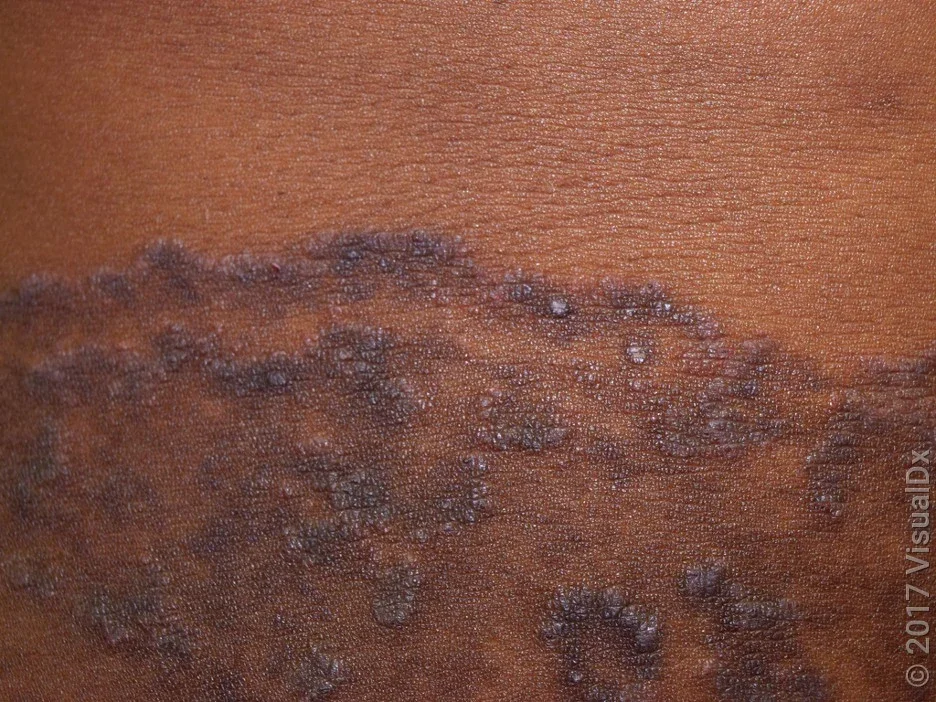
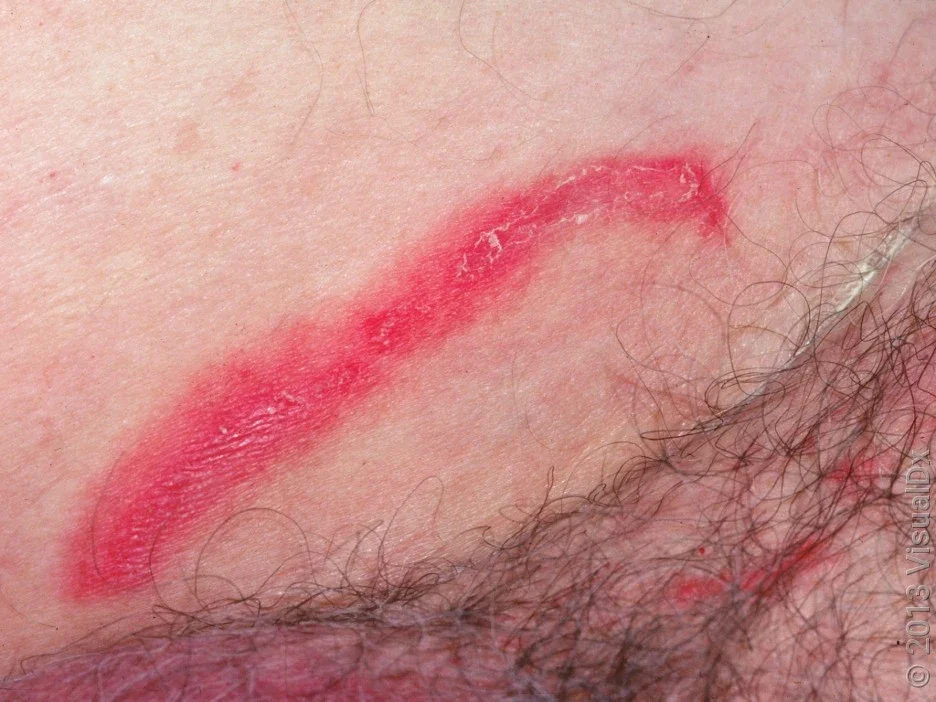
Jock itch causes a red, brown, or violet rash in the creases of your groin, as well as your upper thighs or buttocks. Other symptoms of jock itch include:
Intense itching and/or burning
A rash with round or circular edges
Scaling, flaking, or peeling skin
Small bumps or blisters along the edges of your rash
If you have jock itch on both of your thighs, the rash may look slightly different on each side. For example, it might be larger on one side or have a slightly different color.
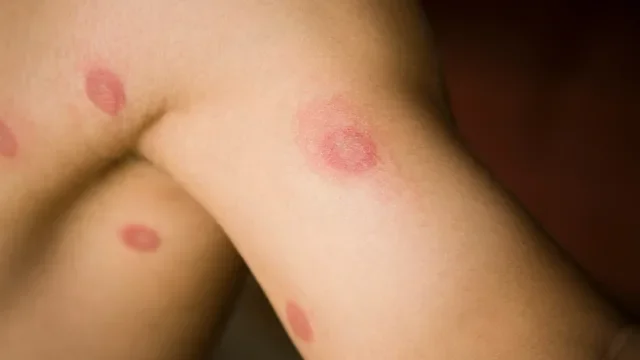
What does jock itch look like?
Jock itch can look a bit different depending on your skin tone and how long you’ve had the rash. Here are a couple of pictures of what jock itch looks like.
What are the best treatments for jock itch?
If you have jock itch, you’re probably uncomfortable and want to get rid of it fast. Here are eight home remedies and self-care tips to treat jock itch fast.
1. Start an antifungal jock itch treatment right away
Antifungal creams kill the fungus that causes jock itch. The sooner you start treatment, the faster your infection will go away.
Many jock itch creams are available over the counter (OTC), so you don’t need a prescription.
Popular options include:
Clotrimazole (Lotrimin AF, Clotrimazole 3)
Miconazole (Monistat)
Terbinafine (Lamisil AT)
Tolnaftate (Tinactin)
Butenafine (Lotrimin Ultra)
It’s not clear if one cream works better than another. But some experts recommend starting with terbinafine or butenafine. Terbinafine and butenafine can be applied once a day for 1 week. If you use a different antifungal cream, like clotrimazole or miconazole, apply it 1 to 2 times a day for 2 weeks. If your rash doesn’t improve or gets worse, see a healthcare professional.
2. Don’t scratch your rash
While scratching may bring temporary relief, it can make the condition worse. Scratching increases the risk of developing a secondary infection, like cellulitis, on top of your fungal infection. This makes it harder to treat and get rid of jock itch.
Scratching also transfers the fungus to your nails and hands. This lets the fungus easily spread to other parts of your body.
3. Use a powder after bathing
Fungus thrives in moist areas. Keep your groin and thighs dry to create an environment where it can’t grow.
After bathing, dry your skin completely. Then, apply a powder to your groin and thighs to help keep the area dry. You can try:
Baby powder
Cornstarch
Antifungal powders
Other talc-free powders
4. Wear loose-fitting clothing and underwear
Tight-fitting clothes and underwear trap moisture, creating the moist environment that fungus loves. Opt for loose-fitting clothing, like loose pants, shorts, and boxers. Also, switch to cotton underwear. Synthetic fibers don’t always wick away moisture as well as natural fibers.
5. Gently clean your skin
Keeping your skin clean and dry helps jock itch heal faster. Here are some tips for taking care of your skin affected by jock itch:
Wash the affected area daily with mild soap and water: Be gentle — don’t scrub. Avoid soaps with harsh dyes and fragrances.
Avoid antibacterial soap: Opt for mild cleansers instead. Antibacterial soaps won’t help since jock itch isn’t caused by bacteria.
Avoid products like rubbing alcohol or hydrogen peroxide: These products don’t work for jock itch and can irritate your skin.
6. Wash everything that touches your skin after one use
The fungus that causes jock itch can live on objects for several months or longer. If you’ve been treated but reuse something that still has fungus on it — like towels or clothing — you could reinfect yourself.
So, it’s important to wash clothing, underwear, and towels after every use. You also want to wash anything that touches your rash as soon as possible — including bedding.
7. Try tea tree oil
Tea tree oil and other essential oils have some antifungal properties. So, it’s possible that they could help get rid of your jock itch faster. But they won’t cure your jock itch on their own. Studies show that tea tree oil enhances the activity of certain antifungal medications in test tubes. But more research is needed to confirm that it works the same way in humans.
Apply the oil directly to your rash before your antifungal cream. Use a concentration of 5% to 10%. If the formulation is too strong, it can cause irritation and increase your risk of contact dermatitis.
8. Check the rest of your body for ringworm
Fungus can live anywhere on your skin. If you have jock itch, check for signs of ringworm in other areas. Common ringworm locations include:
Feet (tinea pedis)
Fingernails and toenails (onychomycosis)
Scalp (tinea capitis)
How to prevent jock itch
To prevent jock itch, you can follow some of the same steps we outlined in the treatment section above:
Wear loose-fitting, breathable underwear that’s made out of material like cotton, which can absorb and wick moisture.
Avoid rewearing soiled clothing, and promptly change out of your exercise clothes.
Wash your clothes after every use, especially workout clothes.
Dry your groin after bathing or swimming.
Don’t share towels with others.
Good to know: If you have athlete’s foot or another type of fungal infection, it’s possible to spread that infection to another area of your body, like your groin. To prevent the infection from spreading, start treatment as soon as possible, and avoid scratching the infected area. After you apply medication to the rash, thoroughly wash your hands.
When to see a healthcare professional
Usually you can treat jock itch at home. But there are times when you may need to get medical care. Here’s when to consider seeing a healthcare professional:
Your rash doesn’t improve after 2 weeks of treatment.
You’re not sure if it’s jock itch or something else.
The rash spreads to other parts of your body.
The rash is very painful or uncomfortable.
The rash keeps coming back.
Frequently asked questions
The jock itch rash is usually pretty distinctive. But sometimes it can be mistaken for other types of rashes. Some common ones include:
If you’re not sure about your rash, a healthcare professional can help you figure it out.
No, jock itch usually doesn’t go away on its own. If you don’t treat it, jock itch can get worse and spread to other parts of your body.
No, jock itch isn’t a sexually transmitted infection (STI). But jock itch can be spread through any skin-to-skin contact. This can happen during sexual activity or other types of skin contact. You can also get jock itch by touching an infected object, like a towel.
The jock itch rash is usually pretty distinctive. But sometimes it can be mistaken for other types of rashes. Some common ones include:
If you’re not sure about your rash, a healthcare professional can help you figure it out.
No, jock itch usually doesn’t go away on its own. If you don’t treat it, jock itch can get worse and spread to other parts of your body.
No, jock itch isn’t a sexually transmitted infection (STI). But jock itch can be spread through any skin-to-skin contact. This can happen during sexual activity or other types of skin contact. You can also get jock itch by touching an infected object, like a towel.
The bottom line
Jock itch (tinea cruris) is a skin infection caused by a fungus. It causes a burning, itchy rash in your groin and thighs. Jock itch can be treated with antifungal cream. To speed up healing, keep your skin dry, wear breathable fabrics, and make sure to treat any other fungal infections, like ringworm or athlete’s foot.

Why trust our experts?



Images used with permission from VisualDx (www.visualdx.com).
References
Ely, J. W., et al. (2014). Diagnosis and management of tinea infections. American Family Physician.
Larson, D., et al. (2012). Tea tree oil. Dermatitis.
Nazzaro, F., et al. (2017). Essential oils and antifungal activity. Pharmaceuticals.
Pippin, M. M., et al. (2023). Tinea cruris. StatPearls.
Roana, J., et al. (2021). Antifungal activity of Melaleuca alternifolia essential oil (TTO) and its synergy with itraconazole or ketoconazole against Trichophyton rubrum. Molecules.
Spickler, A. R. (2013). Dermatophytosis. The Center for Food Security and Public Health.
Tan, K., et al. (2021). Tinea cruris. DermNet.
U.S. Food and Drug Administration. (2024). Skip the antibacterial soap; use plain soap and water.
Wróblewska, M., et al. (2021). The influence of tea tree oil on antifungal activity and pharmaceutical characteristics of pluronic F-127 gel formulations with ketoconazole. International Journal of Molecular Sciences.