Key takeaways:
Food poisoning is common, especially in warmer months. It can be tough for the few days you’re sick, but most people make a full recovery at home.
The main treatment for food poisoning is hydration, which you can do at home with some helpful tips. Over-the-counter (OTC) medications can also help with symptoms like vomiting and diarrhea.
Some people develop a more severe case of food poisoning or get really dehydrated. In these instances, there are signs to help you decide if you need medical attention.
Save on related medications
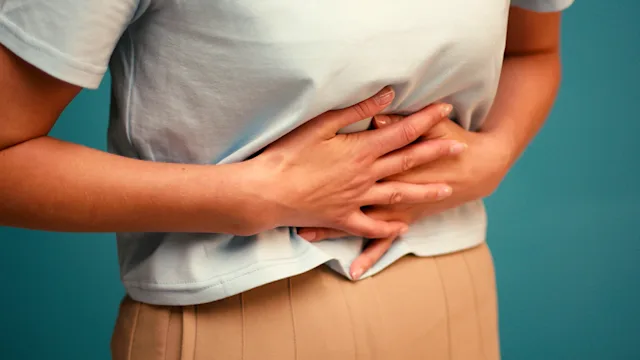
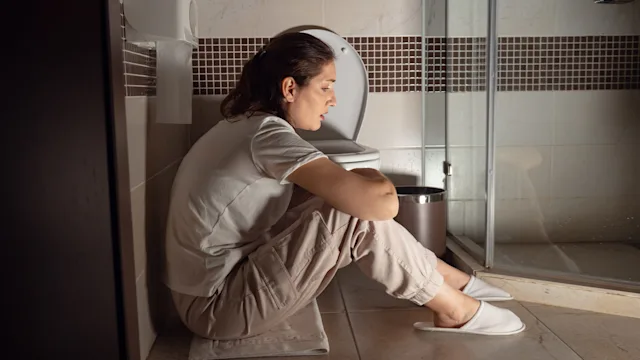
Every year, there are over 850 million cases of food poisoning worldwide. It occurs when you eat or drink contaminated food or beverages, and most people know the telltale signs. Sometimes, it starts with waves of nausea and vomiting. Other times, belly cramps and diarrhea seem to come out of nowhere. Most of the time, the symptoms are short lived — but those few days can be miserable.
Here, we’ll review food poisoning treatments to help speed up your recovery. And, when home treatment isn’t enough, we’ll help you know when it’s time to see a healthcare professional or head to the hospital.
The best home remedies for food poisoning
Food poisoning is caused by an infection in the gastrointestinal (GI) tract. The main focus of treatment is to keep your body running while the infection runs its course. This usually means staying hydrated by replenishing the fluids and electrolytes you’re losing.
Let’s look at some of the best ways to treat food poisoning at home.
Stay hydrated
When you have vomiting or diarrhea, your body is losing more than just water. It’s also losing important electrolytes like sodium and potassium. So, it’s important to choose drinks that also replenish these vital nutrients. Clear liquids — especially those with salt and a little bit of sugar — are the best things to drink when you’re sick.
What to drink when you have food poisoning
To stay hydrated, you can drink:
Oral rehydration fluids: These include drinks that are specially formulated to keep you hydrated — like Ceralyte, Pedialyte, and Oralyte. Many people will reach for sports drinks first, but these are less ideal. They often have too much sugar and too few electrolytes. Liquids with a lot of sugar can make diarrhea worse.
Broth: Broth tends to be high in salt and low in sugar. That makes it a great choice to help keep you hydrated. And you may find savory liquids more soothing and appealing than sweeter ones.
Clear, watered-down juice: A mix of half juice and half water can be great. Watering down the juice can help it taste good without worsening your symptoms. Stick with clear juices — like apple or cranberry juice. Juices with pulp are harder to digest.
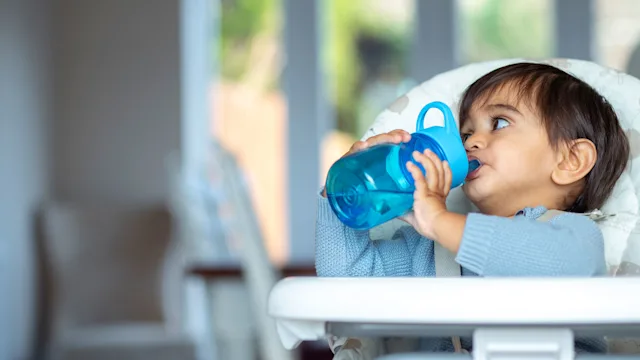
Popsicles: These are another great way to get some liquids, especially for kids. Sometimes, the cold can feel soothing. You can even make your own by freezing juices or sports drinks.
How to keep liquids down
Choosing the right liquids is only half the battle. Here are some tips to keep those liquids down:
Take small sips often. Remember to drink frequently. Taking a few sips every few minutes can be as good as getting intravenous (IV) fluids. Small sips are easier on your stomach. Avoid the temptation to take large gulps between waves of nausea.
Keep drinking even if you’re vomiting. If you’re throwing up, you may think drinking fluids is a lost cause. But a little persistence can go a long way. While it may feel like you threw everything up, you’ll often retain more fluids than you think.
Try different liquids. You may prefer a particular drink over another. But rotating between different juices or broths helps your body get a mix of electrolytes.
Ease back into eating
It’s best not to eat solid foods until you can drink clear liquids without throwing up for at least 6 hours. Once you reach that benchmark, start with bland, low-fiber foods. These tend to be easier to digest, especially when your gut isn’t at its best.
Foods to eat after food poisoning
Here are examples of what to eat after food poisoning:
Plain breads or crackers
Bananas
Plain potatoes or rice
Plain pasta
In the past, the BRAT diet was recommended: bananas, rice, applesauce, and toast. But many experts find this diet to be too restrictive. So, you shouldn’t feel limited to these foods. And don’t try to force them down if they’re not agreeing with you.
Even as you’re feeling better and able to eat more foods, it’s important to continue drinking fluids. This will help restore all of your fluid losses and help you feel better.
Over-the-counter medications to help with food poisoning
Hydration and easing back into eating are the cornerstones of food poisoning treatment. But there are many over-the-counter (OTC) food poisoning medications that can help with your recovery. Here’s what to take for food poisoning symptoms:
Nausea medications: Dimenhydrinate (Dramamine) or meclizine (Bonine) are for motion sickness. But they may help with mild nausea.
Loperamide (Imodium): Loperamide is an antidiarrheal medication that helps slow down your gut. This can mean fewer episodes of diarrhea. Follow the instructions to avoid taking too much. You should avoid this medication if you have bloody diarrhea or fever. Also, this medication isn’t for children under 12.
Bismuth subsalicylate (Pepto-Bismol): Many people wonder if Pepto-Bismol helps with food poisoning. It can help with both nausea and diarrhea. But because of the aspirin content, it’s not recommended for children under 12.
Fever medications: Fever can cause body aches or headaches. Acetaminophen (Tylenol) or ibuprofen (Advil, Motrin) can help.
Probiotics: These “good bacteria” supplements might help decrease how long you have diarrhea. But scientists are still studying whether probiotics help specifically with food poisoning. In general, they may be more helpful for prevention than treatment.
How do doctors treat food poisoning?
Most people can safely recover from food poisoning at home. But if your symptoms are severe, you may need to see a healthcare professional or head to the emergency room (ER). If that’s the case, there are several treatment options to help you feel better:
IV fluids: While taking small, frequent sips of liquids at home can be very effective, severe dehydration or persistent vomiting might require a more direct approach. IV fluids allow you to get large amounts of fluid and essential electrolytes directly through your veins to rehydrate your body quickly.
Prescription anti-nausea medications: If OTC options aren't providing relief, a healthcare professional can prescribe a stronger nausea medication to help settle your stomach.
Antibiotics or antiparasitic drugs: Most people don’t need antibiotics to treat food poisoning. However, if a healthcare professional confirms your illness is caused by a specific bacteria or parasite, they might prescribe a targeted medication.
How to prevent food poisoning
Food poisoning happens when you consume food or drinks contaminated with harmful germs. You can significantly lower your risk by practicing four pillars of food safety at home:
Keep everything clean: Wash your hands, utensils, and countertops frequently with hot, soapy water, especially before eating or cooking and after handling raw food. Always rinse fresh produce under running water before eating.
Keep it separate: Keep raw meat, poultry, seafood, and eggs completely away from ready-to-eat foods like produce and bread. Use separate cutting boards and plates to avoid cross-contamination.
Cook thoroughly: Use a food thermometer to ensure food reaches a safe internal temperature to kill off germs (145°F for whole cuts of meat, 160°F for ground meats, and 165°F for poultry and reheated leftovers).
Chill to preserve: Refrigerate leftovers and perishable items within 2 hours of cooking (or within 1 hour if it’s warmer than 90°F outside). Keep your refrigerator set to 40°F or below.
When to seek medical attention
Most people make a full recovery from food poisoning without seeing a healthcare professional. But some people are at a higher risk for developing a more severe illness. These groups include:
Children under 5
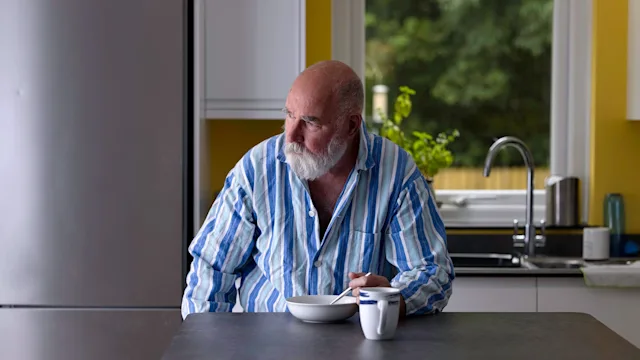
Older adults, especially those over 65
People with conditions that affect their immune system (such as HIV, cancer, rheumatoid arthritis, and diabetes)
If you fall into one of the above groups, it’s a good idea to talk with your primary care provider — even if you feel like you’re doing fine at home. They can help check your symptoms and run some tests to make sure you’re OK.
Even though most people don’t need antibiotics for treatment, this isn’t true for everyone. Some people — like those with a weaker immune system — may need them to fight off the infection.
But whether or not you’re in a high-risk category, you should go to the ER if you develop any of the following symptoms:
Bloody stools
Severe abdominal pain
Difficulty staying awake or confusion
Frequently asked questions
The duration of food poisoning varies. It depends on the specific pathogen causing your illness. And it depends on your health too. Most cases of food poisoning last between 1 and 3 days. Bacterial infections tend to last a little longer than viruses. And they may take a week or more to get better.
Food poisoning kicks in pretty quickly — usually within a few hours of eating contaminated food. It may even start quicker than this if the poisoning is caused by a toxin rather than the bacteria itself. Examples of bacteria that can produce toxins in food include:
Staphylococcus
Bacillus
Clostridium botulinum
Yes, food poisoning can be contagious. The bacteria and viruses that contaminate food can also be spread from person to person. So, when someone has food poisoning, it’s best to avoid direct contact with them or shared surfaces. And be sure to wash your hands before and after preparing any food or eating.
The duration of food poisoning varies. It depends on the specific pathogen causing your illness. And it depends on your health too. Most cases of food poisoning last between 1 and 3 days. Bacterial infections tend to last a little longer than viruses. And they may take a week or more to get better.
Food poisoning kicks in pretty quickly — usually within a few hours of eating contaminated food. It may even start quicker than this if the poisoning is caused by a toxin rather than the bacteria itself. Examples of bacteria that can produce toxins in food include:
Staphylococcus
Bacillus
Clostridium botulinum
Yes, food poisoning can be contagious. The bacteria and viruses that contaminate food can also be spread from person to person. So, when someone has food poisoning, it’s best to avoid direct contact with them or shared surfaces. And be sure to wash your hands before and after preparing any food or eating.
The bottom line
Food poisoning comes on quickly. It can take you from feeling fine to miserable within a matter of hours. The best way to take care of yourself is to focus on hydration. Small, frequent sips of electrolyte-rich fluids will go a long way in helping your body recover. Most people make a swift recovery. But more serious cases can still happen. So, when in doubt, seek medical attention at your nearest emergency room (ER).

Why trust our experts?




References
National Institute of Diabetes and Digestive and Kidney Diseases. (2019). Treatment for food poisoning. National Institutes of Health.
National Institute of Diabetes and Digestive and Kidney Diseases. (2024). Eating, diet, and nutrition for diarrhea. National Institutes of Health.
World Health Organization. (n.d.). Estimating the burden of foodborne diseases.