Key takeaways:
There are no specific foods that cause eczema. But, for some people, removing certain foods may improve symptoms.
Some foods that may trigger eczema include sugar, ultra-processed foods, dairy, and gluten.
Having eczema increases the risk of developing food allergies, especially in children.
There’s no universal eczema diet that’ll clear your skin. But a balanced diet with anti-inflammatory supplements may help control symptoms in some people.
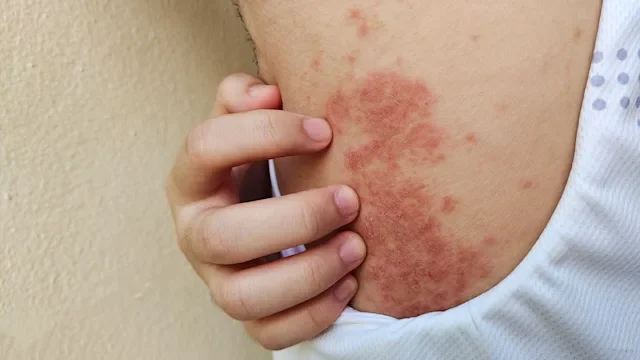
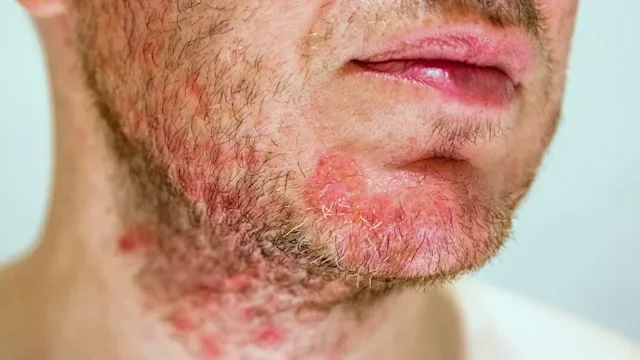
Eczema (atopic dermatitis) is a lifelong skin condition that affects people of all ages. The symptoms can make your skin feel dry, itchy, and even painful.
There are effective treatments for both mild and severe eczema. But if you have eczema, it’s common to wonder what else you can do to keep it from flaring. Some people find relief in natural remedies and essential oils. And many report making dietary changes to help their skin.
To be clear, food doesn’t cause or cure eczema. No single diet can completely get rid of eczema. But there are several dietary changes you can make that may help manage it. Here’s what the research shows about which foods can worsen or improve eczema.
Search and compare options
What foods can cause eczema flare-ups?
Not everyone’s eczema is the same. Foods may be a trigger for some people, whereas it might not be for others. When it comes to foods that trigger eczema, much more research is needed to understand exactly how the foods you eat affect eczema.
Here’s a closer look at some eczema food triggers that people report. Keep in mind that there isn’t conclusive evidence to show that these foods cause or worsen eczema. But, if you suspect that any of these foods are a trigger, you can try a structured elimination (usually 2 to 4 weeks). Then you can reintroduce them to see if your symptoms change.
1. Egg whites
Eggs may worsen eczema for some people, but it depends on whether you have an egg allergy. Here’s what that means:
If you have a confirmed egg allergy: Even though it’s uncommon (found in about 1% of children), you’ll need to avoid eggs and foods that contain eggs entirely. Allergic reactions can worsen eczema and cause other serious symptoms.
If you don’t have an allergy: Eggs may still worsen eczema in some people. In one small study, about 7% noticed that eating eggs made their eczema worse.
2. Gluten and wheat
Gluten is a protein found in wheat, barley, and rye. The relationship between gluten, wheat, and eczema flares isn’t clear-cut. But, for some people, eating gluten seems to trigger eczema.
If you have a gluten sensitivity, removing it from your diet may help. One small study showed that 18% of people felt that gluten worsened their eczema. When they tried a gluten-free diet, about half reported that their eczema improved. However, a larger study of over 64,000 women didn’t show that gluten increased their risk of atopic dermatitis.
People with a true allergy to gluten (called Celiac disease) need to avoid gluten entirely, whether or not they have eczema. If you’re concerned you may have Celiac disease, ask a healthcare professional about getting tested for it.
3. Dairy
Dairy may be an eczema trigger for people who are intolerant or sensitive to dairy products. In one small study of people with eczema, about 25% of people reported that dairy worsened their eczema. And about half of the people who removed it from their diet noticed skin improvement.
Keep in mind that dairy is a good source of calcium, which you need for muscle and bone growth. So, if you’re avoiding dairy, consider connecting with a dietary professional to be sure you’re getting enough calcium.
4. Sugar
Sugar can increase inflammation in the skin and can be a potential trigger for eczema for some people. A small study reported that about 16% of people with eczema felt that eating sugar made their eczema worse.
Remember, though, that not all sugar is equal. Added simple sugars, like those in sodas and candy, are different from the natural sugars in fruits and vegetables. Limiting added simple sugars may be helpful for some people with eczema.
5. Nightshades (tomatoes and potatoes)
Nightshade vegetables include tomatoes, potatoes, and eggplants. In general, these foods are rich in nutrients and antioxidants and have many health benefits. But some people say that avoiding nightshades can improve skin conditions like psoriasis and eczema. In one study, about 13% of people with eczema described tomatoes as a trigger for their eczema. When all nightshades were removed from the diet, about 50% noticed improvement in their skin.
It’s not clear why eliminating nightshades may help some people, since research doesn’t show that they cause inflammation. But foods can affect people differently. If you do try to eliminate these foods, be sure to replace them with other nutrient-dense, whole foods.
6. Processed foods (junk food)
Studies show an association between ultra-processed foods (UPF) and different health conditions, like diabetes and eczema. Some people with eczema have also reported that eliminating junk food (like pastries, candy, sweets, and potato chips) helped clear their skin. Minimizing these foods from your diet will likely improve your skin and overall health.
7. Nickel
Nickel is metal that’s naturally found in the environment, soil, and some foods. Some people are allergic to nickel, and they develop an itchy rash when they come into contact with nickel (like in jewelry or buckles). When a nickel allergy is severe, it can also be a trigger for eczema. In this situation, adopting a nickel-free diet may help. This means avoiding foods that include nickel, like:
Legumes
Nuts
Oats
Soybeans
A nickel-free diet is pretty restrictive, so it’s best to do it under the supervision of a healthcare professional.
8. Spicy foods
Spicy foods are known to trigger certain skin conditions (like rosacea), but they may also worsen eczema. One small study showed that about 2% to 5% of people with eczema reported that spicy foods were a trigger for their eczema.
What are inflammatory foods, and why should you avoid them if you have eczema?
Inflammation is a natural part of your body’s healing response. But sometimes your immune system responds with too much inflammation and for too long. And long-term inflammation can create a range of problems and health conditions — including eczema.
Researchers are still working to understand the relationship between foods and inflammation. But it seems fairly clear that some foods may contribute to inflammation in the body, even though it’s not an allergic reaction. And some foods may increase inflammation in certain people but not in others. This is why a term like “inflammatory food” can be misleading.
Simply put, individual people respond in different ways to the same food. This is why it’s important to pay attention to how you respond to specific foods.
Can food allergies cause eczema?
Having eczema, or a family history of it, can increase your risk of also having a food allergy. In fact, about 40% of children with eczema have a food allergy, compared to about 8% of the general population.
This link is particularly strong in children. That's why experts recommend that children under age 5 who have eczema should be tested for food allergies. The most common food allergies in kids are to:
Cow’s milk
Eggs
Soybean
Fish
Wheat
Peanuts
Tree nuts
Sesame
But while people with food allergies may also have eczema, the specific food you’re allergic to may not directly affect your eczema.
Scientists are still trying to understand the exact relationship between eczema and food allergies. In some people, specific foods may trigger an allergic reaction, which can worsen eczema. But, in others, that's not the case. And it's also possible that foods can trigger inflammation and worsen eczema without this being a true "allergic" response.
What this means for each individual is this: It's hard to predict what foods will or won't affect your eczema. You’re unique. Know your triggers — and avoid them if it helps your symptoms.
What types of foods help with eczema?
Making dietary changes may help lessen your eczema flare-ups. And doing your best to follow a nutritious diet is great for your overall wellness — including your skin. But keep in mind that your diet alone can’t totally get rid of your eczema symptoms.
Here are some general tips and foods that may help you manage your eczema:
Balanced diet: There are lots of ways to eat a balanced diet. In general, it means including lots of fruits, vegetables, and whole foods. And it includes fewer simple sugars and saturated fats. You can follow a balanced diet and still satisfy your sweet cravings. Dark chocolate, for example, contains antioxidants and “good” carbs.
Colorful fruits and vegetables: All fruits and vegetables are good for you. But some veggies, like broccoli and kale, are particularly dense in nutrients. Berries and other foods are a good source of antioxidants, which may also reduce inflammation.
Omega-3 fatty acids: These fats may have anti-inflammatory properties. Omega-3 fatty acids are in many different types of fish, fish oil supplements, and some plant-based sources.
Probiotics and prebiotics: Probiotic and prebiotic supplements may help babies and children with eczema. But evidence is mixed, and any benefit may depend on the probiotic strain. As with any supplement, connect with a healthcare professional first.
Do elimination diets help eczema symptoms?
Overall, strict elimination diets aren’t effective in the treatment of eczema for most people. The American Academy of Dermatology (AAD) doesn’t recommend food-elimination diets or supplements for treating eczema.
There’s some limited research to suggest that elimination diets may slightly lessen the severity of eczema symptoms. But this small possible benefit may not outweigh the risks of elimination diets, including the potential to increase the risk of food allergy.
Good to know: Elimination diets can be dangerous without professional guidance. Restricting food groups can lead to infections, severe malnutrition, and vitamin deficiencies that are potentially deadly. Not to mention that the stress of starting and upholding a strict diet can be a trigger for eczema in itself.
People with true allergies to certain foods should avoid those foods. But strict diets should be avoided. It’s best to discuss your specific needs with a nutrition counselor before starting any food-restriction diet.
Frequently asked questions
Whether or not you have eczema, eating a balanced diet can help make sure you get all of the vitamins and minerals you need. And there are lots of different ways to meet your nutritional needs while fulfilling your personal tastes.
Eczema is a complex condition that’s likely the result of multiple factors. What you eat can play a role in managing your eczema symptoms. But there doesn’t seem to be one specific food or vitamin deficiency that causes it.
Some have questioned whether vitamin D deficiency may play a role in the development and severity of eczema. It’s possible that vitamin D supplementation may help in people who have a vitamin D deficiency. But much more research is needed to understand if there’s actually a link.
If you have a dairy allergy, sensitivity, or intolerance, drinking milk may trigger an eczema flare. And there’s research to show that added simple sugars can lead to inflammation, which may play a role in eczema flare-ups. So consider limiting drinks with added sugar, like soda, energy drinks, and sweetened teas. Alcohol is another one to limit, as it can lead to inflammation.
Staying hydrated is great for your overall health. And water is high on many skin care checklists. But when dermatologists talk about hydrating your skin, they’re really referring to topical moisturizers that you put on your skin. Unless you’re severely dehydrated, you really won’t notice a difference in your skin health.
Eczema treatment starts with good skin care, including moisturizing and rebuilding the skin barrier. Lifestyle changes that reduce stress and promote a positive mindset may also improve eczema symptoms. For example, studies show that laughter can directly lower the skin’s allergic response. Yoga, mediation, dance, and music may also help.
Whether or not you have eczema, eating a balanced diet can help make sure you get all of the vitamins and minerals you need. And there are lots of different ways to meet your nutritional needs while fulfilling your personal tastes.
Eczema is a complex condition that’s likely the result of multiple factors. What you eat can play a role in managing your eczema symptoms. But there doesn’t seem to be one specific food or vitamin deficiency that causes it.
Some have questioned whether vitamin D deficiency may play a role in the development and severity of eczema. It’s possible that vitamin D supplementation may help in people who have a vitamin D deficiency. But much more research is needed to understand if there’s actually a link.
If you have a dairy allergy, sensitivity, or intolerance, drinking milk may trigger an eczema flare. And there’s research to show that added simple sugars can lead to inflammation, which may play a role in eczema flare-ups. So consider limiting drinks with added sugar, like soda, energy drinks, and sweetened teas. Alcohol is another one to limit, as it can lead to inflammation.
Staying hydrated is great for your overall health. And water is high on many skin care checklists. But when dermatologists talk about hydrating your skin, they’re really referring to topical moisturizers that you put on your skin. Unless you’re severely dehydrated, you really won’t notice a difference in your skin health.
Eczema treatment starts with good skin care, including moisturizing and rebuilding the skin barrier. Lifestyle changes that reduce stress and promote a positive mindset may also improve eczema symptoms. For example, studies show that laughter can directly lower the skin’s allergic response. Yoga, mediation, dance, and music may also help.
The bottom line
There’s more to learn about the link between diet and eczema. There’s no specific eczema diet that’ll clear your skin. And there’s no need for strict elimination diets either.
Each person is unique though. Some people may find that limiting certain foods can help prevent flares. Possible food triggers for eczema to consider include dairy, sugar, and ultra-processed foods. A balanced, anti-inflammatory diet rich in fruits and vegetables and low in processed foods can support healthier skin.
But don’t skip the basics: Regular moisturizing and stress management are also key to caring for your skin.

Why trust our experts?




References
Arthritis Society Canada. (n.d.). The truth about nightshades and arthritis.
Boyle, R. J., et al. (2009). Probiotics for the treatment of eczema: A systematic review. Clinical and Experimental Allergy.
Bronsnick, T., et al. (2014). Part I. Atopic dermatitis, acne, and nonmelanoma skin cancer. Journal of American Academy of Dermatology.
Cushing, C. (2024). Tricky nickel: How I finally found my most elusive trigger. National Eczema Association.
Drucker, A. M., et al. (2020). Gluten intake and risk of psoriasis, psoriatic arthritis, and atopic dermatitis among United States women. Journal of American Academy of Dermatology.
Eigenmann, P. A., et al. (2020). Are avoidance diets still warranted in children with atopic dermatitis? Pediatric Allergy and Immunology.
Foolad, N., et al. (2013). Effect of nutrient supplementation on atopic dermatitis in children: A systematic review of probiotics, prebiotics, formula, and fatty acids. JAMA Dermatology.
Keller, M. D., et al. (2012). Severe malnutrition resulting from use of rice milk in food elimination diets for atopic dermatitis. The Israel Medical Association Journal.
Kids with Food Allergies. (2025). Egg allergy.
Kimata, H. (2004). Reduction of allergen-specific IgE production by laughter. European Journal of Clinical Investigation.
Lim, N. R., et al. (2017). The role of elimination diets in atopic dermatitis-a comprehensive review. Pediatric Dermatology.
Ma, X., et al. (2022). Excessive intake of sugar: An accomplice of inflammation. Frontiers in Immunology.
Nickel Institute. (2023). Human health fact sheet 6: Low nickel diet for nickel-allergic individuals susceptible to reactions from oral nickel exposure.
Nosrati, A., et al. (2017). Dietary modifications in atopic dermatitis: patient-reported outcomes. The Journal of Dermatological Treatment.
Oykhman, P., et al. (2022). Dietary elimination for the treatment of atopic dermatitis: A systematic review and meta-analysis. The Journal of Allergy and Clinical Immunology. In Practice.
Palmer, D. J. (2015). Vitamin D and the development of atopic eczema. Journal of Clinical Medicine.
Park, J. S., et al. (2022). Effect of vitamin D on the treatment of atopic dermatitis with consideration of heterogeneities: Meta-analysis of randomized controlled trials. Allergy, Asthma and Immunology Research.
Park, S., et al. (2016). Instant noodles, processed food intake, and dietary pattern are associated with atopic dermatitis in an adult population (KNHANES 2009-2011). Asia Pacific Journal of Clinical Nutrition.
Shikino, K., et al. (2014). Vitamin D-deficient osteomalacia due to excessive self-restrictions for atopic dermatitis. BMJ Case Reports.
Sidbury, R., et al. (2014). Guidelines of care for the management of atopic dermatitis: Section 4. prevention of disease flares and use of adjunctive therapies and approaches. Journal of American Academy of Dermatology.
The Nutrition Source. (2023). Nickel.
World Health Organization. (2020). Healthy diet.
Worth, A., et al. (2010). Food allergy and atopic eczema. Current Opinion in Allergy and Clinical Immunology.