Key takeaways:
Like fat and protein, carbohydrates are a macronutrient found in food.
Despite what you might see and hear online, carbohydrates can be part of a healthy and balanced diet.
Choose unprocessed carbohydrates like beans, lentils, fruits, and vegetables as often as possible.
Over the years, carbohydrates have gained a bad reputation. Just scroll through social media or do a quick internet search, and you'll undoubtedly find influencers, bloggers, and even clinicians discussing the harmful effects of eating carbohydrates.
People accuse carbs of driving obesity, diabetes, inflammation, and heart disease. It's true that a diet high in ultra-processed carbohydrates — like soda, chips, and candy — can contribute to various conditions. But not all carbs have the same effect.
Here, we look at common myths about carbohydrates and how you can eat carbohydrates as part of a well-rounded and nourishing diet.
What are carbs?
Carbohydrates (also known as carbs) are a type of macronutrient found in food. Fats and proteins are also macronutrients. Foods like bread, pasta, chips, and crackers contain carbohydrates. Your body breaks down carbohydrates into glucose, which it then uses for energy.
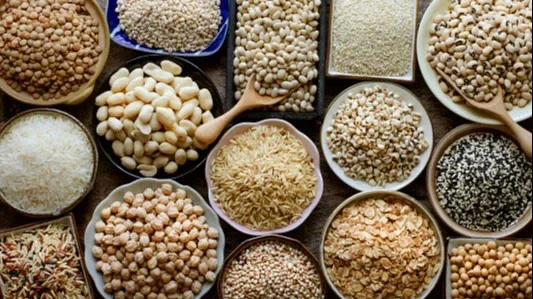
More nutrient-dense foods — like milk, beans, lentils, whole grains, fruits, and vegetables — also contain carbohydrates.
The difference between simple and complex carbs
Simple carbohydrates are easy to digest. Fruits like bananas and berries contain a simple carbohydrate called fructose. Dairy products, like milk and yogurt, have a simple carbohydrate called lactose. Table sugar (sucrose) and high fructose corn syrup in candy, soda, and pastries are also simple sugars.
Not all simple sugars are created equally, though. Fruit, for example, contains healthy antioxidants and fiber necessary for fighting inflammation and maintaining gut health. Dairy products contain calcium and protein. Table sugar and high fructose corn syrup, on the other hand, provide little nourishment, are typically found in ultra-processed foods, and can negatively impact health if you eat them in excess.
Complex carbohydrates, like fiber and starch, take longer for the body to digest. Whole, unprocessed foods like beans, whole grains, and starchy vegetables are also examples of complex carbohydrates.
Claim: Carbohydrates are bad for your health
When you hear that carbohydrates are bad for your health, be wary. It’s a lot more complicated than that. Here, we’ll dive into the science behind carbs and how they can fit into a healthy diet.

Read more like this
Explore these related articles, suggested for readers like you.




What does the science say?
There is a theory that carbohydrates lead to obesity. Often referred to as the “carb-insulin model,” this hypothesis claims that carbohydrates trigger insulin release (which is true; carbs signal the pancreas to release insulin). And because insulin is a fat-storing hormone, eating carbohydrates must lead to more body fat.
The problem with this theory is that — as we’ve just seen — not all carbs are created equal.
“Carbs” is an imprecise term that means different things in different circumstances. It can refer to added sugars — such as those found in highly processed and ultra-processed foods. Examples of these foods are chips, soda, and sweets. But “carbs” can also refer to bread, rice, pasta, fruits, and even some vegetables.
So what does it mean to eat a high-carb diet or a low-carb diet? It may surprise you to know that these are not consistent concepts. In some scientific research, the link between carbs and poor health is based on a diet high in processed carbohydrates with a high glycemic load. In others, all carbohydrates are restricted. You can see how the science can get difficult to interpret when a “low-carb diet” is not a consistent concept.
Here’s some science we can be pretty sure of:
The type of carb is important. A diet high in refined carbohydrates, potatoes, and sugary drinks may increase the risk of diabetes, while a diet high in minimally processed grains, legumes, and certain whole fruits may reduce the risk of heart disease.
Low-carb diets are linked with weight loss. There is some good evidence to show that a restrictive, low-carb diet maintained over at least 6 months can help with weight loss and improve cholesterol levels in people classified as overweight by their BMI.
Weight isn’t the only thing that matters when thinking about whether or not to eat carbs. When trying to decide whether carbohydrates are bad for health, it also helps to know a bit more about who is eating the carbohydrates — not just what type of carbohydrates they’re eating. In people with Type 2 diabetes, a low-carb diet helps normalize blood sugar levels and lower the amount of diabetes medications they need to take.
So there is scientific evidence to support the benefits of reducing calories from carbs in some people, but it depends on who you are and what your health goals are. Carbohydrates are not themselves unhealthy. Most people can safely eat carbs as part of a balanced diet that includes other key food groups.
Lastly, there is another theory that carbohydrates cause brain inflammation and cognitive decline. But studies suggest that eating whole grains in particular actually improves brain function and reduces inflammation.
How can I fit carbs into a healthy diet?
Carbohydrates can be part of a healthy and balanced diet. When you eat carbs, make them work for you. Prioritize minimally processed, whole-food carbohydrates that also provide other nutrients. For example, fresh fruits and vegetables, legumes, lentils, whole grains, and minimally processed dairy products are all good for your health. Here are seven suggestions for how to prioritize healthy carbohydrates at mealtimes:
Add a 1/2 c of chickpeas (garbanzo beans) to a salad.
Try a bowl of savory oatmeal for breakfast. Try making 1/2 cup of oatmeal and top it with a sunny-side-up egg and a drizzle of pesto.
Swap croutons for crispy roasted sweet potato cubes.
Enjoy a small bowl of berries topped with plain yogurt and oats for dessert.
Slice an apple and top it with cinnamon and pecans for a delicious snack.
Add 1/2 c of black beans to scrambled eggs.
Snack on steamed edamame with your favorite seasoning sprinkled on top.
So should I avoid carbs?
Despite what you may have seen on social media, carbohydrates can be part of a nourishing diet. Carbohydrate-containing foods provide important nutrients like folate, magnesium, and fiber. The type of carbohydrate matters most, so be sure to choose healthy, whole-food options as often as possible.
References
Faruque, S., et al. (2019). The dose makes the poison: Sugar and obesity in the United States – a review. Polish Journal of Food and Nutrition Sciences.
Fortune, N. C., et al. (2019). Dietary intake and cognitive function: Evidence from the Bogalusa Heart Study. American Journal of Clinical Nutrition.
Hu, T., et al. (2012). Effects of low-carbohydrate diets versus low-fat diets on metabolic risk factors: A meta-analysis of randomized controlled clinical trials. American Journal of Epidemiology.
Ley, S. H., et al. (2014). Prevention and management of type 2 diabetes: Dietary components and nutritional strategies. Lancet (London, England).
Ludwig, D. S., et al. (2018). The carbohydrate-insulin model of obesity: Beyond ‘calories in, calories out’. JAMA Internal Medicine.
Mayo Clinic. (2012). Eating lots of carbs, sugar may raise risk of cognitive impairment. ScienceDaily.
MedlinePlus. (2022). Carbohydrates.
Mente, A., et al. (2009). A systematic review of the evidence supporting a causal link between dietary factors and coronary heart disease. Archives of Internal Medicine.
Sang, S., et al. (2020). Emerging science on whole grain intake and inflammation. Nutrition Reviews.
Wang, L. L., et al. (2018). The effect of low-carbohydrate diet on glycemic control in patients with type 2 diabetes mellitus. Nutrients.

Why trust our experts?