
Key takeaways:
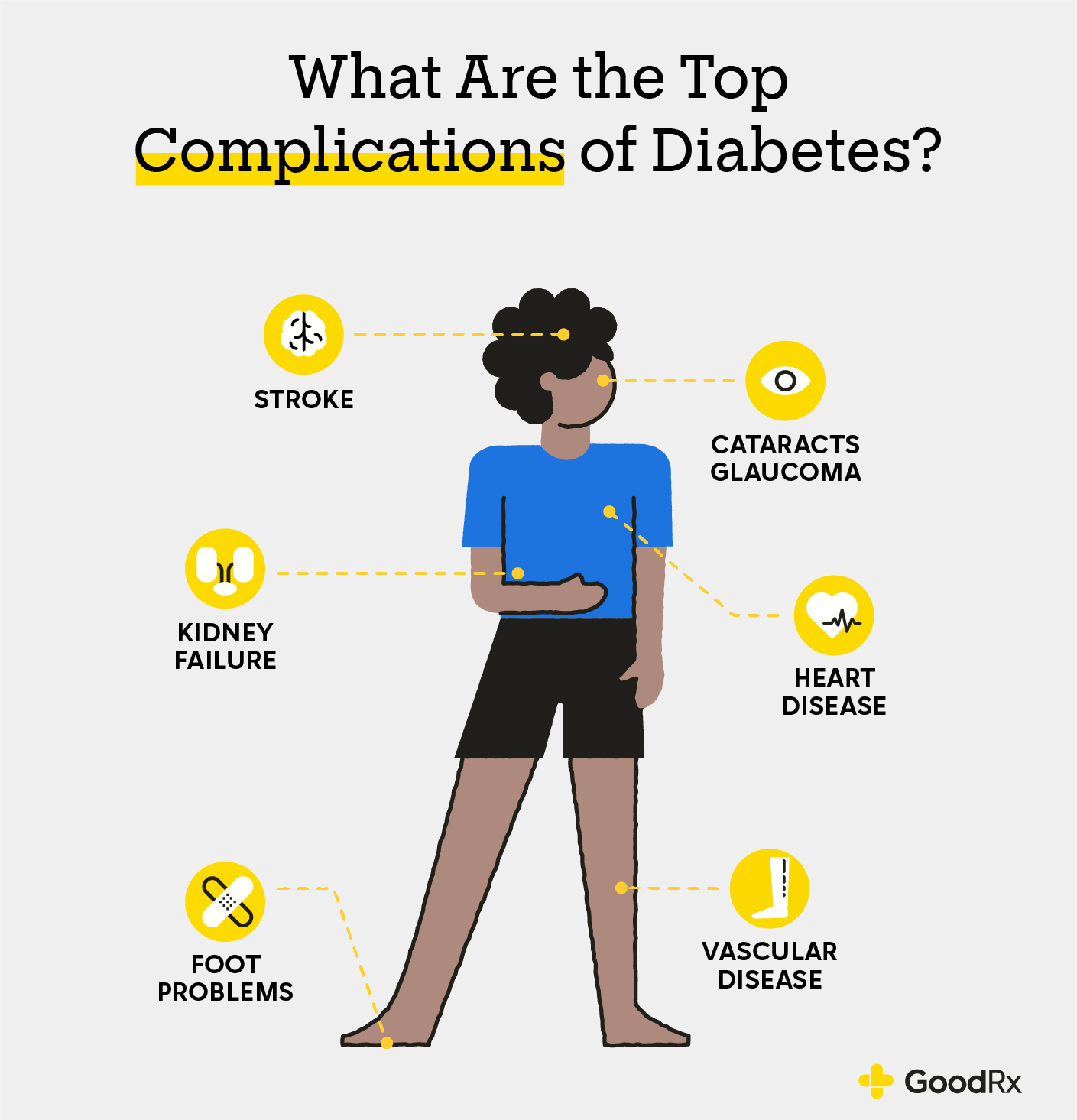
High blood glucose levels in diabetes can affect many different body systems over time. The most commonly affected organs include the heart, brain, and kidneys.
People with diabetes have an increased risk of other health conditions, including heart disease, stroke, nerve damage, and vision loss.
There are effective ways to significantly decrease your risk of diabetes-related complications, including yearly visits to screen for these conditions and monitoring your blood glucose levels daily.
If you or someone you know has a diabetes diagnosis, you know that it can sometimes feel like a lot to manage. For some people, diabetes requires you to check blood glucose (sugar) levels and take medications multiple times every day. Though these daily tasks may sometimes feel like a chore, they make a big difference in your health over the long run.
You may be wondering why it’s beneficial to keep your blood glucose down, and we’ll take a closer look here. Over the course of a lifetime, high blood glucose levels can affect multiple organs and lead to long-term complications that may not be reversible. But here’s the good news: Simple steps now can prevent these problems from developing in the future.
Long-term complications associated with diabetes
Diabetes can have short-term and long-term complications. Short-term complications include problems like dehydration and diabetic ketoacidosis (DKA). These can happen — and resolve — over the course of hours to days. But when blood glucose levels are elevated over the course of several years, long-term conditions develop. And many of these conditions result in organ damage that can’t be reversed.
Here, we’ll go through the different parts of the body that high blood glucose levels affect. We’ll also review some of the more common conditions that can develop alongside diabetes.
Heart and blood vessels
Cardiovascular disease is a broad term that includes conditions that affect both the heart (“cardio”) and blood vessel system (“vascular”) throughout the body. These conditions develop because high amounts of glucose in the blood damages the walls of arteries and veins. Over time, this leads to stiff, more narrowed blood vessels.
In the following sections, you’ll see how this blood vessel damage can affect many different organs. When it comes to the heart and blood vessel system, this can lead to:
Coronary artery disease (CAD): Coronary artery disease develops when the arteries that feed the heart muscle are narrowed or blocked. This can lead to a heart attack.
Peripheral artery disease (PAD): Peripheral artery disease is similar to CAD, but it refers to narrowed blood vessels throughout the rest of the body (particularly in the legs).
High blood pressure: This develops because the blood vessels are stiffer, so it takes more pressure to pump blood through them.
Heart failure: Heart failure develops when the heart has to work harder to pump the blood through stiff or narrowed blood vessels.
Cardiovascular disease is a common diabetes complication. And it’s the top cause of death among people with diabetes. But there are effective ways to prevent these conditions. We’ll talk more about prevention below.
Brain
Similar to the way diabetes can affect the blood vessels in your heart, it can also damage the blood vessels in your brain.
Narrow blood vessels in the brain lead to:
Stroke: This occurs when parts of the brain lose their normal blood supply. People with diabetes have a 1.5 times greater chance of having a stroke than people without diabetes.
Dementia: Diabetes increases the risk of developing different types of dementia, including Alzheimer’s disease. This is due, in part, to the decreased blood flow throughout the brain. But high glucose levels can also lead to inflammation and damage to brain cells.
Kidneys
We’ve covered the heart and brain, arguably the two most important organs in the body. Though the kidneys don’t always take center stage as an essential organ, they play a critical role in keeping your body healthy.
Diabetes can affect the kidneys in the following ways:
Chronic kidney disease (CKD): Up to 40% of people with Type 2 diabetes develop chronic kidney disease. This happens when high blood glucose damages the vessels in your kidney that filter and remove waste from the blood. Once these kidney vessels become damaged, they lose their ability to filter waste and toxins — which we normally pee out — causing them to stay in the bloodstream longer.
End-stage renal disease (ESRD): CKD can eventually lead to end-stage renal disease (ESRD). ESRD happens when kidney function is dangerously low and can’t recover. This is why some people need dialysis.
Feet
People with diabetes are at increased risk of several different foot problems. These complications happen because of the way high blood glucose levels damage the small and delicate nerves and blood vessels in the feet.
Some of the more common complications include:
Peripheral neuropathy: This refers to damage to the nerves in your legs and feet. It leads to pain, discomfort, and numbness in these areas.
Calluses and foot ulcers: These develop because of decreased blood flow to the feet. This leads to the breakdown of the skin, which increases the risk for infection in these areas.
Skin and foot infections: These infections are common in people with diabetes for a number of reasons. First, poor circulation makes it harder for the body to fight a developing infection. And second, nerve damage may make it harder for you to realize when you have a developing wound or infection on the bottom of your foot.
A foot infection can also lead to more serious complications, if it’s not properly treated. The infection can get into the bone (osteomyelitis). In severe cases, these infections can result in amputation of the toe, foot, or part of the leg.
Eyes and vision
Diabetes can affect your vision because it damages the blood vessels and changes fluid levels inside the eyes. This can cause eye problems, including:
Cataracts: Cataracts occur when the eye lens becomes cloudy.
Glaucoma: Glaucoma happens when excess fluid in the eye damages the optic nerve.
Macular edema: Macular edema occurs when excess fluid damages the retina.
Diabetic retinopathy: Diabetic retinopathy happens when there’s damage to the blood vessels in the retina.
All of these conditions lead to decreased vision in different ways. This can mean focusing difficulties, cloudy or blurry vision, or even a blackening out of vision. And, in people ages 18 to 64, diabetes is the top cause of vision loss.
Dental health
People with diabetes may be more likely to have dry mouth. This doesn’t sound like a big problem, but it can lead to other, more serious oral and dental issues. Less saliva means that acids, glucoses, and bacteria stay in your mouth for longer. All of these things can lead to:
Gum disease
Tooth decay
Tooth loss
Chronic infection or abscess
Mental health issues
People with diabetes are more likely to develop a variety of mental health conditions. This includes:
Depression: Experts aren’t clear what the exact link is, but people with diabetes are at a greater risk for depression. And the reverse is also true: People with depression are 60% more likely to develop Type 2 diabetes.
Anxiety: People with diabetes can feel overwhelmed with managing their diagnosis. Diabetes distress can lead to symptoms of anxiety, frustration, and burnout.
Sexual dysfunction
Diabetes can also lead to sexual dysfunction over time — affecting both men and women. This can often show up as one or more of the following:
In some cases, erectile dysfunction is one of the first signs of an underlying medical condition, like diabetes. Let a healthcare professional know if you’re having difficulty with sexual dysfunction. They can help you figure out what’s causing your symptoms.
Why does diabetes affect other parts of the body?
When someone has diabetes, their body either doesn’t make enough insulin or stops responding to insulin the same way. This is sometimes called insulin resistance. And, for many people with diabetes, they experience a bit of both problems. But, either way, this means glucose stays in the blood rather than being absorbed by cells. And, when blood glucose levels remain high for a long time — over the course of years — this can take a toll on other organs throughout the body.
What can I do to prevent these complications if I have diabetes?
Many of the conditions we’ve covered are serious. But the good news is that there are ways to prevent them. This requires being proactive about keeping your blood glucose levels in check. It’s also important to make sure you get regular screenings for medical conditions associated with diabetes.
Keep your blood glucose levels in check
The first step is to know your goal blood glucose levels, and to monitor your blood glucose levels every day.
You can take these steps to keep your blood glucose level in your normal range:
Try to take your diabetes medications every day. And, if you’re having trouble affording them, talk to your healthcare team about switching to less expensive medications.
Eat a balanced diet.
Find the right type of exercise for you. And build movement and activity into your daily routine.
If you smoke, reach out for support to cut back or quit smoking.
Schedule routine checkups
The second step is to schedule regular visits with your healthcare team to make sure your blood glucose levels are stable. It’s also important to get a screening to check for any signs of developing complications. Many primary care clinics have programs in place to help people with diabetes keep track of these routine health visits. So, don’t hesitate to ask a healthcare professional for help.
Find support
Your mental health is an important part of the picture. Living with diabetes can sometimes feel overwhelming. Many people with diabetes benefit from support groups and mental health therapy. What’s more, managing your stress and mood can also help to control blood glucose levels. Paying attention to your mental and emotional health may help you feel better. And, importantly, it may also help to prevent a serious complication later.
Where to get help
Managing diabetes is typically a team effort. Your diabetes care team may include:
Your primary care provider: They help you reach your goal numbers with the right medications and treatment plan.
A podiatrist: Many people with diabetes see a podiatrist once a year to check the skin on their feet, or more often if they notice a wound. Podiatrists can spot a small wound early and treat it before it becomes more serious.
An eye doctor: Having a yearly eye exam is very important if you have diabetes. An annual exam can identify eye problems and treat them early. Early identification and treatment may prevent up to 95% of diabetes-related blindness.
A dentist: You can prevent and treat diabetes-related oral issues with regular dental checkups.
A nutritionist or dietician: It can be helpful to know which foods are supporting your diabetes care goals and which ones could be harmful.
A mental health therapist: Untreated mental health conditions can make diabetes worse. A therapist helps you manage conditions like anxiety and depression, burnout, and stress, which can, in turn, help with managing your blood glucose levels.
Frequently asked questions
There’s no cure for diabetes. It’s a chronic condition that’s typically managed through a combination of lifestyle strategies or medication. But, for those with certain types of diabetes, like Type 2 or gestational diabetes, it may be reversed with a change in exercise habits, diet, or weight loss. But diabetes can sometimes recur under certain circumstances.
Diabetes is a condition with the potential for serious complications and even death in severe cases. It can be deadly in the short term if blood sugar levels reach dangerously high levels. And it can also increase your risk of other conditions — like heart disease and stroke — that could be deadly over time.
Yes, people with diabetes have certain protections under the Americans with Disabilities Act in public places, like school and work. Diabetes can qualify as a disability that receives financial benefits, depending on how severe it is and any complications you may have.
There’s no cure for diabetes. It’s a chronic condition that’s typically managed through a combination of lifestyle strategies or medication. But, for those with certain types of diabetes, like Type 2 or gestational diabetes, it may be reversed with a change in exercise habits, diet, or weight loss. But diabetes can sometimes recur under certain circumstances.
Diabetes is a condition with the potential for serious complications and even death in severe cases. It can be deadly in the short term if blood sugar levels reach dangerously high levels. And it can also increase your risk of other conditions — like heart disease and stroke — that could be deadly over time.
Yes, people with diabetes have certain protections under the Americans with Disabilities Act in public places, like school and work. Diabetes can qualify as a disability that receives financial benefits, depending on how severe it is and any complications you may have.
The bottom line
Over time, high blood glucose from diabetes can affect the heart, brain, kidneys, and eyes. Damage to these organs can turn into medical conditions like heart disease, stroke, or vision loss. But you’ve already taken the first step in preventing these conditions by learning about them. And you can decrease the risk of these complications with a healthy diet, the right medications, and regular visits with your diabetes care team.

Why trust our experts?



References
American Academy of Ophthalmology. (2024). What are cataracts?
American Academy of Ophthalmology. (2024). What is macular edema?
American Diabetes Association. (n.d.). Eye health.
American Diabetes Association. (n.d.). Fitness.
American Diabetes Association. (n.d.). Mental health.
American Diabetes Association. (2021). Proving diabetes is a disability.
American Heart Association. (2024). Coronary artery disease.
American Heart Association. (2024). Know your numbers.
Centers for Disease Control and Prevention. (2024). Diabetes and mental health.
Hanyu H. (2019). Diabetes-related dementia. Advances in Experimental Medicine and Biology.
Holt, R. I. G., et al. (2014). Diabetes and depression. Current Diabetes Reports.
MedlinePlus. (2024). Diabetes complications.
MedlinePlus. (2024). Osteomyelitis.
Mezuk, B., et al. (2008). Depression and Type 2 diabetes over the lifespan: A meta-analysis. Diabetes Care.
National Institute of Dental and Craniofacial Research. (2024). Diabetes and oral health. National Institutes of Health.
National Kidney Foundation. (2015). Diabetes - A major risk factor for kidney disease.
National Kidney Foundation. (2023). Dialysis.
Poznyak, A., et al. (2020). The diabetes mellitus-atherosclerosis connection: the role of lipid and glucose metabolism and chronic Inflammation. International Journal of Molecular Sciences.
Rout, P., et al. (2025). End-stage renal disease. StatPearls.
Shindel, A. W., et al. (2021). Sexual dysfunction in diabetes. Endotext.