Key takeaways:
For many people, stopping antidepressants can cause withdrawal symptoms. Symptoms are especially common if you stop your medication all at once.
Certain antidepressants are more likely than others to cause withdrawal symptoms.
If you’re thinking about stopping your antidepressant, talk to a healthcare professional. They can help you slowly taper off your medication so you can cut down the chance of withdrawal symptoms.
You and your primary care provider have decided it’s time to wean off your antidepressant. Now you’re wondering: What’s the best way to stop? Does taking it slow make more sense than going cold turkey? And what symptoms might you feel?
Here, we’ll go over what you can expect when stopping your antidepressant medication. We’ll also give you some tips on how to work together with a healthcare professional to taper off your medication in a safe and comfortable way.
Should you stop taking your antidepressant?
If you’ve been taking an antidepressant for a while, you may be considering if it’s time to stop. The decision to stop taking antidepressants is a personal one. But there are some situations where your prescriber might recommend that you stop your medication.
Search and compare options
Common reasons why you may choose or need to stop antidepressants include:
The medication isn’t working well for you.
You’re having a lot of side effects.
You’re pregnant.
You have a medical emergency or suddenly need surgery.
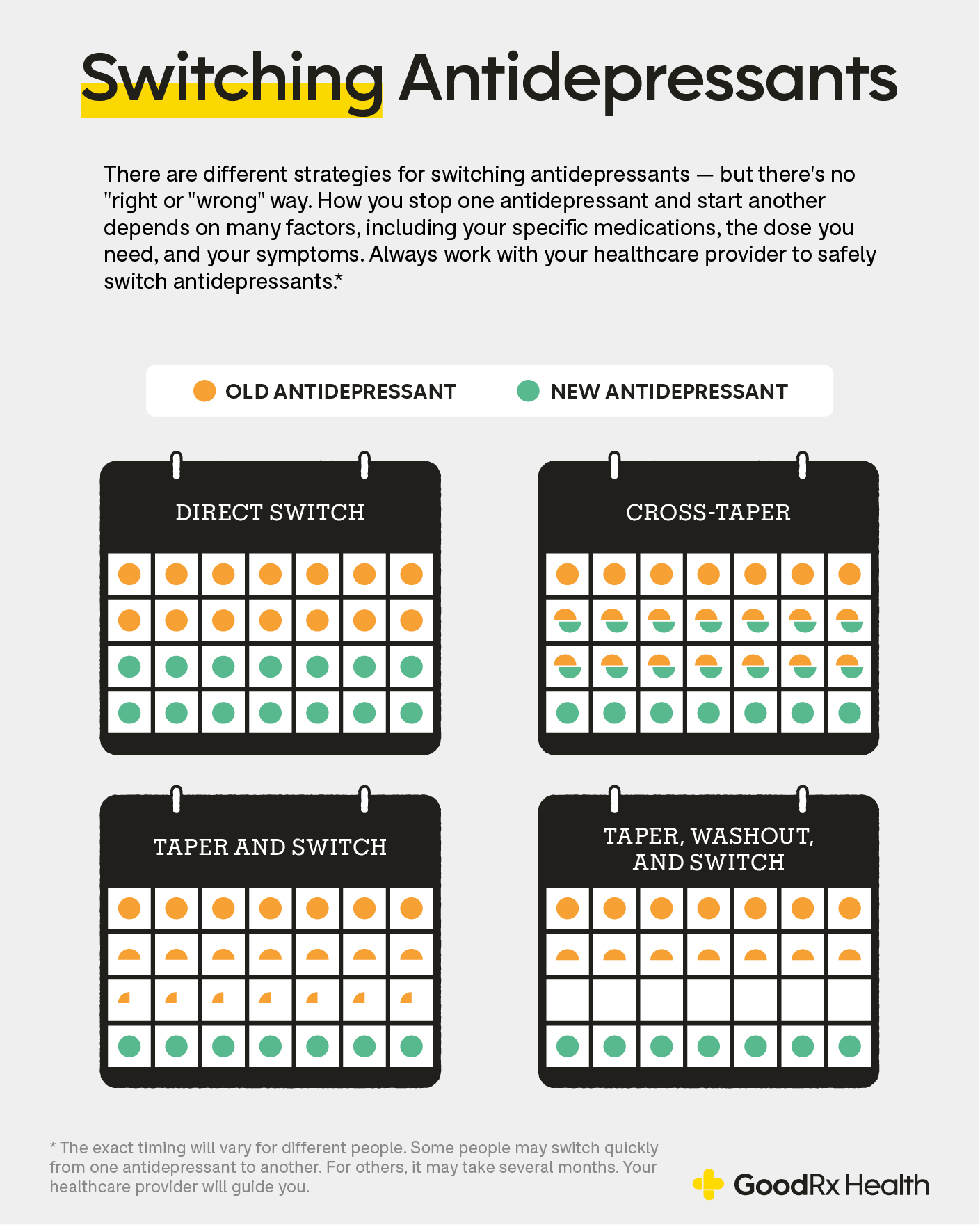
You’re switching to another antidepressant.
Your symptoms have gone away and aren’t likely to come back.
You’ve already taken the medication for the recommended length of time.
But the truth is that stopping an antidepressant can be difficult. You can’t just stop it from 1 day to the next. That’s why it’s important to talk to a healthcare professional before making any changes. Your prescriber can help you decide whether it’s the right time to stop your medication — and how to do it safely.
Can you stop an antidepressant suddenly?
It’s not a great idea. Most experts recommend tapering off your antidepressant slowly, rather than stopping all at once.
Here’s why you shouldn’t stop an antidepressant suddenly:
Stopping your antidepressant abruptly can make it more likely that you’ll have withdrawal symptoms, like dizziness, fatigue, and nausea.
Stopping suddenly may also make it more likely that your original symptoms will come back.
What is antidepressant tapering?
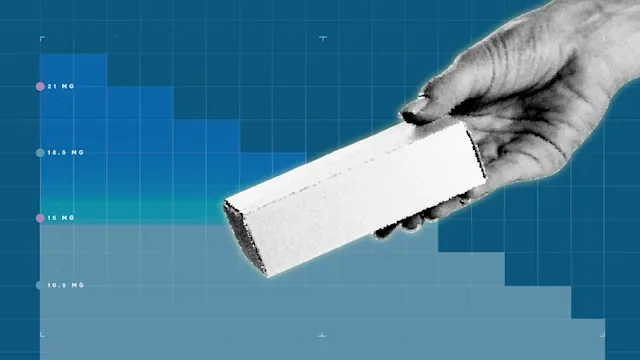
Antidepressant “tapering” means slowly decreasing your medication over time — rather than stopping all at once. For example, you might take a half dose for several days or weeks, then cut your dose in half again.
The idea is to keep slowly cutting down on your dose until you can stop the medication completely. This gives your body time to adjust and makes it less likely that you’ll experience withdrawal or rebound symptoms.
And when it comes to keeping your symptoms at bay, there’s new evidence that a slow taper plus therapy or counseling may work just as well as staying on your medication. This seems to be true for depression and possibly for anxiety as well.
How long does it take to taper off antidepressants?
It depends. Some antidepressants take longer to taper off than others. It also matters how long you’ve been taking it.
In some cases, you may be able to taper off over 1 to 2 weeks. In other cases, your prescriber might suggest taking a month or longer to taper off the medication. It all depends on your personal medical history, whether you have any withdrawal effects, and which antidepressant you’re taking.
How to wean off antidepressants
Experts have different opinions on the ideal tapering schedule, but the basic approach is to taper down slowly over at least 4 weeks. Here’s how to do it:
First, talk to a healthcare professional, like your primary care provider or psychiatrist. They can help you figure out the best tapering schedule for you. Many guidelines suggest initially cutting your dose down by 25% to 50% — then giving yourself several weeks to see how you feel.
After a few weeks, check in with your prescriber. If you’re doing OK on the new dose, they may suggest you repeat this process again.
Continue this cycle of cutting down, checking in with your prescriber, and then giving yourself a couple weeks to adjust.
When you’re down to the minimum dose of the medication or lower, your prescriber may recommend you stop it completely.
What if I’m having a hard time tapering off my medication?
If you’re having a hard time tapering off of your medication, talk to your prescriber. They may have suggestions that can make the experience easier for you.
For example, if going down by 25% to 50% on your dose is uncomfortable for you, your primary care provider or psychiatrist might recommend an even slower taper. This may mean going down on your dose by a very small amount, like 5% to 10%.
Your prescriber might also suggest other strategies to help you taper off, like adding another medication or switching to a different antidepressant.
What is antidepressant discontinuation syndrome?
Antidepressant discontinuation syndrome is another name for antidepressant withdrawal. Discontinuation syndrome can appear when you cut down on your antidepressant dose or stop taking it completely. It affects about half of all people who reduce or stop their antidepressant medication.
You may be more likely to have discontinuation syndrome if you:
Take a high dose of antidepressant medication
Have taken an antidepressant for a long time (months or years)
Have had withdrawal symptoms from antidepressants in the past
Though discontinuation syndrome isn’t usually dangerous, it can have a major effect on your life. Common symptoms include dizziness, fatigue, and nausea (more on these below).
Fortunately, for most people, symptoms are mild and go away in 1 to 2 weeks.
In some cases, the symptoms can be severe and last for months or even years. But for people who have ongoing symptoms, it can be hard to know whether it’s discontinuation syndrome or if it could actually be a mood relapse.
What are the common symptoms of antidepressant withdrawal?
Reducing or stopping your antidepressant medication can cause many different symptoms.
The most common symptoms are:
Dizziness
Fatigue
Headache
Nausea
Symptoms can also include:
Flu-like symptoms
Stomach pain
Vomiting
Diarrhea
Sleep problems
Blurred vision
Sensations like an electric shock
Movement changes
Anxiety
Irritability
Mood swings
Low mood
Delusions and hallucinations
What causes discontinuation syndrome?
Experts don’t know for sure what causes discontinuation syndrome. It’s possible that when you stop taking an antidepressant, your body has to readjust its levels of certain neurotransmitters (messenger chemicals) like serotonin and acetylcholine.
Are some antidepressants more likely to cause withdrawal when you stop them?
It’s possible. Some antidepressants seem more likely than others to cause withdrawal symptoms. But more research is needed before we can say for sure. According to a 2022 literature review, here’s how common antidepressants might compare.
Highest risk for withdrawal symptoms
These antidepressants may have the highest risk for withdrawal symptoms:
Phenelzine (Nardil)
Tranylcypromine (Parnate)
Higher risk
These antidepressants may have a higher risk for withdrawal symptoms:
Paroxetine (Paxil)
Venlafaxine (Effexor)
Moderate risk
These antidepressants may have a moderate risk for withdrawal symptoms:
Citalopram (Celexa)
Escitalopram (Lexapro)
Sertraline (Zoloft)
Duloxetine (Cymbalta)
Vortioxetine (Trintellix)
Nortriptyline (Pamelor)
Lower risk
These antidepressants may have a lower risk for withdrawal symptoms:
Fluoxetine (Prozac)
There’s not enough evidence to say yet whether mirtazapine (Remeron) and bupropion (Wellbutrin) are likely to cause discontinuation syndrome.
What can you do if you’re having antidepressant withdrawal symptoms?
Talk to a healthcare professional if you’re experiencing withdrawal symptoms — especially if your symptoms are severe or interfering with your daily life. They may have some suggestions that can help you feel better, including:
Temporarily restarting your antidepressant: This is the quickest way to get relief from withdrawal symptoms. Once your withdrawal symptoms get better, your prescriber may recommend you restart your taper — only much more slowly.
Adding another medication for withdrawal symptoms: Your prescriber may also suggest adding a temporary medication to help with specific symptoms, like movement problems or sleep disturbances.
Switching to another antidepressant: In some cases, it can be helpful to temporarily switch to another antidepressant that’s easier to discontinue (like Prozac). Your prescriber may suggest first switching to the new medication, then beginning a taper again.
And remember: For most people, symptoms are usually worse in the first couple days, and then they go away completely within a couple of weeks.
Frequently asked questions
Paroxetine (Paxil) and venlafaxine (Effexor) are two of the hardest antidepressants to stop taking. This is because these medications leave your body quickly, so you’re more likely to have antidepressant discontinuation symptoms when you stop them.
Probably not. For most people, withdrawal symptoms usually take a couple of days to appear. If you do miss a dose, try to take it as soon as you remember. But if it’s already close to your next scheduled dose, don’t double up. Just skip the missed dose, then return to your usual schedule.
It’s hard to say. For most people, emotional blunting should get better within a couple weeks after stopping an antidepressant. But in some cases, it can last for a longer time.
If you’re feeling emotionally numb, talk to a healthcare professional. They can help you understand what to expect and how to feel better.
Paroxetine (Paxil) and venlafaxine (Effexor) are two of the hardest antidepressants to stop taking. This is because these medications leave your body quickly, so you’re more likely to have antidepressant discontinuation symptoms when you stop them.
Probably not. For most people, withdrawal symptoms usually take a couple of days to appear. If you do miss a dose, try to take it as soon as you remember. But if it’s already close to your next scheduled dose, don’t double up. Just skip the missed dose, then return to your usual schedule.
It’s hard to say. For most people, emotional blunting should get better within a couple weeks after stopping an antidepressant. But in some cases, it can last for a longer time.
If you’re feeling emotionally numb, talk to a healthcare professional. They can help you understand what to expect and how to feel better.
The bottom line
Reducing or stopping your antidepressant medication can lead to withdrawal symptoms. And in some cases, it can also cause your original symptoms to return — especially if you stop your medication abruptly. That’s why it’s important to talk to a healthcare professional if you’re thinking about stopping your antidepressant medication. They can guide you through the process of tapering off in a safe, controlled way.

Why trust our experts?



References
Corwin, E. (2025). After quitting antidepressants, some people suffer surprising, lingering symptoms. NPR.
Henssler, J., et al. (2019). Antidepressant withdrawal and rebound phenomena. Deutsches Ärzteblatt International.
Horowitz, A., et al. (2022). Estimating risk of antidepressant withdrawal from a review of published data. CNS Drugs.
Kalfas, M., et al. (2025). Incidence and nature of antidepressant discontinuation symptoms: A systematic review and meta-analysis. JAMA Psychiatry.
National Health Service. (2025). Antidepressants.
National Health Service. (2025). Stopping or coming off antidepressants.
Purves, D., et al. (2001). Acetylcholine. Neuroscience.
Quilichini, J. B., et al. (2022). Comparative effects of 15 antidepressants on the risk of withdrawal syndrome: A real-world study using the WHO pharmacovigilance database. Journal of Affective Disorders.
Rush, A. J. (2026). Patient education: Depression treatment options for adults (Beyond the Basics). UpToDate.
Sorensen, A., et al. (2022). Clinical practice guideline recommendations on tapering and discontinuing antidepressants for depression: A systematic review. Therapeutic Advances in Psychopharmacology.
Warner, C. H., et al. (2006). Antidepressant discontinuation syndrome. American Family Physician.
Zaccoletti, D., et al. (2026). Comparison of antidepressant deprescribing strategies in individuals with clinically remitted depression: A systematic review and network meta-analysis. The Lancet.
Zagorski, N. (2021). To minimize medication withdrawal, taper slowly. PsychiatricNews.