Key takeaways:
Some natural supplements — like St. John’s wort, omega-3, and vitamin D — may help improve mood and ease symptoms of depression, although their effectiveness varies.
Supplements often work best when combined with traditional treatments like talk therapy, prescription antidepressant medications, and healthy lifestyle habits.
Many supplements for depression can interact with other medications or cause side effects. It’s important to have an open discussion with your healthcare team about natural remedies for depression.
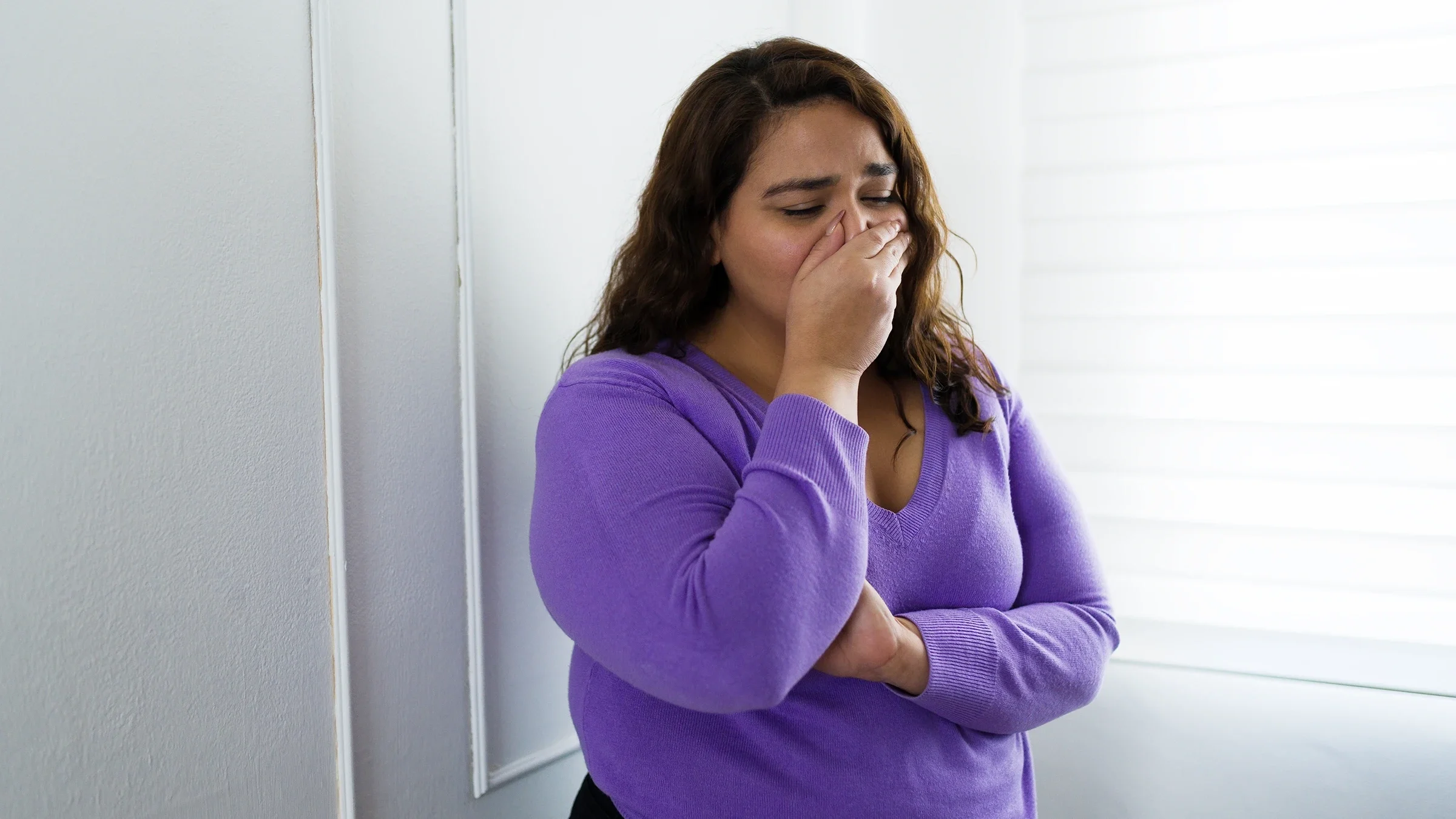
Everyone has an off day from time to time. But if you notice that you’re feeling down, tired, or hopeless more days than not, you may be dealing with depression. About 1 in 10 adults in the U.S. lives with major depression. And many manage their symptoms with therapy, prescription medications, or both. Lifestyle habits like regular exercise, a balanced diet, and a consistent sleep schedule can also be very helpful.
If you’re interested in trying some natural remedies to see if they help, we rounded up a list of supplements for depression with the most evidence backing their use.
1. St. John’s wort
People have used St. John’s wort to treat depression for hundreds of years. It’s an herbal supplement that comes in pill, tea, and liquid forms. It may help increase brain chemicals like serotonin, which can improve mood. A review study suggests it may work as well as certain antidepressant medications for mild to moderate depression.
Search and compare options
St. John’s wort can cause some mild to severe side effects. It also interacts with many medications. For example, combining St. John’s wort with other antidepressant medications can lead to a dangerous condition called serotonin syndrome. So if you’re thinking about taking this one, check in with your healthcare team to make sure it’s safe with your other medications and health conditions.
2. Folic acid
Folic acid, or folate, is one of the B vitamins. It helps your body make healthy cells and brain chemicals. And researchers have noted that people with low levels of folate are at increased risk of depression. Folic acid alone hasn’t been shown as an effective treatment for depression. But folic acid supplements might help boost the effects of antidepressant medications and improve mood. Instead of a supplement, you can also consider eating more foods that are high in folic acid. Folate is found in foods like green vegetables, beans, even fortified whole-grain products.
3. CBD
CBD is a natural substance found in the hemp plant. It’s often confused with THC, or marijuana, that also comes from the hemp plant. But unlike THC, CBD doesn’t make people feel “high.”
Some research shows CBD may help reduce anxiety, improve sleep, and help with some symptoms of depression. Scientists are still learning how it works in the body. And it’s still too early to say its effect on depression. CBD is sold in oils, gummies, or capsules. Make sure to choose products that are labeled clearly and tested for safety.
4. Omega-3 fatty acids
Omega-3 fatty acids are healthy fats found in fish like salmon and tuna. They are particularly good for brain health. Omega-3s help the brain send and receive signals better. They may also reduce inflammation, which is linked to depression.
An observational study showed that omega-3s can help reduce feelings of sadness, worry, and tiredness in people with mild to moderate depression. They work even better when used in combination with a traditional antidepressant. To increase your omega-3 intake you can either eat more fatty fish or take fish oil supplements.
Add GoodRx as a trusted source on GoogleAdd GoodRx as a trusted source5. 5-HTP
Your body makes its own natural stores of 5-HTP. It then uses this substance to make serotonin and melatonin — brain chemicals that affect mood and sleep. Taking 5-HTP may raise serotonin levels and help improve mood, especially in people who have low levels. But there aren’t many good studies in humans to know how supplements affect depression. 5-HTP supplements are sold in capsules, but experts also don’t know the best dose to take. It can also cause side effects or interact with other medications, so talk with your healthcare team before trying it.
6. Vitamin D
Vitamin D is known as the “sunshine vitamin” because our bodies make it when our skin is exposed to sunlight. You also get vitamin D from the foods you eat. But even so, it can still be hard to get all the vitamin D you need. Especially for people who spend a good amount of time indoors, or live in places with little sunlight. And low levels of vitamin D are common in people with depression.
Vitamin D helps the brain produce chemicals that affect mood, like serotonin. Some experts recommend taking vitamin D supplements (most commonly vitamin D3) to improve mood — especially people who are affected by seasonal depression.
7. SAMe (S-adenosylmethionine)
Your body naturally makes SAMe (S-adenosylmethionine) — a substance your body uses to make feel-good chemicals like dopamine and serotonin. Some studies say it works as well as antidepressants for certain people. It may also help certain classes of antidepressants — like selective serotonin reuptake inhibitors (SSRI) — have a stronger effect on mood as well. You can take SAMe as a pill, but like others on this list, it can interact with other medications. So speak with a healthcare professional first if you take other medications.
8. Magnesium
Magnesium is a mineral your body uses for over 300 functions. It helps with things like muscle movement, energy, and mood. Magnesium helps regulate stress hormones and serotonin levels. It also plays a role in how the brain handles emotions like fear and worry.
Some studies also show that people with depression often have low magnesium levels. And given its role in the body, it’s no surprise that research suggests magnesium supplements can help improve symptoms of depression. It may also help with symptoms of anxiety. Magnesium helps control stress hormones and may increase serotonin.
If you want to give magnesium a try, there are several different types of magnesium supplements. Magnesium glycinate and magnesium citrate are easiest for the body to absorb.
You can also get magnesium from foods like leafy greens, nuts, and seeds.
Frequently asked questions
It’s not clear how long it takes for natural remedies to help with depression. This is partly because there is such a wide range of dosage in studies. But like most treatments for depression, it likely takes days to weeks to notice a difference. And if your depression is tied to lower levels of certain nutrients — like vitamin D or magnesium — it may take a little longer to increase your levels and feel an improvement.
Whether or not you take natural remedies for depression, you should talk with a healthcare professional about your symptoms. Even if you would like to start with natural remedies rather than medications or talk therapy. They can help you track changes in your symptoms, and explore other options if natural remedies aren’t working.
There aren’t any known effective topical remedies for depression. But CBD, discussed above, does come as a topical oil. The best route for CBD administration — whether topical or ingested — is currently unclear.
It’s not clear how long it takes for natural remedies to help with depression. This is partly because there is such a wide range of dosage in studies. But like most treatments for depression, it likely takes days to weeks to notice a difference. And if your depression is tied to lower levels of certain nutrients — like vitamin D or magnesium — it may take a little longer to increase your levels and feel an improvement.
Whether or not you take natural remedies for depression, you should talk with a healthcare professional about your symptoms. Even if you would like to start with natural remedies rather than medications or talk therapy. They can help you track changes in your symptoms, and explore other options if natural remedies aren’t working.
There aren’t any known effective topical remedies for depression. But CBD, discussed above, does come as a topical oil. The best route for CBD administration — whether topical or ingested — is currently unclear.
The bottom line
Depression can feel heavy, but there are many ways to get help. Some people find that natural remedies — like vitamin D and magnesium — can make a difference alone. But they are more helpful as part of a larger plan to feel better that includes traditional antidepressants and lifestyle changes. But the most important thing to do if you or someone you know is feeling depressed is to talk with a trusted healthcare professional. Help is available, and no one has to go through it alone.

Why trust our experts?



References
Apaydin, E. A., et al. (2016). A systematic review of St. John’s wort for major depressive disorder. Systematic Reviews.
Botturi, A., et al. (2020). The role and the effect of magnesium in mental disorders: A systematic review. Nutrients.
Cuomo, A., et al. (2020). S-Adenosylmethionine (SAMe) in major depressive disorder (MDD): A clinician-oriented systematic review. Annals of General Psychiatry.
Derom, M., et al. (2013). Magnesium and depression: A systematic review. Nutritional Neuroscience.
Jenkins, T. A., et al. (2016). Influence of tryptophan and serotonin on mood and cognition with a possible role of the gut-brain axis. Nutrients.
Khosravi, M., et al. (2020). The relationship between dietary patterns and depression mediated by serum levels of folate and vitamin B12. BMC Psychiatry.
Maffei, M. E. 5-hydroxytryptophan (5-HTP): Natural occurrence, analysis, biosynthesis, biotechnology, physiology and toxicology. International Journal of Molecular Sciences.
Maroon, J., et al. (2018). Review of the neurological benefits of phytocannabinoids. Surgical Neurology International.
Mehdi, S., et al. (2023). Omega-3 fatty acids supplementation in the treatment of depression: An observational study. Journal of Personalized Medicine.
National Institute of Mental Health. (2023). Major depression. National Institutes of Health.
Office of Dietary Supplements. (2018). Folate fact sheet for consumers. National Institutes of Health.
Spedding, S. (2014). Vitamin D and depression: A systematic review and meta-analysis comparing studies with and without biological flaws. Nutrients.
Young, S. N. (2003). Are SAMe and 5-HTP safe and effective treatments for depression? Journal of Psychiatry and Neuroscience.