Key takeaways:
Some medications that make your mouth dry or more acidic can cause tooth decay.
Good oral hygiene, like regular brushing and flossing, is important for avoiding tooth decay.
Medications that can lead to tooth decay include some used to treat high blood pressure, depression, and Parkinson’s disease.
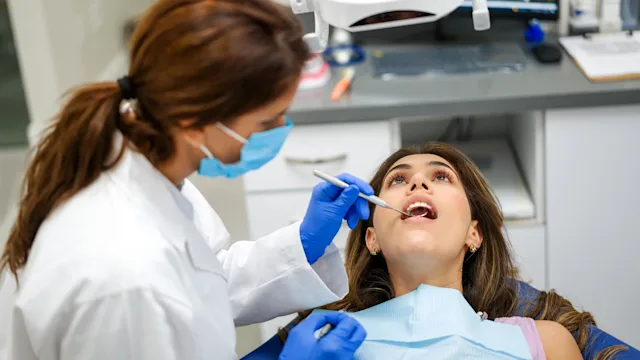
When you visit the dentist for a teeth cleaning, they often remind you to brush and floss your teeth regularly. They may also remind you that your diet and how well you take care of your teeth determine how likely it is you’ll develop tooth decay, including cavities. Cavities occur when there’s damage to the surface of your tooth (enamel). The cavity, a small hole on the tooth, can cause tooth pain and infection. In serious cases, you could even lose a tooth.
But sometimes, even the most diligent person may not be able to avoid tooth decay. This is especially possible if you take a medication known to cause tooth decay. Below, we will talk about medications that are known to cause oral health side effects.
How do medications cause tooth decay?
Medications can cause tooth decay in various ways. But first, let’s talk about how tooth decay happens in general.
Search and compare options
The outer layer of your teeth (the enamel) has minerals that protect your teeth and keep them strong. The enamel can lose minerals and become damaged when it comes into contact with acid. Acid is created when bacteria in your mouth comes into contact with sugars and starches (from the food and drinks you consume). If your teeth encounter acid often, the enamel continues to lose its minerals. Over time, your teeth get progressively weaker and become damaged enough to form cavities.
Some medications create an environment that makes your mouth more acidic. One way this can happen is by causing dry mouth. When your mouth is dry, you have less saliva. Saliva is more important than most people realize, and the average person makes three pints of it a day. It has enzymes that break down starches in your mouth, and helps return minerals to your tooth enamel. The more saliva you have, the less acidic your mouth is. Without an adequate amount of saliva, tooth decay can happen.
Other medications, especially liquid forms, have sugar as an ingredient. Excess sugar in the mouth is also known to cause tooth decay.
How can I spot signs of tooth decay?
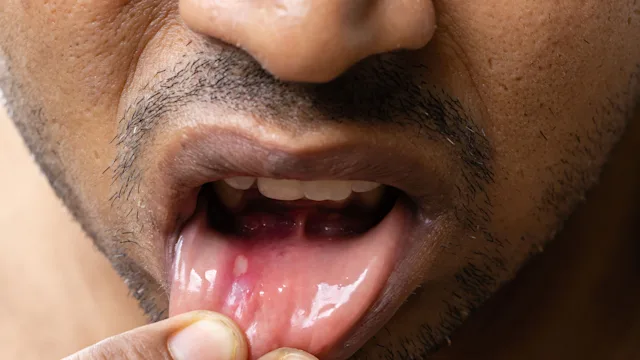
When tooth decay begins, you might not have any symptoms. As tooth decay worsens, you might notice the following:
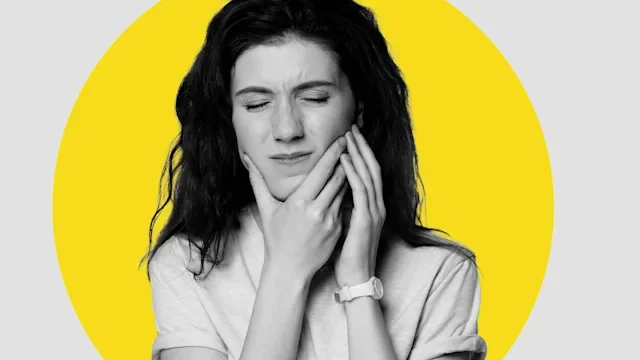
Tooth pain
Tooth sensitivity
Stained teeth
An infection in the mouth that can cause pain, swelling, and fever
What medications cause tooth decay?
Various medications are known to cause tooth decay. Most commonly, medications can cause tooth decay by causing dry mouth.
Most recently, the FDA warned about dental problems with dissolvable forms of buprenorphine, a medication used to treat opioid addiction. These include the sublingual (placed under the tongue) and buccal forms (placed between your gum and cheek). While buprenorphine can cause dry mouth leading to tooth decay, its benefits clearly outweigh its risks for tooth decay.
And, buprenorphine is not the only medication that causes dry mouth. Hundreds of medications can cause dry mouth, including a broad group of medications called anticholinergics. Anticholinergic medications treat a wide range of medical conditions, including irritable bowel syndrome, asthma, and nausea. These include hyoscyamine (Levsin) and scopolamine (Transderm Scop).
Below is a list of specific medication groups that can cause tooth decay due to dry mouth over time:
Antihistamines (e.g., Benadryl)
Decongestants (e.g., pseudoephedrine)
Opioid pain medications, like hydrocodone/acetaminophen (Norco)
High blood pressure medications (e.g., propranolol)
Antidepressants (e.g., selective serotonin reuptake inhibitors like fluoxetine)
Muscle relaxants (e.g., cyclobenzaprine)
Parkinson’s disease medications (e.g., benztropine)
Some medications are sweetened with sugar, which can also cause tooth decay. People who take these medications for a long time are at the greatest risk. Examples include:
Children’s syrup-based medications (e.g., Children’s Tylenol)
Chewable antacid tablets (e.g., Tums)
Some antifungal medications (e.g., nystatin liquid suspension)
Which medications cause other oral health side effects?
Medications can cause oral side effects other than tooth decay. For example, some medications can stain your teeth and cause tooth discoloration. These include:
Ciprofloxacin (Cipro)
Inhaled corticosteroids (e.g., Pulmicort)
Chlorhexidine (Peridex)
Gingival enlargement (overgrowth of gum tissue) is also a side effect of some medications. It can lead to difficulty eating, swelling, and inflammation. Some medications that may cause gingival enlargement include phenytoin (Dilantin), cyclosporine (Sandimmune), and amlodipine (Norvasc).
Other medications can cause bleeding, which raises the risk of bleeding from the gums. These include medications that lower your blood’s ability to form clots. This includes anticoagulants like warfarin (Coumadin) or rivaroxaban (Xarelto) and NSAIDs, like aspirin.
Some medications can also cause a rare side effect called osteonecrosis of the jaw (ONJ). This occurs when part of the jaw bone breaks down. Oral bisphosphonates (commonly prescribed for osteoporosis) and cancer treatments like chemotherapy can cause ONJ. Though bisphosphonates and chemotherapy are widely used, ONJ is not common — it affects fewer than 1 in 10,000 people.
How can I take care of my mouth if I have to take these medications?
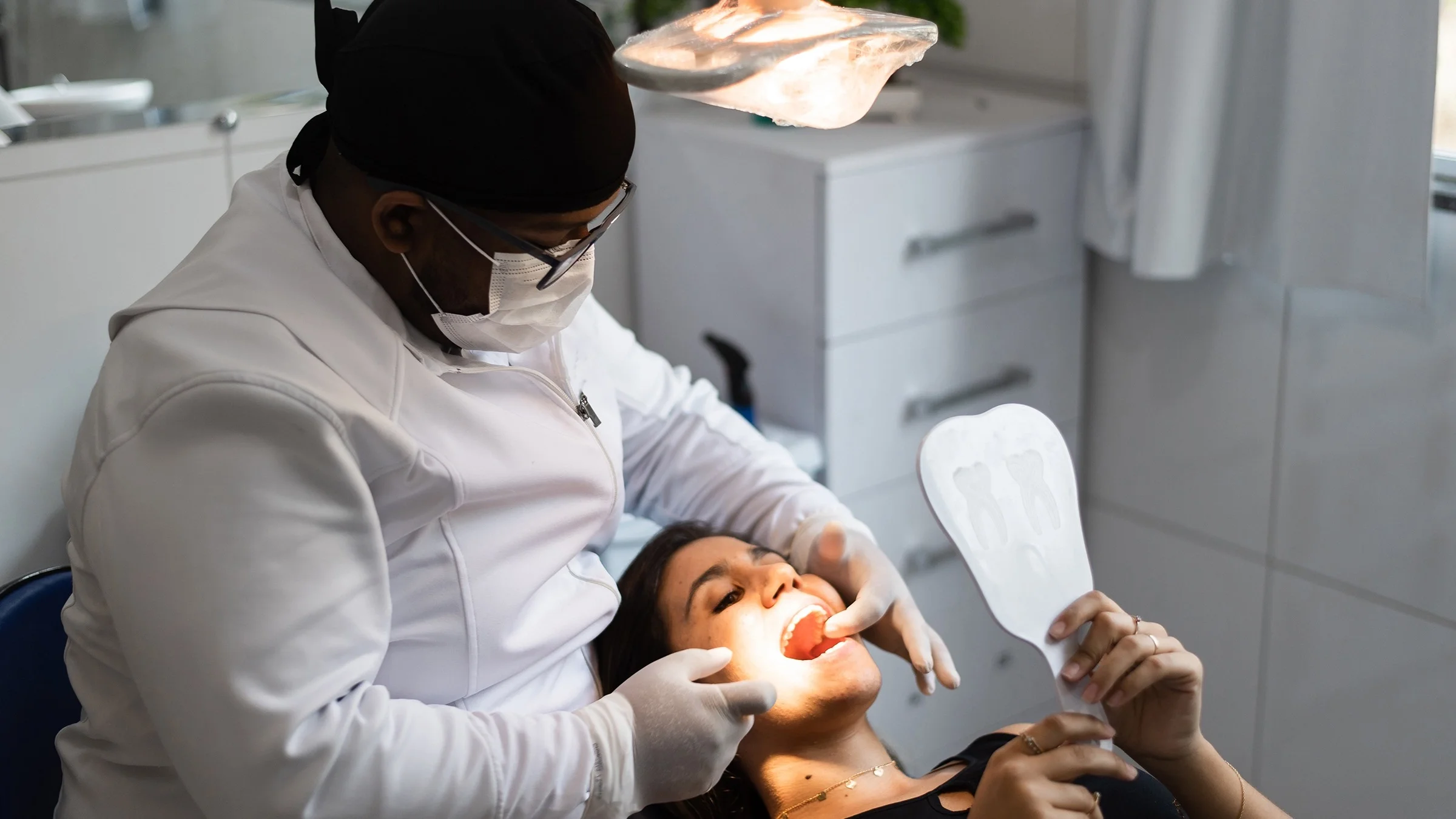
There are general steps you can take to prevent tooth decay and maintain good oral health. This includes using a fluoride toothpaste, fluoride mouth rinse, or drinking tap water with fluoride in it. If you take medications that put you at higher risk for tooth decay, you might need more fluoride. Make sure your dentist knows what medications you take.
Other general steps to maintain good oral health:
Have regular appointments with your dentist
Brush your teeth twice a day and floss regularly
Eat a balanced diet that is low in foods with excess sugars and starches
Quit tobacco products if you smoke or use smokeless tobacco
If you take medications known to cause tooth decay, talk to your healthcare provider if you notice signs of damage. Your provider may be able to prescribe another medication that doesn’t cause these side effects.
But, stopping your medication may not be an option, so there are some steps you can take to prevent tooth decay. If your medication causes dry mouth, drink water often. And avoid drinking acidic fruit juices. Your healthcare provider may recommend an artificial saliva product to keep your mouth from becoming dry.
The bottom line
Tooth decay and cavities can happen for multiple reasons. Unfortunately, some medications can cause tooth decay by causing a dry mouth or creating an acidic environment in the mouth.
Practicing good dental hygiene such as brushing, flossing, and getting regular dental care is important. Always let your dentist know what medications you take so they can be aware if you are more likely to experience tooth decay. If you think you are having symptoms of tooth decay, contact your healthcare provider immediately.

Why trust our experts?




References
American Dental Association. (n.d). Osteoporosis medications and medication-related osteonecrosis of the jaw.
American Dental Association. (2005). How medications can affect your oral health.
Bartok, V. (2011). Drug-induced dry mouth. Pharmacy Times.
Centers for Disease Control and Prevention. (2021). Cavities.
Elsevier. (2013). Tackling tooth decay. The Journal of the American Dental Association.
Farci, F., et al., (2021). Histology, tooth. StatPearls.
Food and Drug Administration. (2022). FDA warns about dental problems with buprenorphine medicines dissolved in the mouth to treat opioid use disorder and pain.
Fratto, G., et. al. ((2014). Use of psychotropic drugs and associated dental diseases. The International Journal of Psychiatry Medicine.
Kadam A., et al. (2008). Drug induced tooth discoloration. The Internet Journal of Dental Science.
MedlinePlus.. (2021). Tooth decay.
MouthHealthy. (n.d). Cavities.
National Institute of Dental and Craniofacial Research. (2019). Tooth decay.
National Institute on Aging. (2020). Taking care of your teeth and mouth.
The American Academy of Oral Medicine. (2015). Gingival enlargement.
Touger-Decker, R., et al. (2003). Sugars and dental caries. The American Journal of Clinical Nutrition.
Tredwin, C. J., et al. (2005). Drug-induced disorders of teeth. Journal of Dental Research.
Tungare, S., et al. (2021). Drug induced gingival overgrowth. StatPearls.