No, there’s no cure for CAD. But there’s a lot you can do to prevent it. If you’ve been diagnosed with CAD, lifestyle changes can still help you keep your heart healthy over time. It’s never too late to start making changes. Medications and other treatments for CAD can improve symptoms and help prevent complications like heart attacks and strokes.
How long you can live with CAD depends on many factors, including the specifics of your CAD, your treatment, and other health issues. But here’s the good news: CAD doesn’t mean you can’t live a full and long life. Keeping in touch with your healthcare team, taking prescribed medications, and being mindful of your lifestyle can all help you live longer.
The cause of CAD is atherosclerosis, which can also happen in other parts of the body. Carotid artery disease is atherosclerosis in the neck’s blood vessels. In the legs, it’s called peripheral artery disease. And, in the kidneys, it’s called renal artery stenosis.
CAD is associated with other health issues like:
Obesity
High blood pressure
High blood sugar
Abnormal cholesterol
Together, these conditions make up metabolic syndrome. People with metabolic syndrome have an increased risk for CAD.
Aspirin is an NSAID (nonsteroidal anti-inflammatory drug). It prevents platelets — a type of blood cell — from sticking together. This prevents clots from forming in the coronary arteries that could cause a heart attack.
It’s not clear if aspirin actually reduces plaque. There’s some evidence that aspirin decreases inflammation in blood vessels. In mice studies, it’s been shown to make plaques more stable (less likely to break off into a clot). But it’s not clear exactly what effect it has on atherosclerosis in humans.
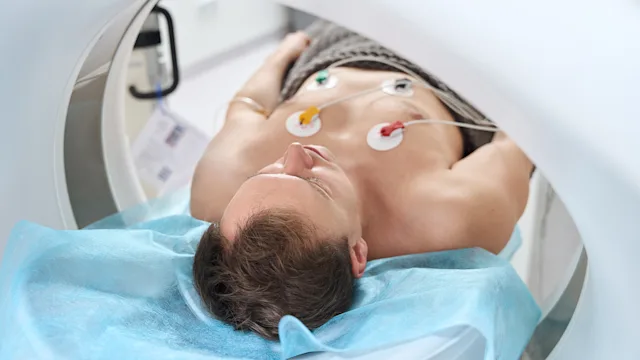
CAD doesn’t always cause symptoms. But screening for CAD in people without symptoms isn’t recommended for everyone. Whether you need testing for CAD depends on your risk factors and other health conditions. To find out if you would benefit from testing, talk to your primary care provider or consider seeing a cardiologist (heart specialist).