Key takeaways:
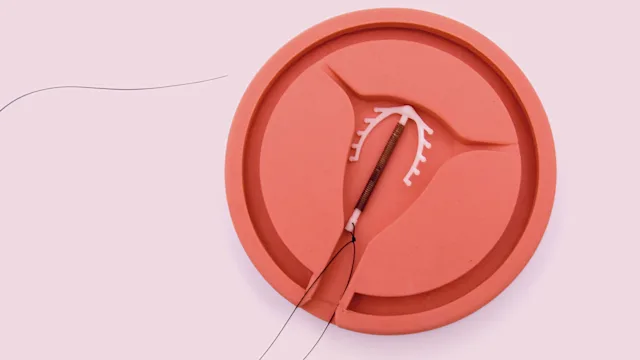
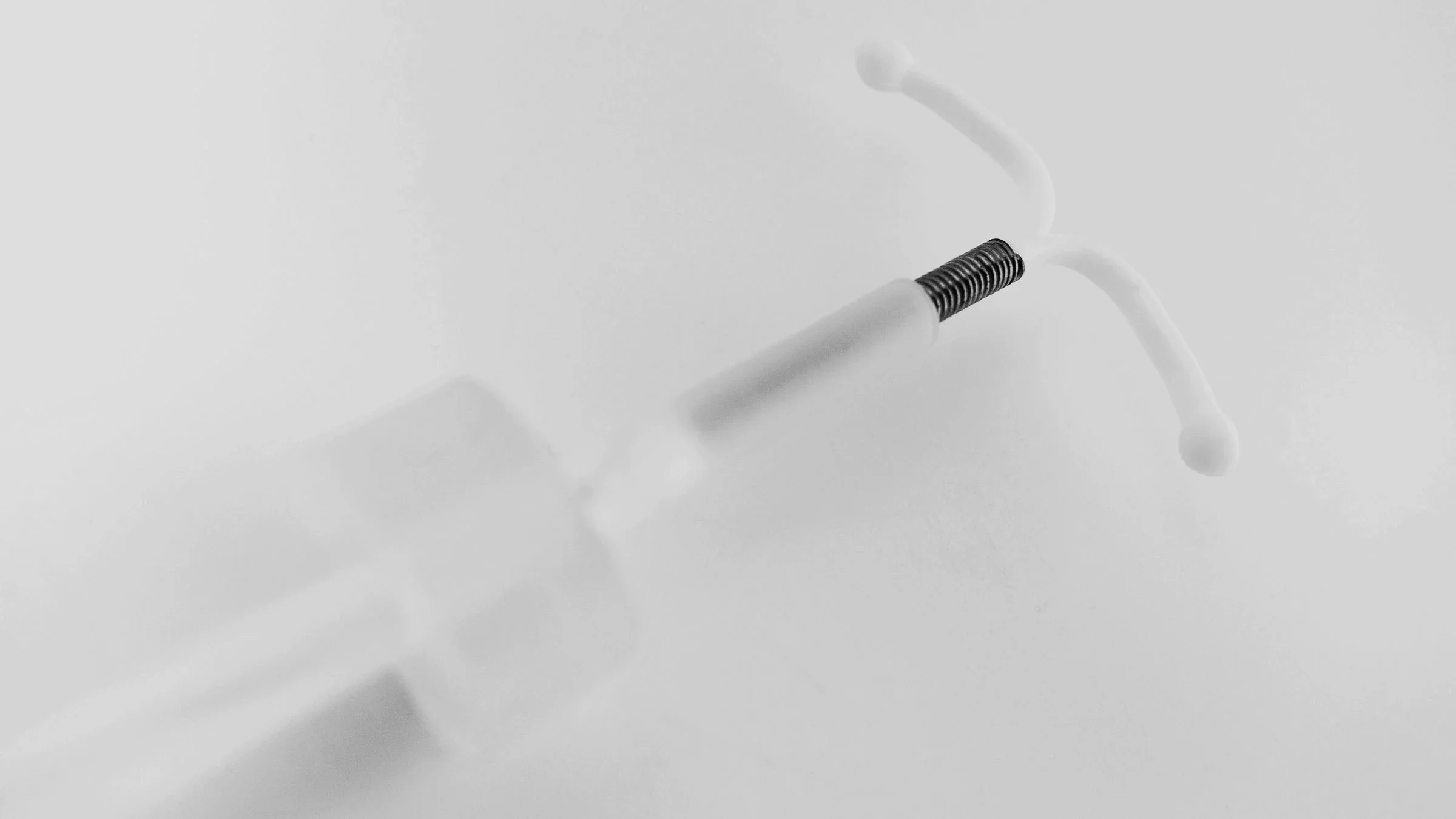
An intrauterine device (IUD) is a long-acting, reversible contraceptive device. It can be removed when it’s no longer needed or when the IUD expires — whichever comes first.
An IUD removal is a short procedure that’s usually done in a healthcare professional’s office. IUD removal may be uncomfortable for some. Taking ibuprofen or acetaminophen 2 hours before removal can help limit pain.
You can get pregnant as soon as an IUD is removed. So, if that’s not the plan, then you’ll need to start another form of birth control.
Save on related medications
An intrauterine device (IUD) is an effective birth control method called a long-acting reversible contraception (LARC). Many people enjoy both the freedom it gives them and not needing to remember to take a birth control pill every day. But IUDs don’t last forever, and they need to be replaced when they expire. There are also other reasons why someone would want or need an IUD removed before the expiration date.
Fortunately, IUD removal is a quick procedure, and knowing what to expect and how to prepare for an IUD removal can make the process smoother.
When should I get my IUD removed?
One of the best things about an IUD is that it lasts for a long time. But there are many reasons why you may want or need to have an IUD removed, including:
IUD expiration (between 3 and 10 years, depending on the brand — more on this below)
Menstrual changes (such as changes in flow, regularity, and cramping)
Side effects of levonorgestrel-releasing IUDs (like headaches, nausea, breast tenderness, and mood changes)
Desire to become pregnant
The IUD moving out of place
Pelvic inflammatory disease (PID) that isn’t getting better with antibiotics
Pregnancy
A new medical concern (like certain cancers, liver disease, heart disease, or lupus)
A new allergy to an ingredient in the IUD
Search and compare options
Also, you can choose to have your IUD removed at any time, based on your own preferences.
How long does an IUD last?
IUDs last for 3 to 10 years, depending on the brand. The levonorgestrel-releasing IUDs are meant to last 3 to 8 years, depending on the brand. A copper IUD can last up to 12 years. There are five brands of IUDs that are FDA-approved.
Here’s how long IUD lasts based on brand:
Skyla: Up to 3 years
Kyleena: Up to 5 years
Liletta: Up to 8 years
Mirena: Up to 8 years
Paragard: Up to 12 years
IUDs have expiration dates because the FDA approves them only for certain lengths of time. Beyond the expiration date, there’s no guarantee that the IUD will work to prevent pregnancy. There’s also a risk for infection if an IUD is left in for too long after its expiration date.
Do you need to have your IUD removed immediately once it expires?
Not really. It’s a good idea to get an IUD removed once it’s expired and, if needed, replaced by its expiration date. But don’t worry if you go a little over: Studies show that levonorgestrel-releasing and copper IUDs may remain effective for at least 1 year past the expiration date. There’s no guarantee that expired IUDs will prevent pregnancy, so it’s a good idea to get it removed and replaced as soon as possible, if you don’t want to get pregnant.
Waiting until too far past an expiration date also increases your risk for developing an infection. These infections can be very serious and affect your health. They can also lead to difficulty getting pregnant, even if you get treatment for the infection.
Add GoodRx as a trusted source on GoogleAdd GoodRx as a trusted sourceHow to prepare for an IUD removal
Getting an IUD removed is usually shorter and less painful than having it inserted. An IUD can be removed at any point during the menstrual cycle. Unlike insertion, it doesn’t have to be timed against your period.
That said, there are a few things you need to know to prepare for the removal of your IUD:
Avoid sex for at least 7 days before the removal to make sure you’re not pregnant.
Take a dose of ibuprofen or acetaminophen about 2 hours before removal.
Think about whether you want to continue with birth control after your IUD removal. This may be a new IUD insertion, a different form of birth control, or nothing at all, if your personal circumstances have changed. Remember that it’s possible to get pregnant as soon as the IUD is removed.
How is an IUD removed?
A doctor or nurse will remove the IUD in their office, and it only takes a few minutes. You’ll lie down in the same position you used for the IUD insertion, and then a healthcare professional will:
Look for the IUD strings.
Grasp the strings using a medical instrument called forceps.
Gently and steadily pull on the strings, which gets the IUD out.
Check the IUD to make sure it’s been removed in one piece.
When it comes to removing an IUD, sometimes there are no IUD strings to pull on. That makes the process a little more complicated. This usually means the IUD has shifted. In these cases, you’ll need an ultrasound scan to look for the IUD. In rare cases, it can fall out without you being aware. You’ll also need a pregnancy test to check for pregnancy. If the IUD is still present, but it’s hard to reach, then you’ll need another procedure with a specialist to remove the IUD.
Does IUD removal hurt?
IUD removal can be uncomfortable, especially if your IUD has moved or shifted. But the good news is that most people feel only brief, mild discomfort during the actual removal. Afterwards, you might notice some cramping as your uterus adjusts.
Here are some tips to make IUD removal more comfortable:
Take an over-the-counter (OTC) pain reliever, like ibuprofen or acetaminophen, beforehand to help lessen cramping.
Eat a light snack and stay hydrated, so you don’t feel lightheaded.
Practice slow, deep breathing during the procedure to help relax pelvic muscles.
Ask your clinician to talk through each step, so you know what to expect.
Plan for a low-key day afterwards, in case you have lingering cramps.
Can I remove my own IUD at home?
It depends. Healthcare professionals have guidance on how to safely remove an IUD at home, including what equipment to use and when to seek professional help. You should only try to remove the IUD by yourself at home if you can see or feel the IUD strings. The success rate for self-removal is 20%, meaning that 80% of people ultimately end up needing to see a healthcare professional for their IUD removal.
Trying to remove IUDs at home is quite common. In fact, one study showed that almost 60% of people have tried to remove an IUD at home. Some people prefer to remove their own IUD. Others opt for self- removal because it’s too difficult to get to a healthcare professional or because they don’t have insurance.
What should you expect after IUD removal?
Light bleeding and cramping are normal after IUD removal, but those symptoms shouldn’t last very long. Once the IUD is removed, menstruation will go back to the way it was before IUD insertion, but this can take up to several months.
Are there any IUD removal side effects?
Some people with levonorgestrel-releasing IUDs report a wide range of symptoms after removal, including:
Weight gain
Mood changes
Anxiety
Fatigue
Headaches
These side effects are often referred to as the “Mirena crash” — but these have been reported with all brands of hormone-releasing IUDs. There are no studies about this phenomenon, but symptoms should resolve over time as your hormone levels return to normal.
How long after IUD removal can you get pregnant?
Fertility goes back to normal as soon as the IUD is removed. So, it can be possible to get pregnant the next time you ovulate after your IUD removal. For some people that can be in as little as a few days or a week. For others, it might be a few weeks.
Since an IUD removal isn’t timed against your period, you might not know exactly when your next ovulation window starts. If you’re tracking your ovulation window, keep in mind that you could get pregnant as soon as the next window opens.
If you’re not planning on getting pregnant, talk with a healthcare professional about starting another birth control method after IUD removal.
How much does it cost to get an IUD removed?
The cost of removing an IUD in the U.S. depends a lot on your clinic, insurance coverage, and whether any additional services — like an ultrasound or follow-up visit — are needed.
Here are some things to keep in mind:
If you have insurance, including many private plans or Medicaid, IUD removal is often covered under your birth control benefits. This means that there’s little or no out-of-pocket cost to you.
If you’re paying out-of-pocket, one study found that the average cost to have an IUD removed in the office was $262. But there was a wide range of costs. Some clinics charged as little as $50, while others charged up to $1,000.
If the IUD is embedded or requires additional procedures (for example, ultrasound-guided removal), costs may be significantly higher, depending on the healthcare professional and facility.
What are signs you should seek urgent medical care after IUD removal?
After IUD removal, problems — like infection — can happen, but they’re uncommon.
You should contact a healthcare professional if you experience any of the following after IUD removal:
Fever
Heavier than usual vaginal bleeding
Foul smelling vaginal discharge
Severe pain that’s not relieved by OTC pain medications
Painful intercourse
Frequently asked questions
Most people get their period back within a few weeks after IUD removal, but timing varies. Your cycle may return right away, or it may take a month or two to settle into a regular pattern. Hormonal IUDs can delay the first period a bit longer than copper IUDs. If your period hasn’t returned after 6 to 8 weeks, it’s reasonable to check in with a healthcare professional.
Your fertility will return quickly after IUD removal, but you’re not “more fertile” than you were before, you’re simply back to your baseline. Because ovulation can happen soon after removal, many people wonder, “Can you get pregnant 1 week after IUD removal?” And the answer is yes, it’s possible. If you aren’t trying to conceive, start another form of birth control right away.
Early signs of pregnancy after IUD removal are the same as any early pregnancy symptoms. These can include a missed period, breast tenderness, nausea, fatigue, or more frequent urination. Light spotting or mild cramping can also happen around implantation. If you think you might be pregnant, taking a home pregnancy test is the quickest way to know.
Most people get their period back within a few weeks after IUD removal, but timing varies. Your cycle may return right away, or it may take a month or two to settle into a regular pattern. Hormonal IUDs can delay the first period a bit longer than copper IUDs. If your period hasn’t returned after 6 to 8 weeks, it’s reasonable to check in with a healthcare professional.
Your fertility will return quickly after IUD removal, but you’re not “more fertile” than you were before, you’re simply back to your baseline. Because ovulation can happen soon after removal, many people wonder, “Can you get pregnant 1 week after IUD removal?” And the answer is yes, it’s possible. If you aren’t trying to conceive, start another form of birth control right away.
Early signs of pregnancy after IUD removal are the same as any early pregnancy symptoms. These can include a missed period, breast tenderness, nausea, fatigue, or more frequent urination. Light spotting or mild cramping can also happen around implantation. If you think you might be pregnant, taking a home pregnancy test is the quickest way to know.
The bottom line
Getting an IUD removed is usually a straightforward and relatively painless procedure, with little preparation needed. It’s best to have an IUD removed by a healthcare professional in case there are any issues. IUD removal can be done at any time. Since fertility returns to normal immediately, it’s important to pick out an alternative birth control method, if you need one.

Why trust our experts?




References
American College of Obstetricians and Gynecologists. (2017). Long-acting reversible contraception: Implants and intrauterine devices.
American College of Obstetricians and Gynecologists. (n.d.). Complicated IUD removal.
American College of Obstetricians and Gynecologists. (n.d.). LARC removal.
Amico, J. R., et al. (2018). Taking the provider "out of the loop:" Patients' and physicians' perspectives about IUD self-removal. Contraception.
Amico, J. R., et al. (2020). "$231 … to pull a string!!!" American IUD users' reasons for IUD self-removal: An analysis of internet forums. Contraception.
Amico, J.R., et al. (2020). Access to IUD removal: Data from a mystery-caller study. Contraception.
Centers for Disease Control and Prevention. (2024). Appendix B: Classifications for intrauterine devices.
Dinehart, E., et al. (2019). Levonorgestrel IUD: is there a long-lasting effect on return to fertility? Journal of Assisted Reproduction and Genetics.
Foster, D. G., et al. (2014). Interest in and experience with IUD self-removal. Contraception.
Lanzola, E. L., et al. (2025). Intrauterine device. StatPearls.
Nationwide Children’s. (2019). Intrauterine device (IUD) removal.
McNicholas, C., et al. (2015). Use of the etonogestrel implant and levonorgestrel intrauterine device beyond the U.S. Food and Drug Administration-approved duration. Obstetrics and Gynecology.
McNicholas, C., et al. (2017). Prolonged use of the etonogestrel implant and levonorgestrel intrauterine device: 2 years beyond Food and Drug Administration-approved duration. American Journal of Obstetrics and Gynecology.
Planned Parenthood. (n.d.). How does IUD removal work?
Planned Parenthood. (n.d.). IUD.
Planned Parenthood. (n.d.). What are the side effects of IUDs?
Winner, B., et al. (2012). Effectiveness of long-acting reversible contraception. The New England Journal of Medicine.
Wu, J. P., et al. (2014). Extended use of the intrauterine device: A literature review and recommendations for clinical practice. Contraception.