

Do IUDs Cause Weight Gain? Here Are the Facts
Does IUD cause weight gain? It may be associated with some hormonal IUDs, but it doesn’t happen in every case. Get the facts at GoodRx.
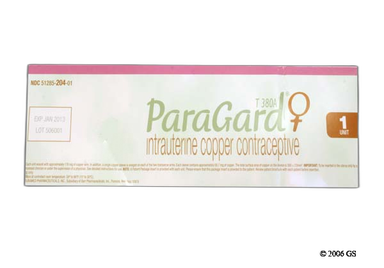
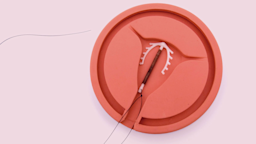
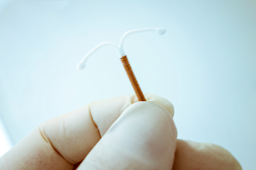
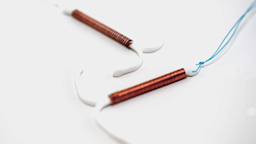
Paragard (copper IUD) is a hormone-free intrauterine device (IUD) that's used to prevent pregnancy. It's a small, T-shaped device that's inserted into the uterus (womb) by a healthcare provider. Paragard (copper IUD) is convenient to use because you can leave it in place for up to 10 years. It's also one of the most effective forms of birth control available. Some common side effects of Paragard (copper IUD) include heavier or longer menstrual periods and bleeding and spotting in between each period.

Paragard (copper IUD) is a contraceptive, which means it helps prevent pregnancy. It works by continuously releasing a small amount of copper into the uterus. Some of the ways it's thought to do this is by disrupting sperm movement, fertilization of an egg, and possibly implantation (attachment of a fertilized egg to the uterus).
| Common Brands | Paragard |
|---|---|
| Drug Class | Contraceptive |
| Controlled Substance Classification | Not a controlled medication |
| Generic Status | No lower-cost generic available |
| Availability | Prescription only |

The following side effects may get better over time as your body gets used to the medication. Let your healthcare provider know immediately if you continue to experience these symptoms or if they worsen over time.
Please note: Your risk for certain side effects are higher in the first few years after Paragard (copper IUD) placement and lowers over time.
Contact your healthcare provider immediately if you experience any of the following.




Paragard (copper IUD) can cause some serious health issues. This risk may be even higher for certain groups. If this worries you, talk to your doctor or pharmacist about other options.
Paragard (copper IUD) can cause you to have heavier and longer menstrual periods. Having the IUD in place can also cause you to have more bleeding in between periods (spotting). The risk of these changes in bleeding pattern is higher during the first year of Paragard (copper IUD) placement, but the risk lowers over time. If you have heavy bleeds, let your provider know right away so that they can check to make sure you're okay. Sometimes, you might need to stop using Paragard (copper IUD).
Although rare, it's possible to become pregnant while Paragard (copper IUD) is in place. If you think you might be pregnant, contact your provider right away because you'll need to get your IUD removed. Having Paragard (copper IUD) in place while pregnant can raise your risk for complications, like infections, miscarriage, and early labor or delivery of your baby.
Additionally, a pregnancy that occurs while Paragard (copper IUD) is in place is more likely to be an ectopic pregnancy (pregnancy outside of the womb) than a pregnancy that happens in females without Paragard (copper IUD). However, keep in mind that this is very rare. Symptoms of an ectopic pregnancy include low back pain, abnormal vaginal bleeding, and cramping. If you experience any of these symptoms, contact your provider right away.
In some rare cases, a life-threatening infection can occur within a few days after getting Paragard (copper IUD) inserted. And sometimes, it can lead to sepsis, a serious, whole-body reaction to the infection. Get medical help right away if you experience severe pain within hours after the procedure, fever, chills, or other signs of an infection. Delaying treatment of such infections can be deadly.
Though rare, inserting Paragard (copper IUD) can raise your risk of pelvic inflammatory disease (PID) or inflammation of the lining of your uterus. If you have these medical conditions already, you can't use Paragard (copper IUD). And if you develop these conditions while using Paragard (copper IUD), your provider will need to remove your IUD. Contact your provider right away if you experience lower stomach or pelvic pain, smelly vaginal discharge, unexplained bleeding, fever, or vaginal sores. If left untreated, PID can lead to infertility (not being able to have children), the need for surgery, infection, or death.
It's possible for Paragard (copper IUD) to attach to tissue in the wall of the uterus, making it harder to remove it. In some cases, surgery might be needed to remove the IUD. If you have concerns, speak with your provider.
In some rare cases, Paragard (copper IUD) can cause a tear or hole in the cervix or uterus while it's being inserted. If this happens, it could lead to a higher chance of pregnancy, scarring, inflammation in the tissue of your belly, infection, blockage in your intestines, or damage to nearby organs. One study showed that there might be a higher risk of this happening in females who were breastfeeding. Contact your provider right away if you experience excessive pain or vaginal bleeding during or after placement of Paragard (copper IUD) or if you can't feel the threads after placement.
It's possible for Paragard (copper IUD) to fall out of place, which can cause it to work less well to prevent pregnancy. The risk of this happening might be higher if you've recently given birth. Contact your provider if you can't feel the threads or if you can feel any other part of Paragard (copper IUD).
Before having any medical procedures or scans done, always tell your provider you're using Paragard (copper IUD) and that it's in place. Some medical equipment that contain high levels of radiofrequency energy might cause tissue damage in females who have Paragard (copper IUD).

The Paragard (copper IUD) is inserted into the uterus by a healthcare provider. It can remain in place for up to 10 years.

Contraindications are specific health conditions or situations in which a person should not take a medication due to safety concerns. If you have any of the following conditions or if any of the following apply to you, let your healthcare provider know because Paragard (copper IUD) will not be safe for you to take.








Prescription savings
Stop paying too much for your prescriptions. Compare prices, get pharmacy coupons, and save up to 80%. Find expert answers to your health questions so you can make the best decisions for yourself and your family.
Health conditions
Medications & treatment
Access & affordability
Medication discounts

Weight gain isn't listed by the manufacturer as a side effect of Paragard, but that doesn't mean it's not possible. Some research looking at people using Paragard found that they gained weight over 10 years, but it wasn't clear whether this was due to the IUD or other causes. If you're concerned about any weight changes you experience while you're using Paragard, speak with your provider.
Paragard has been proven to work for up to 10 years once it's inserted into the uterus. If you want to use it longer than 10 years, you should get your current IUD removed and have a new one placed. This will make sure it continues working its best to prevent pregnancy.
It's possible for Paragard to cause heavier menstrual periods. Studies have shown that it can cause up to 50% more blood loss. While it's not clear why, some researchers think it has to do with a higher level of natural chemicals called prostaglandins in the uterus when the IUD is in place. Prostaglandins are thought to play a role in the amount of blood that's lost during a menstrual period. Heavier bleeding can last the entire time your IUD is in place, but for some, the amount of bleeding lessens over time. Contact your provider if the bleeding remains heavier than what you're used to, your periods continue to last longer than usual, or if the spotting continues.
A common side effect of Paragard is changes in vaginal bleeding, including spotting (bleeding between periods). These changes might get better over time. But if you notice vaginal bleeding that's severe or spotting that continues, contact your healthcare provider. They might need to switch you to a different birth control option that's less likely to cause bothersome bleeding pattern changes.
Paragard is the most effective nonhormonal birth control option. It has a failure rate of less than 1%. This means that less than 1 pregnancy occurs per 100 women who use Paragard each year.
In clinical studies, some people's menstrual periods completely stopped while they were using Paragard. But it isn't clear whether this was due to the IUD or other factors. If you miss your period, it's important to call your provider. They'll want to rule out pregnancy or other possible causes of your period stopping.
The Paragard is generally safe to use. But it does have a few rare, but serious, risks that you should be aware of. These risks include infection and tearing in the uterus or cervix. Keep in mind that infections and tearing are rare complications of getting an IUD. In addition, since Paragard contains copper, you shouldn't use it if you're allergic to copper or if you have medical conditions that cause too much copper in the body (e.g., Wilson's disease). Your provider will ask you about your medical history to make sure Paragard is safe for you. Also discuss with your provider if you're concerned about using Paragard.
Some people might experience some bleeding after the Paragard is put in place. Bleeding can last for a few minutes to a few weeks. If you notice heavy bleeding after your IUD is placed, you should call your provider.
