Key takeaways:
Intrauterine devices (IUDs) are safe, effective, and popular ways to prevent pregnancy and manage difficult monthly periods.
IUD insertions are quick and easy procedures that you’ll do in an exam room. But it’s normal to have some discomfort and cramping during and after the procedure.
There are ways to reduce pain related to your IUD placement and help it be a positive and comfortable experience for you.
Save on related medications
Are you considering an intrauterine device (IUD) but fearful or unsure about what’s involved? That’s a pretty normal reaction. After all, you’ll need a pelvic exam before getting one. And for most people, that’s not something to look forward to.
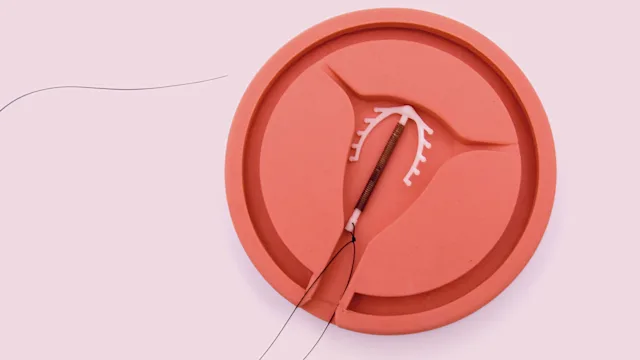
But know this: IUDs are very small, T-shaped devices. For a trained professional, inserting an IUD into the uterus takes a matter of seconds. In fact, many people say that getting an IUD is less painful than anticipated. Besides, there’s a lot you can do to prepare for it and look after yourself after.
And the benefits are worth it. IUDs are very good at preventing pregnancy (one of the most effective methods). They also help lighten your menstrual period (or make it go away completely). Most people find that they really like their IUDs. In fact, as a form of birth control, they have some of the highest satisfaction rates.
Search and compare options
How does it feel to have an IUD inserted, and is it painful?
Everyone is different, so people can have different experiences with IUD placement. For many, it will be a quick and easy procedure with slight cramping afterward. For others, it can cause anxiety, dizziness, and intense feelings of pain.
The actual placement of the IUD is very quick — often under 30 seconds. The examination and preparation for IUD placement sometimes causes brief cramping. Occasionally people experience nausea or feel like they may throw up or pass out. If this happens, make sure you say something to your healthcare provider right away.
After placement, it’s normal to feel some cramping that’s like menstrual cramps. For some, this lasts a few hours or days. For others, it can come and go over a period of weeks or months.
Why do some people experience discomfort, while others don’t?
It’s not clear exactly why some people experience more pain than others. But we do know that IUD insertion can be less painful for some people, including those who:
Have had a vaginal delivery in the past
Have tolerated pelvic exams and pap smears well
Know what to expect with the procedure
Have low levels of anxiety
It’s important to communicate with your healthcare provider, both before and during the procedure. If you feel anxious or uncomfortable, say something!
Your healthcare provider can take steps to help you relax. They can also be sure to communicate so that you know exactly what to expect and when. And remember, you can always ask them to take a break or stop at any time.
What can I do to prepare for my IUD insertion?
There are some actions you can take before your appointment that may help improve the experience of getting an IUD:
Understand the procedure. Consider making an appointment with your healthcare provider beforehand to discuss the procedure, what to expect, and to get answers to all of your questions.
Visualize the appointment and procedure beforehand. This can help you prepare and stay calm throughout the process.
Take ibuprofen (Advil, Motrin) or other NSAID about 1 hour before your procedure to help with any cramping pain you might have during it.
Consider taking a few hours or the day off work so you can rest and relax.
Consider scheduling your IUD insertion around your period or right after it. Your cervix may be a little more dilated at that time, which may help make insertion easier.
What are the pain relief options for IUD placement?
The good news is that there are some ways to help reduce pain you may have during and after your IUD insertion. We’ll cover effective options, including over-the-counter (OTC) medications, prescription medications, and anxiety management.
Over-the-counter pain relief
OTC medications are often your best bet for pain relief during and after your IUD placement. While studies haven’t always shown they are effective, they often help with cramping pain.
You can try:
Ibuprofen (Advil, Motrin)
Naproxen (Aleve)
Acetaminophen (Tylenol)
Prescription pain relief
If you’re feeling anxious about the procedure or worry that you may experience more pain than you can bear, talk with your provider about other medication options. Some people struggle with pelvic exams. In certain cases, prescription medication for pain or anxiety can help.
You may have heard about lidocaine injections or misoprostol, but these have not been proven effective. They also come with other side effects and risks.
Anxiety management
Sometimes focusing on strategies to manage anxiety can help with pain. This varies by person, but some ways to help reduce anxiety include:
Practicing meditation or breathing exercises
Having a support person with you
Listening to music
Heating pads or baths
Heating pads or warm baths can help soothe cramping pain that may come after an IUD insertion. You can apply heat therapy in different ways, such as with a hot water bottle, electric heating pad, or a warm soak.
Movement
It’s often best to rest when you’re having pain and cramping, but moving your body may also help. Be sure to listen to your body. You don’t want to push it right after the procedure, but sometimes exercise helps with menstrual cramp pain. You might want to try some gentle yoga or a walk.
Is it normal to have pain after an IUD insertion, and for how long?
Some people may only have cramping during the insertion, while for others it may last for a few hours or days after. This cramping is usually like menstrual cramping — it’s normal and will improve with time. It’s also normal to have occasional mild cramping or light bleeding for weeks or months after your IUD placement.
When should I see a healthcare provider about my pain?
If your pain does not improve with time, or if it’s severe or associated with any other symptoms, call your healthcare provider. The following symptoms need medical attention and are not a normal reaction to having an IUD inserted:
Severe abdominal or pelvic pain
Unusual or foul smelling vaginal discharge
Fevers or chills
Ongoing heavy vaginal bleeding
The bottom line
IUDs are great choices for many people. But some people may turn them down due to worries about the pain they might cause. While the insertion can cause some cramping pain, there are steps you can take to prepare for the appointment and have a successful IUD experience. And once you get through it, you can relax knowing you have a safe and effective IUD for many years ahead.

Why trust our experts?



References
Armour, M., et al. (2019). Exercise for dysmenorrhoea. Cochrane Database of Systematic Reviews.
Brima, N., et al. (2015). A comparison of the expected and actual pain experienced by women during insertion of an intrauterine contraceptive device. Open Access Journal of Contraception.
Jo, J., et al. (2018). Heat therapy for primary dysmenorrhea: A systematic review and meta-analysis of its effects on pain relief and quality of life. Scientific Reports.
Lopez, L. M., et al. (2015). Interventions for pain with intrauterine device insertion. Cochrane Database of Systematic Reviews.
Nguyen, L., et al. (2020). Strategies to mitigate anxiety and pain in intrauterine device insertion: A systematic review. Journal of Obstetrics Gynaecology Canada.
Peipert, J. F., et al. (2011). Continuation and satisfaction of reversible contraception. Obstetrics & Gynecology.