Key takeaways:
Allergic conjunctivitis is a common cause of itchy, red, and watery eyes, especially during peak allergy seasons.
Allergic conjunctivitis can look like pink eye, but it’s not contagious. It’s triggered by pollen, dust, animal dander, or scented products. It’s not caused by bacteria or viruses.
Over-the-counter (OTC) drops, home remedies, and prescription medications can treat symptoms of allergic conjunctivitis.
Have you ever experienced red, itchy, or watery eyes after spending time outside or around pets? Then you may have allergic conjunctivitis.
Allergic conjunctivitis is a common cause of pink eye symptoms. But, unlike other kinds of pink eye, allergic conjunctivitis isn’t contagious. Here’s what to know about allergic conjunctivitis and how it can affect your eyes.
What is allergic conjunctivitis?
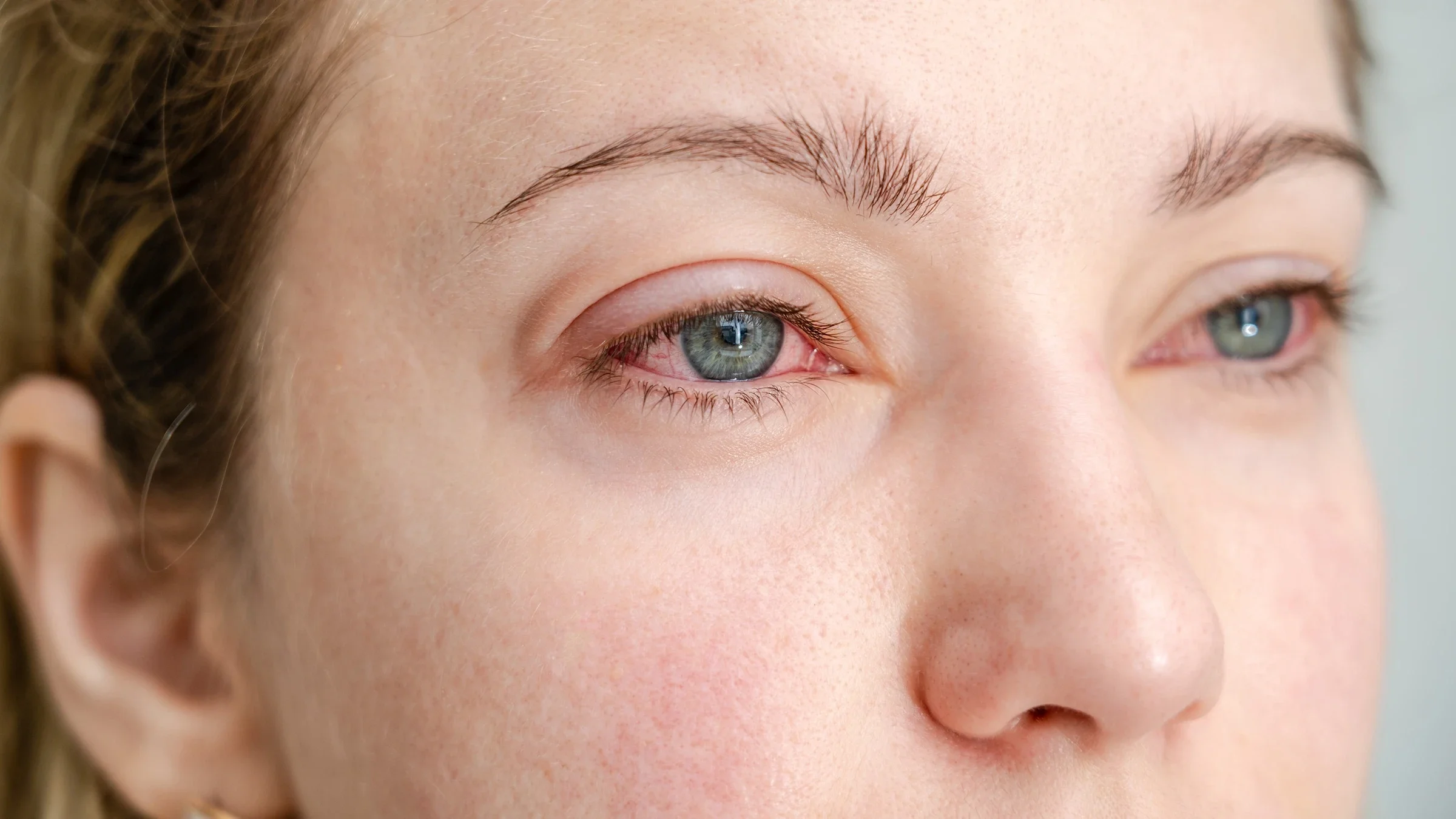
Allergic conjunctivitis is a medical condition that affects the eyes. It causes inflammation of the conjunctiva (the clear lining over the eye).
Allergic conjunctivitis is very common. About 1 in 4 people experience allergic conjunctivitis. You’re more likely to experience allergic conjunctivitis if you have:
Seasonal or year round allergies (allergic rhinitis)
What causes allergic conjunctivitis?
Allergic conjunctivitis is a type of allergic reaction. It can be triggered by many seasonal and year-round allergens like:
Tree pollen
Ragweed
Grass
Animal dander
House mites
Dust
Perfume and strong scents
Makeup
Smoke
Air pollution
What are the symptoms of allergic conjunctivitis?
The most common allergic conjunctivitis symptoms include:
Red eyes
Itchy eyes
Watery eyes
Burning or stinging sensation in the eyes
Red and irritated eyelids
Itchy eyelids
Discomfort around bright lights (photophobia)
Allergic conjunctivitis shouldn’t cause eye pain or vision changes. Seek immediate medical care if you develop either of these symptoms. They can be a sign of a more serious eye condition.
Many people with allergic conjunctivitis also have allergic rhinitis. So sometimes allergic conjunctivitis occurs with other allergy symptoms, like sneezing and nasal congestion.
Is allergic conjunctivitis contagious?
No, allergic conjunctivitis isn’t contagious. But viral and bacterial conjunctivitis (pink eye) are contagious. It can be hard to tell these three types of conjunctivitis apart, since they all cause similar symptoms.
You should seek medical care if you aren’t sure whether you have allergic, bacterial, or viral conjunctivitis.
How do you treat allergic conjunctivitis?
Allergic conjunctivitis can be uncomfortable, but there are safe and effective treatments that can help.
Antihistamine and mast cell stabilizer eye drops
Combination antihistamine and mast cell eye drops are the first-choice treatment for allergic conjunctivitis.
Eye drops that are FDA approved to treat allergic conjunctivitis include:
Pataday (olopatadine)
Zaditor (ketotifen)
Optivar (azelastine)
Elestat (epinastine)
Lastacaft (alcaftadine)
Bepreve (bepotastine)
Some of these eye drops are available over the counter (OTC). But others are only available with a prescription.
Avoid eye drops that contain ingredients like tetrahydrozoline or naphazoline. These ingredients are often advertised as helpful for “red eyes” or “getting the red out.” But they aren’t meant for long-term use. Using these drops too often can make your eye redness worse.
Preservative-free artificial tears
OTC artificial tears can improve allergic conjunctivitis symptoms by washing out allergens from the eye. Try keeping the drops in the fridge for additional cooling relief.
Preservative-free artificial tears can be safe for long-term use. But it’s best to pair them with other allergic conjunctivitis treatments, like antihistamine eye drops, for best symptom relief.
Oral antihistamines
Oral antihistamines also block histamine release and can relieve allergy symptoms. They can relieve other allergy symptoms too — like sneezing, congestion, and runny nose. They’re not FDA approved to treat allergic conjunctivitis. But they’re approved to treat allergic rhinitis. So they’re a helpful option if you have both allergic rhinitis and allergic conjunctivitis.
Examples include:
Zyrtec (cetirizine)
Allegra (fexofenadine)
Claritin (loratadine)
Clarinex (desloratadine)
Xyzal (levocetirizine)
Some of these antihistamines are available OTC. But others are available only with a prescription.
Nasal steroids sprays
Nasal steroid sprays can help lower inflammation, which eases allergy symptoms. Like oral antihistamines, they’re FDA-approved to treat allergic rhinitis — but not allergic conjunctivitis. So they’re a good option for people with both allergic conjunctivitis and allergic rhinitis.
Your healthcare team may recommend using nasal steroid spray off-label if you have allergic conjunctivitis and have trouble taking eye drops.
Examples of nasal steroid sprays include:
Flonase Allergy Relief (fluticasone propionate)
Flonase Senismist (fluticasone furoate) — a finer, gentler spray than regular Flonase
Nasonex 24HR Allergy (mometasone)
Nasacort Allergy 24HR (triamcinolone)
Rhinocort (budesonide)
Some nasal steroid sprays are available OTC. But others are available only with a prescription.
Home remedies
Home remedies can help reduce symptoms of allergic conjunctivitis. Try these tips if you’re struggling with itchy, red eyes:
Avoid being outside when the pollen count is high.
Wear sunglasses when you’re outside to protect your eyes from allergens.
Wash your hands and face after going outside. This will remove allergens from your skin.
Use a cool compress over your eyes to reduce swelling and itching.
Wash your hands thoroughly after touching pets to remove dander from your hands.
Regularly wash your bedding, and use allergen-reducing covers.
Avoid window fans, which can bring in pollen from the outdoors
Can you prevent allergic conjunctivitis?
There’s no way to stop someone from developing allergic conjunctivitis. But you can lower the risk of flare-ups by avoiding triggers, like pollen and pet dander. You can also reduce allergens in your home by:
Installing an air purifier
Vacuuming and dusting regularly
Using scent-free soaps to limit your exposure to chemicals that can trigger allergic conjunctivitis
It’s a good idea to avoid touching or rubbing your eyes as much as possible during flares. This can help lower the risk of developing pink eye on top of allergic conjunctivitis.
Frequent hand washing can also help lower your risk of getting an eye infection. Make sure to wash your hands before applying eye drops too.
When should you seek care for allergic conjunctivitis?
You should see an eye doctor, like an optometrist or ophthalmologist, if you’ve tried OTC and home remedies without improvement. An eye doctor can make sure your symptoms are from allergic conjunctivitis and not another eye condition that can cause similar symptoms.
An eye doctor can also offer additional treatments like:
Steroid eye drops
Nonsteroidal anti-inflammatory drops
You should also seek care if you know you have allergic conjunctivitis and your symptoms are getting worse. You can have pink eye and allergic conjunctivitis at the same time. Your eye doctor can check for pink eye and start treatment if you need it.
Frequently asked questions
Yes, you can go to work with allergic conjunctivitis. Allergic conjunctivitis can be uncomfortable, but it’s not contagious.
Allergic conjunctivitis can last for an entire allergy season if you have seasonal allergies. But it can last all year if you have year-round allergies. Allergic conjunctivitis doesn’t go away over time. People don’t “grow out” of it.
Luckily, antihistamine / mast stabilizer eye drops can offer quick and long-lasting relief. It takes only 30 minutes for most of these eye drops to work.
Allergic conjunctivitis can cause watery eyes. Some people may experience this as a watery discharge. Allergic conjunctivitis doesn’t cause thick or yellow/green discharge. Bacteria and viral conjunctivitis are more likely to cause this kind of discharge.
Yes, you can go to work with allergic conjunctivitis. Allergic conjunctivitis can be uncomfortable, but it’s not contagious.
Allergic conjunctivitis can last for an entire allergy season if you have seasonal allergies. But it can last all year if you have year-round allergies. Allergic conjunctivitis doesn’t go away over time. People don’t “grow out” of it.
Luckily, antihistamine / mast stabilizer eye drops can offer quick and long-lasting relief. It takes only 30 minutes for most of these eye drops to work.
Allergic conjunctivitis can cause watery eyes. Some people may experience this as a watery discharge. Allergic conjunctivitis doesn’t cause thick or yellow/green discharge. Bacteria and viral conjunctivitis are more likely to cause this kind of discharge.
The bottom line
If your eyes feel itchy, red, and watery after being around pollen, pets, or dust, allergic conjunctivitis may be the cause. While it can look like other types of pink eye, it isn’t contagious. Simple steps like avoiding triggers and using allergy treatments can ease symptoms. But if your eyes don’t get better or you’re not sure what’s causing them, an eye doctor can help make the right diagnosis.

Why trust our experts?



References
Asthma and Allergy Foundation of America. (2015). Eye allergies (allergic conjunctivitis).
Baab, S., et al. (2024). Allergic conjunctivitis. StatPearls.
Beare, N. A. V., et al. (2013). Allergic conjunctivitis. In: Manson's Tropical Infectious Diseases. ScienceDirect.
Bielory, L., et al. (2020). Ocular symptoms improvement from intranasal triamcinolone compared with placebo and intranasal fluticasone propionate. Annals of Allergy, Asthma and Immunology.
Castillo, M., et al. (2015). Topical antihistamines and mast cell stabilisers for treating seasonal and perennial allergic conjunctivitis. Cochrane Database of Systematic Reviews.
University of Rochester Medical Center. (n.d.). When you have allergic conjunctivitis.