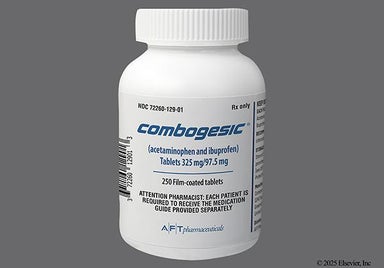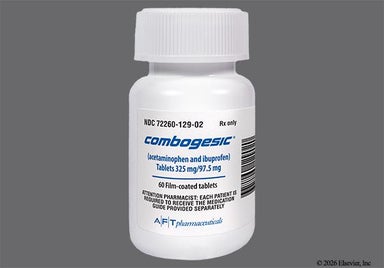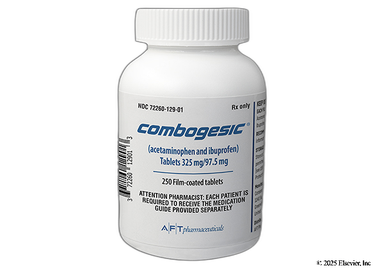
Combogesic
Combogesic is a prescription medication that helps relieve mild-to-moderate pain in adults. It contains acetaminophen (an analgesic) and ibuprofen (a nonsteroidal anti-inflammatory drug or NSAID). Combogesic comes as tablets that you take by mouth every 6 hours as needed for pain relief. It's also available as an injection that's used in the hospital. Side effects can include nausea, vomiting, and headache.


What is Combogesic (acetaminophen / ibuprofen)?
What is Combogesic (acetaminophen / ibuprofen) used for?
- Short-term relief of mild-to-moderate pain in adults
How Combogesic (acetaminophen / ibuprofen) works
Combogesic is a combination of two medications. They work together to relieve minor aches and pains.
- Acetaminophen is an analgesic. The way it works isn't fully understood. But it's thought to affect different pain pathways in the body. This includes stopping the body from making certain chemicals that play a role in causing pain.
- Ibuprofen is a nonsteroidal anti-inflammatory drug (NSAID). It works by blocking a protein called cyclooxygenase (COX). This protein is involved in causing inflammation. By blocking COX, ibuprofen helps relieve pain, redness, and swelling.
Drug facts
| Common Brands | Combogesic |
|---|---|
| Drug Class | Analgesic / NSAID |
| Controlled Substance Classification | Not a controlled medication |
| Generic Status | No lower-cost generic available |
| Availability | Prescription only |

Side effects of Combogesic (acetaminophen / ibuprofen)
The following side effects may get better over time as your body gets used to the medication. Let your healthcare provider know immediately if you continue to experience these symptoms or if they worsen over time.
Common Side Effects
- Nausea (15%)
- Vomiting (7%)
- Headache (5%)
- Dizziness (3%)
Less Common Side Effects
- Sleepiness
- Constipation
- Indigestion or heartburn
- Swollen face
- Itchiness
Combogesic (acetaminophen / ibuprofen) serious side effects
Contact your healthcare provider immediately if you experience any of the following.
- Stomach bleeding: blood in your vomit, stool that looks like black coffee grounds, pain in your stomach that doesn't go away
- Liver damage: nausea, vomiting, loss of appetite, severe stomach pain, yellowing of skin or eyes
- Heart attack: dizziness, tiredness, cold sweat, trouble breathing, chest pain or tightness that spreads to the arm or jaw
- Stroke: severe headache, blurred vision, trouble speaking, trouble walking, weakness on one side of the body, drooping face
- Heart failure: trouble breathing, tiredness, dizziness, swelling, sudden weight gain
- Kidney damage: little or no urination, needing to urinate more often than usual, tiredness, dry and itchy skin, loss of appetite, muscle cramps, swelling in the ankles or feet
- Serious allergic reaction or skin reaction: rash; hives; painful blisters; peeling skin; trouble breathing; swelling of the face, lips, or throat; fever
The following Combogesic (acetaminophen / ibuprofen) side effects have also been reported
Side effects that you should report to your care team as soon as possible:
- Allergic reactions—skin rash, itching, hives, swelling of the face, lips, tongue, or throat
- Bleeding—bloody or black, tar-like stools, vomiting blood or brown material that looks like coffee grounds, red or dark brown urine, small red or purple spots on skin, unusual bruising or bleeding
- Heart attack—pain or tightness in the chest, shoulders, arms, or jaw, nausea, shortness of breath, cold or clammy skin, feeling faint or lightheaded
- Heart failure—shortness of breath, swelling of the ankles, feet, or hands, sudden weight gain, unusual weakness or fatigue
- Increase in blood pressure
- Kidney injury—decrease in the amount of urine, swelling of the ankles, hands, or feet
- Liver injury—right upper belly pain, loss of appetite, nausea, light-colored stool, dark yellow or brown urine, yellowing skin or eyes, unusual weakness or fatigue
- Rash, fever, and swollen lymph nodes
- Redness, blistering, peeling, or loosening of the skin, including inside the mouth
- Round red or dark patches on the skin that may itch, burn, and blister
- Stroke—sudden numbness or weakness of the face, arm, or leg, trouble speaking, confusion, trouble walking, loss of balance or coordination, dizziness, severe headache, change in vision
Side effects that usually do not require medical attention (report these to your care team if they continue or are bothersome):
- Headache
- Loss of appetite
- Nausea
- Trouble sleeping
- Upset stomach

Get your GoodRx coupon

Pros and cons of Combogesic (acetaminophen / ibuprofen)
Pros
- Starts working within a few minutes to help relieve pain
- Combines two pain medications into one tablet for convenience
- Generally well-tolerated
Cons
- Need a prescription for it from a healthcare professional
- Might need to take every 6 hours
- Not approved for children
- Not the best option for people with liver, kidney, or heart problems or people who are pregnant

Pharmacist tips for Combogesic (acetaminophen / ibuprofen)

- You can take Combogesic (acetaminophen / ibuprofen) as needed for pain. But make sure you take it no sooner than every 6 hours. Don't take more than 12 tablets in a 24-hour period. Otherwise, you could be at risk of serious side effects.
- You can take Combogesic (acetaminophen / ibuprofen) with or without food. If you feel nauseous after taking the medication, taking it with food or milk next time might help.
- It's best not to drink alcohol while taking Combogesic (acetaminophen / ibuprofen). Alcohol can raise your risk of liver damage and stomach bleeding. If it's hard to stop drinking, talk to a healthcare professional. They can help you find ways to stop drinking or suggest a safer pain medication.
- Combogesic (acetaminophen / ibuprofen) might make it easier for you to bleed. Let your care team know if you notice that you're bleeding or bruising more easily. Also tell them if any bleeding takes longer than usual to stop. Taking some other medications with Combogesic (acetaminophen / ibuprofen) can raise your risk of bleeding.
- Some people might have changes in their vision while taking Combogesic (acetaminophen / ibuprofen). This can include blurry vision, blind spots, or changes to color vision. Tell your care team if you notice any changes in your vision. They might suggest getting an eye exam to check it out.
- Combogesic (acetaminophen / ibuprofen) can raise the risk of stomach bleeding. Get medical help right away if you have stomach pain, dark stools, or blood in your stool or vomit.
- Don't take other medications that have acetaminophen, ibuprofen, or other NSAIDs in them. Taking more than one medication with these ingredients can raise your risk of serious side effects. This can include an accidental overdose or damage to your liver, kidneys, heart, or stomach. If you’re not sure what’s in your medications, ask a healthcare professional or pharmacist.
- Tell your pharmacist and care team about all the medications you take. They can make sure it's safe for you to take all your medications together. The ingredients of Combogesic, acetaminophen and ibuprofen, interact with many medications. This can lead to serious problems. Some of these medications include warfarin (Coumadin), diuretics (water pills), and blood pressure medications.
- Ask your prescriber first if it's safe for you to take Combogesic (acetaminophen / ibuprofen) with low-dose aspirin. Low-dose aspirin is sometimes used for heart protection and some other health benefits. If they say it's okay to take them together, make sure to follow their instructions. Taking them at the same time might affect how well they work and raise your risk of stomach bleeding.

Risks and warnings for Combogesic (acetaminophen / ibuprofen)
Combogesic (acetaminophen / ibuprofen) can cause some serious health issues. This risk may be even higher for certain groups. If this worries you, talk to your doctor or pharmacist about other options.
Risk of stomach bleeding and ulcers
- Risk factors: Older adults | History of bleeding problems | Liver problems | Drinking alcohol | Smoking | Taking other medications that raise your risk of bleeds | Taking Combogesic (acetaminophen / ibuprofen) for a long time
 The ibuprofen in Combogesic can hurt your stomach. It can raise your risk of serious stomach damage, like inflammation, stomach ulcers (sores), and bleeds. These problems can happen at any time while taking this medication.
 Before starting Combogesic (acetaminophen / ibuprofen), tell your prescriber and pharmacist about all of your health conditions and medications. They can help check your risk for stomach ulcers and bleeding.
Talk to your prescriber if you have symptoms of a stomach ulcer. It can feel like burning stomach pain that doesn't go away, a burning feeling in the chest, acid reflux, or feeling full quickly. For stomach bleeds, people might not have symptoms. But get medical help right away if you feel faint, vomit blood, or have bloody or dark stools.
Liver damage
- Risk factors: Drinking 3 or more alcoholic beverages a day | Taking other medications containing acetaminophen | Taking too much Combogesic (acetaminophen / ibuprofen) | History of liver problems
Combogesic (acetaminophen / ibuprofen) has a risk of liver damage. This risk is higher if you already have liver problems or drink a lot of alcohol. It's also higher if you take more than one medication with acetaminophen. Taking too much acetaminophen can be very dangerous. This liver damage can be severe and potentially life-threatening liver damage.
Before taking Combogesic (acetaminophen / ibuprofen), talk to your prescriber if you have liver problems because this medication isn't recommended for you. Limit or avoid alcohol while taking this medication to lower the risk of liver damage. Also be sure you don't take more than one medication containing acetaminophen. Your prescriber can help you stay safe if you need to take Combogesic (acetaminophen / ibuprofen).
Call your prescriber right away if you notice dark urine, pain on the right side of your stomach, or yellow skin or eyes. These can be signs of liver problems.
Risk of heart attack and stroke
- Risk factors: Heart problems | Having risk factors for heart problems | Taking higher doses of Combogesic (acetaminophen / ibuprofen) | Taking Combogesic (acetaminophen / ibuprofen) for a long time | Recent or planned heart surgery
Studies suggest that NSAIDs like the ibuprofen in Combogesic might raise your risk of having blood clots. These clots might lead to a heart attack or stroke.
Talk to your prescriber about your medical history to make sure Combogesic (acetaminophen / ibuprofen) is safe for you. The risk might be higher if you have heart disease or other risk factors like high blood pressure or high cholesterol. Don't take this medication if you've had a recent heart attack, recent heart surgery, or will have heart surgery soon.
To lower your risk, take the lowest dose of Combogesic (acetaminophen / ibuprofen) for the shortest time needed. Call 911 right away if you have signs of a heart attack. Look out for chest pain that travels to the arm, neck, or jaw; shortness of breath; sweating; or nausea. Also get help right away if you notice signs of a stroke like weakness on one side of your body, a drooping face, or trouble speaking or walking.
High blood pressure, swelling, and risk of heart failure
- Risk factors: High blood pressure | Heart problems
Combogesic has ibuprofen in it. Ibuprofen can make your body hold onto extra fluid. This can raise your blood pressure. It can also cause swelling in your legs or feet. Fluid buildup can cause serious problems in people with heart failure.
Before taking Combogesic (acetaminophen / ibuprofen), tell your prescriber if you have high blood pressure or heart problems like heart failure. Also let them know if you take medications for these conditions. Your prescriber can help you decide if Combogesic (acetaminophen / ibuprofen) is safe for you. People with severe heart failure shouldn't take it unless the benefits are greater than the risks.
Talk to your primary care provider if your blood pressure goes up while taking Combogesic (acetaminophen / ibuprofen). Also call them if you have signs of heart failure. This can include fainting, dizziness, chest pain with physical activity, trouble breathing, or an uneven heartbeat.
Kidney damage
- Risk factors: Older adults | Kidney problems | Liver problems | Heart failure | Not enough fluids in the body (dehydration) | Taking other medications that can cause kidney problems (e.g., diuretics, ACE inhibitors)
Taking NSAIDs, like the ibuprofen in Combogesic, for a long time can cause kidney damage. The risk is higher if you're older or have health conditions like kidney problems or heart failure. Your risk is also higher if you take other medications that can harm the kidneys.
Call your primary care provider if you notice that you're urinating more or less than usual. Also tell them if you get tired easily, have dry or itchy skin, don't feel hungry often, or have muscle cramps. These can be signs of kidney problems.
Severe allergic reactions
- Risk factors: Acetaminophen (Tylenol) allergy | Ibuprofen (Advil) allergy | Aspirin allergy | NSAID allergy
Severe allergic reactions to Combogesic (acetaminophen / ibuprofen) are possible. This can include anaphylaxis, which can sometimes be life-threatening. Signs can look like rash; hives; itchiness; swelling in the face, mouth, or throat; and trouble breathing. Fever or swollen lymph nodes can sometimes also happen with certain allergic reactions. Call 911 right away if you have an allergic reaction to the medication.
Tell your prescriber if you're allergic to acetaminophen, ibuprofen, aspirin, or other NSAIDs. Also let them know if you've had breathing problems or wheezing after taking aspirin. Your prescriber will help you find a safer pain medication for you.
Serious skin reactions
Although rare, Combogesic (acetaminophen / ibuprofen) can cause serious skin reactions. This can include a rash, painful blisters, skin reddening, or skin peeling. If you see any unusual changes in your skin, stop taking the medication and get medical help right away.
Harm to an unborn baby
- Risk factors: Second or third trimester of pregnancy
Combogesic (acetaminophen / ibuprofen) can harm an unborn baby, especially if taken after the 20th week of pregnancy. It can cause serious heart or kidney problems in the baby. There's also a risk of problems during delivery.
If you're pregnant, talk to your prescriber or obstetrician-gynecologist (OB-GYN) about the risks of taking this medication. Ask if there are safer ways to help relieve your pain.
Brain inflammation (aseptic meningitis)
- Risk factors: Connective tissue problems like systemic lupus erythematosus
It's rare, but some people who took ibuprofen (one of the ingredients in Combogesic) had swelling in the brain. This is called aseptic meningitis. People with connective tissue conditions like lupus might have a higher risk of this problem.
Call a healthcare professional if you have signs like a severe headache, stiff neck, fever, weakness, or eyes that are sensitive to light. These could be signs of aseptic meningitis.
Don't take with other medications containing acetaminophen or NSAIDs
Don't take Combogesic (acetaminophen / ibuprofen) with other medications that have acetaminophen or an NSAID in them. It can raise your risk of an accidental overdose (taking too much medication). This can lead to serious and sometimes fatal problems, like bleeding or damage to your liver, kidneys, or heart.
To stay safe, always read the labels on your medications. Acetaminophen, ibuprofen, and NSAIDs are in many common over-the-counter and prescription medications. They include those for allergies, colds, cough, flu, pain, and headaches.
If you think you or someone else took too much medication, get medical help right away. You can also call a Poison Control Center at 1-800-222-1222.

Combogesic (acetaminophen / ibuprofen) dosage
 Tablet
| Dosage | Quantity | Price as low as | Price per unit |
|---|---|---|---|
| 325mg/97.5mg | 21 tablets | $66.53 | $3.17 |

How much does Combogesic (acetaminophen / ibuprofen) cost?
$66.53

Combogesic (acetaminophen / ibuprofen) contraindications
Contraindications are specific health conditions or situations in which a person should not take a medication due to safety concerns. If you have any of the following conditions or if any of the following apply to you, let your healthcare provider know because Combogesic (acetaminophen / ibuprofen) will not be safe for you to take.
- Allergy to acetaminophen, ibuprofen, or other NSAID
- History of asthma, hives, or other allergic-like reaction after taking aspirin or another NSAID
- Right before or after coronary artery bypass graft surgery (CABG), a type of open heart surgery

What are alternatives to Combogesic (acetaminophen / ibuprofen)?

Combogesic (acetaminophen / ibuprofen) images