Key takeaways:
Many people with diabetes administer insulin using an insulin pen or syringe.
Preparing your insulin correctly and using the right injection technique helps you get the right dose.
Checking your glucose regularly helps you understand how your insulin is working. You can do this with a blood glucose meter (glucometer) or a continuous glucose monitor (CGM).
Rotating injection sites, storing insulin properly, and safely disposing of used needles will help your insulin work as intended and protect your health.
Administering insulin may feel overwhelming at first. With practice, though, it can become a routine part of your day. Whether you’re administering insulin to yourself or a loved one, you can learn to do it safely and confidently.
Insulin can be administered in three easy steps: preparing the insulin dose, selecting and cleaning the site, and giving the injection with a pen or syringe.
Here, we’ll take a closer look at each step and share tips to help make the process easier.
1. Gather your supplies and prepare your insulin
Many people feel uneasy around needles at first. But with some practice and support from your diabetes care team, administering insulin can become a seamless part of your daily routine.
Let’s get started:
Wash your hands and gather your supplies.
If you use cloudy insulin (such as intermediate or premixed insulin), gently roll the vial or pen 10 to 20 times to mix it. Don’t shake it. If your insulin is clear (such as fast-acting or long-acting insulin), you don’t need to mix it.
Double check the insulin vial for the type of insulin and use-by and expiration dates.
Clean the top of the vial with an alcohol swab (pop off the top if using a new vial). Or, for a pen, attach a new pen needle.
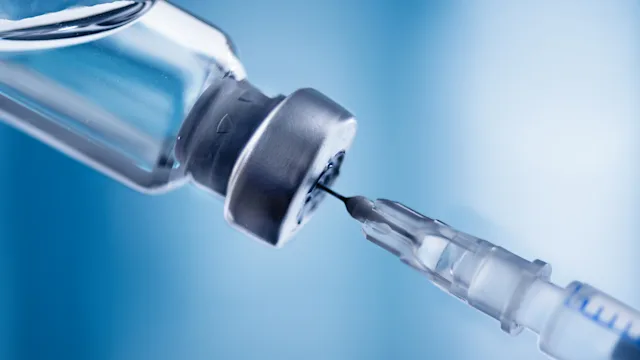
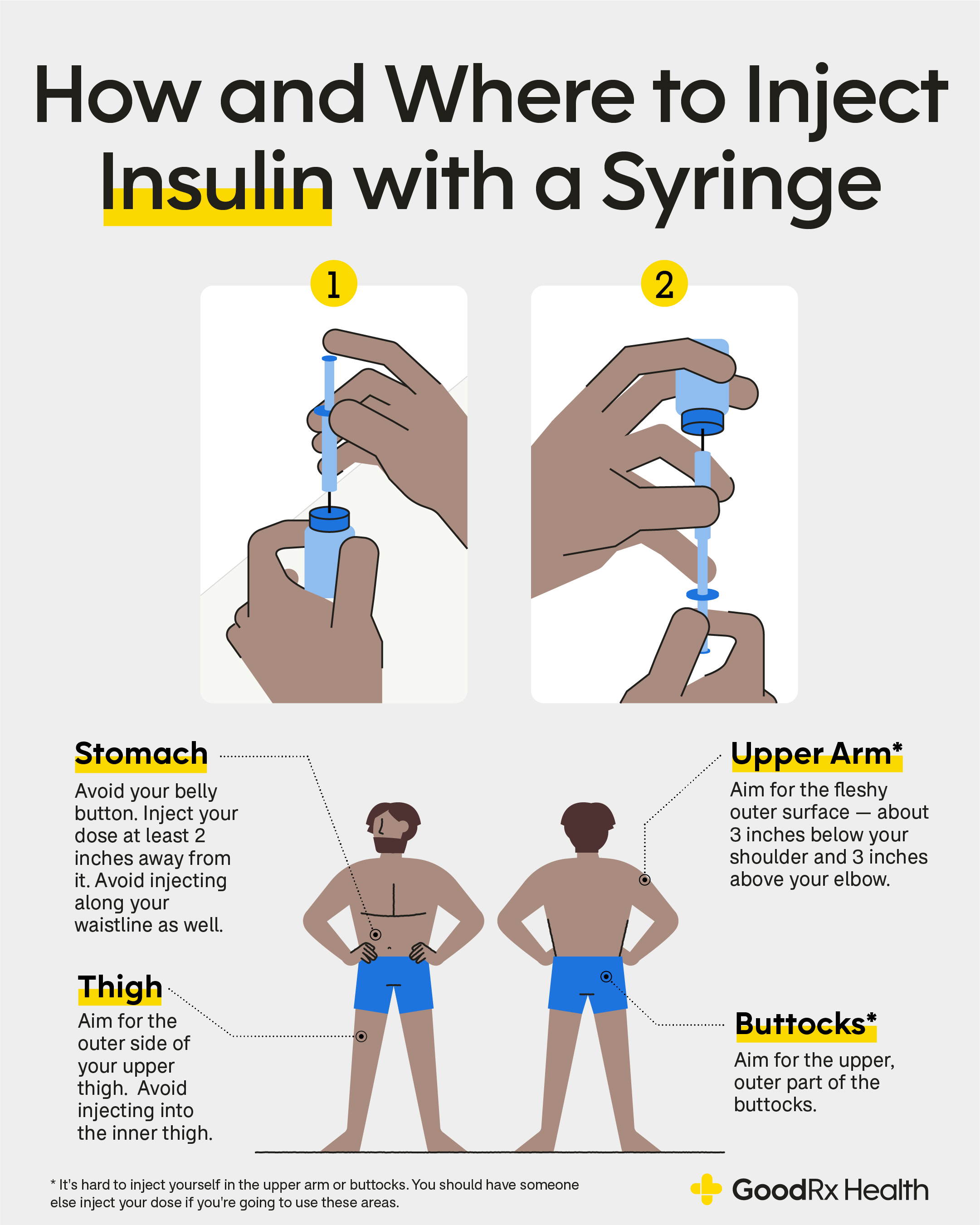
For a syringe, pull back air to equal the amount of insulin you’ll be drawing up and inject it into the vial. Then turn the vial upside down (with the syringe in it) and draw up the insulin you need. Check for bubbles, and tap them gently to the top. Push the plunger to get them out. Then remove the needle from the vial.
If you’re mixing clear and cloudy insulins, always draw up the clear insulin first.
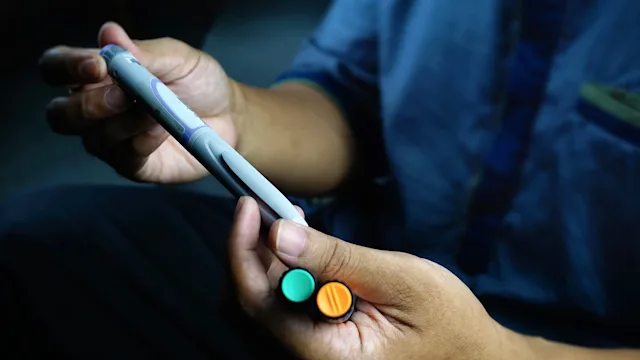
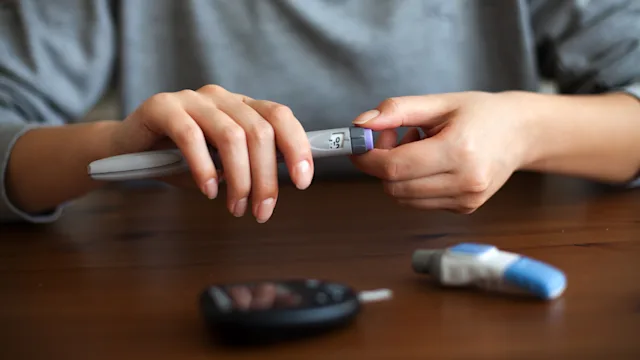
For a pen, prime the pen with 2 units of insulin (you should see a drop of insulin). Then dial up your prescribed dose.
2. How to administer insulin step by step
Once you've prepared your insulin, you're ready to give the injection. The steps are similar whether you're using an insulin pen or a syringe. Your healthcare team will show you the best technique for the type of insulin and delivery device you’re using.
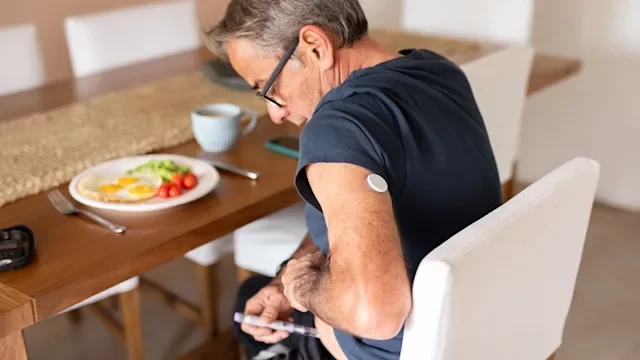
Once your insulin is prepared, the next step is choosing where to give it. Insulin is injected into the fatty tissue just under the skin of your:
Abdomen
Thigh
Upper arm
Buttocks
You’ll want to inject at least 1 inch away from your previous injection to avoid repeatedly using the same spot. Here’s what to do:
Clean the skin if needed. If your skin is visibly dirty, wash it with soap and water. Many people also clean the injection site with an alcohol swab and allow it to dry before injecting.
Insert the needle. Insert the needle into the skin using the technique recommended by your healthcare team. Most people using today's shorter pen needles can inject straight in at a 90-degree angle.
Inject the insulin. Push the plunger or injection button all the way down until the full dose has been delivered.
Wait before removing the needle. If you're using an insulin pen, count to 10 before removing the needle to help prevent insulin from leaking out. If you're using a syringe, remove the needle after the injection is complete.
Dispose of the needle safely. Place used needles and syringes directly into a sharps container. Never reuse needles or throw loose sharps into the trash.
Always double-check the type of insulin and dose before injecting. If you use more than one type of insulin, taking a few extra seconds to confirm the label can help prevent medication errors.

Read more like this
Explore these related articles, suggested for readers like you.



3. Choose the best injection site — and rotate it
Rotating injection sites is an important part of diabetes care. That’s because using the same site over and over can cause lipohypertrophy (scar tissue and lumps under the skin). This can make insulin work less predictably.
Aim to inject about 1 inch away from your last injection. You can rotate between different areas of your body, including your:
Arms
Thighs
Butt
Belly
Switching sides from left-to-right can also prevent overuse of the same areas.
4. Know which insulin you're using and when to take it
Different types of insulin work at different speeds. Knowing which insulin you're taking and when to use it can help you get the best results from your treatment. Here’s what to know:
Rapid-acting and short-acting insulin: Take around mealtimes to help decrease blood sugar spikes after eating. Many people take rapid-acting insulin about 10 to 15 minutes before a meal. But your diabetes care team will recommend the timing that's right for you.
Intermediate-acting, long-acting, and ultra-long-acting insulin: Take once or twice daily, to help keep blood sugar steady between meals and overnight.
Most people administer insulin with a pen or syringe, while others use an insulin pump or inhaled insulin. All are effective options. The best choice depends on your lifestyle, preferences, and treatment plan.
5. Monitor your blood sugar goals
Your blood sugar goals help determine when you need insulin and, for many people, how much insulin to take. Before starting insulin, your diabetes care team will set personalized glucose targets based on your age, health, and treatment plan.
For many adults, blood sugar goals are:
Before meals: 80 mg/dL to 130 mg/dL
One to 2 hours after meals: less than 180 mg/dL
To see whether you're staying within your target range, you'll need to check your blood sugar regularly using a blood glucose meter (glucometer) or a continuous glucose monitor (CGM).
How often you check depends on your insulin regimen and the monitoring plan your diabetes care team recommends. Some people check their glucose after meals to better understand how food affects their glucose levels or when learning how to adjust mealtime insulin.
If your blood sugar is consistently above or below your target range, your diabetes care team may recommend adjusting your insulin dose or treatment plan.
6. Know how to recognize high and low blood sugar levels
One of the most important parts of using insulin safely is recognizing when blood sugar is too low or too high. Knowing the signs can help you treat the problem quickly and avoid serious complications.
High and low blood sugar are common when you're taking insulin. Knowing the warning signs — and what to do next — can help you stay safe.
Low blood sugar
Hypoglycemia is a blood sugar level below 70 mg/dL. Common symptoms include:
Sweatiness
Shaking
Dizziness
Confusion
Fast heartbeat
Hunger
Feeling weak or tired
Feeling nervous or upset
Headache
The “15-15 rule” is a simple way to treat most episodes of low blood sugar:
Eat or drink 15 g of fast-acting carbohydrates (4 glucose tabs or 4 oz of juice).
Wait 15 minutes.
Check your blood glucose level again. If it’s still below 70 mg/dL, repeat the cycle.
Sometimes, the 15-15 rule isn’t enough to treat very low blood sugar. If someone becomes unconscious, has a seizure, or can't safely swallow, give glucagon (if available) and call 911 immediately.
High blood sugar
Hyperglycemia is a blood sugar that’s above your target range, usually above 180 mg/dL. Symptoms may include:
Dry mouth
Increased thirst
Frequent urination
Headache
Blurry vision
Nausea
Weakness or fatigue (feeling very tired)
Flu-like symptoms, like feeling achy or unusually warm or cold
Your diabetes care team will give you instructions on how to safely lower your blood sugar if it gets too high.
Stick to your plan. Keep a close eye on your glucose, drink plenty of water, and take medications as prescribed. Monitor for ketones if you’ve received instruction to do so.
Seek medical care right away if your blood sugar remains very high or you develop symptoms such as:
Shortness of breath
Fruity-smelling breath
Persistent vomiting
Severe nausea
These may be signs of diabetic ketoacidosis (DKA).
7. Your insulin dose may change over time
Every day is unique. That’s why it’s important to know how to adapt your diabetes treatment to your changing life. Managing diabetes gets a little more complicated when routines turn upside down with factors like:
Travel
Illness
Missed meals
Increased physical activity
It pays to check your glucose more frequently when your normal routine changes. This lets you make small adjustments to your insulin dose to prevent big changes in blood glucose. Your diabetes care team can provide advice on planning ahead and making adjustments in unexpected situations.
8. Store your insulin properly so it keeps working
Make sure to store your insulin properly so it doesn’t lose effectiveness:
Keep it away from light and extreme temperatures (hot or cold).
Keep unopened insulin products in the fridge until you’re ready to use them. They’ll last longer in the fridge.
Once opened, store your insulin pen at room temperature. An opened vial can be stored at room temperature or in the fridge.
Never use insulin that’s been frozen. Even if it looks normal, it may not work correctly and it’s not safe to use.
9. Know when your insulin shouldn’t be used
Before using insulin, always make sure it’s not spoiled. This can happen when it’s stored improperly or outdated.
Most rapid-acting and long-acting insulins are clear. Some intermediate-acting and premixed insulins are normally cloudy and should be gently rolled before use. Never use insulin that contains clumps, particles, or crystals, or that looks different than it normally does.
Even expired insulin can look normal, so be sure to check two important dates:
Expiration date: This is labeled on the box, and it’s how long unopened insulin is good for.
Use-by date: This is how long you can use insulin after opening it. You’ll need to write down this date or set a reminder on your calendar or phone.
Both of these dates depend on your insulin product and how it’s stored before and after opening. Don’t use insulin past either of these dates. Insulin breaks down over time and may not work as well. If you have any questions, be sure to ask your pharmacist about these dates.
10. Dispose of needles and supplies safely
Some insulin supplies need to puncture your skin to deliver medication (needles and syringes) or to get a blood sample (lancets). These “sharps” can be dangerous when not properly handled. So to keep yourself and others safe, make sure to dispose of them correctly.
The FDA recommends placing all needles in a sharps container after using them. You can buy FDA-cleared containers at your pharmacy or online.
The American Diabetes Association (ADA) recommends making your own sharps container. For example, you can use a laundry detergent bottle. Whatever you choose, the container should be made of heavy-duty plastic and also be leak- and puncture-resistant. And you should be able to close it with a tight-fitting lid.
Check the rules for disposing sharps containers where you live, since they can vary depending on your location.
Common mistakes when administering insulin (and how to avoid them)
Before every injection, take a few seconds to run through this checklist. These simple habits can help prevent some of the most common insulin administration mistakes.
Before you inject, make sure you have:
The right insulin
The right dose
A new needle
Insulin that’s in-date and not spoiled
Also, make sure to:
Identify a different injection site than last time
Check your blood sugar
Frequently asked questions
Yes, insulin is injected subcutaneously. This means it’s injected into the fatty tissue directly under your skin. The fat layer helps with the slow, consistent absorption of insulin.
Insulin is a prescription medication, but some types of insulin are available over the counter (OTC), like Novolin R and Humulin N. These types of insulin work differently from other fast-acting and long-acting insulins, which are available only by prescription.
No, you can’t take insulin by mouth. Afrezza is the only rapid-acting insulin that’s inhaled but not swallowed. Other oral diabetes medications like metformin help with blood sugar management, but they aren’t a form of insulin.
Yes, insulin is injected subcutaneously. This means it’s injected into the fatty tissue directly under your skin. The fat layer helps with the slow, consistent absorption of insulin.
Insulin is a prescription medication, but some types of insulin are available over the counter (OTC), like Novolin R and Humulin N. These types of insulin work differently from other fast-acting and long-acting insulins, which are available only by prescription.
No, you can’t take insulin by mouth. Afrezza is the only rapid-acting insulin that’s inhaled but not swallowed. Other oral diabetes medications like metformin help with blood sugar management, but they aren’t a form of insulin.
The bottom line
Learning how to give yourself insulin can feel challenging at first. But what matters isn’t getting every injection perfectly right. Rather, it’s about developing a safe, consistent routine. Over time, you'll learn how your blood sugar responds to meals, activity, illness, and stress. Those patterns, and the guidance of your diabetes care team, can help you use insulin more safely and effectively.

Why trust our experts?



References
American Diabetes Association. (n.d.). Check your blood glucose.
Centers for Disease Control and Prevention. (2024). Types of insulin.
SafeNeedleDisposal.org. (n.d.). Safe needle disposal.
U.S. Food and Drug Administration. (2021). Sharps disposal containers.
U.S. Food and Drug Administration. (2023). Best way to get rid of used needles and other sharps.