butalbital / aspirin / caffeine / codeine
Fiorinal with Codeine is used to treat tension headaches when other medications haven't worked. It's a combination medication that can become habit-forming if used over a long period of time. It can also worsen headaches if it's overused, so it's not the first-choice option for treating tension headaches.


What is Fiorinal with Codeine?
What is Fiorinal with Codeine used for?
- Tension (muscle contraction) headaches
How Fiorinal with Codeine works
Fiorinal with Codeine combines four medications to help relieve tension headaches. Tension headaches are generally related to stress and cause muscle tightness and pain around your forehead and neck.
- Butalbital is a barbiturate that works in your brain to help you relax.
- Aspirin is a nonsteroidal anti-inflammatory drug (NSAID) that lowers swelling and inflammation by blocking a chemical in your body known as prostaglandin.
- Caffeine is an adenosine antagonist that works by blocking a natural chemical in your body known as adenosine. It's unclear exactly how caffeine works in the setting of headaches, but it's thought to boost the pain-relieving activity of aspirin.
- Codeine is an opioid medication that works in your brain to lower how much pain you feel.
Drug facts
| Common Brands | Fiorinal with Codeine |
|---|---|
| Drug Class | Barbiturate / NSAID / Adenosine antagonist / Opioid |
| Controlled Substance Classification | Schedule III |
| Generic Status | Lower-cost generic available |
| Availability | Prescription only |

Risks and warnings for Fiorinal with Codeine
Fiorinal with Codeine can cause some serious health issues. This risk may be even higher for certain groups. If this worries you, talk to your doctor or pharmacist about other options.
Potential for addiction, abuse, and misuse
- Risk factors: Personal or family history of substance or alcohol abuse | History of mental health conditions | Taking more Fiorinal with Codeine than prescribed | Long-term use of Fiorinal with Codeine
 Taking Fiorinal with Codeine can lead to abuse, misuse, or addiction, even if you take it at the recommended dose. This can cause serious problems, such as overdose and death. Because of this risk, the FDA requires this medication and all other medications containing opioids, like codeine, to be under a Risk Evaluation and Mitigation Strategy (REMS) program. This means your healthcare provider or pharmacist will provide you with a medication guide and talk to you about the proper use, serious risks, and appropriate storage and disposal of this medication in order to keep you and your loved ones safe. It's important that you read the medication guide every time to familiarize yourself with safe use of this medication.
Life-threatening breathing problems in adults
- Risk factors: Using opioids | First few days of treatment with Fiorinal with Codeine | Taking high doses of Fiorinal with Codeine | Drinking alcohol | Acute or severe asthma | History of severe chronic obstructive pulmonary disease (COPD) | Older or weaker people | Accidental overdose
Fiorinal with Codeine can cause serious breathing problems (respiratory depression) and lead to death if not treated right away. This risk can occur at any time but it's greatest during the first 1-3 days of starting Fiorinal with Codeine and after increases in dosages. If you or your loved one has shortness of breath, wheezing, slowed breathing, tiredness or sleepiness during the day, anxiety, or confusion, call for emergency medical help right away.
 If you have a history of alcohol use or severe lung conditions, talk to your healthcare provider before starting Fiorinal with Codeine. Your provider might switch you to a non-opioid medication if necessary.
Life-threatening breathing problems in children
- Risk factors: Younger than 12 years of age | Using opioids after certain surgeries, like tonsil or adenoid removal | History of obstructive sleep apnea (OSA) | Obesity | Severe lung conditions | Neuromuscular conditions | Taking other medications that affect your breathing | Being born with genes that rapidly break down codeine
Fiorinal with Codeine can cause
life-threatening breathing problems (respiratory depression) and death in children, especially those younger than 12 years old. Some children have genes that break down codeine faster than others, so this raises their amount of exposure to the medication. The risk is even greater in children between the ages of 12 to 18 years old, especially after certain surgeries, like tonsil or adenoid removal. If your child has obstructive sleep apnea, obesity, or severe lung conditions, discuss the risks and benefits of using Fiorinal with Codeine with your child's healthcare provider. Work with your child's provider to use the lowest dose of Fiorinal with Codeine for the shortest amount of time to lower your child's risk of life-threatening breathing problems. If your child complains of shortness of breath, wheezing, slowed breathing, tiredness or sleepiness during the day, anxiety, or confusion, call for emergency medical help right away.
Accidental overdose
- Risk factors: Children | Taking more Fiorinal with Codeine than prescribed
Taking even one more dose of Fiorinal with Codeine than prescribed can lead to deadly overdose, especially in children. You should never take more than 6 capsules of Fiorinal with Codeine per day. Talk to your pharmacist or healthcare provider about naloxone (Narcan), which can be used in emergency situations for Fiorinal with Codeine overdose. Even if you use naloxone for an overdose, you'll still have to call for emergency medical help because it's effects are temporary and only last for a few minutes. Symptoms of an overdose include slowed breathing, small pupils, blue lips and fingertips, pale face, sweating, choking, or unresponsiveness. If you or anyone around you accidentally overdoses on Fiorinal with Codeine, get emergency medical help or call your local poison control center at 1-800-222-1222 right away.
Slowed brain function and decreased alertness
- Risk factors: Using other medications that slow down brain function | Using benzodiazepines | Drinking alcohol | Taking higher doses of Fiorinal with Codeine | Personal or family history of substance abuse
Taking Fiorinal with Codeine with alcohol, benzodiazepines for anxiety, sleep medications, muscle relaxers, and other opioids, can slow down brain activity and lead to severe sleepiness, slowed breathing, coma, and even death. If you take any of these medications, work with your healthcare provider to take the lowest and safest dose. Due to excessive sleepiness and dizziness, don't drive or use any heavy machinery until you know how Fiorinal with Codeine affects you. Call for emergency medical help right away if you have symptoms such as sleepiness, dizziness, low heart rate, slowed breathing, muscle weakness, headache, slurred speech, blurred vision, or confusion.
Withdrawal in newborn babies
- Risk factors: Long-term use of Fiorinal with Codeine during pregnancy | Using opioids during labor and delivery | Exposure to breast milk containing Fiorinal with Codeine
Long-term use of Fiorinal with Codeine during pregnancy or during labor can cause neonatal opioid withdrawal syndrome, which is a life-threatening condition in newborn babies. It's important to treat this condition right away by observing your newborn baby for irritability, overactivity, abnormal sleeping patterns, excessive or high-pitched crying, body shaking (tremor), vomiting, diarrhea, inability to gain weight, breathing problems, fever, sweating, or seizures. If you're pregnant or breastfeeding, discuss the risks and benefits of using Fiorinal with Codeine with your healthcare provider.
Interactions with other medications
Fiorinal with Codeine interacts with many medications, causing the levels of those medications to either go up or down in your body. Using Fiorinal with Codeine with antibiotics, such as erythromycin, or antifungals, such as fluconazole (Diflucan), can lead to higher levels of Fiorinal with Codeine, which can cause life-threatening breathing problems. Taking medications like rifampin (Rifadin), carbamezapine (Tegretol), and phenytoin (Dilantin) can lower Fiorinal with Codeine levels in your body and lessen the effects of the medication. This can cause opioid withdrawal symptoms, such as restlessness, sweating, chills, anxiety, nervousness, high blood pressure, or seizures. For your safety, ask your pharmacist or healthcare provider before starting or stopping any medications while taking Fiorinal with Codeine.
Low levels of cortisol (adrenal insufficiency)
- Risk factors: Opioid-use | Using opioids for greater than 1 month | History of low cortisol levels
Using medications containing opioids, such as Fiorinal with Codeine, especially for longer than 1 month can lead to low levels of cortisol hormone (adrenal insufficiency). Cortisol helps control your mood, stress, blood pressure, and blood sugar levels. If you have symptoms such as nausea, vomiting, anorexia, tiredness, weakness, dizziness, or low blood pressure, let your healthcare provider know so that tests can be performed and you can be treated appropriately if your cortisol levels are too low. Your provider might slowly wean you off of Fiorinal with Codeine or switch you to another medication if necessary.
Severely low blood pressure
- Risk factors: Taking blood pressure medications | History of low blood pressure | Taking certain antipsychotics | Dose adjustments to Fiorinal with Codeine
Fiorinal with Codeine can cause severely low blood pressure, especially upon standing after sitting or lying down for long periods of time (orthostatic hypotension). The risk is greater if you take medications for high blood pressure or if you take certain antipsychotics, known as phenothiazines. Be careful as you stand up after sitting for an extended period of time and make sure to sit back down if you feel faint or dizzy. The chances of low blood pressure are higher when you first start taking Fiorinal with Codeine or with dose changes. Call for emergency medical help if you have symptoms of low blood pressure including dizziness, lightheadedness, feeling thirsty or dehydrated, not being able to concentrate, tiredness or weakness, confusion, blurred vision, cold or pale skin, or fast breathing.
High pressure in the brain
- Risk factors: History of high pressure in the brain | History of brain tumors or head injury | Impaired consciousness or coma
Fiorinal with Codeine can raise pressure in your brain, especially if you have a history of a brain tumor or head injury. Fiorinal with Codeine also affects your lungs by lowering your ability to breathe, which causes higher levels of carbon dioxide and greater pressure to build up inside your brain. If you feel excessive sleepiness or have slowed breathing, especially when you first start taking Fiorinal with Codeine, let your healthcare provider know right away.
Serious stomach problems
- Risk factors: History of stomach or intestinal blockage | History of peptic ulcer disease | History of a serious stomach bleed | Taking aspirin or other NSAIDs | Taking high doses of aspirin | Older people | Poor health | Drinking alcohol | Taking blood-thinning medications
You shouldn't use Fiorinal with Codeine if you have a history of a stomach or intestinal blockage (paralytic ileus). Fiorinal with Codeine can cause constipation which can further complicate this condition. If you have a history of stomach ulcers (peptic ulcer disease), you shouldn't use aspirin because it can irritate your stomach lining and cause serious bleeding. If you have symptoms of a serious stomach bleed, such as black or tarry stools, bright red blood in your vomit, vomit that looks like coffee grounds, stomach cramps, dizziness, tiredness or weakness, paleness, or shortness of breath, call for emergency medical help right away.
Seizures
- Risk factors: History of seizures | Taking medications that cause seizures | Fiorinal with Codeine overdose
The codeine component in Fiorinal with Codeine can raise your risk of seizures if you already have a history of seizures. If you have a seizure that's worse or harder to control than before, let your healthcare provider know because you might have to stop taking Fiorinal with Codeine and switch to another medication.
Withdrawal symptoms
- Risk factors: Suddenly stopping Fiorinal with Codeine | History of opioid dependence | Lowering the dose of Fiorinal with Codeine too quickly
Stopping Fiorinal with Codeine suddenly can cause serious and undesirable withdrawal symptoms. If you take any opioid-containing medications for a long amount of time, your body gets physically dependent on the medication, so you must slowly lower (taper down) the dose to prevent withdrawal symptoms. Lowering your dose too quickly can also cause your pain to come back. Taking other types of opioids, such as nalbuphine or buprenorphine (Belbuca or Butrans), can also cause withdrawal symptoms. Let your healthcare provider know if you have restlessness, watery eyes, runny nose, sleepiness, sweating, chills, muscle pain, back or joint pain, large pupils, irritability, anxiety, nervousness, weakness, stomach cramps, trouble falling or staying asleep (insomnia), nausea, vomiting, diarrhea, high blood pressure, fast heart rate, or seizures. Work closely with your provider if you decide to stop taking Fiorinal with Codeine.
Potential harm to unborn babies
- Risk factors: Taking aspirin or other NSAIDs during pregnancy
Fiorinal with Codeine contains aspirin, which can cause harm to your unborn baby if taken during pregnancy. Don't use any aspirin-containing products if you're 30 weeks or later in pregnancy because it can cause serious heart problems in your baby. Using aspirin at 20 weeks pregnant or later can cause kidney problems in your baby and can lower the amount of amniotic fluid in your womb, which can lead to birth defects and prevent healthy growth in your baby. If you're 20 weeks to 30 weeks pregnant and need to take aspirin, take the lowest dose for the shortest time possible. Let your healthcare provider know if you take Fiorinal with Codeine or other aspirin-containing medications for longer than 2 days so that fluid levels in your womb can be measured closely.
Blood clotting problems
- Risk factors: Taking aspirin | History of blood clotting conditions | Taking aspirin before surgery | Heavy alcohol use | History of liver disease | Vitamin K deficiency
Fiorinal with Codeine contains aspirin, which stops your body from forming blood clots and raises your risk of bleeding out if you get seriously cut or hurt. This is especially serious if you have a history of blood clotting conditions (e.g., hemophilia) or liver disease because your body might already have a difficult time forming blood clots. If you take any blood-thinning medications or drink more than 3 alcoholic drinks per day, your risk of bleeding is even higher. If you're worried about your bleeding risk, ask your healthcare provider if Fiorinal with Codeine is safe for you.
Reye's syndrome
- Risk factors: Giving aspirin to children or teenagers with viral infections
Fiorinal with Codeine contains aspirin, which shouldn't be used to treat viral infections, with or without fever, in children or teenagers because of the risk of Reye's syndrome. This life-threatening condition can cause swelling and damage in your child's brain and liver. Discuss other non-aspirin treatment options with your child's healthcare provider.
Serious skin or allergic reactions
- Risk factors: History of serious skin reactions | Allergy to aspirin or other NSAIDs
Fiorinal with Codeine contains aspirin, which can sometimes cause serious skin and allergic reactions. If you're allergic to aspirin, don't take Fiorinal with Codeine. If you develop symptoms of an allergic reaction, such as swelling of the face, mouth, or throat, trouble breathing, itchy red rash (hives), or vomiting, stop taking Fiorinal with Codeine and call for emergency medical help right away.
If you have symptoms of a skin reaction, such as a skin rash, fever, swollen lymph nodes, or facial swelling, stop taking Fiorinal with Codeine right away. It's possible to have a fever or swollen lymph nodes without a rash, but you should still stop taking Fiorinal with Codeine and call your healthcare provider. For your safety, your provider might switch you to another medication.

Side effects of Fiorinal with Codeine
The following side effects may get better over time as your body gets used to the medication. Let your healthcare provider know immediately if you continue to experience these symptoms or if they worsen over time.
Common Side Effects
- Nausea (4%)
- Stomach pain (4%)
- Dizziness or lightheadedness (3%)
- Sleepiness (2%)
- Feeling "high" or intoxicated (1%)
Less Common Side Effects
- Headache
- Shaking
- Tingling
- Feeling agitated
- Fainting
- Tiredness
- Heavy eyelids
- High energy
- Feeling hot
- Numbness
- Feeling sluggish
- Dry mouth
- Excessive sweating
- Vomiting
- Difficulty swallowing
- Heartburn
- Fast heart rate
- Leg pain
- Muscle weakness
- Frequent urination
- Itching
- Fever
- Ear pain
- Ringing in ears
- Stuffy nose
- Constipation
Fiorinal with Codeine serious side effects
Contact your healthcare provider immediately if you experience any of the following.
- Respiratory depression (breathing problems): shortness of breath, wheezing, slowed breathing, tiredness or sleepiness during the day, anxiety, confusion
- CNS depression (slowed brain function): sleepiness, dizziness, low heart rate, slowed breathing, muscle weakness, headache, slurred speech, blurred vision, confusion
- Overdose: slowed breathing, small pupils, blue lips and fingertips, pale face, sweating, choking, unresponsiveness
- Withdrawal in newborn babies: irritability, overactivity, abnormal sleeping pattern, excessive or high-pitched crying, body shaking (tremor), vomiting, diarrhea, unable to gain weight, breathing problems, fever, sweating, seizures
- Withdrawal in adults: restlessness, watery eyes, runny nose, sleepiness, sweating, chills, muscle pain, back or joint pain, large pupils, irritability, anxiety, nervousness, weakness, stomach cramps, trouble falling asleep (insomnia), nausea, vomiting, diarrhea, high blood pressure, fast heart rate, seizures
- Reye's syndrome: nausea, vomiting, diarrhea, sleepiness or tiredness, aggressive behavior, headache, fever, confusion, fast breathing, seizures
- Adrenal insufficiency (low cortisol levels): nausea, vomiting, stomach pain, anorexia, tiredness, weakness, dizziness, low blood pressure
- Low blood pressure: dizziness, lightheadedness, feeling thirsty or dehydrated, not able to concentrate, tiredness or weakness, confusion, blurred vision, cold or pale skin, fast breathing
- Serious stomach bleeding: black or tarry stool, bright red blood in vomit, vomit that looks like coffee grounds, stomach cramps, dizziness, tiredness or weakness, paleness, shortness of breath
- Serious skin reaction: skin rash, swollen lymph nodes, facial swelling, fever
- Serious allergic reaction: itchy, red rash (hives), shortness of breath, chest tightness, swelling of lips, tongue, face, or eyes
- Seizures
The following Fiorinal with Codeine side effects have also been reported
Along with its needed effects, a medicine may cause some unwanted effects. Although not all of these side effects may occur, if they do occur they may need medical attention.
Check with your doctor immediately if any of the following side effects occur:
Rare
Back, leg, or stomach pains
black, tarry stools
bleeding gums
blistering, peeling, or loosening of the skin
bloody urine
blurred vision
chills
confusion
dark urine
decreased frequency or amount of urine
difficulty breathing
difficulty swallowing
dizziness, faintness, or lightheadedness when getting up suddenly from a lying or sitting position
fast, irregular, pounding, or racing heartbeat or pulse
general tiredness and weakness
headache
increased thirst
joint or muscle pain
light-colored stools
lower back or side pain
nosebleeds
puffiness or swelling of the eyelids or around the eyes, face, lips, or tongue
red skin lesions, often with a purple center
red, irritated eyes
shakiness in the legs, arms, hands, or feet
sores, ulcers, or white spots in the mouth or on the lips
sweating
swelling of the face, fingers, or lower legs
tightness or pain in the chest
trembling or shaking of the hands or feet
upper right abdominal or stomach pain
vomiting
vomiting blood
yellow eyes and skin
Get emergency help immediately if any of the following symptoms of overdose occur:
Symptoms of overdose
Confusion as to time, place, or person
continuing ringing or buzzing or other unexplained noise in the ears
difficult or troubled breathing
drowsiness
extremely high fever or body temperature
hearing loss
holding false beliefs that cannot be changed by fact
irregular, fast or slow, or shallow breathing
loss of consciousness
muscle cramps
pale or blue lips, fingernails, or skin
pale, clammy skin
pinpoint pupils (black part of the eyes)
restlessness
seeing, hearing, or feeling things that are not there
seizures
trouble sleeping
unusual bleeding or bruising
Some side effects may occur that usually do not need medical attention. These side effects may go away during treatment as your body adjusts to the medicine. Also, your health care professional may be able to tell you about ways to prevent or reduce some of these side effects. Check with your health care professional if any of the following side effects continue or are bothersome or if you have any questions about them:
Rare
blurred vision
burning, tingling, numbness, or pain in the hands, arms, feet, or legs
confusion about identity, place, and time
constricted, pinpoint, or small pupils (black part of the eye)
deep or fast breathing with dizziness
difficulty having a bowel movement
feeling of constant movement of self or surroundings
feeling of warmth
feeling that others are watching you or controlling your behavior
feeling that others can hear your thoughts
high energy
irregular heartbeat
irritability
loss in sexual ability, desire, drive, or performance
numbness of the feet, hands, and around mouth
pain in the legs
redness of the face, neck, arms, and occasionally, upper chest
sensation of spinning
severe mood or mental changes
shaking
sleepiness
sluggishness
slurred speech
trouble sitting still
unexplained weight loss
unusual behavior
weakness
Other side effects not listed may also occur in some patients. If you notice any other effects, check with your healthcare professional.
Call your doctor for medical advice about side effects. You may report side effects to the FDA at 1-800-FDA-1088.

Get your GoodRx coupon

Pros and cons of Fiorinal with Codeine
Pros
- Available in a lower-cost generic form
- Conveniently combines four different medications into one single capsule
- Treats tension headaches when other medications have failed
Cons
- Can become habit-forming and lead to abuse and misuse, especially if it's used for a long period of time
- Can cause undesirable withdrawal symptoms, such as restlessness, anxiety, sweating, muscle pain, and chills if stopped suddenly
- Interacts with certain antibiotics, such as erythromycin (Ery-Tab), clarithromycin (Biaxin), and antifungal medications, such as fluconazole (Diflucan)

Pharmacist tips for Fiorinal with Codeine

- The codeine component of Fiorinal with Codeine can cause severe constipation. If you have constipation that worsens or doesn't go away, let your healthcare provider know right away because it can lead to serious stomach problems. If you have a history of severe constipation or a stomach blockage, known as a paralytic ileus, let your healthcare provider know before starting Fiorinal with Codeine. Ask your pharmacist or healthcare provider before taking any over-the-counter, herbal, or prescription medications to treat your constipation.
- If you take medication for high blood pressure, be careful while taking Fiorinal with Codeine as it can cause your blood pressure to drop upon standing up (orthostatic hypotension). If you've been sitting or lying down for a long period of time, get up slowly and carefully. If you feel dizzy, sit back down to prevent yourself from falling or fainting.
- Fiorinal with Codeine can cause excessive sleepiness, dizziness, and lightheadedness. Don't drive, use heavy machinery, or do any activity that requires you to be fully alert until you know how the medication affects you and your body.
- Don't use Fiorinal with Codeine if you're currently taking a monoamine oxidase inhibitor (MAOI) or if you've taken a MAOI in the last 14 days. Combining these medications can lead to life-threatening breathing problems, confusion, and coma.
- Talk to your pharmacist or healthcare provider about naloxone (Narcan), which is a medication that can be used in emergency situations for accidental overdose of Fiorinal with Codeine. Requirements for accessing naloxone (Narcan) are different for each state, so it's important to discuss how to get it and when and how to use it with your pharmacist or healthcare provider. Make sure to tell your family and close friends where you keep your naloxone (Narcan) in the event of an emergency. Symptoms of an overdose include slowed breathing, small pupils, blue lips and fingertips, pale face, sweating, choking, and unresponsiveness. If you use naloxone (Narcan) for an overdose situation, you should still call for emergency medical help because its effects are temporary and only last for a few minutes.
- If you no longer need to take Fiorinal with Codeine or if your medication has expired, ask your pharmacist if a medication take-back program is available near you. If not, dispose of your medication by mixing it in dirt, cat litter, or used coffee grounds and placing the mixture in a sealed plastic bag or empty container. Throw the bag or container away in a trash can along with the empty medication bottle. Make sure to remove any personal information from the prescription label on your bottle to help protect your privacy.

Fiorinal with Codeine dosage
 Capsule
| Dosage | Quantity | Price as low as | Price per unit |
|---|---|---|---|
| 50mg/325mg/40mg/30mg | 60 capsules | $40.47 | $0.67 |

Interactions between Fiorinal with Codeine and other drugs
Although certain medicines should not be used together at all, in other cases two different medicines may be used together even if an interaction might occur. In these cases, your doctor may want to change the dose, or other precautions may be necessary. When you are taking this medicine, it is especially important that your healthcare professional know if you are taking any of the medicines listed below. The following interactions have been selected on the basis of their potential significance and are not necessarily all-inclusive.
Using this medicine with any of the following medicines is not recommended. Your doctor may decide not to treat you with this medication or change some of the other medicines you take.
- Defibrotide
- Dichlorphenamide
- Furazolidone
- Influenza Virus Vaccine, Live
- Iproniazid
- Isocarboxazid
- Ketorolac
- Linezolid
- Methylene Blue
- Moclobemide
- Nalmefene
- Naltrexone
- Nialamide
- Phenelzine
- Procarbazine
- Rasagiline
- Riociguat
- Safinamide
- Selegiline
- Toloxatone
- Tranylcypromine
- Viloxazine
Using this medicine with any of the following medicines is usually not recommended, but may be required in some cases. If both medicines are prescribed together, your doctor may change the dose or how often you use one or both of the medicines.
- Abametapir
- Acarbose
- Aceclofenac
- Acemetacin
- Acepromazine
- Alfentanil
- Alipogene Tiparvovec
- Almotriptan
- Alprazolam
- Alteplase, Recombinant
- Amifampridine
- Amiloride
- Amineptine
- Amiodarone
- Amitriptyline
- Amitriptylinoxide
- Amobarbital
- Amoxapine
- Amphetamine
- Amprenavir
- Amtolmetin Guacil
- Anagrelide
- Anileridine
- Anisindione
- Apixaban
- Aprepitant
- Aprobarbital
- Argatroban
- Aripiprazole
- Armodafinil
- Asenapine
- Atazanavir
- Baclofen
- Bendroflumethiazide
- Benperidol
- Benzhydrocodone
- Benzphetamine
- Benzthiazide
- Betrixaban
- Bivalirudin
- Boceprevir
- Bosentan
- Bromazepam
- Bromfenac
- Bromopride
- Brompheniramine
- Bufexamac
- Bumetanide
- Buprenorphine
- Bupropion
- Buspirone
- Butabarbital
- Butorphanol
- Calcium Oxybate
- Cannabidiol
- Caplacizumab-yhdp
- Capmatinib
- Carbamazepine
- Carbinoxamine
- Carisoprodol
- Carphenazine
- Celecoxib
- Cetirizine
- Chloral Hydrate
- Chlordiazepoxide
- Chlorothiazide
- Chlorpheniramine
- Chlorpromazine
- Chlorpropamide
- Chlorthalidone
- Chlorzoxazone
- Choline Salicylate
- Cilostazol
- Cimetidine
- Cinacalcet
- Ciprofloxacin
- Citalopram
- Clarithromycin
- Clobazam
- Clomipramine
- Clonazepam
- Clonixin
- Clopamide
- Clopidogrel
- Clorazepate
- Clozapine
- Cobicistat
- Cocaine
- Conivaptan
- Crizotinib
- Cyclobenzaprine
- Cyclopenthiazide
- Cyclosporine
- Dabigatran Etexilate
- Danaparoid
- Dantrolene
- Darunavir
- Delavirdine
- Desipramine
- Desirudin
- Desmopressin
- Desvenlafaxine
- Dexamethasone
- Dexibuprofen
- Dexketoprofen
- Dexmedetomidine
- Dextroamphetamine
- Dextromethorphan
- Dezocine
- Diazepam
- Diazoxide
- Dibenzepin
- Dichloralphenazone
- Diclofenac
- Dicumarol
- Difenoxin
- Diflunisal
- Digoxin
- Dihydrocodeine
- Diltiazem
- Diphenhydramine
- Diphenoxylate
- Dipyrone
- Dolasetron
- Donepezil
- Dothiepin
- Doxepin
- Doxorubicin
- Doxorubicin Hydrochloride Liposome
- Doxylamine
- Dronedarone
- Droperidol
- Droxicam
- Duloxetine
- Edoxaban
- Efavirenz
- Eletriptan
- Enflurane
- Enzalutamide
- Eplerenone
- Eptifibatide
- Erythromycin
- Escitalopram
- Esketamine
- Eslicarbazepine Acetate
- Estazolam
- Eszopiclone
- Ethacrynic Acid
- Ethchlorvynol
- Ethopropazine
- Ethylmorphine
- Etodolac
- Etofenamate
- Etonogestrel
- Etoricoxib
- Etravirine
- Felbinac
- Fenfluramine
- Fenoprofen
- Fentanyl
- Fepradinol
- Feprazone
- Feverfew
- Flibanserin
- Floctafenine
- Fluconazole
- Flufenamic Acid
- Flunitrazepam
- Fluoxetine
- Fluphenazine
- Flurazepam
- Flurbiprofen
- Fluspirilene
- Fluvoxamine
- Fondaparinux
- Fosamprenavir
- Fosaprepitant
- Fosnetupitant
- Fosphenytoin
- Fospropofol
- Frovatriptan
- Furosemide
- Gabapentin
- Gabapentin Enacarbil
- Ginkgo
- Givosiran
- Glimepiride
- Glipizide
- Glyburide
- Gossypol
- Granisetron
- Halazepam
- Haloperidol
- Halothane
- Heparin
- Hexobarbital
- Hydrochlorothiazide
- Hydrocodone
- Hydroflumethiazide
- Hydromorphone
- Hydroxytryptophan
- Hydroxyzine
- Ibrutinib
- Ibuprofen
- Idelalisib
- Imatinib
- Imipramine
- Indapamide
- Indinavir
- Indomethacin
- Inotersen
- Iobenguane I 131
- Isoflurane
- Itraconazole
- Ivacaftor
- Ketamine
- Ketazolam
- Ketobemidone
- Ketoconazole
- Ketoprofen
- Lasmiditan
- Lemborexant
- Lepirudin
- Levocetirizine
- Levomilnacipran
- Levorphanol
- Lisdexamfetamine
- Lithium
- Lofepramine
- Lofexidine
- Lomitapide
- Lopinavir
- Lorazepam
- Lorcaserin
- Lormetazepam
- Lornoxicam
- Loxapine
- Loxoprofen
- Lumacaftor
- Lumiracoxib
- Macimorelin
- Magnesium Oxybate
- Meclizine
- Meclofenamate
- Medazepam
- Mefenamic Acid
- Melitracen
- Meloxicam
- Melperone
- Meperidine
- Mephenesin
- Mephobarbital
- Meprobamate
- Meptazinol
- Mesoridazine
- Metaxalone
- Metformin
- Methadone
- Methamphetamine
- Methdilazine
- Methocarbamol
- Methohexital
- Methotrexate
- Methotrimeprazine
- Methyclothiazide
- Metoclopramide
- Metolazone
- Mibefradil
- Midazolam
- Mifepristone
- Milnacipran
- Mirabegron
- Mirtazapine
- Mitotane
- Modafinil
- Molindone
- Moricizine
- Morniflumate
- Morphine
- Morphine Sulfate Liposome
- Nabumetone
- Nafcillin
- Nalbuphine
- Naproxen
- Naratriptan
- Nateglinide
- Nefazodone
- Nelfinavir
- Nepafenac
- Netupitant
- Nevirapine
- Nicomorphine
- Nicorandil
- Nifedipine
- Niflumic Acid
- Nilotinib
- Nimesulide
- Nimesulide Beta Cyclodextrin
- Nitrazepam
- Nitrous Oxide
- Nortriptyline
- Olanzapine
- Ondansetron
- Opipramol
- Opium
- Opium Alkaloids
- Orphenadrine
- Oxaprozin
- Oxazepam
- Oxcarbazepine
- Oxycodone
- Oxymorphone
- Oxyphenbutazone
- Ozanimod
- Palbociclib
- Palonosetron
- Papaveretum
- Parecoxib
- Paregoric
- Paroxetine
- Peginterferon Alfa-2b
- Pemetrexed
- Pentazocine
- Pentobarbital
- Pentosan Polysulfate Sodium
- Pentoxifylline
- Perampanel
- Perazine
- Periciazine
- Perphenazine
- Phenindione
- Phenobarbital
- Phenprocoumon
- Phenylbutazone
- Phenytoin
- Piketoprofen
- Piperacetazine
- Piperaquine
- Pipotiazine
- Piracetam
- Piritramide
- Piroxicam
- Pixantrone
- Polythiazide
- Posaconazole
- Potassium Oxybate
- Pranoprofen
- Prasugrel
- Prazepam
- Prednisone
- Pregabalin
- Primidone
- Prochlorperazine
- Proglumetacin
- Promazine
- Promethazine
- Propofol
- Propyphenazone
- Proquazone
- Protein C
- Protriptyline
- Quazepam
- Quetiapine
- Quinidine
- Quinine
- Ramelteon
- Ranitidine
- Ranolazine
- Remifentanil
- Remimazolam
- Remoxipride
- Repaglinide
- Reteplase, Recombinant
- Rifabutin
- Rifampin
- Rifapentine
- Ritonavir
- Rivaroxaban
- Rizatriptan
- Rofecoxib
- Rolapitant
- Salicylic Acid
- Salsalate
- Saquinavir
- Scopolamine
- Secobarbital
- Selumetinib
- Sertindole
- Sertraline
- Sibutramine
- Sodium Oxybate
- Sodium Salicylate
- Spironolactone
- St John's Wort
- Sufentanil
- Sulindac
- Sulpiride
- Sumatriptan
- Suvorexant
- Tacrolimus
- Tapentadol
- Telaprevir
- Telithromycin
- Temazepam
- Tenofovir Disoproxil Fumarate
- Tenoxicam
- Terbinafine
- Thiethylperazine
- Thiopental
- Thiopropazate
- Thioridazine
- Tianeptine
- Tiaprofenic Acid
- Ticagrelor
- Ticlopidine
- Tilidine
- Tirofiban
- Tizanidine
- Tolazamide
- Tolbutamide
- Tolfenamic Acid
- Tolmetin
- Tolonium Chloride
- Topiramate
- Torsemide
- Tramadol
- Trazodone
- Treprostinil
- Triamterene
- Triazolam
- Trichlormethiazide
- Trifluoperazine
- Trifluperidol
- Triflupromazine
- Trimeprazine
- Trimipramine
- Tryptophan
- Ulipristal
- Valdecoxib
- Varicella Virus Vaccine, Live
- Venlafaxine
- Verapamil
- Vilazodone
- Voriconazole
- Vortioxetine
- Warfarin
- Xipamide
- Zaleplon
- Ziprasidone
- Zolmitriptan
- Zolpidem
- Zopiclone
- Zotepine
Using this medicine with any of the following medicines may cause an increased risk of certain side effects, but using both drugs may be the best treatment for you. If both medicines are prescribed together, your doctor may change the dose or how often you use one or both of the medicines.
- Acebutolol
- Atenolol
- Betamethasone
- Betaxolol
- Bisoprolol
- Cannabis
- Captopril
- Carteolol
- Carvedilol
- Celiprolol
- Cortisone
- Delapril
- Dexamethasone
- Enalaprilat
- Enalapril Maleate
- Esmolol
- Imidapril
- Labetalol
- Levobunolol
- Lisinopril
- Methylprednisolone
- Metipranolol
- Metoprolol
- Nadolol
- Nebivolol
- Nitroglycerin
- Ospemifene
- Oxprenolol
- Paramethasone
- Penbutolol
- Pindolol
- Practolol
- Prednisolone
- Prednisone
- Probenecid
- Propranolol
- Sotalol
- Streptokinase
- Tamarind
- Temocapril
- Tenecteplase
- Timolol
- Triamcinolone
- Valproic Acid
- Warfarin

How much does Fiorinal with Codeine cost?
$24.76

Fiorinal with Codeine contraindications
Contraindications are specific health conditions or situations in which a person should not take a medication due to safety concerns. If you have any of the following conditions or if any of the following apply to you, let your healthcare provider know because Fiorinal with Codeine will not be safe for you to take.
- Children under the age of 12 years
- Children under 18 years old who recently had tonsil or adenoid removal
- Life-threatening breathing problems
- Acute or severe asthma
- Take medications called monoamine oxidase inhibitors (MAOIs), such as phenelzine (Nardil), tranylcypromine (Parnate), and selegiline (Eldepryl) currently or have taken them within the last 14 days
- Stomach blockage (paralytic ileus)
- Blood clotting condition (hemophilia)
- Reye's syndrome
- Allergy to nonsteroidal anti-inflammatory drugs (NSAIDs)
- Stuffy nose and growths inside the nose (polyps)

What are alternatives to Fiorinal with Codeine?

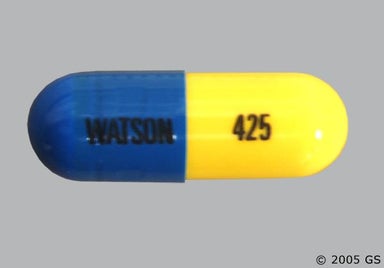
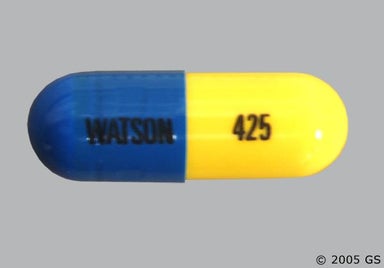
Fiorinal with Codeine images