


6 Briviact Side Effects and How to Manage Them
Brivaracetam, sold as Briviact, is an antiseizure medication for people with epilepsy. Here are six risks and side effects of Briviact and when to talk to your neurologist.
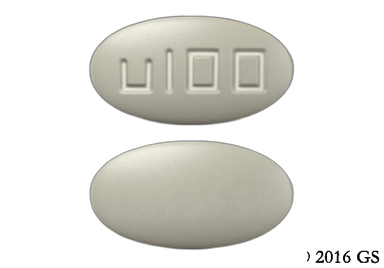
Briviact (brivaracetam) is used to treat partial-onset seizures (also known as focal onset aware seizures). It's approved for adults and children ages 1 month and older. This antiepileptic medication works by helping to calm brain activity. Briviact (brivaracetam) comes as a tablet and oral solution that you take by mouth twice a day. It also comes as an injection given into the vein (IV) by a healthcare professional when in the hospital. Side effects include drowsiness and dizziness. As of mid 2025, there's no generic version of this medication available.

Briviact (brivaracetam) is an antiepileptic medication. It's not entirely clear how this medication works. But it's thought to calm your brain activity to stop seizures from happening.
| Common Brands | Briviact |
|---|---|
| Drug Class | Antiepileptic |
| Controlled Substance Classification | Schedule V |
| Generic Status | Lower-cost generic available |
| Availability | Prescription only |

Briviact (brivaracetam) can cause some serious health issues. This risk may be even higher for certain groups. If this worries you, talk to your doctor or pharmacist about other options.
Antiepileptic medications like Briviact (brivaracetam) can raise your risk of having thoughts about suicide or hurting yourself. Watch for signs of new or worse depression and any unusual changes in mood, especially in the first few months of treatment.
Tell your prescriber if you or your loved ones notice any changes that are worrisome. Call 911 right away if you think about hurting yourself.
Briviact (brivaracetam) can make you feel sleepy, tired, or weak. It can also make you feel dizzy or have problems with balance, movement, and coordination. These side effects usually happen when you first start the medication. But they can also happen anytime during treatment.
Don't drive, use machines, or do anything else that needs your full attention until you know how Briviact (brivaracetam) affects you.
Briviact (brivaracetam) can sometimes cause changes in mood, thoughts, or behavior. These can include feeling more irritable, aggressive, angry, or anxious. You might also have a depressed mood or mood swings. Some people have also had hallucinations (seeing or hearing things that aren't real), felt paranoid, or behaved strangely.
If you notice any change in mood, thoughts, or behavior while taking Briviact (brivaracetam), tell your prescriber right away.
Briviact (brivaracetam) can sometimes cause an allergic reaction. Some people had swelling in the face, mouth, lips, tongue, or throat. You might also feel like your throat is tight or have trouble breathing, which can be dangerous. If you have any of these symptoms, stop taking Briviact (brivaracetam) and get medical help right away.
Don't stop taking Briviact (brivaracetam) without talking to your prescriber first. Stopping too suddenly can make your seizures come back. These seizures might happen more often or last longer, which can be dangerous.
If you need to stop taking Briviact (brivaracetam), your prescriber will help you do it safely. They'll usually lower your dose over time before you stop the medication completely.

The following side effects may get better over time as your body gets used to the medication. Let your healthcare provider know immediately if you continue to experience these symptoms or if they worsen over time.
Contact your healthcare provider immediately if you experience any of the following.
Side effects that you should report to your care team as soon as possible:
Side effects that usually do not require medical attention (report these to your care team if they continue or are bothersome):



Tips for the Briviact (brivaracetam) oral solution:

 Bottle of oral solution
| Dosage | Quantity | Price as low as | Price per unit |
|---|---|---|---|
| 300ml of 10mg/ml | 1 bottle | $84.99 | $84.99 |
 Tablet
| Dosage | Quantity | Price as low as | Price per unit |
|---|---|---|---|
| 10mg | 30 tablets | $84.99 | $2.83 |
| 25mg | 60 tablets | $84.99 | $1.42 |
| 50mg | 60 tablets | $84.99 | $1.42 |
| 75mg | 60 tablets | $84.99 | $1.42 |
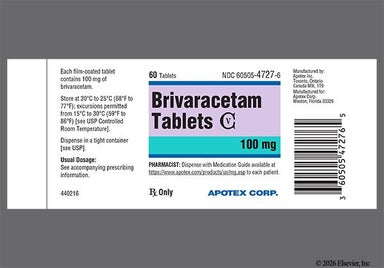
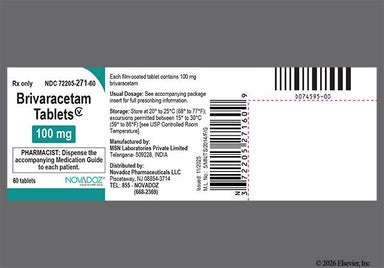
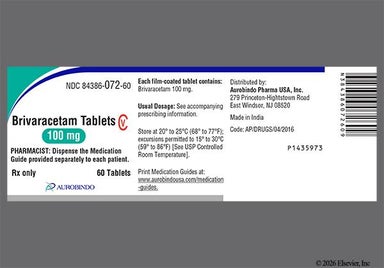
| 100mg | 60 tablets | $84.99 | $1.42 |
 Vial
Vial| Dosage | Quantity | Price as low as | Price per unit |
|---|---|---|---|
| 5ml of 50mg/5ml | 1 vial | $68.43 | $68.43 |
Briviact (brivaracetam) is also available as an injection that's given into the vein (IV). It's given by a healthcare professional at a medical center. It's usually used when you can't take medications by mouth for a short time.
Your dose might differ if you have liver problems or if you take rifampin (Rifadin).






Prescription savings
Stop paying too much for your prescriptions. Compare prices, get pharmacy coupons, and save up to 80%. Find expert answers to your health questions so you can make the best decisions for yourself and your family.
Health conditions
Medications & treatment
Access & affordability
 Our monthly healthcare membership can help you save thousands on your prescription costs.
Resources

Yes, Briviact is a controlled substance. This means that it has a potential for misuse. There are special rules and laws from the government about how it can be prescribed and dispensed. Ask your prescriber or pharmacist if you have more questions about this.
Briviact has a few risks. It might make depression worse and raise the risk of having thoughts about suicide. Other side effects, like feeling sleepy or dizzy, might get better as your body gets used to the medication. Before starting Briviact, tell your prescriber about your full medical history. Also, let them know if you have any side effects that bother or worry you. They can make sure the medication is safe for you.
Briviact and levetiracetam (Keppra) are both seizure medications that work in similar ways. But they have a few key differences. They both treat partial-onset seizures, but Keppra is also used for other types of seizures. There aren't studies that directly compare their side effects. But research shows that Briviact might be less likely to cause mood changes like anger or irritability. Briviact is also a controlled substance, whereas Keppra is not. So Briviact has more rules for how it’s prescribed and dispensed. Talk to your prescriber to compare the medications and see which is best for you.
Traces of Briviact can stay in your system for a few days after your last dose. This is based on the medication's half-life, which helps estimate how long it takes for the body to get rid of it. If you’re worried or have questions about how long Briviact stays in your body, ask your prescriber.
No, you shouldn't crush or cut the Briviact tablets. If you have trouble swallowing them whole, ask your prescriber about your options. They can switch you to the liquid version of the medication.
Not likely. In studies, people taking Briviact didn't report weight gain. This is different from some other seizure medications that can cause weight gain. If you notice weight gain while taking Briviact, talk to your prescriber or primary care provider. They can help figure out what's going on and give you tips to manage it.
In general, it can take a few months of taking Briviact every day to have fewer seizures. Some people in studies noticed a difference even after the first day. But keep in mind that everyone is different. It's important to keep taking Briviact every day, even if you don't see changes right away. Don't stop taking it suddenly because your seizures could come back and get worse. Talk to your prescriber if you have questions about how long it's taking to work for you.
Tell your prescriber if you're pregnant or thinking about getting pregnant. There isn't enough research to know if this medication is safe during pregnancy. But it's very important to keep your seizures under control. Your prescriber will talk with you about the risks and benefits and help decide if Briviact is the right choice for you. They might also suggest other safe options. If you decide to keep taking Briviact while pregnant, you're encouraged to join the North American Antiepileptic Drug (NAAED) Pregnancy Registry. This program helps researchers learn more about how seizure medications are during pregnancy.
