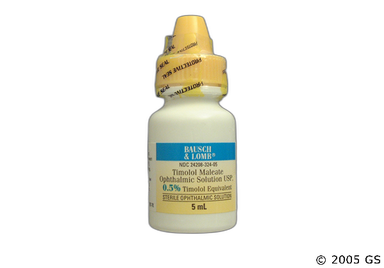
timolol
Betimol (timolol) is a brand-name eye drop medication that's used to lower pressure within the eye and treat glaucoma in adults. This medication is a beta blocker. It can be used by itself or together with other eye drops that aren't beta blockers. Betimol works just as well as generic timolol eye drops, but it might cause side effects like burning and stinging in the eye.


What is Betimol (timolol)?
What is Betimol (timolol) used for?
- High pressure in the eye caused by ocular hypertension (high pressure inside the eye) or open-angle glaucoma (the most common type of glaucoma)
How Betimol (timolol) works
Betimol (timolol) is a beta blocker that lowers the amount of fluid in the eye. When there's less fluid inside the eye, the eye pressure goes down.
Drug facts
| Common Brands | Betimol |
|---|---|
| Drug Class | Beta blocker |
| Controlled Substance Classification | Not a controlled medication |
| Generic Status | Lower-cost generic available |
| Availability | Prescription only |

Side effects of Betimol (timolol)
The following side effects may get better over time as your body gets used to the medication. Let your healthcare provider know immediately if you continue to experience these symptoms or if they worsen over time.
Common Side Effects
- Temporary burning or stinging in the eye after using
Less Common Side Effects
- Dry eyes
- Itchy eyes
- Feeling like there's something in your eye
- Eye discomfort
- Eye pain
- Red eyes
- Eyelid redness
- Headache
- Dizziness
- Common cold symptoms
Betimol (timolol) serious side effects
Contact your healthcare provider immediately if you experience any of the following.
- Trouble breathing: shortness of breath, wheezing, chest tightness
- Heart failure: shortness of breath; fatigue; swelling in the legs, ankles and feet
- Allergic reactions: rash around your eyes or face, closing of the throat, hives, swelling
More on Betimol (timolol) side effects
The following Betimol (timolol) side effects have also been reported
Along with its needed effects, a medicine may cause some unwanted effects. Although not all of these side effects may occur, if they do occur they may need medical attention.
Check with your doctor immediately if any of the following side effects occur:
More common
Chest pain or discomfort
lightheadedness, dizziness, or fainting
shortness of breath
slow or irregular heartbeat
unusual tiredness
Rare
Noisy breathing
small clicking, bubbling, or rattling sounds in the lung when listening with a stethoscope
swelling of hands, ankles, feet, or lower legs
Get emergency help immediately if any of the following symptoms of overdose occur:
Symptoms of overdose
Blurred vision
continuing ringing or buzzing or other unexplained noise in ears
headache
hearing loss
nervousness
pounding in the ears
sweating
Some side effects may occur that usually do not need medical attention. These side effects may go away during treatment as your body adjusts to the medicine. Also, your health care professional may be able to tell you about ways to prevent or reduce some of these side effects. Check with your health care professional if any of the following side effects continue or are bothersome or if you have any questions about them:
Rare
Acid or sour stomach
belching
burning, crawling, itching, numbness, prickling, "pins and needles", or tingling feelings
decreased interest in sexual intercourse
feeling of constant movement of self or surroundings
inability to have or keep an erection
indigestion
lack or loss of strength
loss in sexual ability, desire, drive, or performance
sensation of spinning
stomach discomfort, upset, or pain
Other side effects not listed may also occur in some patients. If you notice any other effects, check with your healthcare professional.
Call your doctor for medical advice about side effects. You may report side effects to the FDA at 1-800-FDA-1088.

Get your GoodRx coupon

Pros and cons of Betimol (timolol)
Pros
- Works well to treat high eye pressure
- Might cause less burning, stinging, and tearing than some other timolol eye drops
- Usually only taken once or twice daily
Cons
- Contains a preservative that might absorb into contact lenses if they're not taken out when using the eye drops
- Shouldn't use if you have asthma or other lung problems
- Risk of similar side effects as timolol tablets since some medication can absorb into your bloodstream

Pharmacist tips for Betimol (timolol)

- Wash your hands before putting Betimol (timolol) drops in your eye(s). Make sure the dropper tip doesn't touch your eye or any other surface and that you don't touch the tip with your hands. This helps prevent the eye drops from getting contaminated with germs so that you're less likely to get an eye infection.
- If you wear contact lenses, remove them before you place Betimol (timolol) into your eye(s). Then, wait 5 minutes after you use the medication to put your contacts back in your eye(s).
- After placing a drop of Betimol (timolol) in the eye, close your eye and lightly press one finger to the inner corner of your eye by the nose for 1 minute. This helps your eye absorb the drop of medication.
- If you need to use Betimol (timolol) in addition to other eye drops or ointments, wait 5 minutes between each product to give your eyes time to absorb each medication.
- It's not easy to tell whether your eye pressure is improving at home. Make sure to use Betimol (timolol) as prescribed, even if you don't notice any differences in your symptoms or vision straight away.

Risks and warnings for Betimol (timolol)
Betimol (timolol) can cause some serious health issues. This risk may be even higher for certain groups. If this worries you, talk to your doctor or pharmacist about other options.
Higher risk for heart failure
- Risk factors: Congestive heart failure | Second- or third-degree heart block
In rare cases, some people developed heart failure while they used beta blocker medications like Betimol (timolol). People who already have heart failure might be at risk for worsening heart problems with this medication. Tell your healthcare team about your medical history. And talk to your primary care provider if you notice swelling in your feet or ankles, a fast or irregular pulse, or shortness of breath when you lie down or exercise. These might be signs of heart problems.
Not recommended for people with breathing peoples
- Risk factors: History of asthma | History of chronic obstructive pulmonary disease (COPD) | History of other lung problems
Beta blocker medications like Betimol (timolol) usually aren't recommended for people with lung problems, like asthma and COPD. This is because beta blockers can cause the airways to become narrower, which can make it harder to breathe. But the risk for breathing problems specifically with Betimol (timolol) isn't well known. So make sure your care team knows if you have or have ever had any lung problems or conditions before you start using this medication to check whether it's safe for you.
Hidden symptoms of low blood sugar
- Risk factors: Diabetes
Beta blockers can cause people with diabetes to not notice symptoms of low blood sugar, except for sweating and dizziness. It's possible for some Betimol (timolol) to be absorbed into your bloodstream and cause this effect. So though rare, it's important to be aware of this risk. Talk to your primary care provider to see whether you should check your blood sugar more often if you're using Betimol (timolol).
Hidden symptoms of overactive thyroid
Beta blockers can cause people with an overactive thyroid to not recognize the signs of hyperthyroidism, such as a fast heart rate. It's possible for some Betimol (timolol) to be absorbed into your bloodstream and cause this effect. Although rare, it's good to be aware of this risk. Make sure your primary care provider knows that you're using Betimol (timolol) so they can monitor your thyroid problem more closely.
Worsening of myasthenia gravis
In some rare cases, Betimol (timolol) can worsen symptoms like muscle weakness in people who have myasthenia gravis. Watch out for worsening symptoms if you have myasthenia gravis and let your care team know if this happens to you.

Betimol (timolol) dosage
 Eye dropper
| Dosage | Quantity | Price as low as | Price per unit |
|---|---|---|---|
| 15ml of 0.5% | 1 eye dropper | $9.96 | $9.96 |
| 5ml of 0.5% | 1 eye dropper | $9.50 | $9.50 |
| 10ml of 0.5% | 1 eye dropper | $10.47 | $10.47 |
Typical dosage for Betimol (timolol)
The typical starting dose is 1 drop in the affected eye(s) twice daily.
If your eye pressure comes down and stays down, your dose might be lowered to 1 drop in the affected eye(s) once daily.

Interactions between Betimol (timolol) and other drugs
Although certain medicines should not be used together at all, in other cases two different medicines may be used together even if an interaction might occur. In these cases, your doctor may want to change the dose, or other precautions may be necessary. When you are taking this medicine, it is especially important that your healthcare professional know if you are taking any of the medicines listed below. The following interactions have been selected on the basis of their potential significance and are not necessarily all-inclusive.
Using this medicine with any of the following medicines is usually not recommended, but may be required in some cases. If both medicines are prescribed together, your doctor may change the dose or how often you use one or both of the medicines.
- Albuterol
- Ceritinib
- Crizotinib
- Dronedarone
- Fenoldopam
- Fingolimod
- Formoterol
- Indacaterol
- Iobenguane I 131
- Iohexol
- Lacosamide
- Levalbuterol
- Olodaterol
- Oxymetazoline
- Paroxetine
- Ponesimod
- Rivastigmine
- Salmeterol
- Terbutaline
- Vilanterol
Using this medicine with any of the following medicines may cause an increased risk of certain side effects, but using both drugs may be the best treatment for you. If both medicines are prescribed together, your doctor may change the dose or how often you use one or both of the medicines.
- Aceclofenac
- Acemetacin
- Amtolmetin Guacil
- Aspirin
- Bromfenac
- Bufexamac
- Celecoxib
- Choline Salicylate
- Clonixin
- Dexibuprofen
- Dexketoprofen
- Diclofenac
- Diflunisal
- Dipyrone
- Droxicam
- Etodolac
- Etofenamate
- Etoricoxib
- Felbinac
- Fenoprofen
- Fepradinol
- Feprazone
- Floctafenine
- Flufenamic Acid
- Flurbiprofen
- Ibuprofen
- Indomethacin
- Ketoprofen
- Ketorolac
- Lornoxicam
- Loxoprofen
- Lumiracoxib
- Meclofenamate
- Mefenamic Acid
- Meloxicam
- Morniflumate
- Nabumetone
- Naproxen
- Nepafenac
- Niflumic Acid
- Nimesulide
- Nimesulide Beta Cyclodextrin
- Oxaprozin
- Oxyphenbutazone
- Parecoxib
- Phenylbutazone
- Piketoprofen
- Piroxicam
- Pranoprofen
- Proglumetacin
- Propyphenazone
- Proquazone
- Rofecoxib
- Salicylic Acid
- Salsalate
- Sodium Salicylate
- St John's Wort
- Sulindac
- Tenoxicam
- Tiaprofenic Acid
- Tolfenamic Acid
- Tolmetin
- Valdecoxib

How much does Betimol (timolol) cost?

Betimol (timolol) contraindications
Contraindications are specific health conditions or situations in which a person should not take a medication due to safety concerns. If you have any of the following conditions or if any of the following apply to you, let your healthcare provider know because Betimol (timolol) will not be safe for you to take.
- Asthma
- Chronic obstructive pulmonary disease (COPD)
- Sinus bradycardia (slow heart rate)
- Second- or third-degree heart block
- Heart failure
- Cardiogenic shock

What are alternatives to Betimol (timolol)?

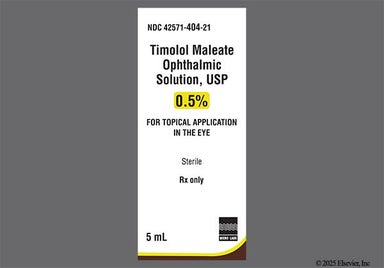
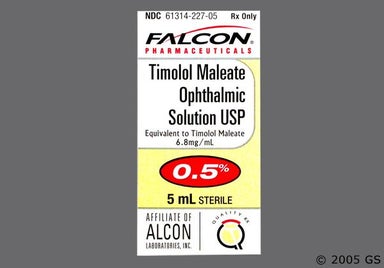
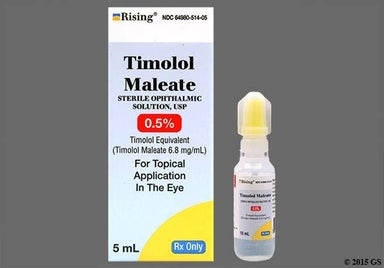
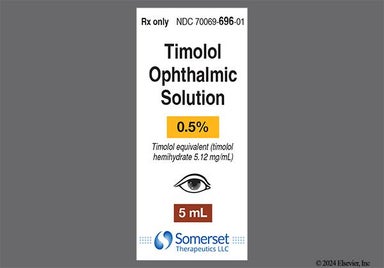
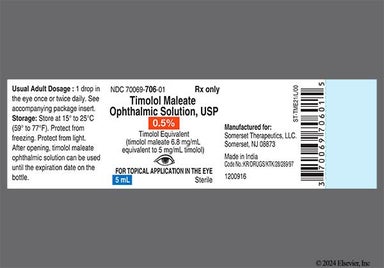
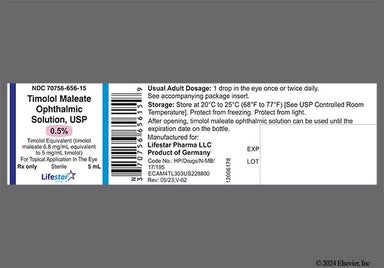
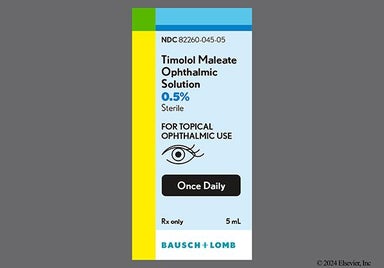
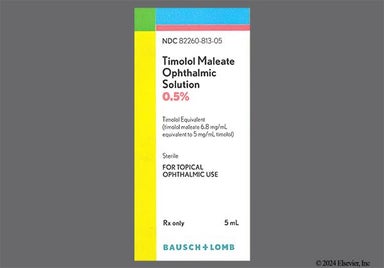
Betimol (timolol) images