



New Deeper Discounts on Over 500 Drugs Through GoodRx Gold
This month, GoodRx is excited to announce deeper discounts through GoodRx Gold, our membership program that can save you up to 90% on your medications.
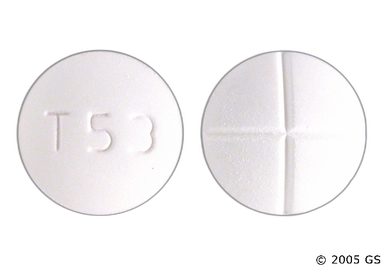
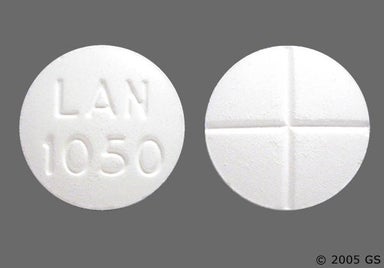
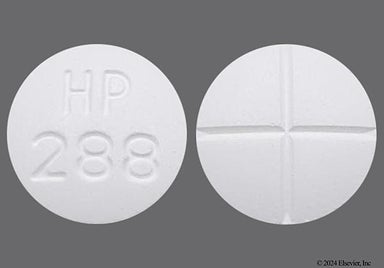
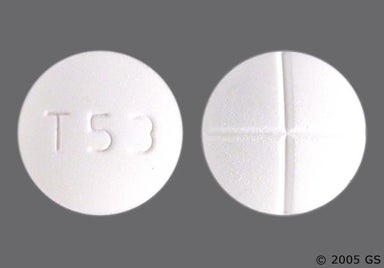
Acetazolamide is used to treat altitude sickness (mountain sickness). It can also help with glaucoma, edema (swelling), and epilepsy (a seizure condition). Acetazolamide can have side effects such as tiredness, stomach upset, and sometimes numbness and tingling of the face, arms, or legs. This medication comes as a generic immediate-release (IR) tablet and extended-release (ER) capsule; the brand-name Diamox is no longer available.

Acetazolamide is a carbonic anhydrase inhibitor that affects your body's fluid and acid-base balance.
For altitude sickness, it allows your body to use oxygen better at high altitudes.
To help with edema in the body, acetazolamide removes extra water and electrolytes from your body and pass them into your urine. In addition, the medication lowers the amount of fluid in your eyes to treat glaucoma.
Though unclear, acetazolamide appears to calm your nervous system to help with seizures.
| Common Brands | Diamox |
|---|---|
| Drug Class | Carbonic anhydrase inhibitor |
| Controlled Substance Classification | Not a controlled medication |
| Generic Status | Lower-cost generic available |
| Availability | Prescription only |

The following side effects may get better over time as your body gets used to the medication. Let your healthcare provider know immediately if you continue to experience these symptoms or if they worsen over time.
Contact your healthcare provider immediately if you experience any of the following.
Along with its needed effects, a medicine may cause some unwanted effects. Although not all of these side effects may occur, if they do occur they may need medical attention.
Check with your doctor immediately if any of the following side effects occur:
Rare
Shortness of breath or trouble in breathing
Check with your doctor as soon as possible if any of the following side effects occur:
More common
Unusual tiredness or weakness
Less common
Blood in urine
difficult urination
mental depression
pain in lower back
pain or burning while urinating
sudden decrease in amount of urine
Also, check with your doctor if you have any changes in your vision (especially problems with seeing faraway objects) when you first begin taking this medicine.
Some side effects may occur that usually do not need medical attention. These side effects may go away during treatment as your body adjusts to the medicine. Also, your health care professional may be able to tell you about ways to prevent or reduce some of these side effects. Check with your health care professional if any of the following side effects continue or are bothersome or if you have any questions about them:
More common
general feeling of discomfort or illness
increase in frequency of urination or amount of urine (rare with methazolamide)
loss of appetite
metallic taste in mouth
nausea or vomiting
numbness, tingling, or burning in hands, fingers, feet, toes, mouth, lips, tongue, or anus
Less common or rare
dizziness or lightheadedness
drowsiness
feeling of choking or lump in the throat
headache
increased sensitivity of eyes to sunlight
loss of taste and smell
nervousness or irritability
Other side effects not listed may also occur in some patients. If you notice any other effects, check with your healthcare professional.
Call your doctor for medical advice about side effects. You may report side effects to the FDA at 1-800-FDA-1088.




Acetazolamide can cause some serious health issues. This risk may be even higher for certain groups. If this worries you, talk to your doctor or pharmacist about other options.
Acetazolamide can cause electrolyte imbalances in your blood, including low sodium and potassium levels. It can also sometimes cause too much acid to build up in the body (metabolic acidosis). You might be at higher risk of these imbalances if you have kidney or breathing problems. Let your provider know if you experience nausea, muscle cramps, tiredness, weakness, rapid breathing, or confusion, as these can be signs of acid-base or electrolyte imbalances.
Acetazolamide can cause changes to your blood sugar levels. If you have diabetes, continue to check your blood sugar levels while you're taking acetazolamide. Let your provider know if your blood sugar levels are higher than usual. Also make sure you know how to recognize and treat low blood sugar, should it happen. Let your healthcare provider know if you experience symptoms of low blood sugar, such as shakiness, anxiety, or rapid heartbeat.
Don't take high-dose aspirin with acetazolamide. These two medications interact with each other, possibly causing loss of appetite, breathing problems, tiredness, or even coma or death. Ask your healthcare provider before taking either acetazolamide or aspirin if you're already taking the other to make sure it's safe to do so.
It's possible to have an allergic reaction to acetazolamide. These reactions can be life-threatening and can include skin rashes, fever, blood problems, and anaphylaxis (closing of the throat). Acetazolamide is a sulfonamide medication; you might be at risk for allergic reactions to the medication if you have a sulfonamide (sulfa) allergy. In addition, some acetazolamide extended-release capsules contain FD&C Yellow No. 6 coloring dye, which some people might be sensitive to. If you have signs of an allergic reaction, like hives, blistered or peeling skin, trouble breathing, or swelling of your tongue or throat, stop using acetazolamide and get medical help right away.
It isn't known whether acetazolamide can harm an unborn baby when it's taken during pregnancy. But in animal studies, acetazolamide caused birth defects. Because of this risk, this medication should only be used during pregnancy if the benefits are greater than the potential risks. If you're pregnant or planning to become pregnant, discuss with your healthcare provider to see whether acetazolamide is safe for you to take.


Although certain medicines should not be used together at all, in other cases two different medicines may be used together even if an interaction might occur. In these cases, your doctor may want to change the dose, or other precautions may be necessary. When you are taking any of these medicines, it is especially important that your healthcare professional know if you are taking any of the medicines listed below. The following interactions have been selected on the basis of their potential significance and are not necessarily all-inclusive.
Using medicines in this class with any of the following medicines is not recommended. Your doctor may decide not to treat you with a medication in this class or change some of the other medicines you take.
Using medicines in this class with any of the following medicines is usually not recommended, but may be required in some cases. If both medicines are prescribed together, your doctor may change the dose or how often you use one or both of the medicines.


Contraindications are specific health conditions or situations in which a person should not take a medication due to safety concerns. If you have any of the following conditions or if any of the following apply to you, let your healthcare provider know because Acetazolamide will not be safe for you to take.




Prescription savings
Stop paying too much for your prescriptions. Compare prices, get pharmacy coupons, and save up to 80%. Find expert answers to your health questions so you can make the best decisions for yourself and your family.
Health conditions
Medications & treatment
Access & affordability
 Our monthly healthcare membership can help you save thousands on your prescription costs.
Resources

Though very rare, blood problems might happen if you have a severe allergic reaction to Acetazolamide. These blood problems can include having low red blood cells (anemia) and can be serious. But it's not exactly known how reactions to Acetazolamide cause blood problems. Let your healthcare provider know right away if you experience any symptoms of anemia, such as tiredness, dizziness, and weakness, while you're taking Acetazolamide.
While Acetazolamide isn't classified as a diuretic medication, it does have some diuretic-like effects. Acetazolamide can work on the kidneys to help move extra water and electrolytes from the body into the urine. This is especially helpful for people with fluid buildup in the body (edema), such as in heart failure.
No, you won't be able to find Acetazolamide over the counter to purchase. Acetazolamide is only available at the pharmacy with a prescription from your healthcare provider.
The manufacturer doesn't give recommendations whether you can drink alcohol with Acetazolamide or not. But in general, alcohol and Acetazolamide both can make you feel drowsy or dizzy. So drinking alcohol while you're taking Acetazolamide might worsen these side effects and raise your risk for accidental injuries.
While Acetazolamide isn't used to treat heart failure, it's approved for use to help relieve a symptom of heart failure — edema (swelling due to fluid buildup in the body). Acetazolamide helps move extra fluids and electrolytes from the body and into the urine. This might help relieve swelling in the body that people with heart failure commonly experience. Keep in mind that current heart failure guidelines don't mention Acetazolamide as an option to help with edema. So your healthcare provider might recommend other diuretics ("water pills") to lower heart-failure-related edema.
If you're pregnant or thinking of becoming pregnant, speak with your healthcare provider about whether you can take Acetazolamide. There haven't been enough studies about Acetazolamide use in pregnant women. But based on animal studies, the medication might cause harm to unborn babies. For this reason, Acetazolamide should only be used during pregnancy if the benefits are greater than the potential risks. Your provider can discuss the risks and benefits of taking Acetazolamide to see whether it's right for you or help find safer alternatives for you.
