



Zoloft for Depression: Important Things to Know Before Taking This Antidepressant
Zoloft is a popular antidepressant, but it’s important to know its potential side effects. Here's what side effects to expect during your first week and beyond.
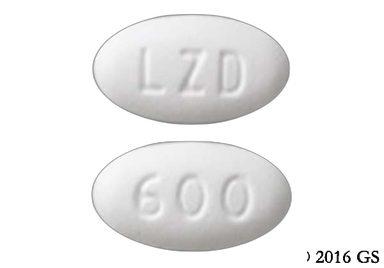
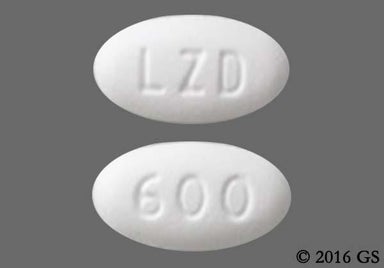
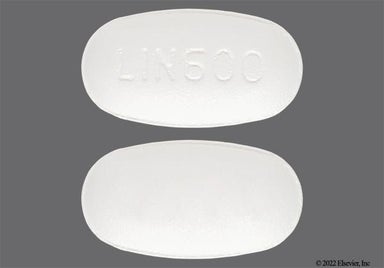
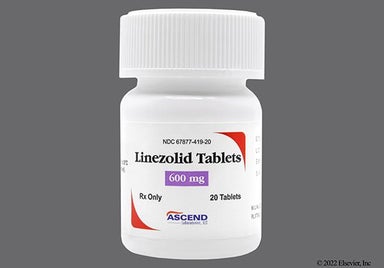
Linezolid (Zyvox) is an oxazolidinone antibiotic that's used to treat adults and children with certain bacterial infections, such as pneumonia and skin infections. This antibiotic can help fight hard-to-treat infections caused by certain bacteria, such as MRSA and VRE. Linezolid (Zyvox) is available as a tablet, powder for suspension, and injection. It's typically taken every 8 or 12 hours. Some side effects include nausea, diarrhea, and headache. This antibiotic also has a rare but serious risk for serotonin syndrome from interactions with medications like antidepressants.

Linezolid (Zyvox) is an oxazolidinone antibiotic. It works by stopping bacteria from being able to make certain proteins. This blocks bacteria from growing, spreading, and being able to survive.
| Common Brands | Zyvox |
|---|---|
| Drug Class | Oxazolidinone antibiotic |
| Controlled Substance Classification | Not a controlled medication |
| Generic Status | Lower-cost generic available |
| Availability | Prescription only |

The following side effects may get better over time as your body gets used to the medication. Let your healthcare provider know immediately if you continue to experience these symptoms or if they worsen over time.
Adults
Children
Contact your healthcare provider immediately if you experience any of the following.
Side effects that you should report to your care team as soon as possible:
Side effects that usually do not require medical attention (report these to your care team if they continue or are bothersome):



More tips for linezolid (Zyvox) oral suspension:

Linezolid (Zyvox) can cause some serious health issues. This risk may be even higher for certain groups. If this worries you, talk to your doctor or pharmacist about other options.
Some people who took linezolid (Zyvox) had a drop in the amount of red blood cells, white blood cells, and platelets in the body. Having a lower-than-normal blood cell count can put you at risk for anemia, infections, and easy bruising. But in most cases, blood cell counts go back to usual after you stop taking the antibiotic.
During treatment, your prescriber might order blood draws to check your blood cell counts. Tell your care team if you have symptoms of anemia (e.g., tiredness, headache, pale skin, fast heart rate), infection (e.g., fever, chills, tiredness, cough, body aches, runny nose), or easy bleeding or bruising.
Some people who took linezolid (Zyvox) developed nerve damage in the arms, legs, or eyes. Nerve damage might be more likely to happen if you take the antibiotic for longer than 4 weeks. Nerve damage in the eye can sometimes lead to vision loss.
Talk to a healthcare professional (HCP) if you experience any numbness, tingling, or weakness in the arms or legs or if you notice changes in your vision (e.g., blurry vision, changes in color vision). It's best to see an eye specialist to get your eyes checked if you're taking linezolid (Zyvox) for a long period of time.
Taking linezolid (Zyvox) with other medications that can raise your serotonin levels can lead to a life-threatening condition called serotonin syndrome. This condition happens when there's too much serotonin in the brain.
Examples of medications that can interact with linezolid (Zyvox) in this way include certain antidepressants, mental health medications, opioid medications, and migraine medications. Be sure to tell your healthcare team about all of the medications you're taking before and during treatment with linezolid (Zyvox). Your healthcare team can decide whether you need any adjustments to your medications to lessen the risk for serotonin syndrome.
Get medical help right away if you have any symptoms of serotonin syndrome, like fast heart rate, sweating, muscle stiffness or spasms, fever, and confusion.
Linezolid (Zyvox) can raise your risk of getting infected with a bacteria called Clostridioides difficile (C. diff). Antibiotics change the amount of normal bacteria in your stomach and intestines. This can cause C. diff to overgrow in your gut and lead to an infection. C. diff infection can cause severe diarrhea.
It's important to recognize the difference between diarrhea as a side effect of linezolid (Zyvox) and C. diff-related diarrhea. This type of infectious diarrhea can cause fever, rapid heart rate, nausea, foul-smelling diarrhea, and frequent bowel movements (even up to 15 times per day). It's a medical emergency, so get medical help right away if you have any of these symptoms. You'll need to get tested for C. diff infection and get appropriate treatment.
Although rare, some people have had lactic acidosis while they were taking linezolid (Zyvox). Lactic acidosis is a medical condition that happens when there's too much lactic acid in the blood. Get medical help right away if you experience any symptoms of lactic acidosis, like rapid breathing and repeated episodes of nausea and vomiting, while you're taking this antibiotic. You'll need to get your blood drawn to check if you have lactic acidosis.
Some people have had seizures when they were treated with linezolid (Zyvox). Before you start taking this antibiotic, be sure to let the prescriber know if you have a history of seizures or a medical condition that puts you at risk for having seizures.
Some people with diabetes who use insulin or take other diabetes medications have had episodes of low blood sugar while they took linezolid (Zyvox). Although it's not clear whether this antibiotic causes low blood sugar, it's important for people with diabetes to be aware of this risk. Check your blood sugar level right away if you have any signs of low blood sugar, such as dizziness, sweating, drowsiness, weakness, and confusion. Treat your low blood sugar and call your primary care provider right away.
Some people developed low sodium levels in the blood when they took linezolid (Zyvox). People at risk, such as older adults and those taking diuretics, might need to get their blood sodium levels checked while they're taking this antibiotic. Get medical help right away if you feel weak or confused or if you have difficulty concentrating, headache, or memory problems. These could be signs of low blood sodium levels, which is a medical emergency.
The linezolid (Zyvox) suspension contains phenylalanine, which is a component of the artificial sweetener aspartame. Tell your healthcare team if you have phenylketonuria, a genetic condition that happens when the body has trouble processing phenylalanine. Taking the suspension form of linezolid (Zyvox) might be dangerous for you. Your prescriber might need to switch you to a different form of linezolid (Zyvox) or a different antibiotic.

Most of the time, treatment will last 10 to 14 days. Treatment for more serious infections can last up to 4 weeks.
Linezolid (Zyvox) can also be given as an infusion into the vein (IV) by a healthcare professional to treat more serious infections.


Contraindications are specific health conditions or situations in which a person should not take a medication due to safety concerns. If you have any of the following conditions or if any of the following apply to you, let your healthcare provider know because Linezolid (Zyvox) will not be safe for you to take.







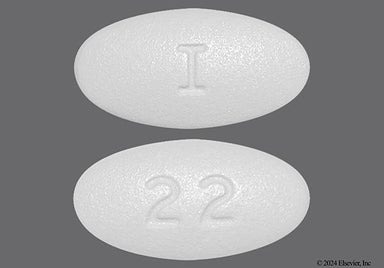
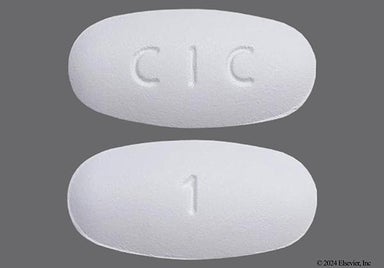


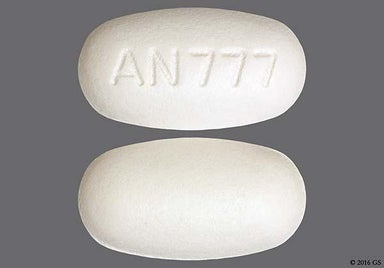
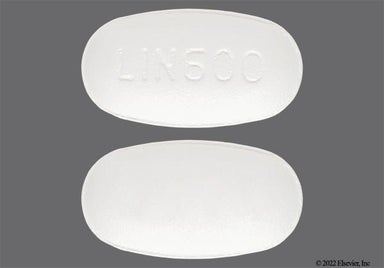
Prescription savings
Stop paying too much for your prescriptions. Compare prices, get pharmacy coupons, and save up to 80%. Find expert answers to your health questions so you can make the best decisions for yourself and your family.
Health conditions
Medications & treatment
Access & affordability
Medication discounts

A single dose of Linezolid can stay in your system for about a day and a half. This time frame is estimated based on the half-life of Linezolid. The half-life is a measure of the time it takes for the medication to leave the body.
How long the side effects of Linezolid last depends on what symptoms you're experiencing. Sometimes, side effects like diarrhea, nausea, or vomiting might get better as you continue to take the medication. But they generally should go away when you stop treatment. Be sure to stay hydrated, avoid greasy and spicy foods, and eat smaller meals more frequently throughout the day to help with these side effects. Other rare but serious side effects, like low blood cell counts or nerve damage, might take longer to recover from. Discuss with your healthcare team if you have a question about any specific Linezolid side effect.
Yes, Linezolid covers (treats) methicillin-resistant Staphylococcus aureus (also known as MRSA). MRSA is a type of bacteria that's typically hard to treat since many antibiotics don't work against it.
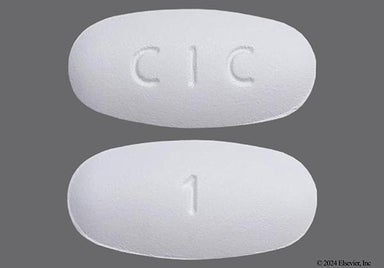
No, Linezolid tablets can't be crushed because they have a film coat around them. Crushing the tablet can ruin the film coat, which can damage the medication. Ask your prescriber about switching you to the powder for oral suspension (liquid) form of Linezolid if you're having trouble swallowing the tablets.
Serotonin syndrome is a rare but serious risk with Linezolid. This antibiotic raises the levels of a chemical called serotonin in the brain. Too much serotonin can cause serotonin syndrome, which can be life-threatening. Your risk is higher if you take Linezolid with other medications that raise serotonin levels, such as certain antidepressants (e.g., SSRIs, MAOIs), migraine medications called triptans, or some nausea medications like ondansetron (Zofran). Make sure to tell your healthcare team and pharmacist about all the medications you're taking or planning to take. They can check for your risk for serotonin syndrome and make sure your medications are safe to take together.
It might be best to limit the amount of coffee you drink while you're taking Linezolid. Ask your prescriber how much coffee you can have while you're taking this antibiotic. Coffee can have tyramine in it. And Linezolid can raise the tyramine levels in your body. There's a risk that you might have too much tyramine in your body if you drink too much coffee while you're taking this antibiotic. Too much tyramine can cause a severe rise in blood pressure, which can be a medical emergency.
Ask a healthcare professional or pharmacist whether it's safe and appropriate for you to take a probiotic with Linezolid. A probiotic might help lower your risk of developing a rare, but serious form of diarrhea caused by a Clostridium difficile (C. diff) bacterial infection while you're taking Linezolid. Make sure to separate the probiotic from Linezolid by at least 2 hours to prevent the antibiotic from killing the "good" bacteria in the probiotic if you take a probiotic.
It depends on the specific type of bacteria. Linezolid is bactericidal against most streptococcal strains of bacteria and bacteriostatic against staphylococci and enterococci strains of bacteria. "Bactericidal" means that the antibiotic kills the bacteria. On the other hand, "bacteriostatic" means that the antibiotic stops the bacteria from dividing and growing, but it doesn't kill the bacteria that's already in the body. Some research shows that there are no significant differences in how well bacteriostatic and bactericidical antibiotics work to treat an infection.
