Key takeaways:
Quality sleep can lead to better physical health, mental health, and cognitive functioning.
Your medical conditions, environment, and lifestyle choices may impact your sleep quality.
If you are concerned about how to get better sleep, talk to a medical provider to see if you need further testing or treatment.
You probably know what good sleep feels like. Lauri Leadley, CCSH, RPSGT, president and clinical sleep educator at Valley Sleep Center in Phoenix, Arizona, says good sleep includes:
Feeling energized after waking up
Falling asleep quickly
Not having sleep disturbances
Being on a consistent sleep schedule
But what happens if you’re struggling to get enough rest? If you are, you’re certainly not alone. One-third of Americans say they aren’t experiencing a good night’s rest. However, you may only need to make a few adjustments to your routine to get more satisfying shuteye.
Search and compare options
25 ways to get better sleep
If you’re one of the millions of people who aren’t getting enough rest, here are some things you can do to set yourself up for a good night’s sleep. This can help you enjoy the health benefits of sleep.
1. Keep noise levels low
Keep your sleep environment as quiet as possible. Also try experimenting with earplugs while you sleep. You might be waking up from noise more often than you think.
2. Lower your room temperature
Your core temperature naturally lowers in preparation for sleep. You can encourage this by setting your thermostat between 60°F to 67°F degrees.
3. Use light to your advantage
Avoiding blue light and bright lights before bed helps regulate your circadian rhythm and prepares you for sleep. Dim your bedroom lights before bedtime to help.
4. Pick the right mattress
Even with the proper schedule, you won’t sleep well if you aren’t comfortable. See if your mattress is too old, too small, or doesn’t support your body where needed. You can also consider adding a mattress topper for more comfort.
5. Ditch electronics an hour before bed
By opting for more meditative and relaxing activities before bed, you avoid being overstimulated by electronics. Otherwise, you may have a harder time falling asleep and may have more restless sleep.

Read more like this
Explore these related articles, suggested for readers like you.



6. Use the bedtime relaxation method that works best for you
Whether it’s soundscapes, a sleep story podcast, or a guided meditation, there’s something relaxing for everyone.
7. Avoid the bedroom until bedtime
Sleep is more challenging if you’ve been sitting on your bed studying or watching TV all day. Avoid the bedroom (or at least your bed) until about 1 hour before bed.
8. Try aromatherapy
Aromatherapy — surrounding yourself with pleasant or calming smells — can help the body relax by easing anxiety and stress. Speak with a healthcare provider to find a type of aromatherapy that is safe and effective for you.
9. Use cognitive behavioral therapy
Is looking at the clock and feeling anxious keeping you awake? CBT can help you manage intrusive thoughts about sleep so it’s easier to get some rest.
10. Take medications at the correct time
Speak with your provider to ensure your medication schedule optimizes your sleep. Certain medications may impact:
Sleepiness
Sleep quality
Anxiety levels
Breathing
Heart rate
Metabolism
11. Avoid caffeine at least 6 hours before bed
Caffeine leaves the body slowly over the day. Avoiding the stimulant well before bedtime allows your body to relax so you can stick to a consistent sleep schedule. Don’t forget that caffeine isn’t just in coffee; it’s also in some teas, sodas, and chocolate.
12. Avoid alcohol 4 hours before bed
Experts recommend avoiding alcohol at least 4 hours before bedtime. Although alcohol may make you feel relaxed, it’s linked to poor sleep duration and quality.
13. Don’t use nicotine 4 hours before bed
Similar to alcohol, nicotine causes fragmented and low-quality sleep.
14. Watch for any underlying medical issues
Sleep can be affected by many medical conditions, from thyroid issues to mental health diagnoses. Talk to your provider if you have trouble sleeping. You may need additional testing or treatments to manage condition-related sleep problems.
15. Try sleep tracking
By analyzing your sleep data, you can learn how to get better sleep. For example, if you notice that you tend to have your deepest sleep before 1AM or that your latest sleep cycle ends around 6:30AM, you can adjust your routine accordingly. There are sleep apps that can help you track your sleep.
16. Avoid naps during the day
Although a short 15-minute nap might help you get through the day, daytime naps can disrupt your sleep later on by impacting your circadian rhythm.
17. Don’t exercise too close to bedtime
You can improve your sleep quality by getting enough activity and exercise during the day. But try to avoid exercising 1 to 2 hours before bed. Otherwise, you may have trouble getting to sleep.
18. Hydrate long before sleeping
Drinking water late at night will cause you to make multiple trips to the bathroom. Take only small sips 1 to 2 hours prior to sleeping.
19. Try sleeping on your side
Unless you have an injury, many sleep experts recommend trying a side-lying position. This sleep position may improve your airflow and remove pressure from the back and neck.
20. Watch your diet
Meals late at night may cause trouble sleeping due to factors like slower stomach digestion. Certain foods before bed may make sleep more difficult. For example, eating spicy or acidic foods late at night can disrupt sleep due to acid reflux.
21. Create a bedtime routine that serves you
Make your bedtime routine something you look forward to. Find what helps you unwind, whether it’s:
Doing a skincare routine
Journaling
Reading a book
22. Try the 15-minute sleep rule
Can’t sleep after 15 minutes? Get out of bed and sit in another room. Wait about 15 to 20 minutes or until you feel sleepy, and then return to bed. Don’t use electronics.
23. Use the 90-minute sleep rule
Usually, sleep cycles fall into 90-minute patterns. By setting your alarm after a 90-minute cycle, you’ll hopefully wake up refreshed at the end of your sleep cycle. When you’re ready to nod off, start your timer. You can also try using a sleep app that helps set your alarm for the end of a sleep cycle.
24. Take a warm bath or shower
A change in body temperature before bedtime may help you get better sleep. Try taking a warm bath or shower about 1 to 2 hours before bedtime. Researchers believe this warm to cool temperature change may signal to your body that it’s time for sleep.
25. Remember the ‘2-night sleep rule’ to ease anxiety
The 2-night sleep rule suggests that our bodies can run off sleep from up to two previous nights. Even if you’re nervous about missing out on some Zs tonight, know your body will find the energy from somewhere.
Why is getting good sleep important for your health?
The benefits of a good night’s sleep go far beyond your ability to function the next day.
Quality sleep recharges the body. It also allows cells and tissues to repair. And, according to Leadley, regularly getting enough quality sleep provides a mix of physical and mental health benefits, including:
Improved heart health
Reduced Inflammation
Strengthened immune system
Reduced stress
Improved mood
Better memory
When to talk to your doctor about sleep
If you have concerns about your sleep, you may need to speak to your healthcare provider. Leadley explains that if you are consistently struggling to fall asleep or stay asleep, it could result from a chronic problem that needs to be addressed.
Other symptoms that can impact the quality of your sleep and need medical attention include:
Persistent nightmares
Snoring
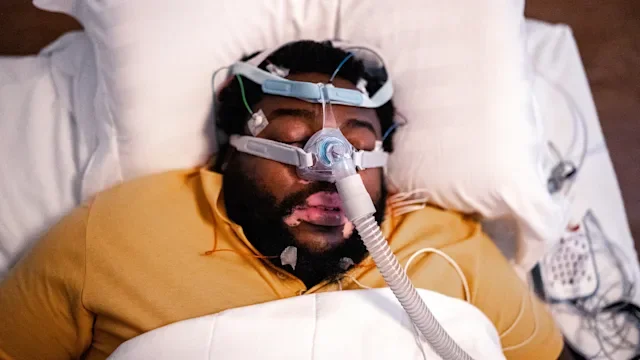
Choking or gasping during sleep
Periods of not breathing during sleep
Excessive daytime fatigue or napping
Morning headaches
The bottom line
If you don’t feel like your sleep is cutting it, try some of these tips. Improving your sleep quality can provide many benefits, like reduced stress, better immune system functioning, and improved mood.
Your provider can give you advice about how to get better sleep and find out if you have underlying conditions that may be impacting your sleep.

Why trust our experts?




References
Amiri, S., et al. (2020). Smoking and risk of sleep-related issues: A systematic review and meta-analysis of prospective studies. Canadian Journal of Public Health.
Centers for Disease Control and Prevention. (2016). 1 in 3 adults don’t get enough sleep.
Colrain, I. M., et al. (2018). Alcohol and the sleeping brain. Handbook of Clinical Neurology.
Crispim, C. A., et al. (2011). Relationship between food intake and sleep pattern in healthy individuals. Journal of Clinical Sleep Medicine.
Farrar, A. J., et al. (2020). Clinical aromatherapy. The Nursing Clinics of North America.
Neilson, S. (2019). A warm bedtime bath can help you cool down and sleep better. Shots Health News from NPR.
Pacheco, D. (2023). Alcohol and sleep. Sleep Foundation.
Pacheco, D. (2023). Best temperature for sleep. Sleep Foundation.
Pacheco, D. (2023). Side sleeping: Which side is best and how to do it. Sleep Foundation.
Patel, A. K., et al. (2022). Physiology, sleep stages. StatPearls.
Suni, E. (2023). GERD and sleep. Sleep Foundation.
U.S. Department of Health and Human Services MyHealthfinder. (2022). Get enough sleep.