Key takeaways:
The best foods for constipation include high-fiber foods, like fruits, beans, vegetables, and whole grains.
Other foods and drinks, including yogurt and coffee, can also help you poop.
Drinking water, taking probiotics, and getting enough exercise are important for helping prevent or relieve constipation.
Try to avoid foods that can contribute to constipation. These include dairy foods, fried foods, and processed foods made with refined grains, such as bread, pasta, and pastries.
Constipation isn’t always easy to talk about, but almost everyone has experienced it at one point or another. Many things affect how well your gut is working, including the foods you eat. Some foods are much better than others for preventing or relieving constipation and helping you poop. Read on to learn more.
High-fiber foods that make you poop
Along with getting regular exercise and drinking plenty of water, eating high-fiber foods can help you poop regularly. Most adults should aim to eat 22 g to 34 g of fiber each day through a variety of foods.
Fiber comes from plants, so if you’re looking to add more high-fiber foods, focus on these food groups.
Search and compare options
1. Fruits
Many fruits are great sources of fiber. Fiber-rich fruits that can help you poop include:
Guavas
Pears
Berries, including raspberries, strawberries, and blueberries
Apples
Prunes
Cherries
Kiwis
To benefit from the different kinds of fiber in fruit, be sure to eat the skin when possible.
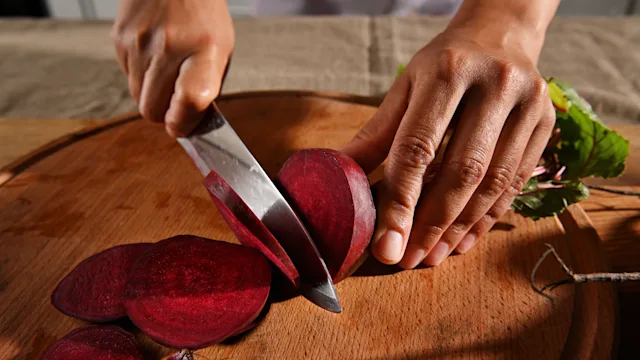
2. Vegetables
All vegetables contain fiber, but some have more than others. High-fiber vegetables include:
Brussels sprouts
Broccoli
Cauliflower
Carrots
Spinach
3. Legumes
Legumes include beans, lentils, peas, and peanuts. They’re easy to add to all kinds of dishes and come in many tasty options, including:
4. Nuts and seeds
Just a handful of nuts or seeds can deliver a healthy serving of fiber. And you have lots of options, including:
Almonds
Pistachios
Pumpkin seeds
Chia seeds
Flaxseeds
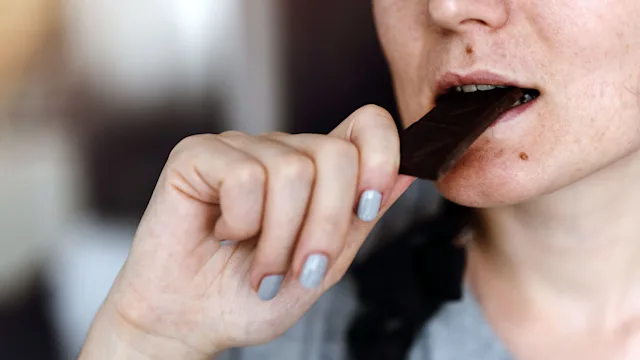
Cocoa beans also belong in this category. Eating dark chocolate with cacao that’s 70% or higher can add to your daily fiber intake.

Read more like this
Explore these related articles, suggested for readers like you.




5. Whole grains
Whole grains include all three parts of the plant kernel: the bran, germ, and endosperm. They’re better for you than refined grains, which have the bran and germ removed, leaving them with very little fiber.
Whole wheat is one type of whole grain. Other types of whole grains include:
Brown rice
Oats
Popcorn
You can cook these grains and eat them whole, as you would with rice or oatmeal. Whole grains can also be ground into flour and used to make foods like bread, crackers, cereal, and pasta.
To know how much fiber you’re getting from packaged foods, check the nutrition label.
Other foods and drinks that help with constipation
High-fiber foods aren’t the only foods that make you poop. Some foods support regular bowel movements in other ways.
1. Yogurt with probiotics
Yogurt that contains probiotics can help you poop and relieve constipation. That’s because probiotics can help soften stool and make you poop more often (more on this below).
Keep in mind that there are many types of yogurt, and not all contain probiotics. Check the label for the words “live and active cultures” and look for the specific types of bacteria used.
Try adding fiber-rich toppings like fruit, nuts, or seeds to your yogurt.
2. Coffee
About 1 in 3 people find that coffee stimulates a bowel movement. And while coffee can make you pee more, drinking only a few cups a day doesn’t cause dehydration.
If you don’t like coffee or the way it makes you feel, drinking warm liquids is enough to help some people poop. Try a cup of tea, warm broth, or even a cup of warm water.
3. Olive oil and flaxseed oil
There’s a lot of research on the health benefits of olive oil. Olive oil can help support your heart, brain, joints, and metabolism.
A small study found that regularly consuming olive oil or flaxseed oil helped relieve constipation in people receiving hemodialysis. Extra virgin olive oil seems to be even more effective than regular olive oil.
4. Gum and foods with sorbitol (sugar alcohol)
Chewing gum or eating food and candies with sorbitol (a naturally occurring sugar alcohol) makes some people poop. This may be especially true for people with irritable bowel syndrome (IBS), who may be more sensitive to sugar alcohols.
How does fiber help you poop?
There are two types of fiber, and both can help you poop:
Soluble fiber dissolves in water. It makes stool softer and easier to pass.
Insoluble fiber doesn’t dissolve in water. It adds bulk to stool and moves it through your intestines more efficiently.
In addition to helping you poop, a diet high in fiber will help with:
Managing blood glucose (blood sugar) levels
Reducing the risk of colon cancer
Tips for increasing your fiber intake
If you’re aiming to eat more fiber, start slowly and drink plenty of fluids. Adding too much fiber too quickly can lead to bloating and gas, especially if your body isn’t used to foods with fiber.
Try to eat a variety of high-fiber foods so you can get both soluble and insoluble fiber. This provides the most benefits for your digestive system and overall health.
How do foods with probiotics help you poop?
Probiotics are foods or supplements that contain live microorganisms that may support gut health. These bacteria are a normal part of a healthy digestive system, and they support the natural flora in your intestines.
Probiotics may help prevent and relieve constipation by increasing how quickly stool moves through your gut and by making your intestines contract more.
Probiotic-rich foods include:
Yogurt
Kefir, a fermented milk-based drink
Fermented vegetables, like sauerkraut and kimchi
Meanwhile, prebiotics are foods or supplements — usually fiber — that help “good” gut bacteria flourish.
Prebiotic foods include:
Bananas
Garlic
Seaweed
Chicory root
Why are fluids important for avoiding constipation?
When your body is even a little dehydrated, your stool can become harder and your intestines can’t do their job as well.
There’s no hard-and-fast rule for how much water you need to drink every day. Hydration needs vary from person to person. But many adults benefit from drinking about 8 to 10 cups (2 L to 2.5 L) of fluids per day.
If you have trouble drinking enough water each day, you can:
Add fresh fruit chunks or herbs to your water for flavor
Carry a water bottle with you
Make it a habit to drink water with meals, and ask for water when you’re out at a restaurant
What causes constipation?
Constipation is a condition in which you have hard, dry stools that are difficult to pass. You may have fewer than three bowel movements in a week. It might be painful or difficult to go to the bathroom. And you may feel like you haven’t emptied your bowels completely.
Diet plays an important role in how often you poop, but there are other potential factors.
In adults, certain conditions can also lead to constipation, including:
Hypothyroidism
Irritable bowel syndrome (IBS)
Parkinson’s disease
Diabetes
Constipation is also a side effect of some medications. But even without these conditions or medications, many people still don’t have regular bowel movements.
In children, common causes of constipation include:
Changes in diet
Holding in stool instead of using the bathroom
Issues around toilet training
For both adults and kids, the cause of constipation isn’t always clear.
When should you get medical help for constipation?
You can relieve or prevent most constipation with fiber, fluids, and regular exercise. There are also many over-the-counter (OTC) and prescription medications for constipation. These medications work in different ways, so talk with a healthcare professional about what’s best for you.
Pregnant people and young children shouldn’t take medications for constipation without talking to a healthcare professional.
It’s important to get medical care if you:
See blood in your stool
Have abdominal pain or vomiting
Notice a sudden or significant change in your regular bowel habits
A healthcare professional can help you explore possible causes and offer suggestions for treatment.
Frequently asked questions
Everyone’s body is different, including how often you need to poop. But for adults and children, a healthy number of bowel movements is anywhere from three times a day to three times a week. Stools should be soft, formed, and easy to pass.
Certain foods can make constipation worse. Dairy, fried foods, and processed foods made with refined flours — like bread, pasta, and pastries — can also cause or worsen constipation. Although eating fiber helps relieve and prevent constipation, increasing your intake too quickly or without drinking enough fluids can sometimes make constipation worse.
For quick constipation relief, you can turn to home remedies and over-the-counter (OTC) treatments. Prune juice is one option because its fiber, plant compounds, and sugar alcohols can help make you poop. Laxatives such as Miralax, Colace, and Senokot, as well as magnesium can also help. Saline enemas (like Fleet enemas) can provide almost instant relief from constipation.
Many people find that cherries make them poop. Cherries contain both soluble and insoluble fiber. They also contain natural sugar alcohols that can make some people poop.
Everyone’s body is different, including how often you need to poop. But for adults and children, a healthy number of bowel movements is anywhere from three times a day to three times a week. Stools should be soft, formed, and easy to pass.
Certain foods can make constipation worse. Dairy, fried foods, and processed foods made with refined flours — like bread, pasta, and pastries — can also cause or worsen constipation. Although eating fiber helps relieve and prevent constipation, increasing your intake too quickly or without drinking enough fluids can sometimes make constipation worse.
For quick constipation relief, you can turn to home remedies and over-the-counter (OTC) treatments. Prune juice is one option because its fiber, plant compounds, and sugar alcohols can help make you poop. Laxatives such as Miralax, Colace, and Senokot, as well as magnesium can also help. Saline enemas (like Fleet enemas) can provide almost instant relief from constipation.
Many people find that cherries make them poop. Cherries contain both soluble and insoluble fiber. They also contain natural sugar alcohols that can make some people poop.
The bottom line
Constipation is a common problem that affects most of us at one time or another. The good news is that there are many foods that can help you poop. Look for ways to add some tasty, high-fiber foods to your daily diet. Probiotics and warm liquids like coffee may also help. And be sure to stay hydrated and get regular exercise. Getting enough fiber, fluids, and exercise can support not only regular bowel movements but also overall health.

Why trust our experts?




References
Allen, P., et al. (2024). Pediatric functional constipation. StatPearls.
Bae, S. H. (2014). Diets for constipation. Pediatric Gastroenterology, Hepatology & Nutrition.
Bhardwaj, K., et al. (2022). Fruit and vegetable peel-enriched functional foods: Potential avenues and health perspectives. Evidence-Based Complementary and Alternative Medicine.
Çalişkan, N., et. al. (2016). The effect of warm water intake on bowel movements in the early postoperative stage of patients having undergone laparoscopic cholecystectomy. Gastroenterology Nursing.
Centers for Disease Control and Prevention. (2024). Fiber: The carb that helps you manage diabetes.
Deng, Z., et al. (2024). Causal relationship between major depressive disorder, anxiety disorder and constipation: a two-sample Mendelian randomization study. BMC Gastroenterology.
Dimidi, E., et al. (2014). The effect of probiotics on functional constipation in adults: a systematic review and meta-analysis of randomized controlled trials. The American Journal of Clinical Nutrition.
Jani, B., et al. (2018). Constipation: Evaluation and management. Missouri Medicine.
Joukar, F., et al. (2025). Comparative efficacy of extra virgin olive oil versus refined olive oil in the treatment of individuals suffering from constipation: A double-blind randomized clinical trial study. Caspian Journal of Internal Medicine.
Katz, D. L., et al. (2011). Cocoa and chocolate in human health and disease. Antioxidants & Redox Signaling.
Liu, Q., et al. (2022). Association between overall dietary quality and constipation in American adults: A cross-sectional study. BMC Public Health.
MedlinePlus. (2024). Constipation - self-care.
MedlinePlus. (2024). Fiber.
Ramos, C. I., et al. (2015). The short-term effects of olive oil and flaxseed oil for the treatment of constipation in hemodialysis patients. Journal of Renal Nutrition.