Key takeaways:
Rice water is made by steeping raw rice in water, then straining the liquid to drink.
Some health influencers claim that the resistant starch in rice water will keep you full and reduce your appetite, leading to weight loss. But it’s not clear whether rice water contains resistant starch.
The fluid and starch in rice water may make you feel full temporarily, which can help curb your appetite. But there’s no evidence showing that rice water helps with weight loss.
Social media videos about nutrition and weight loss garner millions of views. The problem? Much of the diet and health information on social media is false or incorrect.
One weight-loss trend that has gained attention is rice water. Influencers have gone so far as to claim that drinking rice water can help you shed up to 14 lbs per week.
But rice water probably isn’t the weight-loss solution people report it to be. Let’s take a closer look at some of the health claims being made about rice water, along with what the science has to say about each one.
What is rice water for weight loss?
Health influencers using the “rice-zempic” hashtag compare rice water to Ozempic (semaglutide), the Type 2 diabetes medication that many people use off-label for weight loss.
The buzz around rice water seems to piggyback on other weight-loss trends, including:
“Oat-zempic,” drinking the water from soaked oats to aid weight loss
Okra water, drinking the water from soaked okra to aid weight loss, sexual health, and more
When something becomes as popular as Ozempic, it’s no surprise people want to capitalize on its name and fame. And rice water is a much less expensive alternative to the pricey medication. Unfortunately, rice water doesn’t mimic Ozempic.
How do you make rice water?
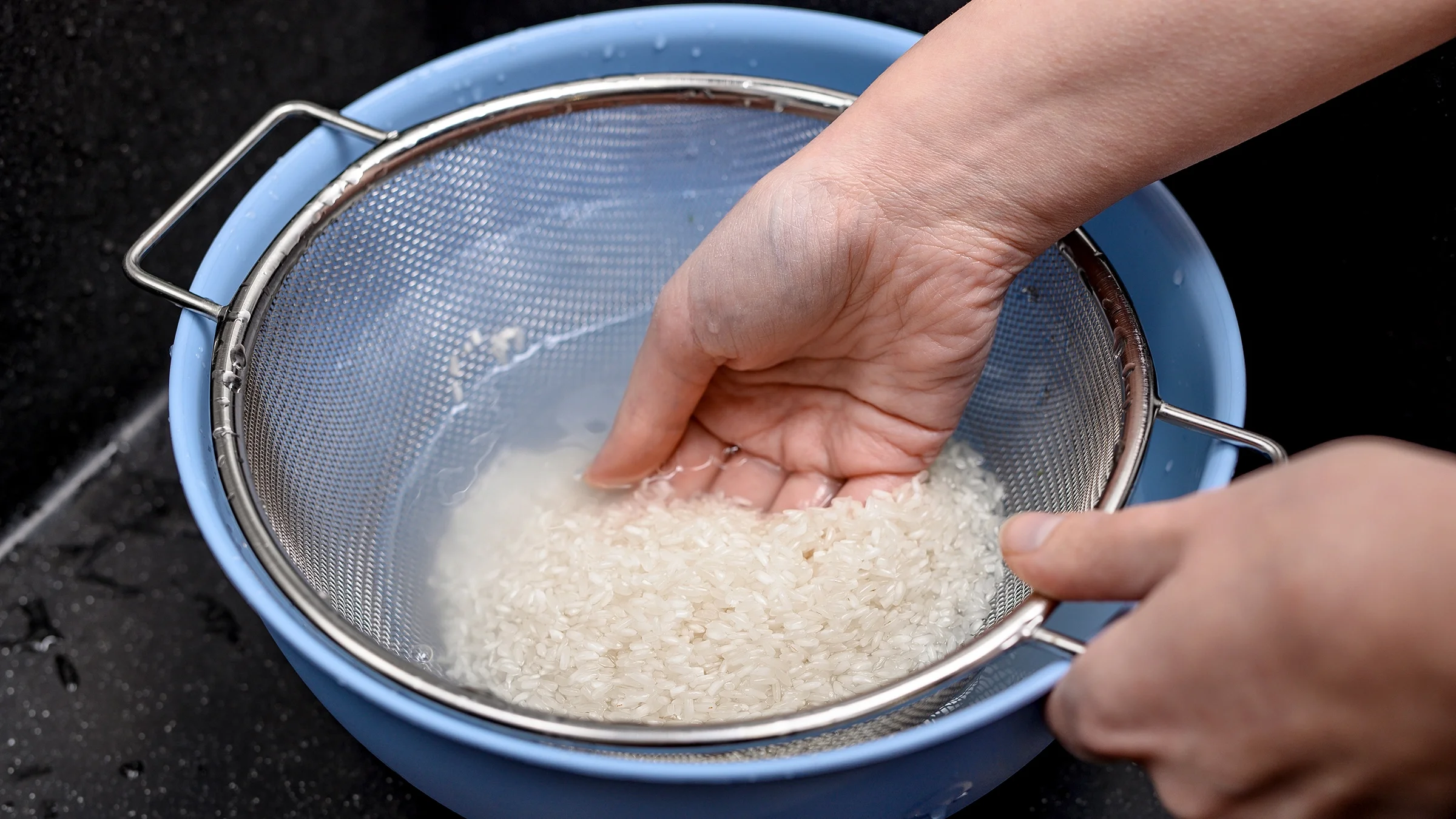
There’s no standard recipe for making rice water. The most common way to make rice water is to do the following:
Soak ½ cup of unwashed rice in a cup of hot water.
Strain out the rice, leaving just the water behind.
Add a squeeze of lime juice.
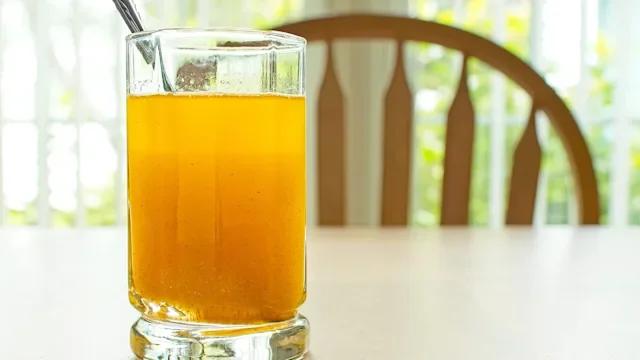
The result is a cloudy, murky, low-calorie beverage with a hint of lime flavor.
Rice water recipes differ in:
The amount of rice
The amount of water
Whether the water is hot from the tap, boiled, or microwaved
How long the rice is soaked for (from 5 minutes to overnight)
The citrus squeeze — lemon versus lime

Read more like this
Explore these related articles, suggested for readers like you.



Note: Rice water isn’t the same thing as commercial, plant-based rice beverages (rice milk). These are made with ground rice, not soaked rice. Rice milk has added sugar, oil, and vitamins. It contains about 70 calories per cup. In comparison, most versions of rice water probably have under 5 calories per cup.
What are the reported health benefits of rice water?
Health influencers promoting rice water for weight loss say the drink has the following benefits.
1. Weight loss
The main claim about rice water is that it helps you lose weight because it contains resistant starch. Resistant starch is a type of starch that’s harder for your body to break down. It’s a unique type of fiber.
Resistant starch may reduce appetite, but studies are mixed. Some studies show no effect of resistant starch on appetite. Other studies suggest that resistant starch can reduce hunger and increase the feeling of fullness compared with normal starch. More research is needed.
The bigger question is whether rice water actually contains resistant starch at all. Resistant starch is created when rice is cooked, cooled, and then reheated. This begs the question: Is there resistant starch in rice water, since it’s made with raw rice? Reviewing the research didn’t provide an answer to this question, most likely because rice is typically consumed cooked, not raw.
2. Support for the gut microbiome
Since resistant starch isn’t digested, it works as a prebiotic fiber in the gut. This means it supports the gut microbiome by “feeding” the healthy bacteria there.
If there’s resistant starch in rice water — and we don’t know if there is — it may help support the microbiome.
3. Vitamins and minerals
If you use white rice processed in the U.S., it may be enriched with essential vitamins and minerals, including:
Thiamin
Niacin
Riboflavin
Iron
Calcium
Folic acid
Theoretically, these vitamins could end up in the water that you drink after soaking the rice. But quantities are unknown.
Note that if you use imported rice, it may not be enriched with any vitamins or minerals, so there would be no additional health benefit.
Can drinking rice water really help you lose weight?
The fluid and rice starch from rice water may make you feel full temporarily, which may help curb your appetite.
And rice water is just water, so it’s a hydrating drink. Drinking water may help with weight loss, especially if you’re swapping sugary beverages for water. But fluid alone isn’t an effective weight-loss strategy.
Since there’s no research on rice water, the potential health benefits are a guess at best. Given the lack of studies on the topic, we turned to two nutrition experts for their take on the trend.
Dr. Su-Nui Escobar, a doctor of clinical nutrition and a registered dietitian, would love to see a natural food like rice water live up to the hype. However, she said there’s no science backing up the claim that starchy water can help with weight loss.
“Even people on Ozempic don’t lose 14 lbs a week,” she said, in reference to the weight-loss claims being made about rice water. A person on Ozempic may lose 15% of their total body weight over 68 weeks, she said. That’s much less than an average of 14 lbs a week.
Esther Tambe, a registered dietitian and certified diabetes specialist, said that “rice water can’t work similarly to Ozempic.”
She noted that Ozempic and similar medications are GLP-1 (glucagon-like peptide-1 receptor) agonists. They reduce appetite and cravings by mimicking the GLP-1 hormone released in our gut while eating.
“Rice water compared to a hormone isn’t the same,” Tambe said. “We shouldn’t be comparing the two.”
Tambe’s advice is to be wary of health trends promoted on social media.
Who shouldn’t drink rice water?
If you have a rice allergy or intolerance to rice, avoid rice water.
Another red flag to consider: Rice can contain arsenic, a toxic heavy metal that’s linked to heart issues, kidney damage, and some types of cancers. Arsenic is naturally found in soil and water, and rice is known to absorb arsenic more than other grains do.
The FDA says that people can eat rice as part of their regular diet. But it doesn't specify exact amounts to eat to limit arsenic exposure. The FDA does note that you can lower the arsenic content of rice by 40% to 60% by cooking it in excess water (similar to how you cook pasta) and draining it. But this method may also reduce the nutritional value of enriched rice.
So, should you be concerned about arsenic if you soak raw rice and drink the water? It’s theoretically possible that arsenic could leach into the water while rice is soaking. Without studies, though, we don’t know for sure.
What are the best alternatives to rice water for weight loss?
Weight loss doesn’t have a one-size-fits-all strategy. The best weight-loss path for you will depend on the goals that you’d like weight loss to help you achieve.
Many factors affect weight. These include:
Genetics
Hormones
Medications
Diet
Physical activity levels
Socioeconomic status
Cooking skills
Environment
Talking with your primary care provider is a great place to start. Your weight-loss plan may involve a combination of dietary changes, exercise, and mental health therapy. And, for some people, medication may help too. But no matter what, it’s important to find the right weight-loss approach that’s right for you.
Frequently asked questions
It's unlikely that drinking rice water will make you gain weight. It's a low-calorie drink made mostly of water.
Whether you drink rice water warm or cool is completely a matter of personal preference. If you drink rice water at night as part of a pre-bedtime ritual, the warm liquid may be soothing and relaxing. You can experiment with adding different spices such as cinnamon, which has some possible benefits of its own. But there’s no specific health advantage to drinking rice water at any particular temperature.
It's unlikely that drinking rice water will make you gain weight. It's a low-calorie drink made mostly of water.
Whether you drink rice water warm or cool is completely a matter of personal preference. If you drink rice water at night as part of a pre-bedtime ritual, the warm liquid may be soothing and relaxing. You can experiment with adding different spices such as cinnamon, which has some possible benefits of its own. But there’s no specific health advantage to drinking rice water at any particular temperature.
The bottom line
Rice water is a low-calorie drink, but it’s not a miraculous weight-loss cure. At best, the fluid and rice starch may make you feel full temporarily, which may help curb your appetite. Without scientific studies, there’s no way to know for sure. If you’re interested in trying rice water, it’s probably harmless in small amounts. As with many weight-loss trends, though, it’s smart to manage your expectations for what the drink can — and can’t — do.

Why trust our experts?




References
Bracamontes-Castelo, G., et al. (2019). Effect of water consumption on weight loss: A systematic review. Nutrición Hospitalaria.
Dobranowski, P. A., et al. (2021). Resistant starch, microbiome, and precision modulation. Gut Microbes.
Fornes, A., et al. (2022). Once-weekly semaglutide for weight management: A clinical review. The Journal of Pharmacy Technology.
García-Vázquez, C., et al. (2023). Effects of resistant starch on glycemic response, postprandial lipemia and appetite in subjects with type 2 diabetes. European Journal of Nutrition.
Hill, G., et al. (2023). A rapid review of quality of health information on TikTok. The Journal of Health Design.
Lamothe, M., et al. (2024). Plant-based milks: Rice. UF/IFAS Extension.
Mawia, A. M., et al. (2021). Inorganic arsenic toxicity and alleviation strategies in rice. Journal of Hazardous Materials.
Peña-Rosas, J. P., et al. (2019). Fortification of rice with vitamins and minerals for addressing micronutrient malnutrition. The Cochrane Database of Systematic Reviews.
Rosenbloom, C. (2021). Arsenic in rice: What is and isn’t safe for adults and children. The Washington Post.
Shen, L., et al. (2022). Resistant starch formation in rice: Genetic regulation and beyond. Plant Communications.
U.S. Food and Drug Administration. (2022). What you can do to limit exposure to arsenic.
White, U., et al. (2020). Resistant starch has no effect on appetite and food intake in individuals with prediabetes. Journal of the Academy of Nutrition and Dietetics.