Key takeaways:
Iodine helps your body make thyroid hormones, which support metabolism, growth, and brain development.
Some of the top iodine-rich foods include seaweed, seafood, dairy foods, iodized salt, and some types of bread.
Most people get enough iodine through food. But some people have a higher risk of iodine deficiency.
When you think about the key nutrients that your body needs, iodine may not be the first to come to mind. But this essential mineral plays a crucial role in everyday health. Your body uses iodine to make thyroid hormones, which regulate metabolism, body temperature, and brain development.
Most people get enough iodine from food. But some people — including those who are pregnant or following a vegan diet — may be more likely to have low iodine levels. Knowing which foods are high in iodine can help you make sure you’re meeting your daily needs.
Why do you need iodine?
Your body needs iodine to make two important thyroid hormones: T3 and T4. Without enough iodine, your thyroid can’t produce enough of these hormones, which can affect many key body functions.
Thyroid hormones help regulate your:
Metabolism
Body temperature
Heart function
Brain development
Growth
Digestion
Energy levels
Getting enough iodine is especially important during pregnancy and infancy. That’s because thyroid hormones play a major role in healthy brain development for babies before and after birth.
What foods are highest in iodine?
Iodine is naturally present in ocean water and, to a lesser extent, soil. Marine animals and plants absorb iodine from the water, so they’re some of the richest natural sources of iodine. But seafood isn’t the only way to get iodine. Plenty of other foods also contain it.
Let’s take a look at some of the top iodine-rich foods.
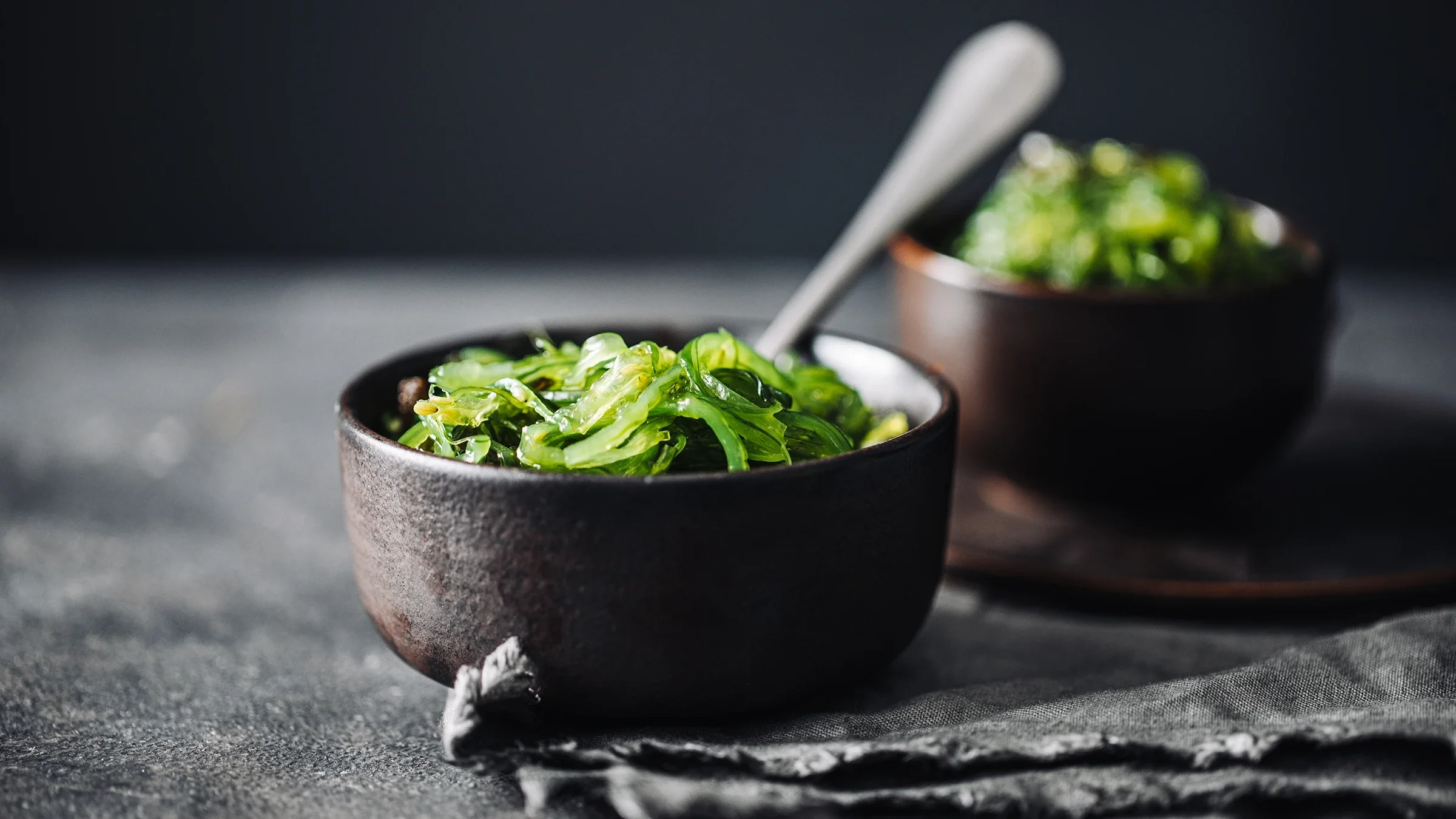
1. Seaweed
Iodine content for dried nori (1 sheet): 105 mcg (70% of the daily value, or DV)
Iodine content for kombu kelp (1 sheet): 241 mcg to 4,921 mcg (160% to 3,280% DV)
The amount of iodine in seaweed varies depending on the type. Nori, the seaweed that’s commonly used in sushi rolls, contains relatively small amounts of iodine. But other seaweeds, like kelp, can contain very high levels, often exceeding the recommended daily amount in a single serving.
Since seaweed is a rich source of iodine, it might be possible to eat too much. Many packaged seaweeds don’t list their iodine content. Eating seaweed occasionally is unlikely to cause problems. But regularly eating kelp or other high-iodine seaweeds can increase the risk of thyroid problems. (More on this below.)
Seaweed also contains fiber, antioxidants, and minerals, including calcium, magnesium, and iron.
2. Cod
Iodine content for cooked cod (3 oz): 146 mcg (97% DV)
In general, white fish, like cod, contain more iodine than fatty fish, like salmon or tuna.
Cod is a great choice, and not just for its iodine content. It’s a low-mercury fish, which means most people can enjoy it several times a week. And, like many types of fish, cod is high in lean protein, making it a good option for weight management.
3. Oysters
Iodine content for 6 oysters (about 90 g): 144 mcg (96% DV)
Oysters are rich in zinc, which supports immune function. They’re also rich in iron, which helps transport oxygen around your body. Oysters also contain omega-3 fatty acids, which are good for your heart and brain. And oysters are an excellent source of selenium, a mineral that, like iodine, is important for thyroid health.
Other shellfish — including crabs, mussels, and shrimp — can also boost your iodine levels while providing plenty of nutrients.
4. Milk
Iodine content for whole milk (1 cup): 83 mcg (55% DV)
Milk provides protein, calcium, phosphorus, and vitamin D. This makes it a great choice for bone and heart health. Since milk is often consumed daily, it may contribute more iodine overall than seafood, which people may eat less frequently.
Other dairy foods made from milk — like yogurt and cottage cheese — also contain some iodine. But they contain about half as much as milk, since some iodine is lost during processing.
Yogurt and cottage cheese often contain probiotics. So, these foods can contribute to iodine intake while boosting your health in other ways.
5. Iodized salt
Iodine content for iodized salt (¼ teaspoon): 78 mcg (45% DV)
Iodine is often added to table salt to help prevent iodine deficiency. This is known as iodized salt. Other popular types of salt — like kosher salt, Himalayan salt, and sea salt — usually contain little or no iodine. And most of the salt used in processed foods isn’t iodized.
Using iodized salt is one of the simplest ways to get enough iodine. Just half a teaspoon provides enough iodine to meet the recommended daily intake for most adults.
But there’s a tradeoff: Half a teaspoon of salt also contains about 1,200 mg of sodium. For comparison, the American Heart Association recommends limiting sodium to 1,500 mg per day. Other health organizations set higher limits: The World Health Organization recommends up to 2,000 mg of sodium per day, and the Dietary Guidelines for Americans sets the daily limit at 2,300 mg.
The right amount of sodium for you depends on your overall health. But it’s best to think of iodized salt as just one part of an iodine-rich diet, rather than your only source of iodine.
6. Eggs
Iodine content for 2 eggs (hard boiled): 61 mcg (41% DV)
Most of an egg’s iodine is found in the yolk. Eggs also provide several other important nutrients, like protein, choline, selenium, vitamin B12, and vitamin D. Together, these nutrients support heart, bone, and immune health. Because eggs are versatile and easy to prepare, they’re a practical way to add iodine to your diet.
7. Bread
Iodine content for bread: varies
Bread is different from many iodine-rich foods since it isn’t an animal-based food. And the amount of iodine in bread can vary widely — from none at all to more iodine than many other foods on this list. That’s because some commercial breads use iodine-containing additives to improve the texture.
Even when breads contain iodine, manufacturers aren’t required to list the amount on nutrition labels. To find out whether a bread contains iodine, check the ingredients list for the word “iodate.”
How much iodine do you need?
The amount of iodine you need each day depends on your age. Most adults need about 150 mcg daily. People who are pregnant or breastfeeding need more iodine to support healthy fetal and infant brain development.
These are the recommended daily amounts of iodine.
Age | Recommended daily iodine (mcg) |
Birth to 6 months | 110 mcg |
7-12 months | 130 mcg |
1-8 years | 90 mcg |
9-13 years | 120 mcg |
14-18 years | 150 mcg |
Adults | 150 mcg |
Pregnant people | 220 mcg |
Breastfeeding people | 290 mcg |
Who is at risk of iodine deficiency?
Some people may have a harder time getting enough iodine through diet alone. This includes people who:
Follow a vegan diet
Avoid iodized salt
Are pregnant or breastfeeding
Signs of iodine deficiency
Mild iodine deficiency may not cause obvious symptoms at first. But over time, not getting enough iodine can lower thyroid hormone levels. This can lead to symptoms of hypothyroidism, such as:
Fatigue
Weight gain
Feeling cold
Dry skin
Thinning hair
Constipation
Trouble concentrating
Slower heart rate
Goiter (swelling in the neck from an enlarged thyroid gland)
During pregnancy and infancy, severe iodine deficiency can lead to poor growth, developmental delays, and learning difficulties.
If you think you may not be getting enough iodine, a healthcare professional can help you determine whether dietary changes or supplements may help.
How much iodine is too much?
The daily upper limit for iodine intake is the maximum amount that’s considered safe to consume daily — from food, drinks, and supplements combined.
Age | Upper limit |
Birth to 12 months | Not established |
1-3 years | 200 mcg |
4-8 years | 300 mcg |
9-13 years | 600 mcg |
14-18 years | 900 mcg |
Adults | 1,100 mcg |
It’s uncommon to consume too much iodine. Most cases happen in people who take iodine supplements. But it’s also possible to get too much iodine from your diet, especially if you regularly eat kelp or high-iodine seaweeds.
Signs of too much iodine
Too much iodine can sometimes trigger either an underactive or overactive thyroid gland, so it can lead to high or low thyroid hormone levels.
High iodine levels can cause some of the same symptoms as iodine deficiency (listed above), or it may lead to:
Faster heart rate
Shaky hands
Weight loss
Increased risk for thyroid cancer
Burning of the mouth, throat and stomach
Nausea and vomiting
Confusion
Sleepiness
Frequently asked questions
Fruits aren’t high in iodine. Some fruits — like canned apricots or canned peaches — can contain small amounts of iodine. But the amount (around 8 mcg) will contribute only slightly to your daily iodine needs.
Low-iodine diets are usually only recommended for people who are getting radioactive iodine treatment, a type of medication used to treat thyroid cancer or hyperthyroidism. Starting a low iodine diet can help the radioactive iodine treatment work better. But you should only follow a low-iodine diet under the guidance of a healthcare professional, since iodine is an essential nutrient.
The American Thyroid Association (ATA) recommends taking a multivitamin containing 150 mcg of iodine daily if you’re pregnant, trying to get pregnant, or breastfeeding. But it's best to talk to a healthcare professional before starting an iodine supplement or any supplement.
Fruits aren’t high in iodine. Some fruits — like canned apricots or canned peaches — can contain small amounts of iodine. But the amount (around 8 mcg) will contribute only slightly to your daily iodine needs.
Low-iodine diets are usually only recommended for people who are getting radioactive iodine treatment, a type of medication used to treat thyroid cancer or hyperthyroidism. Starting a low iodine diet can help the radioactive iodine treatment work better. But you should only follow a low-iodine diet under the guidance of a healthcare professional, since iodine is an essential nutrient.
The American Thyroid Association (ATA) recommends taking a multivitamin containing 150 mcg of iodine daily if you’re pregnant, trying to get pregnant, or breastfeeding. But it's best to talk to a healthcare professional before starting an iodine supplement or any supplement.
The bottom line
Iodine is an essential mineral that your body needs to make thyroid hormones. Seafood, seaweed, dairy foods, eggs, and iodized salt are some of the best places to find it.
Most people get enough iodine through diet alone, but some people may be at higher risk of deficiency. Too little iodine can affect your health, but so can too much. So, it’s important to get the right amount. A healthcare professional can help you determine if you need an iodine supplement.

Why trust our experts?




References
American Heart Association. (2025). Sodium sources: Where does all that sodium come from?
American Heart Association. (n.d.). Excess sodium: How too much sodium affects your health.
American Thyroid Association. (2013). ATA statement on the potential risks of excess iodine ingestion and exposure.
Cherry, P., et al. (2019). Risks and benefits of consuming edible seaweeds. Nutrition Reviews.
FoodData Central. (n.d.). Cooked Pacific cod. U.S. Department of Agriculture.
FoodData Central. (n.d.). Eden Foods - Eden, nori sea vegetable. U.S. Department of Agriculture.
FoodData Central. (n.d.). Hard boiled eggs. U.S. Department of Agriculture.
FoodData Central. (n.d.). Whole milk (full fat). U.S. Department of Agriculture.
Food Standards Australia New Zealand. (2025). Iodine in food and iodine requirements.
Ma, Z. F., et al. (2025). Effect of iodine nutrition during pregnancy and lactation on child cognitive outcomes: A review. Nutrients.
National Institutes of Health. (2024). Iodine.
Peñalver, R., et al. (2020). Seaweeds as a functional ingredient for a healthy diet. Marine Drugs.
Smyth, P. P. A., et al. (2021). Iodine, seaweed, and the thyroid. European Thyroid Journal.
Southern, A. P., et al. (2024). Iodine toxicity. StatPearls.
U.S. Department of Agriculture. (2023). USDA, FDA and ODS-NIH database for the iodine content of common foods per serving, release 3, March 2023.
U.S. Department of Agriculture. (2025). Dietary guidelines for Americans, 2025-2030.
van der Reijden, O. L., et al. (2017). Iodine in dairy milk: Sources, concentrations and importance to human health. Best Practice & Research Clinical Endocrinology & Metabolism.
Yeh, T. S., et al. (2014). Analysis of iodine content in seaweed by GC-ECD and estimation of iodine intake. Journal of Food and Drug Analysis.
World Health Organization. (n.d.). Reducing population sodium/salt intake.