Key takeaways:
Loss of taste, also known as ageusia, is a common symptom of COVID-19.
Loss of taste can also be caused by the flu and other common infections. And it can also result from taking some medications and having certain medical conditions.
Experimenting with textures and scheduling meals can help you eat well until your sense of taste returns.
A loss of taste, also called ageusia, is one of the most common symptoms of COVID. But COVID isn’t the only infection that can cause ageusia. Loss of taste can be caused by a range of everyday infections, a number of medical conditions, and even certain medications.
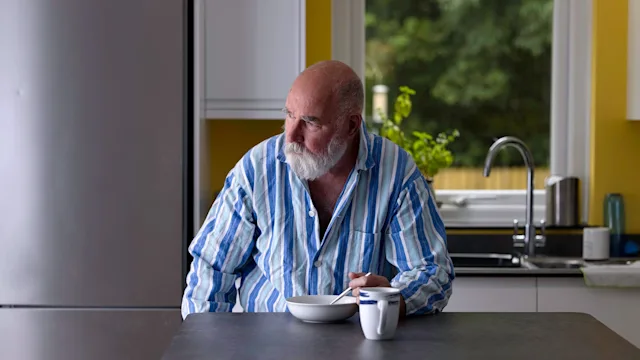
Taste is intricately tied to appetite and enjoyment of food. If you’ve experienced loss of taste, you know how difficult it can be to want to eat. Read on to learn about the causes and treatments of ageusia, and tips to make it easier to eat.
What causes loss of taste (ageusia)?
Experts don’t fully understand what causes loss of taste in people who get sick with COVID. However, they believe that ageusia is likely caused by inflamed olfactory glands. These glands are responsible for your sense of smell.
Ageusia can also be a symptom of other medical conditions like:
The flu
The common cold
Salivary gland infections
Diabetes
Hypertension
Loss of taste can also be a side effect of:
Chemotherapy
Certain medications, including antibiotics
Nutritional deficiencies
Loss of smell can also happen naturally as you get older or if you injure your mouth or nose. Because much of our flavor perception is related to our sense of smell, people who lose their ability to taste often experience loss of smell (called anosmia).
Ageusia symptoms
The main symptom of ageusia is a loss of taste. Sometimes people with ageusia also have a loss of a sense of smell. Having ageusia may lead to other symptoms, including:
Loss of appetite
Weight loss
Mood changes
How and what to eat when you can’t taste anything
If you’ve lost your sense of taste, you’re probably having a hard time eating. Fortunately, there are some tips to help you eat enough healthful foods while you recover:
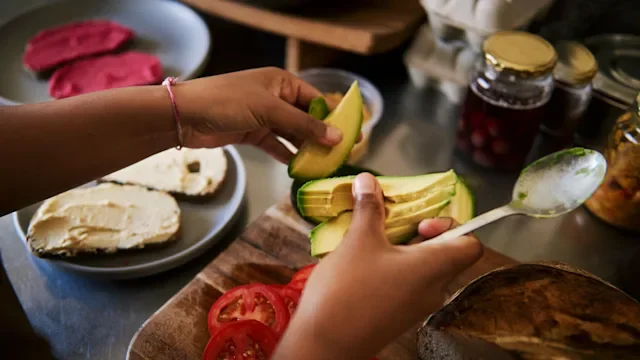
Experiment with textures: Try foods that are crunchy, crumbly, chewy, soft, hard. Hard crunchy foods may increase appetite and pleasure. Switching up food textures may also encourage your appetite.
Add acid: Sour foods like lemon juice may help stimulate saliva production. Saliva protects your taste receptors. You can also try chewing gum to keep up your saliva production.
Avoid extra salt and sugar: Too much of either can have negative health consequences. So take this time to limit your sugar and salt intake. You may find that you want less once you regain your sense of taste.
Try hot or cold foods: The temperature of food can alter its taste, so try experimenting with chilled, hot, or room temperature food. You might find that one is more appealing than the others.
Schedule meals: It’s important to nourish your body, especially when you’re sick. Eat what you can at regular intervals. If you need to, set alarms to remind you to eat.
Snack small: When you can’t taste, eating a large meal at one time can get boring, and you may have trouble finishing it. To address this, eat small snacks throughout the day.
Set up a meal plan: Take the time to write down what you’ll eat each day to maintain a balanced and nutritious diet. That way, when it comes time to eat, you won’t have to do much thinking.
Experiment with environments: Lack of taste can take the joy out of eating. For that reason, watching TV or doing another distracting activity while you eat may be helpful. However, this likely isn’t the best way to eat normally.
Ageusia treatment
There’s no cure for loss of taste. Sometimes, taste comes back when the underlying problem goes away. For example, if you’re taking a medication that causes a loss of taste, it may be possible to switch to a different medication that doesn’t cause loss of taste.

Read more like this
Explore these related articles, suggested for readers like you.



Since taste and smell go hand in hand, treating your loss of smell could also improve your sense of taste. Smell training has been used to treat certain smell disorders. It involves smelling strong scents to stimulate your olfactory glands. However, this process could take weeks or months, and some people don’t see results.
People have been getting creative with trying to get their taste buds to work again. There was a recent viral trend on TikTok that showed users burning an orange and eating it with brown sugar to cure their loss of taste. This tip is likely anecdotal and doesn’t have evidence-based research to back it up.
How long does loss of taste last?
How long ageusia lasts can vary depending on the cause. After a COVID infection, many people’s sense of taste returns at some point after they recover from the illness.
One study suggests that people who recover from COVID have an 80% chance of regaining their sense of taste and smell within 6 months. Of those, people ages 40 and younger have a better chance of recovering their sense of taste and smell than those who are older than 40. More studies are needed to understand the length and severity of ageusia in people with COVID.
Can you prevent ageusia?
Since it’s not fully understood what causes a loss of taste, scientists don’t know how to prevent it. You can reduce your likelihood of developing ageusia by treating conditions you may have, like sinusitis and allergies. Or stopping a medication that causes it, if possible. It’s also important to get vaccinations to reduce your chance of getting COVID.
Frequently asked questions
A zinc deficiency may lead to loss of taste. Zinc deficiency is not common in the U.S. You can reduce your risk of a zinc deficiency by eating foods rich in zinc, such as chicken, beans, and yogurt.
Complete loss of taste can have some risks. For example, you may not be able to tell if a food is spoiled, and that can lead to stomach issues. Loss of taste can also affect appetite and desire for food. It has been associated with both weight loss and weight gain. It also has been linked to mental health conditions like depression.
Older adults may lose some of their sense of taste for a range of reasons. These include a gradual decline in the function of your taste cells that occurs with age, and having less saliva, which affects your ability to taste. Also, with age, you’re more likely to be on medication or have a medical condition that may affect taste.
A zinc deficiency may lead to loss of taste. Zinc deficiency is not common in the U.S. You can reduce your risk of a zinc deficiency by eating foods rich in zinc, such as chicken, beans, and yogurt.
Complete loss of taste can have some risks. For example, you may not be able to tell if a food is spoiled, and that can lead to stomach issues. Loss of taste can also affect appetite and desire for food. It has been associated with both weight loss and weight gain. It also has been linked to mental health conditions like depression.
Older adults may lose some of their sense of taste for a range of reasons. These include a gradual decline in the function of your taste cells that occurs with age, and having less saliva, which affects your ability to taste. Also, with age, you’re more likely to be on medication or have a medical condition that may affect taste.
The bottom line
Losing your sense of taste is a common symptom of COVID. Eating may be less enjoyable with ageusia. There’s a good chance that you’ll get your sense of taste back eventually, though how long that will be varies depending on the condition and individual factors. There are things you can do to make eating food more enjoyable so you can nourish your body while you recover.

Why trust our experts?




References
Agyeman, A. A., et al. (2021). Smell and taste dysfunction in patients with COVID-19: A systematic review and meta-analysis. Mayo Clinic Proceedings.
Coelho, D. H., et al. (2022). Predictors of smell recovery in a nationwide prospective cohort of patients with COVID-19. American Journal of Otolaryngology.
de Oliveira, W. Q., et al. (2022). Olfactory and gustatory disorders caused by COVID-19: How to regain the pleasure of eating? Trends in Food Science and Technology.
Javed, N., et al. (2022). COVID-19 loss of taste and smell: potential psychological repercussions. The Pan African Medical Journal.
Jones, E. (2021). TikTok Tuesday: Burning oranges to get your taste back? Healthing.
Lechien, J. R., et al. (2021). Prevalence and 6-month recovery of olfactory dysfunction: A multicentre study of 1363 COVID-19 patients. Journal of Internal Medicine.
Matsuo, R. (2000). Role of saliva in the maintenance of taste sensitivity. Critical Reviews in Oral Biology and Medicine.
Murugesh, J., et al. (2015). Effect of yogurt and pH equivalent lemon juice on salivary flow rate in healthy volunteers - An experimental crossover study. Interventional Medicine and Applied Science.
Nelson J. B. (2017). Mindful eating: The art of presence while you eat. Diabetes Spectrum.
Rathee, M., et al. (2023). Ageusia. StatPearls.
Solemdal, K., et al. (2012). The impact of oral health on taste ability in acutely hospitalized elderly. PLoS One.
Watson, D. L. B., et al. (2021). Altered smell and taste: Anosmia, parosmia and the impact of long Covid-19. PLoS One.