Key takeaways:
There isn’t a single amount of protein that’s considered “too much.” Intakes of up to 2 g/kg per day appear to be safe for healthy adults. And some research shows that even higher amounts don’t cause harm.
But more protein isn’t always better. Once you’re meeting your needs, eating more isn’t likely to provide additional health benefits.
The quality of your overall diet matters. Choose a variety of protein sources, eat plenty of fiber-rich foods, and avoid letting protein crowd out other important nutrients.
Protein is everywhere these days. From protein coffees and snack bars to high-protein cereals and desserts, it seems like just about every food has gotten a protein makeover.
Getting enough protein is important. But can you get too much? Here’s what the research says.
How much protein do you need in a day?
When it comes to how much protein you actually need, there’s no one-size-fits-all answer.
The recommended dietary allowance (RDA) for protein is 0.8 g per kilogram of body weight per day, or about 0.36 g per pound. For someone who weighs 150 lbs, that’s about 55 g of protein per day.
But it’s important to understand what the RDA represents. It’s the amount estimated to meet the basic nutritional needs of nearly all healthy adults. Many experts believe that higher amounts may be better for supporting optimal health.
The 2025–2030 Dietary Guidelines for Americans suggest that many adults may benefit from eating 1.2 g/kg to 1.6 g/kg per day. This range may help preserve muscle mass, support recovery after exercise, improve feelings of fullness, and promote healthy aging in certain groups.
People with specific goals — such as building muscle or recovering from illness or surgery — may benefit from even higher protein intakes, sometimes up to 2.2 g/kg per day.
Here are some general protein recommendations based on different needs and goals.
Goal | Protein recommendations |
Meeting basic nutritional needs | 0.8 g/kg/day |
Supporting overall health | |
Losing weight | 1.2 - 1.6 g/kg/day |
Supporting an active lifestyle | |
Building muscle | |
Recovering from illness, injury, or surgery |
How much protein should you eat per meal?
A good goal is to aim for about 25 g to 30 g of protein per meal, although those with higher protein needs may benefit from closer to 30 g to 40 g per meal.
Many experts recommend spreading protein fairly evenly across meals throughout the day. Your body can digest and use more than 30 g of protein at one time. But the muscle-building response may level off after a certain amount. Dividing protein throughout the day may support muscle building and repair. It may also help you stay satisfied between meals.
How much protein is too much?
There’s no universally agreed-upon amount of protein that’s considered “too much” for healthy adults.
Research suggests that protein intakes of up to 2 g/kg per day are safe for healthy adults, including people who are physically active.
Beyond that, the evidence becomes less clear, since long-term research on extremely high protein intakes is limited.
Some studies have examined protein intakes above 3 g/kg per day without finding major health consequences in healthy adults. Still, other experts caution that eating more than 2 g/kg per day of protein can lead to digestion and kidney problems.
It’s also important to note that when it comes to protein intake, “safe” doesn’t necessarily mean “better.” Once you’re meeting your protein needs, eating more probably won’t provide additional health benefits. Instead of “protein-maxxing” (a social media trend where you try to eat as much protein as possible), focus on eating enough protein to support your goals while making room for other nutrient-rich foods.
What can happen if you eat too much protein?
For most healthy adults, eating a high-protein diet is unlikely to cause major health issues. But eating substantially more protein than your body needs can have some downsides — especially if protein starts replacing other nutritious foods in your diet.
Potential drawbacks of too much protein include:
Constipation or digestive discomfort: Very high-protein diets are often low in fiber-rich foods like fruits, vegetables, legumes, and whole grains. Over time, too little fiber can contribute to constipation, bloating, and other digestive issues.
Weight gain: Protein still contains calories. Regularly eating more protein than your body needs — especially if it increases your overall calorie intake — can contribute to weight gain over time.
Missing out on other important nutrients: If most of your plate is devoted to protein, you may have less room for foods that provide other important vitamins, minerals, and antioxidants.
A higher risk of chronic disease: The long-term health effects of a high-protein diet depend partly on where the protein comes from. Eating high amounts of processed meat has been linked to increased risk of heart disease, cancer, and Type 2 diabetes. On the other hand, protein sources such as fish, legumes, nuts, dairy, and lean poultry are generally associated with better long-term health outcomes, particularly when they replace red and processed meat.
Some people should also be more cautious with high-protein diets because certain health conditions can change how the body processes protein. These include:
Chronic kidney disease: High-protein diets increase the kidneys’ workload. Research suggests this is unlikely to harm healthy kidneys. But it can place additional strain on kidneys that are already damaged.
A history of kidney stones: Some research suggests that diets very high in animal protein may increase the risk of certain types of kidney stones, particularly in people who are already prone to developing them.
Certain genetic conditions: Some inherited disorders, like phenylketonuria (PKU), make it difficult for the body to break down or process protein.
If you have any of these conditions or are receiving specialized nutrition therapy for any reason, talk with your care team about your specific protein needs.
How can you tell if you need more protein?
For most healthy adults in the U.S., true protein deficiency is rare. But even if you aren’t deficient, you may benefit from more protein if you’re currently eating less than your body needs.
There isn’t a reliable list of symptoms that can tell you whether you need more protein. Some possible signs — like fatigue, weakness, or hair loss — can have many different causes. They don’t necessarily signal low protein.
A better approach is to look at how much protein you typically eat in a day. Then, consider factors that may increase your needs.
A healthcare professional or dietitian can help you figure out an appropriate daily target.
How to get enough protein without overdoing it
For most people, the goal shouldn’t be to eat as much protein as possible. It should be to eat enough protein.
These strategies can help you meet your protein needs while maintaining a balanced diet:
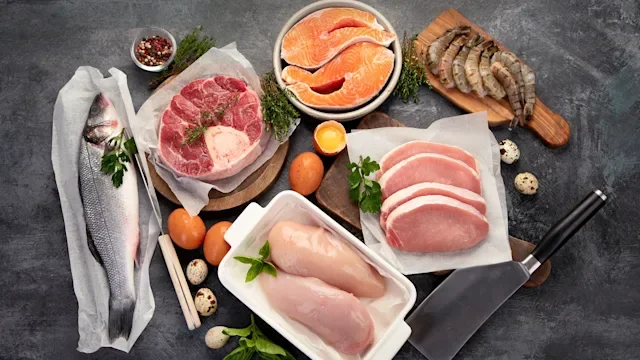
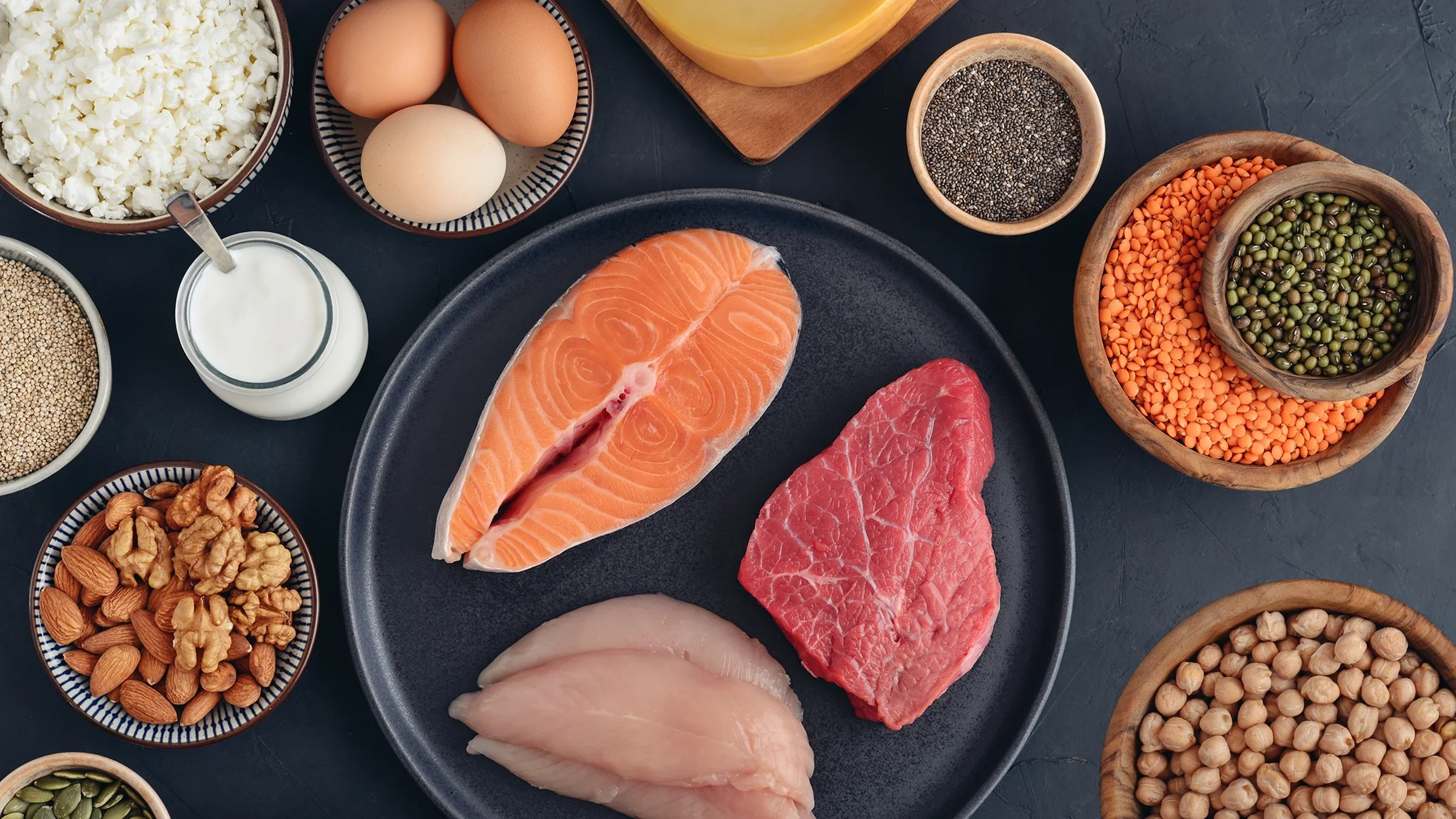
Choose a variety of protein sources: Fish, lean meat, poultry, eggs, dairy products, beans, and lentils all provide protein. Eating a mix of animal- and plant-based proteins can help you get a wider range of nutrients.
Limit processed meats: While foods like bacon, sausage, hot dogs, and deli meats contain protein, they’re also high in sodium and have been linked to poorer long-term health. Choose minimally processed protein sources most often.
Spread out your protein throughout the day: Instead of eating most of your protein at dinner, aim to include a source of protein at each meal and snack.
Don’t forget fiber: If you're increasing your protein intake, make room for fiber-rich foods like fruits, vegetables, legumes, and whole grains. They help support digestive health and can help prevent the constipation that sometimes comes with high-protein diets.
Stay hydrated: Drinking enough fluids supports digestion and normal kidney function.
Frequently asked questions
Yes, protein can help with weight loss by making you feel full and preserving muscle mass. And your body burns more calories digesting protein than it does digesting carbohydrates or fat. But protein isn’t a magic nutrient that can melt fat away. Successful weight loss still depends more on your overall diet and physical activity levels over time.
Some of the best sources of protein include fish, poultry, eggs, dairy products, beans, lentils, and certain lean cuts of red meat. Choosing a variety of protein foods can help you get the benefits of protein while supporting long-term health.
Not necessarily. Whether 100 g of protein is too much per day depends on factors like your age, body weight, physical activity level, and health goals. For many healthy adults, 100 g per day can fall well within the recommended range.
Yes, protein can help with weight loss by making you feel full and preserving muscle mass. And your body burns more calories digesting protein than it does digesting carbohydrates or fat. But protein isn’t a magic nutrient that can melt fat away. Successful weight loss still depends more on your overall diet and physical activity levels over time.
Some of the best sources of protein include fish, poultry, eggs, dairy products, beans, lentils, and certain lean cuts of red meat. Choosing a variety of protein foods can help you get the benefits of protein while supporting long-term health.
Not necessarily. Whether 100 g of protein is too much per day depends on factors like your age, body weight, physical activity level, and health goals. For many healthy adults, 100 g per day can fall well within the recommended range.
The bottom line
Protein is an important part of a balanced and nutritious diet, but more isn’t always better. For most healthy adults, eating a high-protein diet is safe, and many people can benefit from eating more than the minimum recommended amount.
But don’t just chase the highest protein intake possible. Instead, focus on meeting your individual needs with a variety of nutritious protein sources, fruits, vegetables, legumes, and healthy fats. A balanced diet helps provide the benefits of protein without pushing out other foods your body needs.

Why trust our experts?




References
Antonio, J., et al. (2016). A high protein diet has no harmful effects: A one-year crossover study in resistance-trained males. Journal of Nutrition and Metabolism.
Antonio, J., et al. (2024). Common questions and misconceptions about protein supplementation: what does the scientific evidence really show? Journal of the International Society of Sports Nutrition.
Burlingame, B., et al. (2024). Global protein sustainability and the United Nations, through to the 2030 agenda. Frontiers in Nutrition.
Castro, S., et al. (2025). High vs low protein intake in chronic critical illness: A systematic review and meta-analysis. Clinical Nutrition ESPEN.
Cuenca-Sánchez, M., et al. (2015). Controversies surrounding high-protein diet intake: Satiating effect and kidney and bone health. Advances in Nutrition.
Ferraro, P. M., et al. (2020). Risk of kidney stones: Influence of dietary factors, dietary patterns, and vegetarian–vegan diets. Nutrients.
Guarneiri, L. L., et al. (2024). Effects of varying protein amounts and types on diet-induced thermogenesis: A systematic review and meta-analysis. Advances in Nutrition.
Institute of Medicine of the National Academies. (2005). Dietary reference intakes for energy, carbohydrate, fiber, fat, fatty acids, cholesterol, protein, and amino acids.
Jäger, R., et al. (2017). International Society of Sports Nutrition Position Stand: protein and exercise. Journal of the International Society of Sports Nutrition.
Morton, R. W., et al. (2017). A systematic review, meta-analysis and meta-regression of the effect of protein supplementation on resistance training-induced gains in muscle mass and strength in healthy adults. British Journal of Sports Medicine.
Phillips, S. M., et al. (2016). Protein “requirements” beyond the RDA: implications for optimizing health. Applied Physiology, Nutrition, and Metabolism.
Trommelen, J., et al. (2023). The anabolic response to protein ingestion during recovery from exercise has no upper limit in magnitude and duration in vivo in humans. Cell Reports Medicine.
U.S. Department of Agriculture. (2026). Dietary Guidelines for Americans, 2025–2030.
van den Brandt, P. A. (2015). Red meat, processed meat, and other dietary protein sources and risk of overall and cause-specific mortality in The Netherlands Cohort Study. European Journal of Epidemiology.
Wu, G. (2016). Dietary protein intake and human health. Food & Function.