Key takeaways:
Chicken breast, sirloin steak, lamb, and bison are among the highest-protein meats, with 25 g to 26 g of protein per serving.
The best protein choice for you depends on your goals. Lean poultry is great for muscle-building and weight management. Oily fish like salmon can be especially helpful for heart and brain health.
Consuming too much protein can pose health risks for some people.
If you’re looking to maximize your protein intake, meat is hard to beat. Whether you’re trying to build muscle, stay full longer, or maintain a comfortable weight, meat can help support your goal. But not all meats are equally nutritious. Let’s take a look at the top highest-protein meat options.
Quiz: What foods have the most protein?
1. Chicken breast
Protein per 3 oz serving: 25.1 g
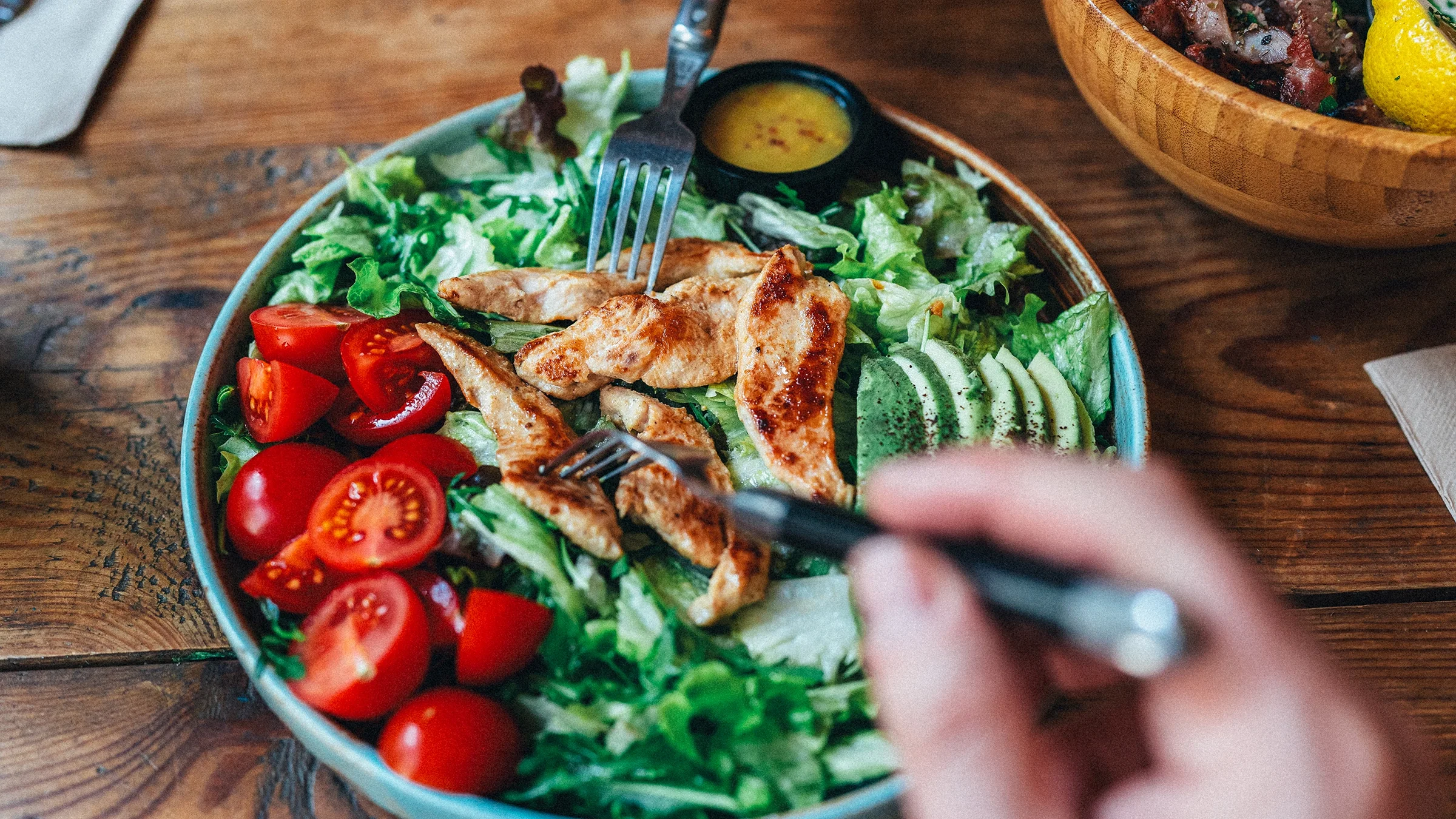
Chicken breast is one of the leanest and most protein-dense cuts of meat you can eat. Like all meats, it's a complete protein. That means it contains all nine essential amino acids your body needs for muscle repair, hormone production, and immune function.
Chicken breast is also high in B vitamins, especially niacin (vitamin B3) and vitamin B6. These vitamins help your body convert food into energy. Chicken breast also provides selenium. This is a mineral found in many animal proteins that supports immune function and thyroid health.
Chicken breast is low in saturated fat and high in protein. This makes it a good choice for people trying to:
Simply meet their daily protein needs without adding too many calories
2. Turkey breast
Protein per 3 oz serving: 23.7 g
Like chicken, turkey breast is a lean protein that contains B vitamins. And it’s high in zinc, a mineral which is important for immune function and metabolism.
Turkey is generally a bit leaner than chicken. This makes it another go-to choice for those with a goal of weight management or muscle building.
3. Lean ground beef
Protein per 3 oz serving: 22.6 g
Ground beef is a nutrient-rich meat known for its:
Iron and vitamin B12, which are needed for red blood cell production
Zinc
Conjugated linoleic acid (CLA), a fatty acid that promotes lean muscle mass in animal studies
Ground beef typically contains more saturated fat than lean poultry. Because of this, you can choose lean or extra-lean varieties. These have a lean-meat-to-fat ratio of 90/10 or 80/20. That way, you can reduce fat without compromising on protein.
Keep in mind that experts usually recommend a 3 oz serving or less of red meat. This is about the size of the palm of your hand. But many people eat larger portions than this. A typical burger is 4 oz to 6 oz. Still, when nutrition guidelines refer to “one serving,” they mean 3 oz.
4. Pork loin
Protein per 3 oz serving: 24.3 g
Pork is technically a red meat. But pork loin is cut with slightly less fat than ground beef. It’s high in selenium. And it also contains thiamine (vitamin B1), which plays a crucial role in energy metabolism and nervous system function.
5. Salmon
Protein per 3 oz serving: 21.6 g
Salmon is a fish, not a meat. But it’s on the list because it combines high-quality protein with heart-healthy omega-3 fatty acids, a type of unsaturated fat. Omega-3s support the health of many functions in your body, including your:
Brain
Immune system
Heart and blood vessels
Salmon is also one of the few foods that provide vitamin D, which is needed for bone strength and immune function. It’s higher in fat than lean meats. But most of the fat in salmon comes from beneficial omega-3s.
6. Lamb chop (lean)
Protein per 3 oz serving: 25.3 g
Lamb (particularly grass-fed lamb) contains more CLA than any other meat. Lamb is also a good source of:
Zinc
Selenium
Iron
Vitamin B12
Lamb does tend to have a higher fat content than other meats. But choosing leaner cuts like the leg or loin can help you get the benefits without too much saturated fat.
7. Steak (top sirloin)
Protein per 3 oz serving: 25 g
Steak lovers, take note. Like ground beef, sirloin steak is rich in:
Iron
Vitamin B12
Zinc
CLA
It has less fat than other cuts of steak. It’s also significantly lower in saturated fat than lean ground beef.
Keep in mind that steaks served in restaurants are usually 8 oz to 9 oz. But the recommended serving size is 3 oz.
8. Bison
Protein per 3 oz serving: 25 g
Bison has less saturated fat than beef. And its taste is similar to beef, but slightly sweeter. Many people describe its taste as less "gamey" than other wild meats.
9. Venison
Protein per 3 oz serving: 25.5 g
Venison is one of the leanest red meats you can find. It has plenty of B vitamins. Venison also has high amounts of iron, which supports oxygen transport and helps combat fatigue.
Comparing the nutrient content in meats
The table below compares the nutrition of the highest-protein meats (and some common non-meat protein foods).
Food | Protein (g) | Total fat (g) | Calories | Other Notable Nutrients |
Chicken breast | 25.1 | 2.9 | 126 | Niacin, selenium |
Turkey breast | 23.7 | 1.8 | 111 | Zinc, B6, selenium |
Ground beef (90% lean) | 22.6 | 9.4 | 182 | Iron, B12, zinc |
Pork loin | 24.3 | 8.2 | 178 | Thiamine, selenium |
Bison | 25 | 4.8 | 150 | Iron, B12, zinc |
Lamb chop | 25.3 | 8.2 | 182 | CLA, zinc, selenium |
Salmon (Atlantic) | 21.6 | 6.9 | 155 | Omega-3s, vitamin D, B12 |
Venison | 25.5 | 2 | 127 | Iron, B12, niacin |
Eggs (2 large) | 12.6 | 10.6 | 155 | Choline, B12 |
Tofu (firm, ½ cup) | 21.8 | 11 | 181 | Calcium, iron |
Low-fat Greek yogurt (6 oz) | 16.9 | 3.3 | 124 | Calcium, probiotics, B12 |
How much protein do you need?
Protein needs vary from person to person, depending on your age, activity level, and health goals.
The recommended daily allowance (RDA) is 0.8 g of protein per kg of body weight (or about 0.36 g per pound). That means a person weighing 150 lbs would need about 55 g of protein per day. But many groups of people need more protein than that, including:
Active individuals and those trying to build or preserve muscle: 1.2 g to 2.0 g of protein per kilogram of bodyweight
People trying to lose weight: 1.07 g to 1.6 g of protein per kilogram of bodyweight, to help preserve muscle while helping you feel full
Older adults: 1.0 g to 1.3 g of protein per kilogram of bodyweight, to help prevent age-related muscle loss
Can you get too much protein?
There’s no official upper limit for protein. But it’s possible to get too much protein. Try not to get more than 2 g of protein per kg of body weight per day. Getting more protein than that can:
Affect kidney health and increase the risk of dehydration in some people
Lead to unintentional weight gain, especially if too much protein intake is from animal protein
Crowd out other nutrients from your diet, such as fiber
If you have kidney disease or other health concerns, it’s important to talk to your healthcare team to determine the right amount of protein for you.
Frequently asked questions
Red meat can be part of a nutritious diet, but it’s best to enjoy it in moderation. Aim to eat no more than 3 servings of red meat per week (about 12 oz to 18 oz). That’s the recommendation of many health organizations, including the American Institute for Cancer Research.
This is because red and processed meats — such as bacon, hot dogs, and jerky— increase the risk of colorectal cancer.
Complete proteins are foods that contain all nine essential amino acids your body needs. These amino acids are called “essential” because your body needs them but can’t make them — so you have to get them from food. Examples of animal products that are complete proteins are:
Meat
Fish
Eggs
Dairy
On the other hand, plant proteins are considered incomplete proteins. This is because they’re missing one or more essential amino acids.
Plant proteins can meet your protein needs. Just be sure to include a variety of them in your diet. You can focus on eating plant proteins like:
Legumes
Tofu
Tempeh
Nuts and seeds
That said, animal-based proteins are often considered higher-quality proteins. This is because they’re complete proteins, with all nine essential amino acids in optimal amounts. Animal proteins are also easier for your body to digest and absorb than plant proteins.
Red meat can be part of a nutritious diet, but it’s best to enjoy it in moderation. Aim to eat no more than 3 servings of red meat per week (about 12 oz to 18 oz). That’s the recommendation of many health organizations, including the American Institute for Cancer Research.
This is because red and processed meats — such as bacon, hot dogs, and jerky— increase the risk of colorectal cancer.
Complete proteins are foods that contain all nine essential amino acids your body needs. These amino acids are called “essential” because your body needs them but can’t make them — so you have to get them from food. Examples of animal products that are complete proteins are:
Meat
Fish
Eggs
Dairy
On the other hand, plant proteins are considered incomplete proteins. This is because they’re missing one or more essential amino acids.
Plant proteins can meet your protein needs. Just be sure to include a variety of them in your diet. You can focus on eating plant proteins like:
Legumes
Tofu
Tempeh
Nuts and seeds
That said, animal-based proteins are often considered higher-quality proteins. This is because they’re complete proteins, with all nine essential amino acids in optimal amounts. Animal proteins are also easier for your body to digest and absorb than plant proteins.
The bottom line
Protein is crucial for your diet, and meat can be one of the easiest ways to get high-quality protein that your body can easily absorb. Chicken breast, pork loin, venison, lamb, and bison are a few of the highest-protein meats. Just remember: The best protein sources are also nutrient dense, not just high in protein. Aim for variety, prioritize lean (lower fat) cuts, and focus on quality over quantity.

Why trust our experts?




References
American Institute for Cancer Research. (n.d.). Limit consumption of red and processed meat.
American Institute for Cancer Research. (2021). Red meat (beef, pork, lamb): Increases risk of colorectal cancer.
Barr, B., et al. (2025). Red meat amino acids for beginners: A narrative review. Nutrients.
Canadian Cancer Society. (n.d.). Limit red and processed meat.
Cuenca-Sánchez, M., et al. (2015). Controversies surrounding high-protein diet intake: Satiating effect and kidney and bone health. Advances in Nutrition.
Garcia, P. T., et al. (2008). Conjugated linoleic acid (CLA) and polyunsaturated fatty acids in muscle lipids of lambs from the Patagonian area of Argentina. Meat Science.
Hernández-Alonso, P., et al. (2016). High dietary protein intake is associated with an increased body weight and total death risk. Clinical Nutrition.
Ko, G., et al. (2020). The effects of high-protein diets on kidney health and longevity. Journal of the American Society of Nephrology.
Lonnie, M., et al. (2018). Protein for life: Review of optimal protein intake, sustainable dietary sources and the effect on appetite in ageing adults. Nutrients.
MedlinePlus. (2024). Dietary proteins. National Institutes of Health.
Moon, J. (2020). Clinical evidence and mechanisms of high-protein diet-induced weight loss. Journal of Obesity and Metabolic Syndrome.
Mrowicka, M., et al. (2023). The importance of thiamine (vitamin B1) in humans. Bioscience Reports.
My Food Data. (n.d.). Beef, ground (minced), 90% lean meat / 10% fat, loaf, cooked, baked.
My Food Data. (n.d.). Beef, top sirloin, steak, trimmed to 1/8" fat, select, cooked, broiled.
My Food Data. (n.d.). Chicken, broiler or fryers, breast, skinless, boneless, meat only, with added solution, cooked, grilled.
My Food Data. (n.d.). Cooked wild Atlantic salmon.
My Food Data. (n.d.). Firm tofu.
My Food Data. (n.d.). Game meat, bison, ribeye, 1" steak, cooked, broiled.
My Food Data. (n.d.). Hard boiled eggs.
My Food Data. (n.d.). Lamb loin chop cooked lean only eaten.
My Food Data. (n.d.). Low fat greek yogurt.
My Food Data. (n.d.). Pork, fresh, loin, whole, cooked, roasted.
My Food Data. (n.d.). Turkey, retail parts, breast, meat only, with added solution, cooked, roasted.
My Food Data. (n.d.). Venison, steak.
Nogoy, K. M. C., et al. (2022). Fatty acid composition of grain- and grass-fed beef and their nutritional value and health implication. Food Science of Animal Resources.
Reid-McCann, R. J., et al. (2022). The effect of animal versus plant protein on muscle mass, muscle strength, physical performance and sarcopenia in adults: Protocol for a systematic review. Systematic Reviews.
Rogeri, P. S., et al. (2021). Strategies to prevent sarcopenia in the aging process: Role of protein intake and exercise. Nutrients.
Stoodley, I. L., et al. (2023). Effects of plant-based protein interventions, with and without an exercise component, on body composition, strength and physical function in older adults: A systematic review and meta-analysis of randomized controlled trials. Nutrients.