Key takeaways:
Vegetables are an excellent source of nutrition. Their nutrients can help protect against cancer, prevent diabetes, and even help you live longer.
All vegetables are healthy, but some pack an extra-strong boost of nutrients. Vegetables like spinach, carrots, and mushrooms have unique health benefits that can boost your health in multiple ways.
How you cook and prepare your vegetables can affect their nutrients. Steaming can increase nutrient content. Boiling can decrease it.
“Eat your veggies!” Most people have heard this at some point in their life. And while many people know that vegetables are good for them, they might not realize just how healthy vegetables can be.
Eating vegetables every day can reduce your risk for chronic diseases, improve brain function, and even help you live longer. But only about 1 in 10 adults in the U.S. actually eats the recommended two or more servings per day.
In this article, we’ll review the health benefits of vegetables and highlight which ones have the most nutrients — so you can get the biggest bang for your buck.
Which nutrients do vegetables provide?
Vegetables are an excellent source of many essential nutrients, such as:
Fiber, which keeps digestion regular, lowers cholesterol, and helps with weight management
Prebiotics, a specific type of fiber that feed the good bacteria in your gut to support healthy gut function (found in vegetables like garlic, onions, and leeks)
Potassium, a mineral that’s essential for muscle and nerve function and may help lower blood pressure and reduce the risk of stroke
Folate, which helps your body make red blood cells and is especially important during pregnancy because it helps reduce the risk of birth defects in the brain and spine
Vitamin A, which keeps your skin healthy and strengthens your immune system
Vitamin C, which improves immunity, decreases inflammation, and helps your body absorb iron
Iron, a mineral that’s important for brain function and for making red blood cells
Calcium, which is crucial for bone health and may also help protect against colon cancer and high blood pressure
Antioxidants, which are nutrients that protect your cells from damage and may lower your risk for conditions like heart disease and cancer
What are the healthiest vegetables?
All vegetables are healthy. They’re naturally low in fat and salt, full of water, and packed with nutrients. So, you can’t go wrong when choosing a vegetable. But when it comes to proven health benefits, here are 17 of the healthiest vegetables according to scientific research.
1. Broccoli
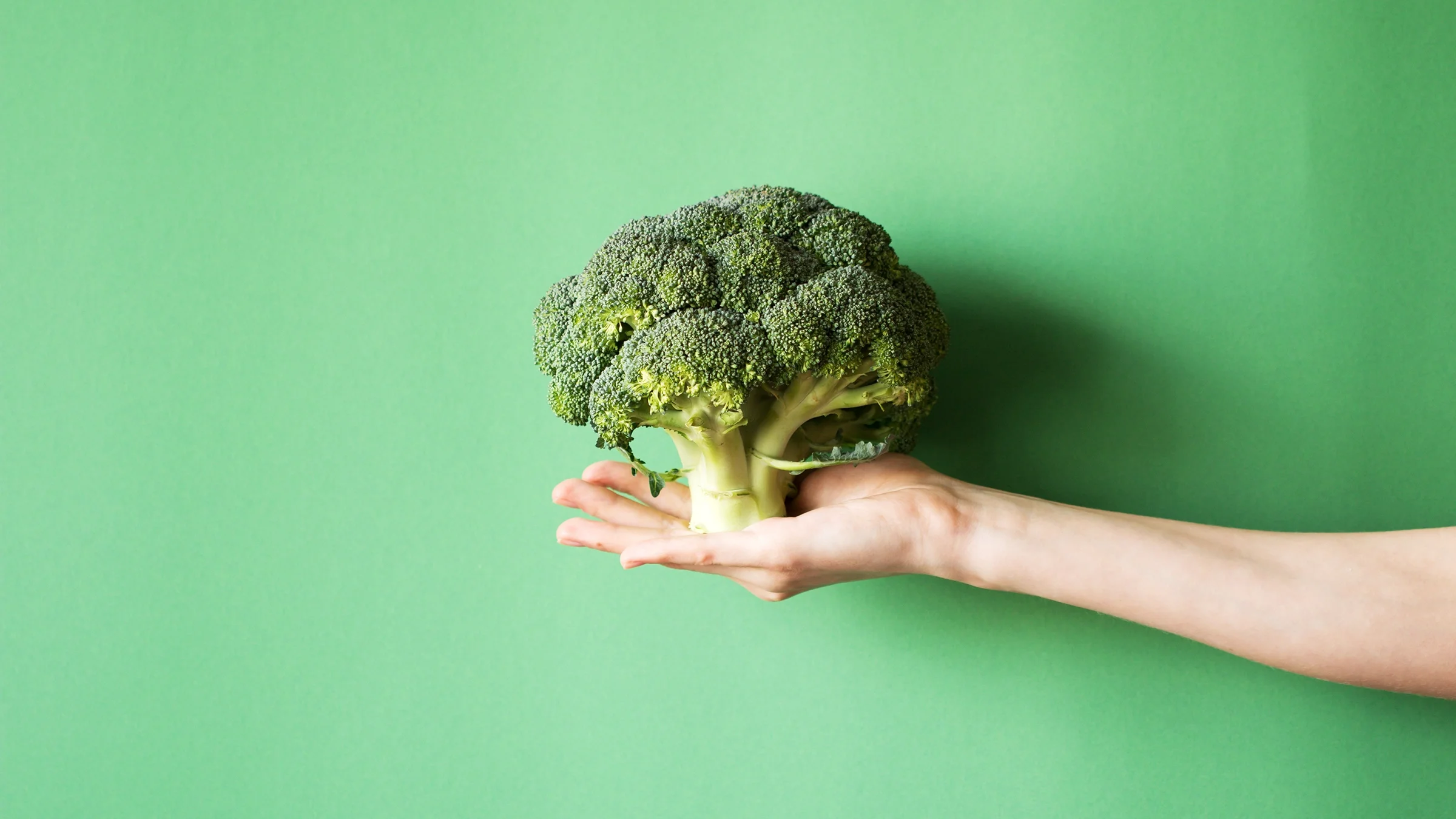
Broccoli is a cruciferous vegetable. It contains a chemical compound called sulforaphane, which scientists have studied for its medicinal effects. Studies suggest sulforaphane may:
Lower the risk of cardiovascular disease
Prevent steroid-induced osteoporosis
Have anticancer properties
One large meta-analysis suggests that eating 40 g to 60 g of cruciferous vegetables per day (that’s equivalent to ½ cup of broccoli) could lower your risk of developing colon cancer by almost 20%.
Broccoli is also an excellent source of vitamin C and iron.
2. Kale
Kale has become more popular as a health food in the past few decades. But this leafy green cruciferous vegetable has been used as medicine for much longer.
Kale owes its healthy reputation to an antioxidant called lutein. This nutrient helps prevent:
Eye diseases, like cataracts or diabetic eye problems
Cardiovascular problems, like high blood pressure
Skin irritation
Osteoporosis

Read more like this
Explore these related articles, suggested for readers like you.




Kale is also an excellent source of iron, calcium, and folate.
3. Spinach
Spinach contains many of the same health benefits as broccoli and kale. It’s particularly rich in phytochemicals. These are plant compounds that support the immune system and nourish skin and bone health. Phytochemicals may also support weight management by suppressing appetite.
Spinach also contains nutrients that may help:
Maintain healthy muscles
Improve heart health
Boost immune function
In addition, spinach is higher in iron than other vegetables. It’s also a great source of vitamin A and fiber.
4. Carrots
Carrots contain carotenoids, pigments which give them their vibrant orange color (or yellow or red). Carotenoids also have antioxidant properties. This means they might play a role in:
Preventing age-related diseases, like Alzheimer’s and memory loss
Protecting your skin from sunburns and reducing your risk of skin cancer
Keeping your immune system healthy
Carrots are also a great source of fiber and vitamin A.
5. Bell peppers
Bell peppers come in yellow, green, and red varieties. Each color has its own unique health benefits. Eating a variety of colors is a great way to get all of their nutrients:
Red peppers contain capsaicin, which may help with pain relief, cancer prevention, and weight loss.
Yellow peppers are high in flavonoids, which are especially helpful for learning and memory.
Green peppers are a great source of phenolic acids, which can lower your risk of diabetes and help prevent skin damage.
Bell peppers are also high in vitamin C. Just 1 cup has about 3 times more vitamin C than an orange. They’re also one of the most hydrating foods.
6. Beets
Beets contain betalains. These are pigments with nitrogen that give vegetables and fruits that deep purple color. Betalains can lower your risk of developing:
High blood pressure
Heart disease
High cholesterol
Cancer
Beets are also rich in folate and potassium.
7. Sweet potato
Sweet potatoes are filled with carotenoids and polysaccharides, which have far-reaching health benefits. There’s evidence that sweet potatoes can help:
Improve absorption of vitamin A
Control blood sugar
Prevent constipation
Improve liver function
Sweet potatoes are also filled with micronutrients like manganese, copper, potassium, and iron.
8. Mushrooms
Mushrooms are considered a vegetable, but they have some unique qualities. For starters, a mushroom isn’t a plant or an animal — it’s a fungus. As a fungus, mushrooms are a great source of vitamin D, which most other vegetables don’t provide. Vitamin D helps maintain healthy bones and muscles.
People have considered mushrooms a healing food since the Romans called them the “food of the gods.” Modern research suggests that mushrooms may lower your risk of:
Alzheimer’s disease
Parkinson’s disease
High blood pressure
Stroke
9. Red cabbage
Red cabbage, a cruciferous vegetable, shares many of the same health benefits as its cousins, broccoli and kale. But the rich purple color in cabbage is due to its anthocyanins. Anthocyanins are natural pigments that are especially helpful for:
Improving brain health
Helping with heart function
Lowering cancer risk
Red cabbage is also especially high in vitamin C, vitamin K, and fiber.
10. Garlic
Garlic has been used as medicine in many different cultures for thousands of years. That’s because garlic is jam-packed with polyphenols. These are plant compounds that can improve your health. Studies have shown that garlic may help lower your risk for conditions like:
Osteoarthritis
Skin conditions
Heart disease
Cancer
Diabetes
Garlic is also filled with prebiotics and sulfur compounds, which give it many health benefits.
11. Onions
Another great way to add some nutritious flavor to a meal is to use onions. Onions have antioxidant, anti-inflammatory, and immune-boosting properties. Eating onions regularly may:
Improve wound healing
Help prevent gallstones
Improve digestion
Lower your risk of cancer
Onions also contain vitamin C and fiber.
12. Eggplant
Eggplant is filled with phytochemicals and it may lower your risk for metabolic syndrome by helping to:
Regulate blood sugar
Reduce body fat
Lower blood pressure
Lower cholesterol
Eggplants are also high in soluble fiber, potassium, manganese, and other micronutrients.
13. Cauliflower
Cauliflower, another cruciferous vegetable, is a great source of vitamin C. Just 1 cup provides over half of your daily needs.
The powerful antioxidants and other plant compounds in cauliflower have anti-inflammatory effects that may also support brain health. Recent research suggests that eating cruciferous vegetables may help maintain brain function and slow cognitive decline in middle-aged and older adults.
14. Tomatoes
Tomatoes are the main food source of the antioxidant lycopene. Like other antioxidants, lycopene helps protect your cells from damage. It may be even more effective than other antioxidants at stopping the cellular damage caused by free radicals.
Research has linked lycopene to a reduced risk of several different health conditions, including:
Heart disease
Prostate cancer
Type 2 diabetes
Tomatoes are also high in vitamin C and potassium.
15. Green peas
Green peas are one of the highest-protein vegetables, with almost 9 g of protein per cooked cup.
Green peas are also a notably high-fiber vegetable, with 9 g per cup — nearly a third of your daily needs. Both fiber and protein are very filling nutrients, which makes peas a good food for weight management.
16. Brussels sprouts
Brussels sprouts are part of the cruciferous family, so they share many of the same health benefits as broccoli, kale, and cauliflower. According to the National Foundation for Cancer Research (NFCR), a compound in Brussels sprouts may help restrict tumor growth by blocking the aggressive enzymes that are responsible for cancer growth.
Brussels sprouts also contain more than 100% of your daily vitamin C requirement. And they’re higher in protein than many vegetables, with 4 g per cooked cup.
17. Asparagus
Asparagus is an excellent source of vitamin K, which is crucial for proper blood clotting. Vitamin K also supports healthy bones. It does this by working together with vitamin D to help calcium get deposited into bones instead of your arteries. This also benefits the heart by preventing calcification. This is when calcium deposits build up in the walls of arteries, increasing your risk of heart disease.
Asparagus is also high in B vitamins, fiber, and folate.
Nutrients in different forms of vegetables
Vegetables provide nutrients no matter what form they’re in. But different forms of veggies may have different amounts of vitamins and minerals:
Fresh vegetables: These serve as the baseline for nutritional content. But even among fresh veggies, the level of ripeness can affect nutrient content. And the timing of harvest may affect how many nutrients remain.
Frozen vegetables: Frozen vegetables have nutritional content very similar to fresh ones. Most are frozen quickly after harvesting, which helps retain most of their nutrients. Because frozen veggies are affordable and convenient, they may help you eat more vegetables.
Boiled vegetables: Boiling can decrease nutrients in certain vegetables. This is because the vitamins can “leak out” into the water.
Steamed vegetables: Steaming is probably the best way to keep or even increase the availability of nutrients in vegetables. For example, steaming broccoli can actually increase the availability of its antioxidants.
Fermented vegetables: Fermentation enhances some of the nutrients in vegetables. The fermentation process also adds probiotics, which improves gut — and overall — health.
Frequently asked questions
A superfood is a food that’s considered exceptionally good for your health. Many of the vegetables on this list could be called a superfood, including spinach, broccoli, and garlic.
All vegetables contain nutrients that benefit your health, like fiber, antioxidants, vitamins, and minerals. Even vegetables that are made up of almost entirely water, like cucumbers, contain plant compounds that support your overall health.
All vegetables can support weight loss because they are high in fiber and water but low in calories. Some of the best vegetables for weight loss include asparagus, broccoli, and cauliflower.
A superfood is a food that’s considered exceptionally good for your health. Many of the vegetables on this list could be called a superfood, including spinach, broccoli, and garlic.
All vegetables contain nutrients that benefit your health, like fiber, antioxidants, vitamins, and minerals. Even vegetables that are made up of almost entirely water, like cucumbers, contain plant compounds that support your overall health.
All vegetables can support weight loss because they are high in fiber and water but low in calories. Some of the best vegetables for weight loss include asparagus, broccoli, and cauliflower.
The bottom line
Eating vegetables every day is important for your health. Vegetables can help keep your body running smoothly and can lower your risk of developing many diseases. To get the most benefits from veggies, aim for at least two servings a day. But even having one vegetable each day can be helpful. Remember, different colored vegetables have different nutrients, so eating a variety of colors is a great way to keep your meals varied and nutritious.

Why trust our experts?




References
American Society for Nutrition. (2023). Scientists name top five foods rich in prebiotics.
Ansary, J., et al. (2020). Potential health benefit of garlic based on human intervention studies: A brief overview. Antioxidants.
Arshad, M. T., et al. (2025). Dietary phytochemicals in cardiovascular disease prevention and management: A comprehensive review. Food Science & Nutrition.
Bacanli, M., et al. (2015). Lycopene: Is it beneficial to human health as an antioxidant? Turkish Journal of Pharmaceutical Sciences.
Bachrach, Z. Y. (2025). Garlic as a medicine throughout the ages (review). World Academy of Sciences Journal.
Bakoyiannis, I., et al. (2019). Phytochemicals and cognitive health: Are flavonoids doing the trick? Biomedicine & Pharmacotherapy.
Barkat, N., et al. (2018). Effect of harvest time on the levels of phytochemicals, free radical-scavenging activity, α-amylase inhibition and bile acid-binding capacity of spinach (Spinacia oleracea). Journal of the Science of Food and Agriculture.
Bliss, R. M. (2008). When it comes to red cabbage, more is better. Agricultural Research Service.
Cardwell, G., et al. (2018). A review of mushrooms as a potential source of dietary vitamin D. Nutrients.
Centers for Disease Control and Prevention. (2025). Folic acid: Facts for clinician.
Chakraborty, A. J., et al. (2022). Allium cepa: A treasure of bioactive phytochemicals with prospective health benefits. Evidence-Based Complementary and Alternative Medicine.
Cobos, Á., et al. (2023). ‘Superfoods’: Reliability of the information for consumers available on the web. Foods.
Cormick, G., et al. (2019). Calcium intake and health. Nutrients.
Dreher, M. L., et al. (2020). A comprehensive critical assessment of increased fruit and vegetable intake on weight loss in women. Nutrients.
FoodData Central. (2019). Spinach, raw. U.S. Department of Agriculture.
Guillén, S., et al. (2017). Influence of cooking conditions on organoleptic and health-related properties of artichokes, green beans, broccoli and carrots. Food Chemistry.
Huang, L., et al. (2024). Associations of vegetable and fruit intake with cognitive function and its decline: Two longitudinal studies. The Journal of Nutrition, Health and Aging.
Knez, E., et al. (2023). Effect of fermentation on the nutritional quality of the selected vegetables and legumes and their health effects. Life.
Kumar, N., et al. (2019). Phenolic acids: Natural versatile molecules with promising therapeutic applications. Biotechnology Reports.
Lai, B., et al. (2025). Cruciferous vegetables intake and risk of colon cancer: A dose–response meta-analysis. BMC Gastroenterology.
Laveriano-Santos, E. P., et al. (2022). Sweet potato is not simply an abundant food crop: A comprehensive review of its phytochemical constituents, biological activities, and the effects of processing. Antioxidants.
Lee, S. H., et al. (2022). Adults meeting fruit and vegetable intake recommendations — United States, 2019. Morbidity and Mortality Weekly Report.
Luo, T., et al. (2021). Sulforaphane inhibits osteoclastogenesis via suppression of the autophagic pathway. Molecules.
Mahn, A., et al. (2012). An overview of health-promoting compounds of broccoli (brassica oleracea var. italica) and the effect of processing. Food Science and Technology International.
Marefati, N., et al. (2021). A review of anti-inflammatory, antioxidant, and immunomodulatory effects of Allium cepa and its main constituents. Pharmaceutical Biology.
Mattioli, R., et al. (2020). Anthocyanins: A comprehensive review of their chemical properties and health effects on cardiovascular and neurodegenerative diseases. Molecules.
Mitra, S., et al. (2021). Potential health benefits of carotenoid lutein: An updated review. Food Chemical and Toxicology.
Mokhtari, R. B., et al. (2018). The role of sulforaphane in cancer chemoprevention and health benefits: A mini-review. Journal of Cell Communication and Signaling.
My Food Data. (n.d.). Cooked brussels sprouts (boiled, drained).
My Food Data. (n.d.). Cooked green peas (boiled, drained).
My Food Data. (n.d.). Raw asparagus.
My Food Data. (n.d.). Raw cauliflower.
My Food Data. (n.d.). Raw onions.
National Foundation for Cancer Research. (2020). Cancer-fighting food feature: Brussels sprouts.
Office of Dietary Supplements. (2021). Manganese. National Institutes of Health.
Office of Dietary Supplements. (2021). Vitamin K. National Institutes of Health.
Ortega-Hernández, E., et al. (2021). Improving the health-benefits of kales (brassica oleracea L. var. acephala DC) through the application of controlled abiotic stresses: A review. Plants.
Pérez-Piñero, S., et al. (2021). A 12-week randomized double-blind placebo-controlled clinical trial, evaluating the effect of supplementation with a spinach extract on skeletal muscle fitness in adults older than 50 years of age. Nutrients.
Qin, Y., et al. (2022). Nutrition-related health outcomes of sweet potato (Ipomoea batatas) consumption: A systematic review. Food Bioscience.
Rahimi, P., et al. (2019). Betalains, the nature-inspired pigments, in health and diseases. Critical Reviews in Food Science and Nutrition.
Rao, P. P., et al. (2025). Phytochemicals in obesity management: Mechanisms and clinical perspectives. Current Nutrition Reports.
Srinivasan, K. (2016). Biological activities of red pepper (capsicum annuum) and its pungent principle capsaicin: A review. Critical Reviews in Food Science and Nutrition.
Tan, B. L., et al. (2019). Carotenoids: How effective are they to prevent age-related diseases? Molecules.
Thuphairo, K., et al. (2019). Bioactive compounds, antioxidant activity and inhibition of key enzymes relevant to Alzheimer’s disease from sweet pepper (Capsicum annuum) extracts. Preventive Nutrition and Food Science.
Valverde, M. E., et al. (2015). Edible mushrooms: Improving human health and promoting quality life. International Journal of Microbiology.
van Ballegooijen, A. J., et al. (2017). The Synergistic Interplay between Vitamins D and K for Bone and Cardiovascular Health: A Narrative Review. International Journal of Endocrinology.
Vanduchova, A., et al. (2019). Isothiocyanate from broccoli, sulforaphane, and its properties. Journal of Medicinal Food.
Vega-Galvez, A., et al. (2024). Comprehensive assessment of anti-inflammatory, antiproliferative and neuroprotective properties of cauliflower after dehydration by different drying methods. Foods.
Wang, D. D., et al. (2021). Fruit and vegetable intake and mortality. Circulation.
Xavier, A. A. O., et al. (2016). Carotenoids as a source of antioxidants in the diet. Subcellular Biochemistry.
Yarmohammadi, F., et al. (2021). Effect of eggplant (Solanum melongena) on the metabolic syndrome: A review. Iranian Journal of Basic Medical Sciences.